



How to Install PVC Coated Cable Ties Without Damaging the Protective Layer
Learning how to install PVC coated cable ties correctly is crucial for maintaining the integrity of your fastening system. While these ties offer superior corrosion resistance, improper handling can scratch the polymer coating, exposing the metal core to the elements. At Xinxing Stainless Steel Cable Tie, we provide high-performance solutions designed for durability, but the final protection depends on installation quality. This guide explains the best practices for securing PVC coated stainless steel cable tieswithout compromising their protective layer, ensuring long-lasting performance in any environment.
Prepare Your Cables to Prevent Coating Abrasions
Before starting the installation, it is essential to inspect the bundle of cables or pipes you are securing. Sharp burrs on metal conduits or rough surfaces on industrial equipment can act like sandpaper against the PVC layer. Even the most heavy duty cable ties can suffer surface damage if dragged across abrasive edges during the tightening process. Taking a moment to smooth down sharp contact points or ensuring the cables are clean of debris will significantly reduce the risk of stripping the protective polymer.
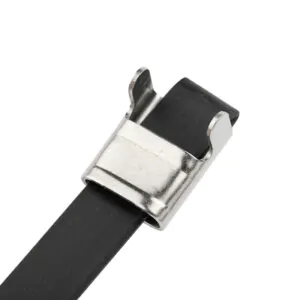
Furthermore, how you handle the ties before they reach the cable is just as important. Avoid using pliers with serrated “teeth” to pull the tie, as these will bite directly into the PVC. Instead, handle the ties with clean gloves and ensure they are kept in their protective packaging until the moment of use. This prevents accidental nicks and scratches that could become entry points for moisture or corrosive chemicals later on.
Selecting the Correct Tools for Damage-Free Fastening
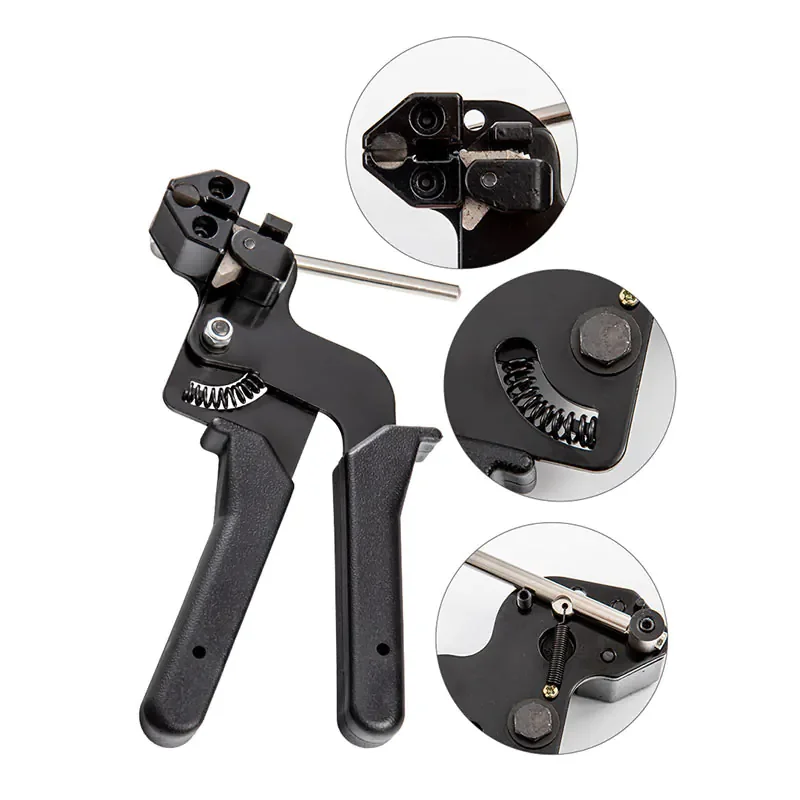
Using the right equipment is the most effective way to protect the coating. While it is possible to tighten these ties by hand, achieving a secure fit without over-stressing the material is difficult. A dedicated stainless steel cable tie tool is designed to apply even pressure across the width of the strap. This prevents the “pinching” effect that often occurs when using makeshift tools, which can cause the PVC to tear or delaminate from the steel core.
| Installation Method | Risk to PVC Coating | Tension Consistency | Recommended Use |
| Manual (By Hand) | Low to Moderate | Poor / Inconsistent | Temporary or light-duty fix |
| Standard Pliers | Very High (Serrated teeth damage PVC) | Medium | Not recommended for coated ties |
| Professional Tensioning Tool | Very Low | Excellent / Precise | Industrial & high-volume projects |
| Pneumatic Tie Gun | Low | High / Fast | Large-scale manufacturing |
As shown in the table above, a professional tensioning tool is the superior choice for business applications. These tools allow the operator to preset the tension level, ensuring that the tie is tight enough to stay secure under vibration but not so tight that it crushes the PVC layer. The integrated cutting mechanism also ensures a flush cut at the head of the tie. This is vital because a jagged “tail” can catch on other equipment, potentially peeling back the coating and compromising the “weatherproof cable management” benefits of the product.
Best Practices for Tensioning and Cutting
When applying tension, always pull the strap in a straight line relative to the locking head. Pulling at an angle creates unnecessary friction at the entry point of the ball-lock mechanism, which can shave off thin layers of the PVC. Slow, steady tension is always better than quick, jerky movements. This allows the internal locking ball to seat itself correctly on the steel core without needing to “bite” through the coating aggressively.
The cutting phase is where many installers fail. If you use standard wire cutters, you risk leaving a sharp edge that can pierce the PVC of adjacent ties in a bundle. Always use a tool with a front-loading cutting blade that clips the tie exactly at the head. By removing the excess strap cleanly, you eliminate “snag points.” This practice is especially important in the marine and offshore sectors, where any breach in the PVC coating can lead to rapid crevice corrosion in saltwater environments.
Post-Installation Inspection for Long-Term Durability
Once the installation is complete, a quick visual inspection can save thousands of dollars in future maintenance. Check the area around the locking head for any signs of “whitening” in the PVC, which indicates the material has been over-stressed or stretched. If the coating is visibly cracked or peeled, it is best to replace that specific tie immediately. A small breach today can lead to the failure of the entire fastening system in a few years as rust creeps under the coating.
For businesses focused on high-stakes infrastructure, such as solar energy or telecommunications, documenting the installation quality is a part of professional EEAT (Experience, Expertise, Authoritativeness, and Trustworthiness) standards. Ensuring that every Xinxing Stainless Steel Cable Tie is installed with its coating intact guarantees that the product will meet its 20+ year lifespan. This attention to detail protects your investment and ensures the safety of the electrical systems you are managing.
FAQs
Can I fix a scratch in the PVC coating after installation?
While small nicks can sometimes be covered with specialized industrial electrical tape or cold-galvanizing sprays, it is always safer and more cost-effective to replace the tie if the steel core is exposed.
Does temperature affect the installation of PVC coated ties?
Yes. In extremely cold weather, PVC becomes less flexible. If installing in sub-zero temperatures, keep the ties in a warm environment until right before use to prevent the coating from cracking when bent.
How tight should the tie be?
The tie should be snug enough that it cannot be rotated by hand around the bundle, but not so tight that it visibly deforms the cable jackets. Using a calibrated tensioning tool is the best way to hit this “sweet spot.”
Conclusion
Installing PVC coated cable ties requires a balance of the right tools and careful technique. By preparing your surfaces, using a specialized stainless steel cable tie tool, and avoiding over-tensioning, you protect the vital polymer layer that keeps your infrastructure safe from corrosion. High-quality fasteners deserve high-quality installation. At Xinxing Stainless Steel Cable Tie, we provide the heavy-duty products you need to succeed. Visit our website to explore our full range of professional ties and tools and secure your next project with confidence!