



Common Problems with Traditional Metal Bands and How Epoxy Coated Metal Bands Solve Them
Introduction
Metal bands are widely used in various industries for securing cables, pipes, poles, signs, and industrial equipment. Due to their high strength, flexibility, and reliable fastening performance, traditional metal bands have become a common choice for many applications.
However, when exposed to harsh environments, traditional metal bands may face several challenges, including corrosion, reduced service life, maintenance issues, and performance degradation. These problems can affect the reliability of fastening systems and increase long-term operating costs.
Epoxy Coated Metal Bands provide an improved solution by adding a protective epoxy coating to the metal surface. This coating enhances corrosion resistance, durability, and environmental protection while maintaining the mechanical strength required for demanding applications.
Understanding Traditional Metal Bands
What Are Traditional Metal Bands?
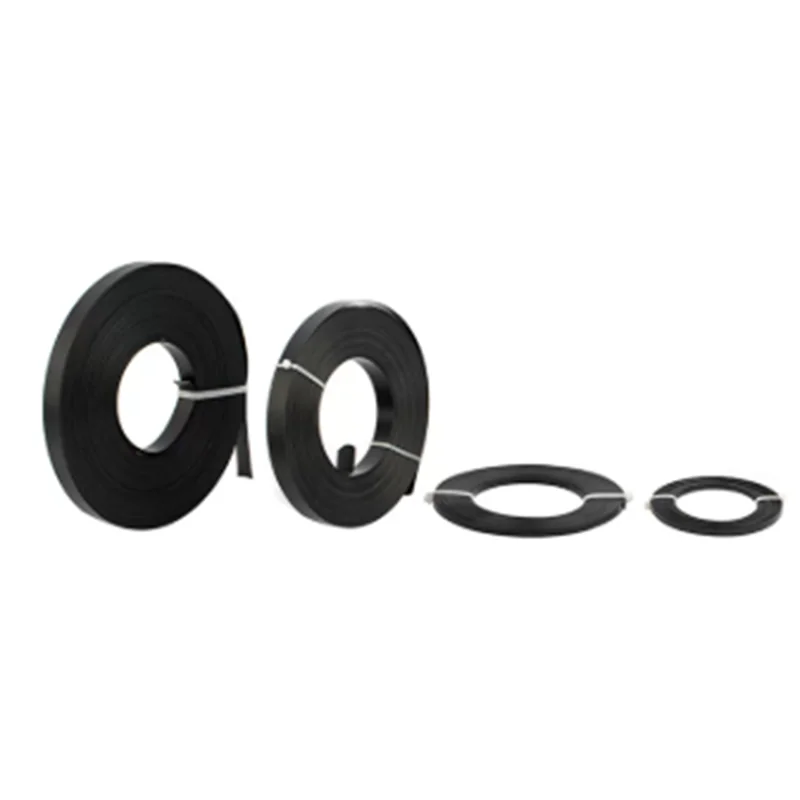
Traditional metal bands are fastening strips commonly made from materials such as stainless steel or carbon steel. They are designed to secure and support various components in industrial and infrastructure applications.
Typical applications include:
Cable fastening
Pole mounting
Pipe fixing
Equipment installation
Construction support systems
Their popularity comes from their strong holding capability, easy installation, and adaptability to different applications.
Why Are Traditional Metal Bands Still Widely Used?
Traditional metal bands remain popular because they offer several advantages:
High mechanical strength
Good flexibility
Simple installation
Cost-effective performance
Wide application range
However, without additional protective treatment, they may not provide sufficient resistance in environments with moisture, chemicals, or salt exposure.
Common Problems with Traditional Metal Bands
Corrosion in Harsh Environments
One of the biggest challenges for traditional metal bands is corrosion. When exposed to moisture, oxygen, salt spray, or chemicals, metal surfaces may gradually oxidize and develop rust.
Corrosion can lead to:
Reduced material strength
Weakened fastening performance
Shortened service life
Increased replacement frequency
This problem is especially common in outdoor, coastal, and industrial environments.
Limited Protection Against Weather Exposure
Traditional metal bands used outdoors must withstand changing weather conditions, including rain, humidity, temperature fluctuations, and UV exposure.
Long-term exposure may cause:
Surface deterioration
Loss of appearance
Reduced durability
Without additional protection, traditional bands may require more frequent inspection and maintenance.
Higher Maintenance and Replacement Costs
When metal bands become damaged due to corrosion or environmental wear, businesses need to replace them to maintain system reliability.
Frequent replacement can increase:
Labor costs
Maintenance expenses
Equipment downtime
Project management difficulties
For large infrastructure systems, these costs can become significant over time.
Reduced Performance in Marine and Coastal Areas
Marine and coastal environments contain high levels of salt, which accelerates corrosion processes.
Traditional metal bands may experience faster degradation when used for:
Offshore equipment
Coastal communication systems
Marine infrastructure
These applications require stronger corrosion protection to maintain long-term reliability.
Surface Damage During Installation and Operation
Traditional metal surfaces may be vulnerable to scratches and abrasion during installation.
Once the protective surface is damaged, exposed areas can become potential points for corrosion, reducing overall product performance.
How Epoxy Coated Metal Bands Solve These Problems
Enhanced Corrosion Resistance
The most important advantage of epoxy coated metal bands is their improved corrosion protection.
The epoxy coating forms a protective barrier between the metal surface and external elements. It prevents moisture, salt, and chemicals from directly contacting the metal.
This helps:
Reduce rust formation
Maintain structural strength
Extend service life
Improve reliability in harsh environments
Better Weather Resistance for Outdoor Applications
Epoxy coated metal bands are designed to perform better under outdoor conditions.
The protective coating helps resist damage caused by:
Rain
Humidity
Temperature changes
Environmental pollutants
This makes them suitable for long-term outdoor installations where traditional metal bands may experience faster degradation.
Longer Service Life and Lower Maintenance Requirements
By protecting the metal surface from corrosion and environmental damage, epoxy coating significantly extends the lifespan of metal bands.
Longer service life means:
Fewer replacements
Reduced maintenance work
Lower operating costs
Improved project efficiency
For infrastructure projects requiring reliable long-term fastening, this provides significant value.
Improved Performance in Marine and Industrial Environments
Epoxy coated metal bands are particularly suitable for demanding environments where corrosion risks are high.
They provide better protection in applications such as:
Coastal communication systems
Marine equipment
Chemical facilities
Power infrastructure
Their enhanced durability helps maintain stable fastening performance even under challenging conditions.
Better Surface Protection
The epoxy coating provides an additional layer of protection against scratches, abrasion, and surface damage.
This helps maintain the integrity of the metal band throughout installation and operation, reducing the risk of premature failure.
Key Advantages of Epoxy Coated Metal Bands
Strong Mechanical Performance
Although epoxy coating improves environmental resistance, the metal core maintains excellent strength.
Epoxy coated metal bands provide:
High tensile strength
Reliable holding force
Secure fastening performance
Resistance to vibration and external loads
Reduced Total Cost of Ownership
While epoxy coated metal bands may require a higher initial investment, their long-term benefits often outweigh the cost difference.
Reduced maintenance, fewer replacements, and longer service life help businesses achieve lower lifecycle costs.
More Sustainable Fastening Solution
Long-lasting products contribute to more sustainable operations by reducing material consumption and waste.
Epoxy coated metal bands support sustainability through:
Extended product lifespan
Reduced replacement frequency
Lower resource consumption
Applications Where Epoxy Coated Metal Bands Provide Advantages
Telecommunications and Cable Management
Telecommunication systems often require outdoor fastening solutions for fiber optic cables, communication equipment, and network accessories.
Epoxy coated metal bands provide reliable support for telecom poles and cable systems exposed to weather conditions.
Power and Utility Projects
Power distribution systems require durable fastening components that can maintain performance outdoors.
Epoxy coated metal bands are used for securing:
Power cables
Electrical equipment
Utility accessories
Their corrosion resistance improves infrastructure reliability.
Industrial Equipment Installation
Factories and industrial facilities often operate in environments with moisture, chemicals, and vibration.
Epoxy coated metal bands provide stable fastening performance for equipment and piping systems.
Marine and Coastal Infrastructure
Marine projects require fastening products that can withstand salt exposure and humidity.
The corrosion-resistant properties of epoxy coated metal bands make them suitable for coastal and offshore applications.
How to Choose the Right Epoxy Coated Metal Bands
Consider the Application Environment
Before selecting a product, consider:
Indoor or outdoor installation
Exposure to moisture or chemicals
Temperature conditions
Expected service life
The environment determines the required level of protection.
Evaluate Material and Coating Quality
A reliable epoxy coated metal band should have:
Strong metal substrate
Uniform epoxy coating
Good coating adhesion
Consistent manufacturing quality
High-quality materials ensure better long-term performance.
Select a Reliable Manufacturer
Choosing an experienced manufacturer is important for ensuring product reliability.
A professional supplier should provide:
Strict quality control
Stable production processes
Customization options
Technical support
Conclusion
Traditional metal bands remain useful fastening products, but they may face challenges such as corrosion, weather damage, and increased maintenance requirements in harsh environments.
Epoxy Coated Metal Bands solve these problems by providing an additional protective layer that improves corrosion resistance, durability, and service life. They offer reliable fastening performance while reducing maintenance costs and supporting more sustainable infrastructure development.
For applications involving outdoor exposure, marine environments, industrial facilities, and critical cable management systems, epoxy coated metal bands provide a durable and cost-effective fastening solution.
FAQ
Q1: What are the main problems with traditional metal bands?
Common problems include corrosion, limited weather resistance, surface damage, shorter service life, and higher maintenance requirements.
Q2: How do epoxy coated metal bands prevent corrosion?
The epoxy coating creates a protective barrier that prevents moisture, salt, and chemicals from reaching the metal surface.
Q3: Are epoxy coated metal bands suitable for outdoor applications?
Yes. They are designed for outdoor use and provide better protection against weather exposure and environmental corrosion.
Q4: Are epoxy coated metal bands more durable than traditional metal bands?
Yes. The epoxy coating improves environmental resistance and helps extend the service life of the metal band.
Q5: Where are epoxy coated metal bands commonly used?
They are widely used in telecommunications, power utilities, cable management, industrial equipment installation, and marine infrastructure.
Q6: Do epoxy coated metal bands reduce maintenance costs?
Yes. Their improved durability reduces replacement frequency and helps lower long-term maintenance expenses.