



How Epoxy Coated Bands Extend the Lifespan of Utility Installations
Introduction
Utility infrastructure is designed to provide reliable service for decades, often operating in challenging outdoor environments. From power distribution networks and telecommunications systems to municipal infrastructure, every component must withstand exposure to weather, corrosion, and mechanical stress. One often-overlooked but critical element in these installations is the fastening system.
Epoxy coated bands have become a preferred solution for securing equipment, cables, brackets, and signs to utility poles and structures. By combining the strength of stainless steel with the protective benefits of an epoxy coating, these bands help extend the lifespan of utility installations while reducing maintenance costs and improving reliability.
What Are Epoxy Coated Bands?
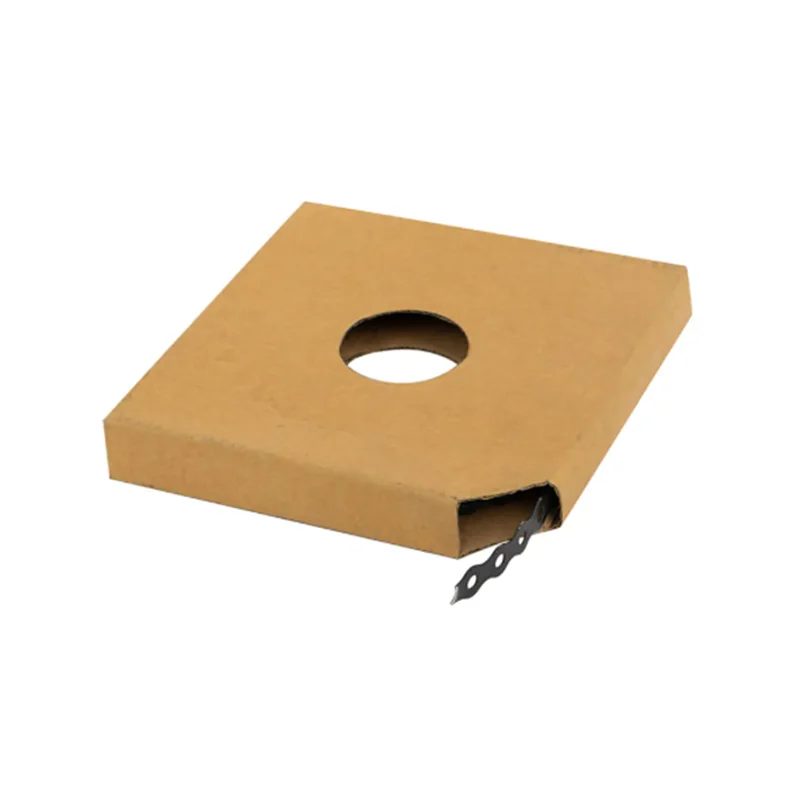
Epoxy coated bands are stainless steel banding straps covered with a durable epoxy coating. The coating creates an additional protective barrier between the metal band and the surrounding environment, enhancing resistance to corrosion, abrasion, and weather-related damage.
These bands are commonly used for:
Pole-mounted equipment installation
Cable and conduit management
Sign mounting
Telecommunications hardware attachment
Utility line accessories
Traffic and municipal infrastructure
Their combination of strength and protection makes them ideal for long-term outdoor applications.
Challenges Faced by Utility Installations
Utility infrastructure is continuously exposed to environmental and operational stresses that can shorten service life if not properly managed.
Common challenges include:
Corrosion
Moisture, humidity, rain, and salt exposure can gradually corrode metal components, weakening fastening systems over time.
UV Exposure
Prolonged sunlight can degrade certain materials and coatings, reducing their effectiveness.
Temperature Extremes
Utility equipment often experiences freezing winters, hot summers, and rapid temperature fluctuations.
Mechanical Vibration
Wind, traffic, and operational equipment generate vibrations that can loosen or damage inadequate fastening solutions.
Chemical Exposure
Industrial and coastal environments may expose infrastructure to chemicals, pollutants, and salt spray that accelerate deterioration.
Epoxy coated bands are specifically designed to address these challenges.
Enhanced Corrosion Protection
One of the most significant ways epoxy coated bands extend installation lifespan is through superior corrosion resistance.
The epoxy coating acts as a protective shield that:
Prevents direct contact between metal and moisture
Reduces exposure to salt and chemicals
Minimizes oxidation and rust formation
Protects against environmental contaminants
This added layer of defense helps maintain the structural integrity of both the band and the mounted equipment over many years.
Reduced Galvanic Corrosion
Galvanic corrosion can occur when dissimilar metals come into direct contact in the presence of moisture.
For example:
Stainless steel bands securing aluminum hardware
Metal brackets mounted on galvanized poles
Mixed-metal utility assemblies
The epoxy coating serves as an insulating barrier, reducing metal-to-metal contact and helping prevent galvanic corrosion. This protection can significantly increase the lifespan of utility hardware and support structures.
Improved Resistance to Harsh Weather Conditions
Utility infrastructure must operate reliably regardless of weather conditions.
Epoxy coated bands offer excellent resistance to:
Heavy rain
Snow and ice
High humidity
UV radiation
Temperature fluctuations
Wind-driven debris
By protecting the underlying stainless steel, the coating helps preserve the band’s performance even in demanding outdoor environments.
Protection Against Surface Damage
During installation and operation, bands may encounter friction, impact, and abrasion.
The epoxy coating helps:
Reduce surface scratches
Protect against mechanical wear
Minimize coating damage on attached equipment
Improve long-term appearance
This additional durability contributes to a longer service life for the entire installation.
Lower Maintenance Requirements
Maintenance is one of the largest ongoing expenses for utility operators.
Because epoxy coated bands offer superior environmental protection, they help reduce:
Inspection frequency
Repair costs
Component replacement
Emergency maintenance visits
The result is a more cost-effective infrastructure system with fewer service interruptions.
Increased Reliability of Pole-Mounted Equipment
Utility poles support a wide range of critical equipment, including:
Transformers
Fiber optic distribution boxes
Cable brackets
Street lighting controls
Communication devices
Warning and identification signs
A secure fastening system is essential for keeping these components properly positioned and functioning safely. Epoxy coated bands maintain their strength and stability over time, helping prevent equipment movement or failure.
Ideal for Coastal and Industrial Environments
Coastal regions and industrial zones present some of the harshest conditions for utility infrastructure.
Challenges include:
Salt-laden air
Chemical pollutants
High humidity
Accelerated corrosion
Epoxy coated bands provide an extra layer of protection beyond standard stainless steel, making them particularly valuable in these aggressive environments.
Supporting Long-Term Infrastructure Investment
Utility infrastructure projects are designed with long service life expectations, often spanning decades. Selecting durable fastening materials is a key part of maximizing return on investment.
Epoxy coated bands contribute to long-term asset protection by:
Extending hardware lifespan
Reducing lifecycle costs
Improving system reliability
Minimizing unexpected failures
Supporting preventive maintenance strategies
These benefits help utilities maintain operational efficiency while controlling maintenance budgets.
Common Applications of Epoxy Coated Bands
Utility companies commonly use epoxy coated bands for:
Electrical Distribution Networks
Pole hardware installation
Transformer mounting
Cable support systems
Telecommunications Infrastructure
Fiber optic equipment attachment
Communication cabinet mounting
Antenna support systems
Transportation and Municipal Projects
Traffic sign installation
Surveillance camera mounting
Street lighting hardware support
Renewable Energy Facilities
Solar equipment mounting
Cable management systems
Monitoring device installation
Conclusion
Epoxy coated bands play an important role in extending the lifespan of utility installations by providing superior protection against corrosion, weather exposure, mechanical wear, and galvanic reactions. Their ability to enhance durability while reducing maintenance requirements makes them a smart choice for power utilities, telecommunications providers, municipalities, and infrastructure contractors.
As utility networks continue to expand and modernize, investing in high-quality epoxy coated banding solutions can help ensure long-term performance, lower operating costs, and improve overall infrastructure reliability.
FAQ
What is the main advantage of epoxy coated bands?
The primary advantage is enhanced protection against corrosion, weather exposure, and mechanical damage, resulting in longer service life.
Are epoxy coated bands better than standard stainless steel bands?
In harsh environments such as coastal or industrial areas, epoxy coated bands provide additional protection that can significantly improve long-term performance.
Can epoxy coated bands prevent galvanic corrosion?
Yes. The epoxy coating acts as an insulating layer that reduces direct contact between dissimilar metals, helping prevent galvanic corrosion.
Where are epoxy coated bands commonly used?
They are widely used in utility poles, telecommunications infrastructure, traffic systems, municipal projects, and renewable energy installations.
Do epoxy coated bands require special maintenance?
Generally, they require minimal maintenance due to their excellent resistance to corrosion and environmental wear, making them a cost-effective long-term fastening solution.