



Best Practices for Installing Full Epoxy Coated Cable Ties
Introduction
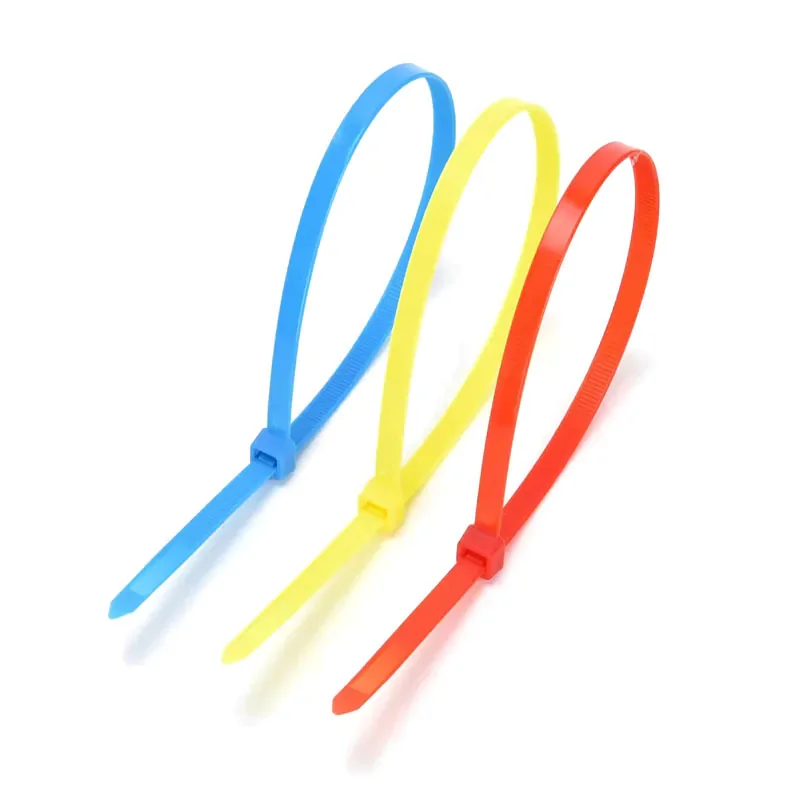
Full epoxy coated cable ties are widely used in demanding industrial environments where strength, corrosion resistance, and long-term reliability are essential. Commonly found in industries such as oil and gas, marine engineering, power generation, telecommunications, chemical processing, and transportation infrastructure, these cable ties combine the tensile strength of stainless steel with the protective benefits of a durable epoxy coating.
However, even the highest-quality cable tie can fail to deliver optimal performance if it is installed incorrectly. Improper installation may result in cable damage, premature wear, reduced corrosion protection, and unnecessary maintenance costs.
Understanding Full Epoxy Coated Cable Ties
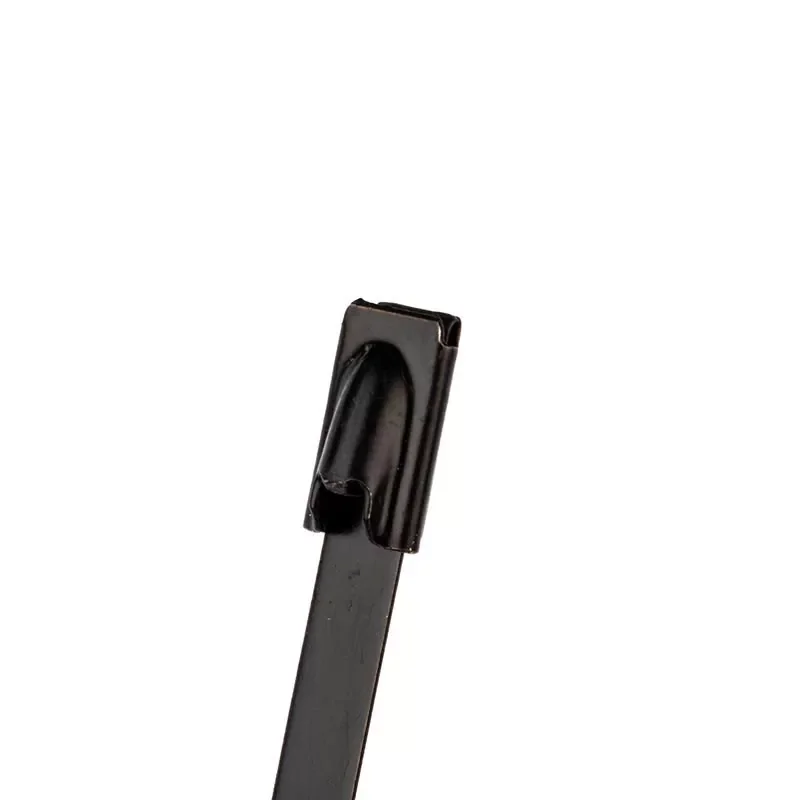
Before discussing installation techniques, it is important to understand the construction of full epoxy coated cable ties.
These cable ties typically consist of:
Stainless steel (usually SS304 or SS316)
A fully encapsulating epoxy coating
A self-locking ball lock or ladder locking mechanism
The epoxy coating serves several purposes:
Enhances corrosion resistance
Protects cable insulation
Reduces galvanic corrosion risks
Improves handling safety
Provides additional environmental protection
Proper installation helps preserve these benefits throughout the product’s service life.
Why Proper Installation Matters
Many cable management failures occur not because of poor product quality but because of installation errors.
Incorrect installation can lead to:
Damaged cable jackets
Overstressed cable bundles
Loose connections
Premature coating wear
Reduced vibration resistance
Increased maintenance requirements
By following established installation practices, operators can significantly improve system reliability.
1. Select the Right Cable Tie for the Application
The first step toward successful installation is choosing the correct cable tie.
Consider Environmental Conditions
Different applications may require different material grades.
SS304 Epoxy Coated Cable Ties
Recommended for:
Indoor industrial environments
Manufacturing facilities
General electrical installations
SS316 Epoxy Coated Cable Ties
Recommended for:
Offshore platforms
Marine environments
Chemical processing plants
Coastal infrastructure
SS316 provides superior resistance to chlorides and aggressive chemicals.
Choose the Correct Length and Width
The cable tie should comfortably fit around the cable bundle while allowing sufficient overlap for secure locking.
Using an undersized tie can:
Reduce holding strength
Increase stress on the locking mechanism
Complicate installation
2. Inspect Cable Ties Before Installation
Before use, inspect cable ties for signs of damage.
Check for:
Cracks in the epoxy coating
Scratches exposing bare metal
Bent tie bodies
Damaged locking heads
Manufacturing defects
Using damaged cable ties can compromise performance and corrosion resistance.
3. Organize and Prepare Cable Bundles
Proper cable arrangement is critical before tightening any cable tie.
Group Similar Cables Together
Separate cables according to:
Function
Voltage level
Signal type
Service requirements
This improves maintenance accessibility and reduces the risk of interference.
Align Cables Properly
Ensure cables are:
Straight
Evenly distributed
Free from twists
Properly supported
Neat cable organization promotes better long-term system reliability.
4. Use the Appropriate Installation Tool
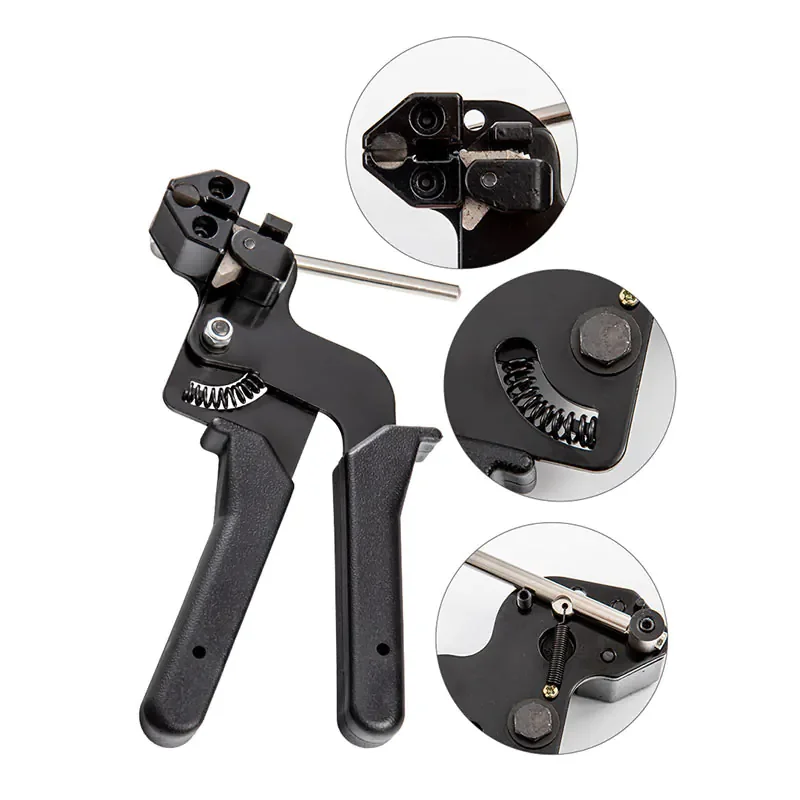
Although small installations may be completed manually, professional installations should use dedicated cable tie tensioning tools.
Benefits of Tensioning Tools
Consistent tightening force
Improved installation speed
Cleaner tie cut-off
Reduced risk of over-tightening
Enhanced installation quality
For large industrial projects, tensioning tools help maintain consistent installation standards across all cable assemblies.
5. Avoid Over-Tightening
One of the most common installation mistakes is applying excessive tension.
Over-tightening can:
Damage cable insulation
Deform cable jackets
Stress fiber optic cables
Accelerate wear caused by vibration
Recommended Practice
Tighten the cable tie firmly enough to secure the bundle without compressing the cables excessively.
The cables should remain stable while retaining their natural shape.
6. Position the Locking Head Correctly
The placement of the locking head can affect both performance and accessibility.
Best Practices
Position the locking mechanism:
Away from sharp edges
In an accessible inspection location
Away from high-contact areas
So that it does not interfere with adjacent equipment
Proper positioning improves future maintenance and inspection activities.
7. Maintain Proper Spacing Between Cable Ties
Using too few cable ties can allow cables to sag or move excessively.
Using too many may increase installation costs unnecessarily.
General Guidelines
Spacing depends on:
Cable size
Bundle weight
Environmental conditions
Vibration levels
Applications exposed to heavy vibration may require closer spacing than static installations.
Common examples include:
Offshore platforms
Pump stations
Compressor systems
Transportation infrastructure
8. Protect Cable Ties from Sharp Edges
Although epoxy coating improves protection, cable ties should not be installed directly against sharp or abrasive surfaces whenever possible.
Potential hazards include:
Metal edges
Structural steel corners
Rough welds
Abrasive support brackets
Consider using:
Edge protection
Cable trays
Protective sleeves
Support brackets
This helps preserve the integrity of both the cable tie and the cable bundle.
9. Account for Thermal Expansion and Contraction
Industrial facilities often experience significant temperature fluctuations.
Examples include:
Outdoor installations
Refineries
Power plants
Solar energy facilities
Cables naturally expand and contract as temperatures change.
Installation Tip
Allow sufficient flexibility within cable runs to accommodate thermal movement.
Overly rigid cable restraint can create unnecessary stress on cables and fastening systems.
10. Minimize Exposure to Mechanical Damage During Installation
Avoid dragging cable ties across rough surfaces before installation.
Protect the epoxy coating from:
Abrasion
Impact damage
Excessive bending
Sharp tools
Maintaining coating integrity is essential for long-term corrosion protection.
11. Perform Post-Installation Inspection
After installation, inspect each cable tie and cable bundle.
Verify:
Proper locking engagement
Consistent tension
Correct positioning
Intact epoxy coating
Secure cable support
A final inspection can identify issues before the system is placed into operation.
12. Establish a Preventive Maintenance Program
Even high-performance cable ties benefit from routine inspection.
Periodic maintenance helps identify:
Environmental wear
Mechanical damage
Vibration-related loosening
Unexpected corrosion sources
Facilities operating in harsh environments should include cable management systems in their regular maintenance schedules.
Common Installation Mistakes to Avoid
Over-Tightening the Tie
Can damage cable insulation and reduce cable life.
Using the Wrong Material Grade
Choosing SS304 instead of SS316 in marine environments may shorten service life.
Ignoring Environmental Conditions
Chemical exposure, UV radiation, and saltwater should all influence product selection.
Reusing Cable Ties
Stainless steel cable ties are generally designed for single-use installation.
Reusing ties may compromise locking performance.
Failing to Inspect the Coating
Damaged epoxy coating can expose the stainless steel substrate to environmental contaminants.
Industries That Benefit from Proper Installation Practices
Correct installation is particularly important in:
Oil and Gas
Offshore platforms
Refineries
LNG terminals
Pipeline systems
Marine and Shipbuilding
Vessel electrical systems
Navigation equipment
Deck cable management
Power Generation
Power plants
Solar farms
Wind energy installations
Telecommunications
Communication towers
Fiber optic networks
Data infrastructure
Chemical Processing
Production facilities
Storage terminals
Hazardous process areas
Long-Term Benefits of Proper Installation
Following best installation practices provides numerous advantages:
Longer cable tie lifespan
Improved corrosion resistance
Better cable protection
Reduced maintenance costs
Increased worker safety
Greater system reliability
Lower total ownership costs
For critical industrial applications, proper installation is just as important as selecting a high-quality cable tie.
Conclusion
Full epoxy coated cable ties offer exceptional performance in harsh industrial environments, but their effectiveness depends heavily on correct installation. By selecting the appropriate material grade, using proper tensioning techniques, protecting the epoxy coating, and conducting routine inspections, operators can maximize the lifespan and reliability of their cable management systems.
Whether used in offshore platforms, chemical plants, telecommunications networks, or power generation facilities, following these best practices helps ensure that full epoxy coated cable ties deliver the durability, corrosion resistance, and long-term performance they were designed to provide.