



PVC Coated Cable Ties vs. Nylon:Which one is right for Your Business
Selecting the right fastening solution is vital for operational safety and project longevity. While nylon cable ties are common for household tasks, high-stakes industrial projects often require the superior strength of PVC coated cable ties. At Xinxing Stainless Steel Cable Tie, we understand that businesses need reliable components that withstand time and harsh elements. This guide compares both materials to help you decide which is best for your specific business environment, focusing on durability, cost, and safety to ensure your infrastructure remains secure for years to come.
Strength and Load Capacity for Industrial Use
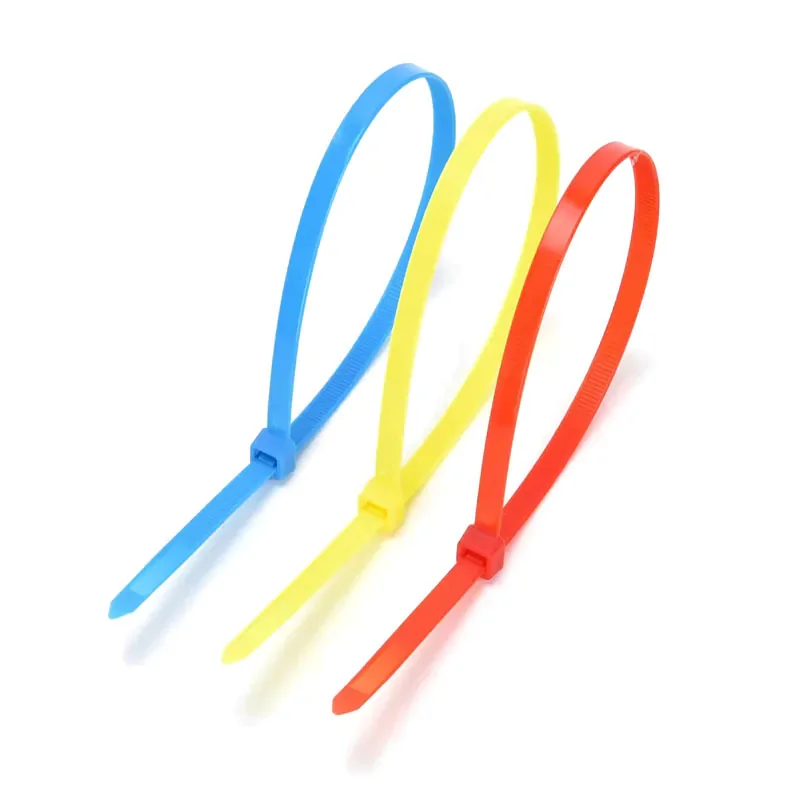
When it comes to raw mechanical strength, the difference between materials is significant. Nylon cable ties are generally made from plastic polymers, which offer enough tension for light office organization or temporary bundling. However, for industrial cable management, businesses often face much higher loads. A PVC coated stainless steel tie utilizes a metal core, providing a tensile strength that can be ten times higher than standard nylon. This makes them indispensable for securing heavy-duty pipes or high-voltage power cables where a failure could lead to dangerous accidents or costly downtime.

Beyond the weight they can hold, the structural integrity under stress is a key factor. Nylon tends to “creep” or stretch over time when subjected to constant tension, eventually leading to a loose connection. In contrast, the stainless steel core in our products at Xinxing Stainless Steel Cable Tie does not stretch. The PVC coating adds a layer of friction that helps the tie grip the bundle without slipping, ensuring that once a connection is made, it stays tight regardless of the mechanical stress applied.
Environmental Resistance and Longevity
Environmental factors are the primary cause of fastener failure. Standard nylon ties are hygroscopic, meaning they absorb and lose moisture. In dry or freezing conditions, nylon becomes extremely brittle and can snap with the slightest touch. Furthermore, UV radiation from the sun breaks down the molecular bonds in plastic, a process known as photo-degradation. If your business involves outdoor installations, such as solar farms or telecommunications towers, nylon ties may require replacement every 12 to 24 months, increasing your maintenance labor costs.
PVC coated cable ties are engineered to solve these environmental weaknesses. The PVC layer acts as a chemical shield, protecting the stainless steel core from saltwater, acids, and intense UV exposure. Because the core is metal, it is completely unaffected by temperature fluctuations, maintaining its strength in both sub-zero arctic conditions and extreme desert heat. This makes them the ultimate weatherproof cable ties for marine, oil and gas, and outdoor infrastructure projects where longevity is a non-negotiable requirement.
Strategic Comparison of Fastening Materials
Choosing the right tie involves balancing performance with application needs. The table below provides a side-by-side comparison of how these materials perform across various industrial metrics.
| Feature | PVC Coated Stainless Steel Ties | Standard Nylon Cable Ties |
| Material Base | 304/316 Stainless Steel | Nylon 66 (Polyamide) |
| Tensile Strength | Up to 350 lbs+ | 18 lbs – 120 lbs |
| UV Resistance | Excellent (Outdoor 20+ years) | Poor (Brittle in 1-2 years) |
| Chemical Resistance | High (Resists oils, salts, acids) | Low (Damaged by many chemicals) |
| Operating Temp | -40°C to +150°C | -40°C to +85°C |
| Ideal Use Case | Marine, Mining, Solar, Heavy Industry | Indoor Office, Temporary Events |
As illustrated in the table, the performance gap is widest in harsh environments. While the initial unit cost of heavy duty cable ties made of steel is higher than nylon, the “Total Cost of Ownership” is often lower. For a business, replacing 1,000 snapped nylon ties every year—including the cost of specialized labor and potential system outages—is far more expensive than installing a permanent stainless steel solution once. The PVC coating specifically ensures that even as a “hard” fastener, it remains “soft” on cable jackets, preventing the sharp edges of bare metal from cutting into sensitive wiring.
Safety and Compliance Considerations
In many industries, safety regulations dictate the type of fasteners allowed. For example, in the event of a fire, nylon ties melt and release toxic fumes, often causing cables to drop and block emergency exits. Stainless steel ties are fire-resistant and will maintain their hold even at extreme temperatures, keeping critical systems upright. Furthermore, the PVC coating used by Xinxing Stainless Steel Cable Tie is often flame-retardant and non-toxic, providing an extra layer of safety for indoor industrial installations like data centers or manufacturing plants.
Using the correct tie also impacts the physical safety of workers. Nylon ties, when cut, often leave behind a sharp plastic “tail” that can cause lacerations. Our PVC coated ties are designed to be used with a tensioning tool that leaves a smooth, flush finish. The coating itself rounds out the edges of the steel, making them much safer for technicians to handle during installation and maintenance, reducing the risk of workplace injuries during routine inspections.
FAQs
Why should I choose PVC coated over uncoated stainless steel ties?
The PVC coating prevents galvanic corrosion when the tie touches a different type of metal. It also protects soft cable insulation from being cut by the metal edges, making it safer for delicate wiring.
Can nylon ties be used outdoors at all?
Only if they are specifically labeled as “UV Stabilized” (usually black). However, even UV-stabilized nylon has a significantly shorter lifespan compared to the 20+ years offered by PVC coated cable ties.
Is a special tool required for stainless steel ties?
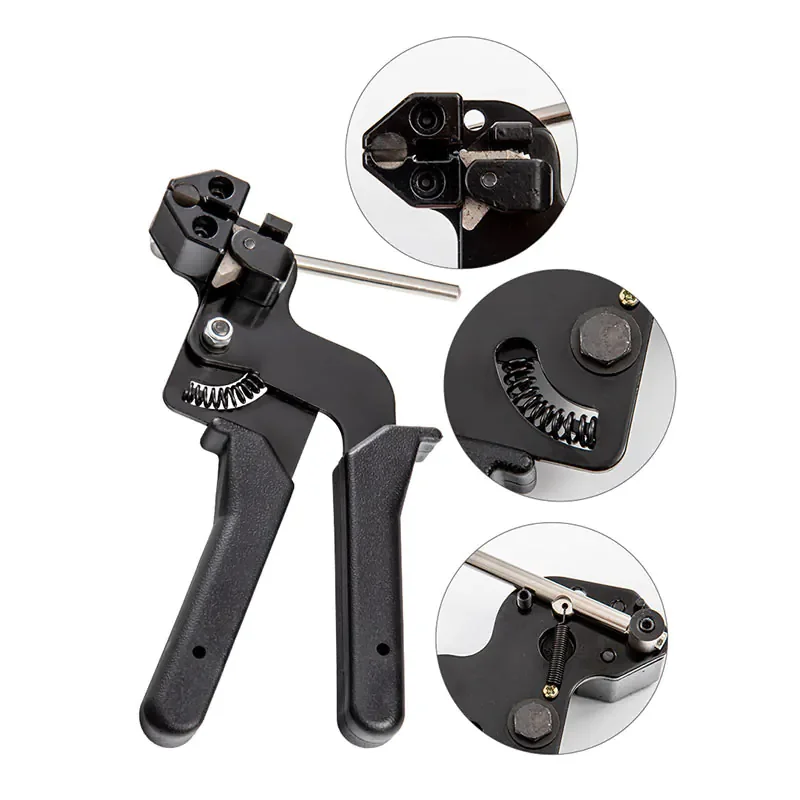
While they can be tightened by hand, a professional stainless steel cable tie tool is highly recommended. It ensures the correct tension is reached and cuts the excess strap cleanly without leaving sharp burrs.
Conclusion
The choice between PVC coated cable ties and nylon depends on your environment. For simple indoor tasks, nylon is sufficient; however, for industrial, marine, or outdoor applications, stainless steel is the only reliable choice. Investing in high-quality fasteners from Xinxing Stainless Steel Cable Tie ensures your business avoids the costs of frequent repairs and the risks of structural failure. Don’t let a weak link compromise your project. Contact Xinxing Stainless Steel Cable Tie today to find the perfect heavy-duty solution for your business!