



What is Coated Cable Ties and How it Works
In the challenging environments of offshore oil rigs, chemical processing plants, and high-voltage electrical substations, standard fasteners often fail to meet the rigorous demands of safety and durability. When ordinary nylon ties succumb to UV degradation and bare stainless steel ties risk damaging delicate cable jackets, industry professionals turn to coated cable ties. These specialized fasteners represent the pinnacle of cable management technology, combining the structural might of metal with the protective resilience of advanced polymers.
At Xinxing Cable Tie Supplier, we recognize that modern infrastructure requires more than just a “hold.” It requires a solution that prevents corrosion, ensures electrical insulation, and protects the hands of the installers. This guide explores the intricate world of coated cable ties—what they are made of, the physics behind their locking mechanisms, and why they are the preferred choice for mission-critical applications worldwide.
What Exactly are Coated Cable Ties?
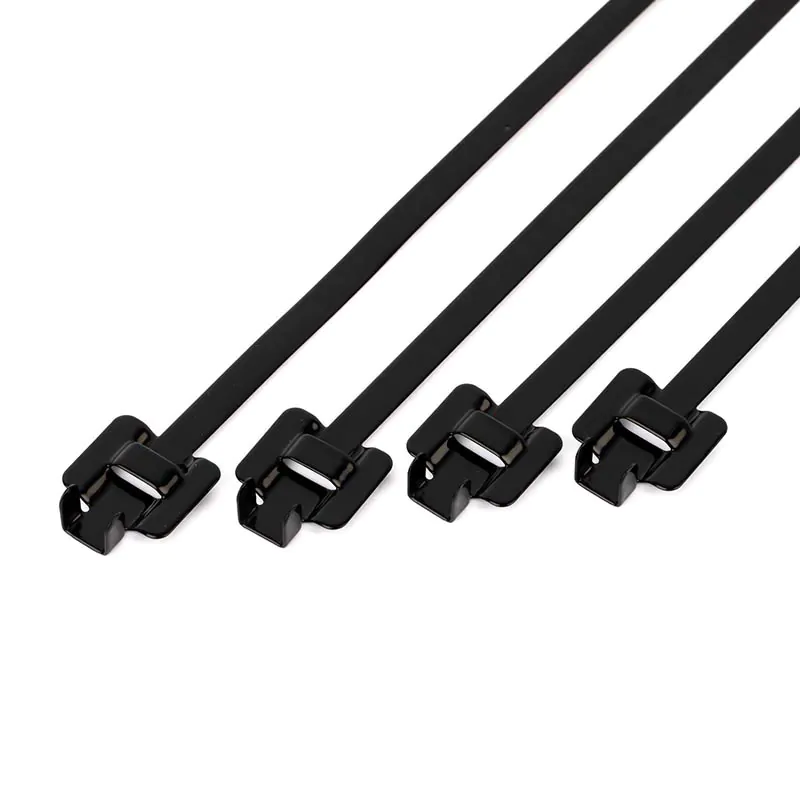
Coated cable ties are essentially a hybrid fastening solution. At their core lies a high-tensile strap made from Grade 304 or Grade 316 stainless steel. This metal provides the “bone” of the tie, offering immense tensile strength that can hold hundreds of pounds without stretching or snapping. However, bare metal can be abrasive. To solve this, a uniform layer of protective material—typically Polyester, Epoxy, or PVC—is applied to the surface of the metal strap.
The coating process can be achieved through various industrial methods, such as powder coating or extrusion. This layer acts as a “skin,” shielding the stainless steel from direct contact with harsh chemicals, saltwater, and the cables themselves. By adding this polymer layer, the tie gains new properties: it becomes smoother to handle, provides a degree of vibration dampening, and eliminates the risk of “galvanic corrosion” (a chemical reaction that occurs when two different metals touch in a moist environment).
The Materials: Understanding the Coating Options
Not all coatings are designed for the same task. Depending on your project’s specific “threats,” you must choose a coating material that aligns with your environmental needs.
| Coating Material | Common Application | Temperature Range | Key Benefit |
| Polyester Coating | Outdoor / Marine | -60°C to +150°C | Superior UV resistance and salt spray protection. |
| Epoxy Coating | Chemical Plants | -50°C to +150°C | Excellent chemical and abrasion resistance. |
| PVC (Vinyl) Coating | Electrical Work | -40°C to +105°C | Best for electrical insulation and soft-touch handling. |
| PPA (Polyamide) | Heavy Industry | -60°C to +100°C | Extremely durable and resistant to cracking in cold. |
The Strength of Polyester Coatings
As shown in the table, Polyester is the most widely utilized coating for general-purpose industrial use. It is particularly valued for its “weatherability.” In the solar energy sector, where ties are exposed to relentless sun and rain for 25 years, polyester-coated stainless steel ties from Xinxing remain intact while others crack. The polyester layer creates a non-toxic, halogen-free barrier that reflects UV radiation and prevents the underlying steel from heating up excessively in direct sunlight.
The Chemical Shield of Epoxy
For environments like refineries or wastewater treatment facilities, Epoxy is the superior choice. Epoxy is a thermosetting polymer that creates a very hard, thin layer over the steel. While it is slightly less flexible than polyester, it offers the highest resistance to acidic and alkaline substances. This makes it the “go-to” for fastening pipes and cables that might come into contact with aggressive industrial solvents. It provides a “slippery” surface that makes it difficult for corrosive deposits to take hold.
How Coated Cable Ties Work: The Mechanics of Security
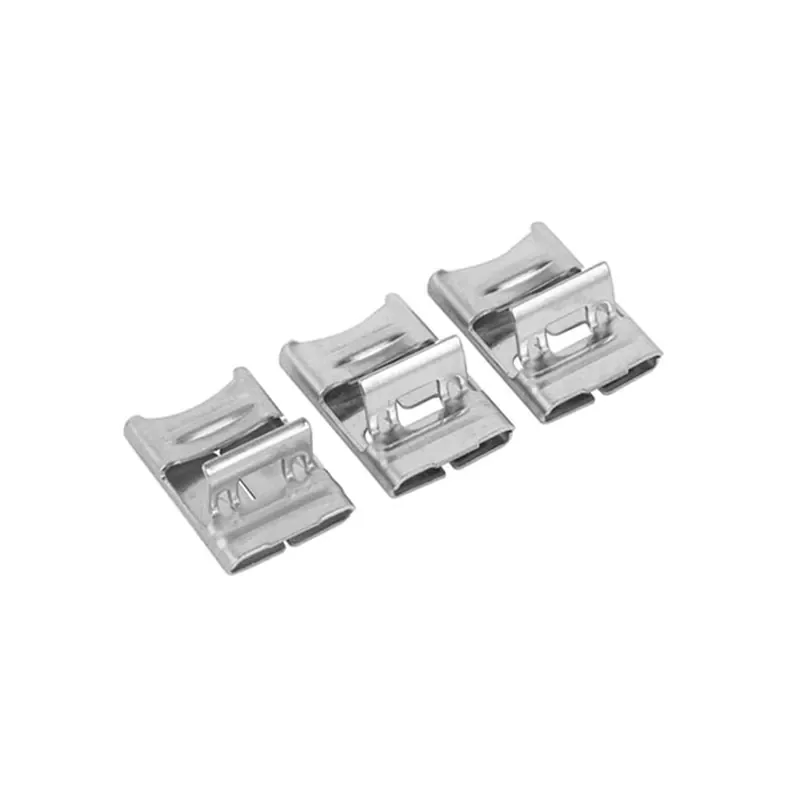
The “magic” of a coated cable tie lies in its locking head. Most coated metal ties utilize a ball-bearing locking mechanism. This is a self-locking design that requires no manual clicking or ratcheting.
Inside the tapered head of the tie is a small, high-precision stainless steel ball. As you insert the tail of the coated strap into the head, the ball moves freely, allowing the strap to slide through with minimal resistance. However, the moment you stop pulling and the strap tries to move backward, the ball is forced into a narrow “wedge” within the head. This action locks the strap firmly in place. The more tension applied, the tighter the ball grips the strap.
The Role of the Coating in the Locking Process
A common question we receive at Xinxing is: “Does the coating interfere with the lock?” The answer lies in the engineering. High-quality coated ties are designed such that the ball bearing can bite through or firmly compress the coating to reach the metal core. In some designs, the very tip of the tie is left uncoated to facilitate easier entry into the locking head. Once the ball engages, the coating acts as a “gasket,” filling any microscopic gaps and preventing the entry of moisture into the locking chamber, which further enhances the tie’s lifespan.
Coated vs. Uncoated: A Technical Comparison
While bare stainless steel ties are excellent for pure heat resistance, coated ties offer several practical advantages that bare metal cannot provide.
| Feature | Uncoated Stainless Steel Ties | Coated Stainless Steel Ties |
| Cable Jacket Safety | Risk of cutting into insulation | Soft edges; no risk of cable damage |
| Galvanic Corrosion | High risk if touching different metals | Zero risk; coating provides an ionic barrier |
| Installer Safety | Sharp edges can cause cuts | Smooth, rounded edges for safe handling |
| Vibration Resistance | Can “rattle” or loosen slightly | Coating provides dampening and grip |
| Electrical Insulation | Conductive | Provides a layer of insulation |
Protecting the Cable Integrity
The data in Table 2 highlights the most critical reason for choosing coated ties: cable protection. In high-vibration environments, such as on a railway bridge or near a heavy generator, a bare metal tie can act like a slow-moving saw. Over months of vibration, the sharp edges of the metal strap can slice through the rubber or PVC insulation of a power cable, leading to a catastrophic short circuit. The coating on Xinxing’s ties acts as a cushion, distributing the pressure evenly around the cable’s circumference and preventing any sharp-edge contact.
Preventing Galvanic Corrosion
In the marine industry, galvanic corrosion is a constant threat. When stainless steel comes into contact with another metal (like an aluminum mounting rack) in the presence of saltwater, an electric current is generated that eats away at the weaker metal. This can cause the mounting structure to fail even if the tie itself remains strong. Coated cable ties eliminate this “metal-to-metal” contact entirely. The polymer layer acts as an insulator, breaking the electrical circuit and ensuring that your entire assembly remains structurally sound for decades.
Why Environmental “EEAT” Matters in Selection
When we talk about EEAT (Experience, Expertise, Authoritativeness, and Trustworthiness) in the context of industrial fasteners, it comes down to certifications and material sourcing. At Xinxing Cable Tie Supplier, we don’t just “apply paint” to a metal strap. Our coating process is an engineered science.
We ensure that our coated ties are UL-listed (Underwriters Laboratories) and comply with RoHS (Restriction of Hazardous Substances) standards. This means that our coatings do not contain toxic chemicals that could leach out in a fire or a marine environment. Furthermore, our Grade 316 stainless steel is verified for its molybdenum content, ensuring it is true marine-grade material. Trusting your infrastructure to a certified supplier like Xinxing means you are choosing a partner that understands the high stakes of industrial safety.
Step-by-Step: How to Install Coated Cable Ties Correctly
While you can technically tighten a coated metal tie by hand, it is not recommended for professional applications. To achieve the rated tensile strength and ensure the ball-lock is fully engaged, a specialized tensioning tool should be used.
-
Selection: Choose a tie with a coating that matches your temperature and chemical environment.
-
Threading: Wrap the tie around the bundle and insert the tail into the locking head. Pull it hand-tight.
-
Tensioning: Use a stainless steel cable tie gun. Hook the tool onto the tail and squeeze the trigger. The tool will apply a consistent, pre-set amount of tension.
-
Flushing: Once the desired tension is reached, the tool will automatically cut the tail. High-quality tools leave a “flush” cut, meaning there is no sharp protruding metal left behind.
-
Inspection: Check that the coating has not been excessively bunched or torn at the head, as this ensures the seal remains intact.
Industry-Specific Use Cases
1. Oil, Gas, and Petrochemical
In refineries, the air is often thick with corrosive vapors. Bare steel would eventually “pit” and weaken. Epoxy-coated ties are the standard here because they can withstand exposure to crude oil, cleaning solvents, and extreme heat while maintaining a secure grip on heavy-duty piping and sensor lines.
2. Marine and Offshore
Offshore wind farms and ships face the most aggressive environment on Earth: salt spray and constant UV. Polyester-coated 316 stainless steel ties from Xinxing are the industry benchmark in these sectors. They provide the necessary salt resistance while the coating prevents the salt from “locking” the mechanism through mineral buildup.
3. Electrical and Infrastructure
In high-voltage cabinets, the non-conductive nature of the tie’s coating provides an extra layer of safety for technicians. Furthermore, for outdoor street lighting and telecommunications, coated ties ensure that the fasteners don’t rust and leave unsightly “bleeding” stains on concrete or metal poles.
Why Choose Xinxing Cable Tie Supplier?
When you source your fasteners from Xinxing, you are investing in a product that has been tested under the most grueling conditions. Our coated cable ties are engineered for maximum grip and zero-fail performance.
-
Premium Steel Core: We use only verified 304 and 316 stainless steel, never recycled “mystery” alloys.
-
Uniform Coating Thickness: Our advanced manufacturing process ensures that the coating is consistent from the head to the tail, preventing weak spots.
-
Extreme Load Capacity: Our heavy-duty coated ties can handle loads up to 350 lbs (160 kg) or more, depending on width.
-
Global Shipping: We support projects on every continent, providing the documentation and consistency required for international contracts.
FAQs
1. Can coated cable ties be reused?
No. Much like standard nylon zip ties, coated stainless steel ties are designed for a permanent, one-time installation. Once the ball-bearing locks into the strap, it cannot be released without cutting the tie.
2. Are coated cable ties UV resistant?
Yes, especially those coated with Polyester. Polyester is specifically chosen for its ability to withstand intense sunlight without becoming brittle or discolored, making these ties ideal for solar farms and outdoor utility poles.
3. Do I really need a tool to install them?
While you can pull them tight by hand, you will not achieve the maximum rated tensile strength. Using a professional tensioning tool ensures the ball-lock is fully engaged and cuts the tail flush, preventing sharp edges that could cause injury.
4. Are coated cable ties better than bare stainless steel ties?
In most “active” environments, yes. They are better because they prevent galvanic corrosion, protect the cable’s outer jacket from being cut, and are safer for installers to handle. Bare ties are only preferred in extremely high-heat applications (above 300°C) where the polymer coating might melt.
5. What is the difference between 304 and 316 stainless steel cores?
Grade 304 is great for general outdoor use. Grade 316 contains Molybdenum, which makes it “Marine Grade” and resistant to pitting from saltwater and harsh chlorides. For offshore or coastal work, always choose 316.
6. Is the coating toxic if it catches fire?
At Xinxing, our coated ties are halogen-free. This means that in the event of a fire, they do not release toxic, corrosive gases, making them safe for use in confined spaces like tunnels, ships, and data centers.
Conclusion
Coated cable ties are the ultimate solution for those who refuse to compromise on safety or longevity. By marrying the indomitable strength of stainless steel with the protective qualities of advanced polymers like Polyester and Epoxy, these fasteners solve the two greatest weaknesses of bare metal: abrasion and corrosion. Whether you are protecting a billion-dollar offshore asset or simply ensuring the safety of a municipal electrical grid, coated ties offer the “peace of mind” that only high-performance engineering can provide.Coated cable ties consist of a stainless steel core protected by a polymer layer (PVC, Epoxy, or Polyester). They work via a ball-bearing locking mechanism and are essential for preventing galvanic corrosion, protecting cable insulation, and ensuring installer safety in harsh industrial and marine environments.
Secure your next project with Xinxing!
Don’t let corrosion or cable damage compromise your work. Visit Xinxing Cable Tie Supplier today to browse our extensive inventory of high-performance coated cable ties. Our team is ready to provide you with the professional-grade fasteners you need—contact us for a quote today!