



Nylon or Stainless Steel Cable Ties: How To Decide for Your Business
In the modern industrial landscape, the smallest components often play the most critical roles in maintaining structural integrity and operational safety. Cable ties, frequently referred to as zip ties, are the essential fasteners that hold together everything from delicate fiber optic lines to heavy-duty industrial piping. However, for a business owner or a procurement manager, the choice is rarely as simple as picking a generic tie off a shelf. The debate between Nylon and Stainless Steel cable ties is a matter of matching material science with environmental reality.
At Xinxing Cable Tie Supplier, we understand that every industry—whether it be telecommunications, marine engineering, or food processing—has unique demands. Choosing the wrong fastener doesn’t just lead to a broken bundle; it can lead to expensive downtime, safety violations, and increased labor costs. This guide will provide a comprehensive, expert-level analysis to help your business decide which material is the right investment for your specific needs.
The Fundamentals: Material Science and Core Properties
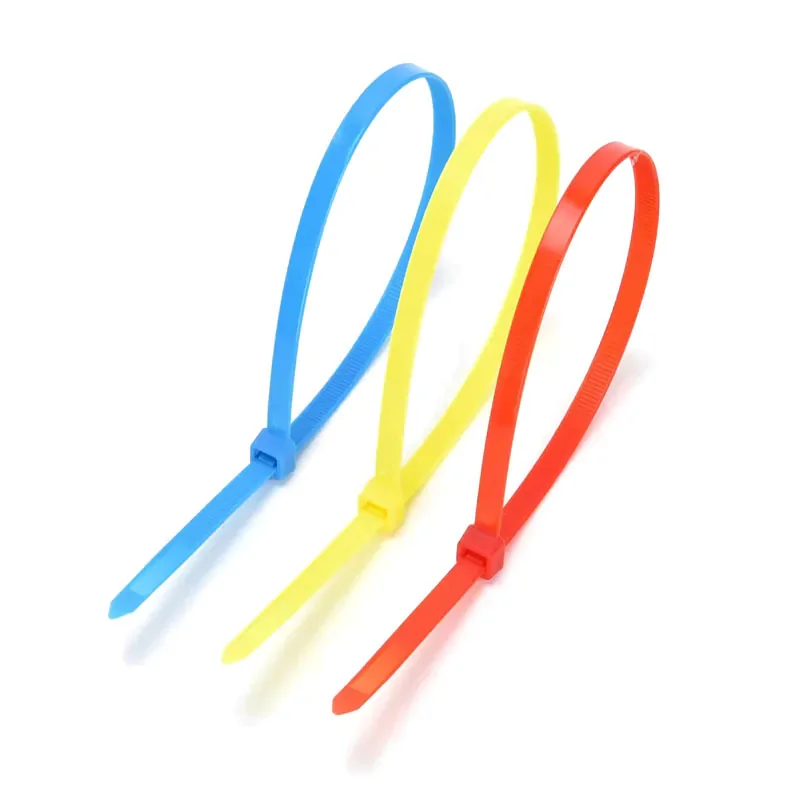
To make an informed decision, one must first understand what these materials are at a molecular level. Most high-quality plastic ties are made from Nylon 6.6 (Polyamide 66). This material is a favorite in the manufacturing world because of its impressive strength-to-weight ratio and its inherent flexibility. Nylon is a “hygroscopic” material, meaning it absorbs and releases moisture to maintain its physical properties. When properly conditioned, it is incredibly resilient, but in extremely dry or desert-like conditions, it can become brittle if not specifically treated.
Stainless Steel ties, on the other hand, are typically manufactured from either Grade 304 or Grade 316 steel. Grade 304 provides excellent general-purpose corrosion resistance, while Grade 316 contains molybdenum, which makes it significantly more resistant to chlorides (like salt water) and industrial chemicals. Unlike nylon, steel does not absorb moisture and does not degrade when exposed to the vacuum of space or the intense heat of an engine manifold. It is an inorganic material that offers a level of permanence that no polymer can replicate.
Comparison Table 1: Physical and Structural Characteristics
| Feature | Nylon 6.6 Cable Ties | Stainless Steel (304/316) Ties |
| Flexibility | High – can bend around tight radii | Low – rigid and unyielding |
| Weight | Very Lightweight | Heavy-duty / High Density |
| Locking Mechanism | Ratchet and Pawl (Integrated) | Ball-Bearing Lock (Self-locking) |
| Electrical Conductivity | Non-Conductive (Insulator) | Highly Conductive (unless coated) |
| Color Variety | Wide range (Natural, Black, Colors) | Metallic Silver (or Epoxy Coated) |
The architectural difference in the locking mechanisms is a key takeaway from the table above. Nylon ties utilize a plastic “tooth” that clicks into a serrated strap. This allows for a very precise, “stepped” tightening process that can be done by hand. Stainless steel ties, however, typically use a stainless steel ball-bearing within a tapered housing. As the strap is pulled through, the ball locks into place, creating a grip that is virtually impossible to undo without cutting. This makes steel ties a “high-security” option, whereas nylon is more suited for adjustable or temporary applications. At Xinxing Cable Tie Supplier, we often recommend nylon for internal cabinet wiring where flexibility is prioritized, and steel for external structural support.
Environmental Resistance: UV, Chemicals, and Moisture
For many businesses, the “threat level” of the environment is the deciding factor. UV radiation from the sun is the silent killer of plastic. Standard “natural” nylon ties will turn yellow, become brittle, and snap within months if left in direct sunlight. While UV-Stabilized Black Nylon is available and contains carbon black to slow this process, it still has a finite lifespan of 7 to 10 years in harsh outdoor environments.
Stainless steel is essentially immune to UV degradation. Whether it sits in the Sahara Desert or an Arctic research station, the sun will not weaken its structural bond. Chemical resistance follows a similar pattern. While nylon is resistant to many oils and greases, it can be dissolved by certain acids and phenols. Stainless steel (particularly Grade 316) is the gold standard for chemical plants and oil rigs, as it resists corrosion from hydrogen sulfide, salt spray, and caustic cleaning agents used in food production.
Comparison Table 2: Environmental Durability
| Environmental Factor | Nylon (Natural/UV Black) | Stainless Steel (304/316) |
| UV Sun Exposure | Low to Moderate | Extreme / Immune |
| Corrosive Salt Air | Moderate | Extreme (Grade 316) |
| Acids & Chemicals | Poor to Moderate | Excellent |
| Moisture / Humidity | High (affects flexibility) | None (unaffected) |
| Flammability | UL 94V-2 (Self-extinguishing) | Non-Combustible |
As highlighted in the table, flammability is another area where steel takes the lead. In the event of a fire, a nylon tie will eventually melt and lose its grip, potentially allowing cables to fall and block exit paths or fuel the fire. Stainless steel ties are non-combustible and will maintain their grip at temperatures where most buildings would have already collapsed. This makes them a requirement in many high-rise construction codes and underground mining regulations. For businesses focusing on infrastructure that must last 20+ years, the environmental immunity of stainless steel provided by Xinxing is an unbeatable advantage.
Mechanical Performance: Tensile Strength and Temperature
When your business is securing heavy industrial hoses or massive power cables, “tensile strength” is the only metric that matters. Tensile strength is the maximum amount of weight a tie can hold before the locking mechanism fails or the strap breaks. Standard nylon ties usually range from 18 lbs to 50 lbs of loop tensile strength, with “heavy-duty” versions reaching up to 250 lbs.
Stainless steel ties operate in an entirely different weight class. A standard 4.6mm wide steel tie can easily hold 100 lbs to 200 lbs, while heavy-duty versions can exceed 500 lbs to 1,000 lbs. Furthermore, there is the issue of “creep.” Polymers like nylon will slowly stretch over time if they are under a constant heavy load. Stainless steel does not stretch; it maintains the exact same tension from the day it is installed until the day it is removed.
Comparison Table 3: Performance Limits
| Metric | Nylon 6.6 Performance | Stainless Steel Performance |
| Operating Temp (Low) | -40°C (-40°F) | -80°C (-112°F) |
| Operating Temp (High) | +85°C (+185°F) | +538°C (+1000°F) |
| Max Tensile Strength | Up to 250 lbs (Heavy Duty) | 500+ lbs (Industrial Grade) |
| Vibration Resistance | Good (flexible) | Moderate (can loosen if not tensioned) |
The temperature delta shown in the table is perhaps the most shocking difference. If your business involves furnace maintenance, engine compartments, or aerospace applications, nylon is simply not an option. At temperatures above 100°C, nylon begins to lose its mechanical properties rapidly. Stainless steel, conversely, can withstand the heat of an open flame or the extreme cold of liquid nitrogen storage. However, nylon has a slight advantage in high-vibration environments; because it is slightly elastic, it can absorb some of the “chatter” of a machine without the locking mechanism becoming compromised. For the absolute strongest and most heat-resistant hold, businesses should always look toward the metal options at Our Web.
Safety, Installation, and Ease of Use
The human element of installation is often overlooked in business procurement. Nylon ties are “user-friendly.” They are soft to the touch, have rounded edges, and can be pulled tight by hand in a matter of seconds. If a technician needs to secure a hundred bundles in a day, nylon is far less fatiguing to work with. Additionally, because nylon is non-conductive, it is the safest choice for live electrical environments. If a nylon tie accidentally brushes against a terminal, nothing happens.
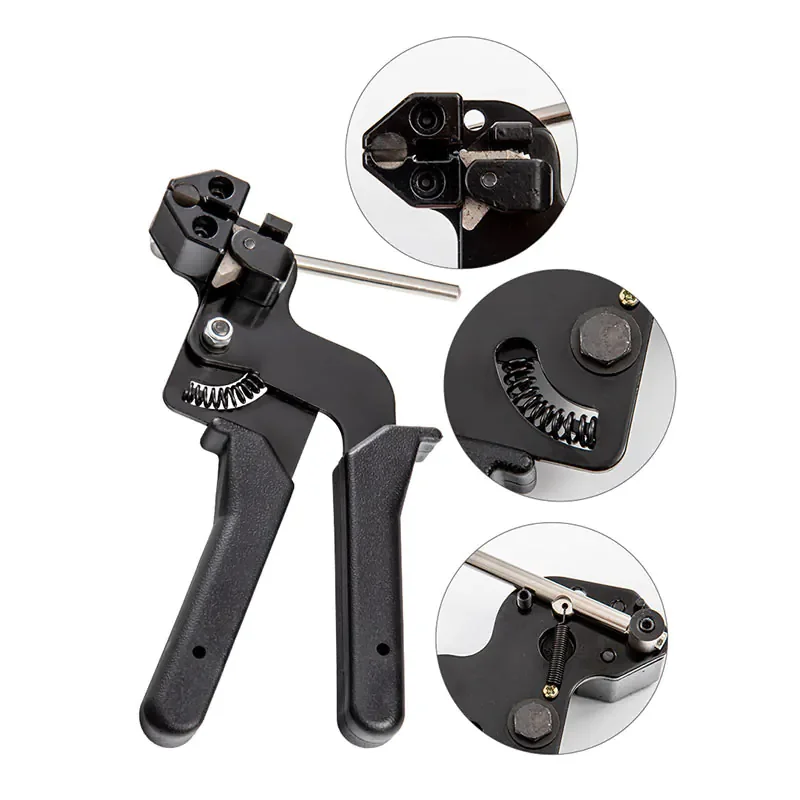
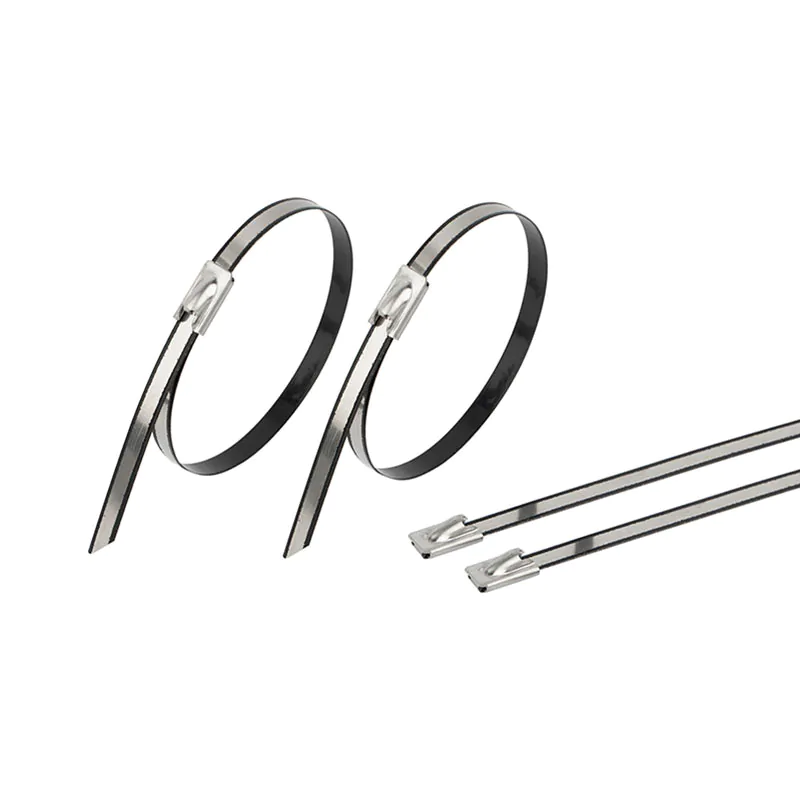
Stainless steel ties require more caution. The edges of a metal tie can be sharp, and if they are over-tightened by hand, they can actually cut into the insulation of the cables they are meant to protect. This is why we often recommend Coated Stainless Steel ties (Epoxy or Polyester coated). The coating provides a layer of insulation and smoothes out the edges, making them safer for both the cables and the installer. Furthermore, installing steel ties correctly almost always requires a specialized tensioning tool to ensure the ball-lock is fully engaged and the tail is cut flush.
Economic Analysis: Unit Cost vs. Life Cycle Value
From a pure procurement standpoint, nylon is the undisputed king of low unit costs. You can buy thousands of nylon ties for the price of a few dozen stainless steel ones. For a retail business or a company doing temporary event setups, nylon is the most logical financial choice. It is a “commodity” item that is easy to stock and replace.
However, for a business focused on “Life Cycle Value,” the math changes. If you use a nylon tie on an outdoor telecommunications tower, you may have to pay a technician to climb that tower and replace the ties every 5 years as they succumb to UV damage. The labor cost of a single repair visit far exceeds the price of using a stainless steel tie from day one. In industries like Oil & Gas or Marine Engineering, the goal is “zero maintenance.” Stainless steel ties represent a one-time investment that can last for the entire 30-year lifespan of the equipment.
Why Xinxing Cable Tie Supplier is Your Strategic Partner
Choosing between nylon and steel is only half the battle; the other half is choosing a supplier that doesn’t compromise on material quality. At Xinxing Cable Tie Supplier, we take pride in our rigorous quality control processes.
-
Premium Raw Materials: Our Nylon 6.6 is sourced for its high molecular weight, ensuring superior moisture retention and flexibility.
-
Certified Steel: Our 316-grade stainless steel is verified for its molybdenum content to guarantee performance in saltwater environments.
-
Global Compliance: Our products meet international standards (UL, CE, RoHS), ensuring your business remains compliant with safety regulations.
-
Bulk Scalability: Whether you are a small local shop or a multinational corporation, we have the manufacturing capacity to meet your lead times.
FAQs
1. When should a business prioritize Stainless Steel over Nylon?
A business should prioritize Stainless Steel whenever the application is outdoors, exposed to temperatures above 85°C, or in contact with corrosive chemicals and salt spray. It is also mandatory for heavy-duty loads that exceed 250 lbs or where fire safety codes require non-combustible fasteners.
2. Is there a “middle ground” between Nylon and Stainless Steel?
Yes. Many businesses use Coated Stainless Steel ties. These offer the extreme strength and weather resistance of steel but feature a polyester or epoxy coating that provides electrical insulation and protects delicate cable jackets from being cut by the metal edges.
3. Does Nylon 6.6 expire or go bad in storage?
Nylon is hygroscopic, meaning it needs a certain moisture content to remain flexible. If stored in a very dry warehouse for years, nylon ties can lose their moisture and become brittle. We recommend keeping them in their original sealed bags and using them within 2 years of purchase.
4. Can Stainless Steel ties be reused?
Most stainless steel ties are “self-locking” and designed for a one-time, permanent installation. Once the ball-bearing locks into the strap, it cannot be released without cutting the tie. For reusable needs, specialized releasable nylon ties are much more appropriate.
5. Why is Grade 316 Stainless Steel more expensive than Grade 304?
Grade 316 contains an additional element called Molybdenum. This significantly increases the metal’s resistance to “pitting” and corrosion in chloride-rich environments like coastal areas or chemical processing plants, justifying the higher cost for marine-grade applications.
6. Are nylon ties safe for use around food?
Standard nylon is generally safe, but for food processing lines, many businesses use Metal-Detectable Nylon ties. These contain small metallic particles that allow them to be picked up by X-ray or metal detection equipment if a piece of the tie accidentally falls into the food product.
Conclusion: Making the Final Call
Deciding between Nylon and Stainless Steel comes down to a simple question: Is the environment controlled or hostile? If you are working indoors, with light loads, and need a non-conductive, low-cost solution, Nylon is the correct choice for your business. It is versatile, easy to install, and perfectly safe for 90% of general-purpose applications.
However, if your business operates “in the wild”—exposed to the sun, the sea, corrosive chemicals, or extreme heat—Stainless Steel is not just an option; it is a necessity. The durability and strength of steel provide a level of insurance against failure that protects your brand’s reputation and your bottom line.Nylon cable ties are the cost-effective, flexible choice for indoor and electrical applications, while Stainless Steel ties offer essential durability for extreme temperatures and corrosive environments. Evaluating your “Total Cost of Ownership” often reveals that metal ties are the smarter long-term business investment.
Ready to secure your business infrastructure?
Don’t settle for “good enough” fasteners. Visit Xinxing Cable Tie Supplier today to explore our full catalog of premium Nylon and Stainless Steel ties. Our engineering team is ready to help you choose the perfect fastener for your next project—contact us for a quote now!