



5 Key Differences Between Nylon Cable Ties and Metal Zip Ties
In the world of industrial organization and home DIY projects, cable ties are the silent heroes that hold everything together. However, a common question arises for engineers and procurement managers: should you use a standard plastic tie or opt for a heavy-duty metal version? While both serve the fundamental purpose of bundling and securing, their physical properties, environmental limits, and cost-effectiveness vary significantly.
At Xinxing Cable Tie Supplier, we specialize in providing high-quality fastening solutions for every industry. Understanding the nuances between Nylon 66 and Stainless Steel is essential for ensuring the safety and longevity of your projects. In this comprehensive guide, we will break down the five key differences that will help you choose the right tool for the job.
Material Composition and Physical Flexibility
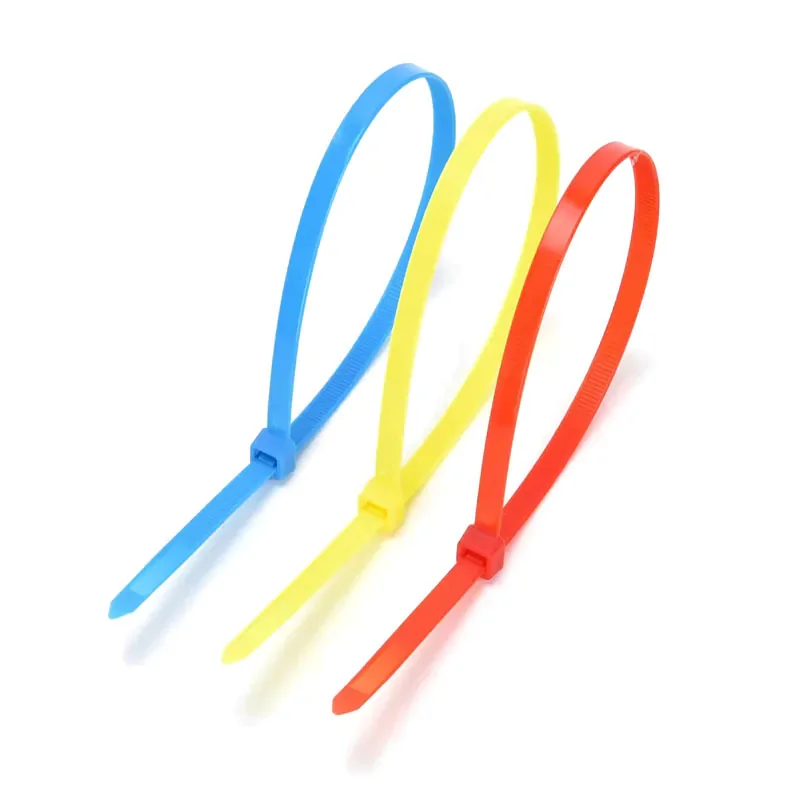
The most obvious difference lies in the base material. Nylon cable ties, typically made from high-grade Nylon 66, are thermoplastic polymers known for their incredible versatility. They are lightweight, non-conductive, and feature a “ratchet and pawl” mechanism that allows for quick, tool-free tightening. Because they are flexible, they are perfect for bundling delicate wires or navigating tight corners where a rigid fastener would fail.
In contrast, metal zip ties—usually crafted from Grade 304 or 316 Stainless Steel—are designed for absolute rigidity and permanence. They utilize a ball-bearing locking mechanism that provides a high-security grip. While they lack the elastic “stretch” found in nylon, they offer a level of structural integrity that plastic simply cannot match. If your application involves heavy-duty piping or structural supports, the unyielding nature of steel is a distinct advantage.

Tensile Strength and Load Capacity
When it comes to raw power, the difference between these two fasteners is measurable in hundreds of pounds. Tensile strength refers to the maximum amount of force a tie can withstand before breaking or slipping.
| Cable Tie Type | Average Tensile Strength (Standard) | Heavy-Duty Capacity | Locking Mechanism |
| Nylon 66 | 18 lbs – 50 lbs | Up to 250 lbs | Plastic Ratchet |
| Stainless Steel | 100 lbs – 200 lbs | 500 lbs – 1,000+ lbs | Steel Ball Bearing |
As shown in the table above, the “floor” for stainless steel strength often exceeds the “ceiling” for standard nylon. While a heavy-duty nylon tie can handle a surprising 250 lbs, it is still prone to “creep” (gradual stretching under a constant load). Stainless steel does not suffer from creep; once it is locked, it remains at that exact tension indefinitely. This makes metal ties the mandatory choice for securing heavy cables on utility poles or stabilizing vibrating machinery in industrial plants. At Xinxing Cable Tie Supplier, we recommend analyzing the dead weight of your bundle before deciding on the material.
Environmental and Temperature Resistance
Environment is the ultimate test for a cable tie. Nylon is an organic polymer, meaning it reacts to its surroundings. Standard “natural” nylon ties can become brittle if exposed to prolonged sunlight (UV radiation) or extremely dry air. While UV-stabilized black nylon ties perform better outdoors, they still have a finite lifespan when compared to inorganic metals.
Stainless steel is virtually immune to the effects of the sun, salt air, and most corrosive chemicals. If you are working in a marine environment, an oil refinery, or a food processing plant where harsh cleaning agents are used, nylon will eventually degrade. Furthermore, the temperature thresholds are vastly different. Standard nylon begins to soften at around 85°C (185°F), whereas stainless steel can comfortably withstand temperatures exceeding 500°C (932°F). This heat resistance makes metal ties essential for engine bays and high-heat manufacturing zones.
Longevity, Durability, and Total Cost of Ownership
Choosing between nylon and metal is often a balance between “price per unit” and “return on investment.” Nylon ties are incredibly inexpensive, making them the preferred choice for temporary setups or indoor applications where the environment is controlled. However, in an outdoor or industrial setting, a nylon tie might need replacement every 2–5 years as it becomes brittle and snaps.
| Feature | Nylon Tie Durability | Metal Tie Durability | ROI Context |
| UV Resistance | Moderate (UV Black only) | Excellent (Immune) | Outdoor use |
| Chemical Resistance | Low (Corroded by acids) | High (Resists most salts/acids) | Chemical plants |
| Fire Resistance | Flammable (Unless UL94V-0) | Non-Combustible | Building safety codes |
| Expected Lifespan | 5-10 years (Indoor) | 20-50+ years | Infrastructure |
The data in the table highlights a critical point: while metal ties have a higher upfront cost, their “Total Cost of Ownership” is often lower in critical infrastructure. If you are bundling cables in a hard-to-reach area, such as inside a bridge structure or underground, the labor cost of replacing a broken nylon tie far outweighs the initial price of a stainless steel fastener. For long-term durability, metal zip ties are an investment in “install and forget” security.
Safety, Conductivity, and Ease of Installation
The final key difference involves the practicalities of human safety and the installation process. Nylon ties are non-conductive, making them the safest choice for high-voltage electrical work. If a nylon tie accidentally touches a live wire, it won’t create a short circuit. They are also “hand-friendly”—the edges are smooth, and the tails can be snipped off with basic scissors or wire cutters without leaving a lethal sharp edge.
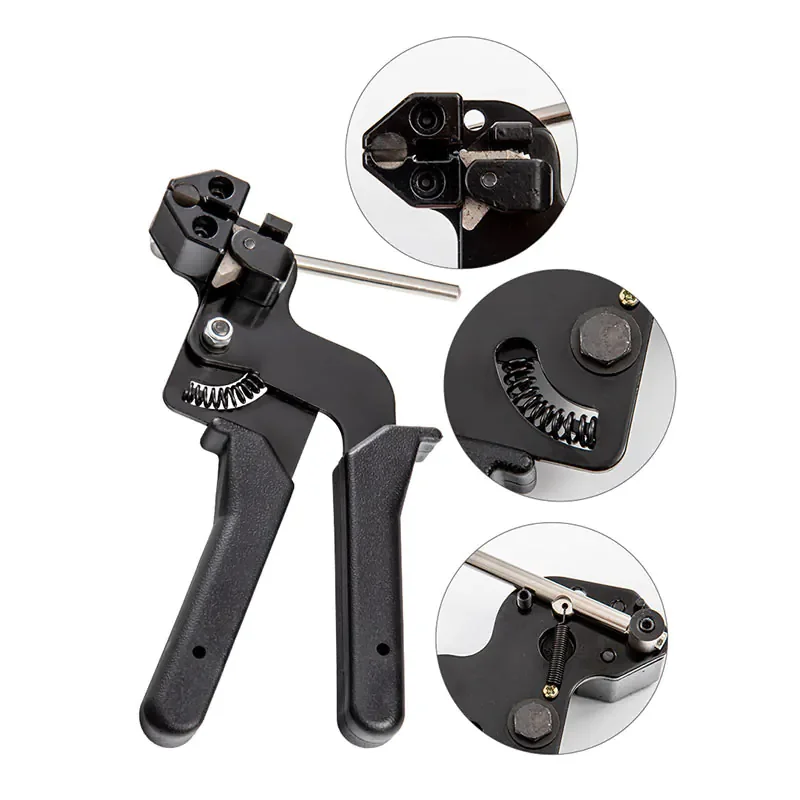
Metal ties, however, require specialized tools for proper installation. While you can pull them by hand, you won’t achieve the tension required to engage the ball-bearing lock effectively. Additionally, once a metal tie is cut, the tail can be extremely sharp, necessitating the use of a tensioning tool that cuts the end flush to prevent injury. Furthermore, because steel is conductive, it must be used with caution around exposed electrical components. Many professionals opt for coated stainless steel ties, which combine the strength of metal with a polyester or epoxy coating for insulation and improved hand safety.
Why Choose Xinxing Cable Tie Supplier?
When you browse the inventory at Xinxing Cable Tie Supplier, you aren’t just buying plastic or metal strips; you are purchasing engineered safety. We understand that a failure in a cable tie can lead to expensive downtime or dangerous accidents.
Our nylon ties are made from 100% fresh Nylon 66 resin, ensuring they maintain moisture and flexibility longer than recycled alternatives. Similarly, our stainless steel ties are tested for extreme tensile strength and salt-spray resistance. Whether you need a thousand miniature nylon ties for a server room or high-strength 316-grade steel ties for an offshore oil rig, we provide the consistency and quality that professionals demand.
FAQs
1. Are metal zip ties always better than nylon?
No. Metal ties are stronger and more durable in harsh environments, but they are conductive and less flexible. For standard indoor electrical bundling, nylon is usually preferred because it is non-conductive, easier to install, and more cost-effective.
2. Can I use nylon cable ties outside?
Yes, but you must use UV-stabilized black nylon ties. Standard “natural” or white ties will degrade and become brittle within months of direct sunlight exposure. UV-treated nylon can last significantly longer, though still not as long as metal.
3. Do metal zip ties rust?
High-quality stainless steel ties (Grade 304 or 316) are highly resistant to rust. Grade 316 is particularly effective in marine environments where salt spray would corrode standard steel or lower-grade fasteners.
4. Do I need a special tool to install stainless steel ties?
While you can tighten them by hand, it is highly recommended to use a Stainless Steel Cable Tie Gun. This tool allows you to apply maximum tension and cuts the tail flush, which is vital for safety to prevent sharp edges.
5. Are there cable ties that are both strong and non-conductive?
For a middle ground, you can use extra-heavy-duty nylon ties (rated for 250 lbs) or epoxy-coated stainless steel ties. The coating on metal ties provides a layer of insulation and prevents the metal from cutting into the cable insulation.
Conclusion
The choice between nylon and metal zip ties depends entirely on your project’s specific “threats.” If you need flexibility, non-conductivity, and low cost for indoor wiring, Nylon is the champion. However, if your project faces extreme heat, chemical exposure, or massive physical loads, Stainless Steel is the only logical choice. By understanding these five key differences—flexibility, strength, environment, cost, and safety—you can make an informed decision that protects your work for years to come.Nylon cable ties offer flexibility and cost-efficiency for general-purpose and electrical use, while metal zip ties provide unmatched strength and resistance to heat and chemicals in harsh industrial environments. Selecting the right tie ensures structural integrity and safety.
Ready to secure your project with the best fasteners in the industry?
Visit Xinxing Cable Tie Supplier today to explore our full range of premium nylon and stainless steel ties. Our experts are ready to help you find the perfect solution—order now!