



Using Uncoated Ball Lock Cable Ties for Offshore and Marine Installations
Introduction
Offshore and marine environments present some of the most challenging conditions for cable management systems. Constant exposure to saltwater, high humidity, strong winds, UV radiation, and mechanical vibration can quickly degrade standard fastening solutions. For critical electrical, communication, and instrumentation systems, secure cable routing is essential to ensure safety, reliability, and uninterrupted operations.
To meet these demanding requirements, many engineers and contractors rely on uncoated ball lock cable ties. Manufactured from high-quality stainless steel and featuring a self-locking ball mechanism, these cable ties offer exceptional strength, corrosion resistance, and long-term durability.
Challenges of Cable Management in Marine Environments
Marine and offshore facilities operate under conditions that can rapidly damage conventional cable fastening products.
Common environmental challenges include:
Continuous exposure to salt spray
High humidity levels
Frequent temperature fluctuations
Strong winds and vibrations
Heavy mechanical loads
Constant UV exposure
Corrosive marine atmosphere
These factors can weaken cable supports, cause premature failures, and increase maintenance costs if unsuitable fastening solutions are used.
What Are Uncoated Ball Lock Cable Ties?
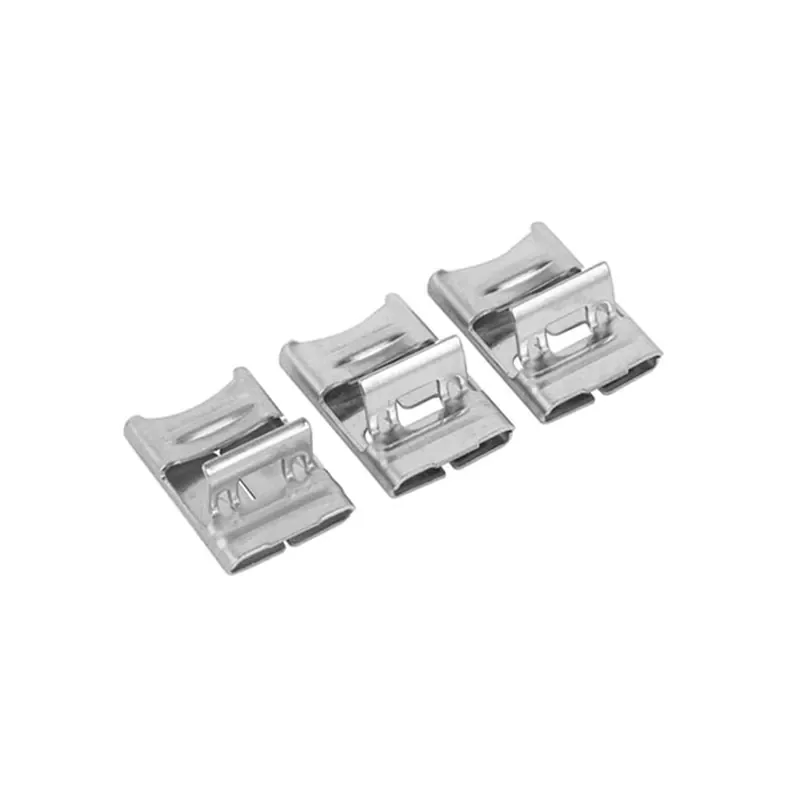
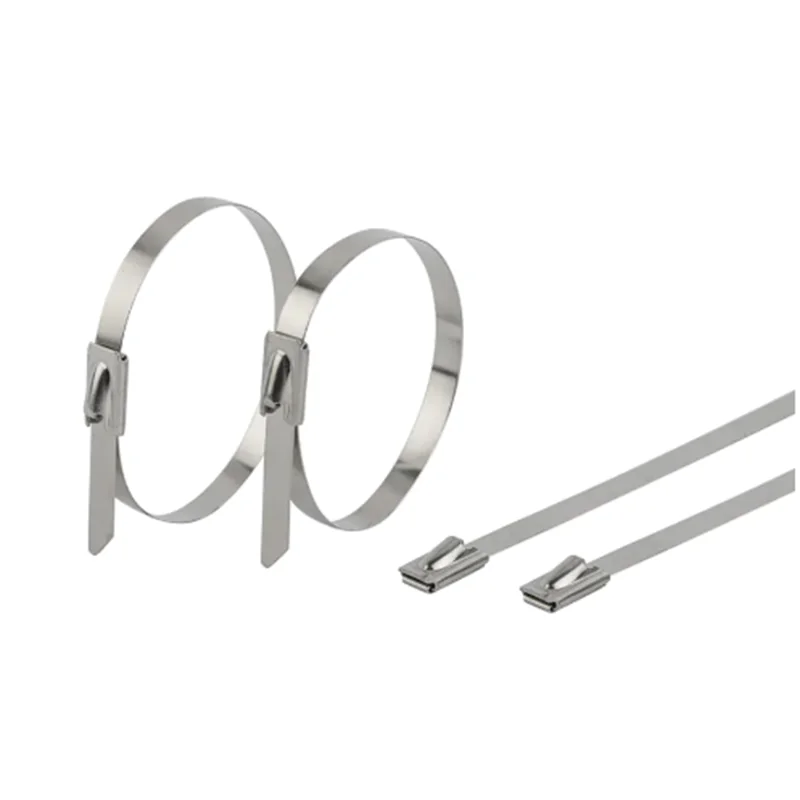
Uncoated ball lock cable ties are stainless steel cable ties that utilize a self-locking ball bearing mechanism to secure cables and equipment.
Key components include:
Stainless steel tie body
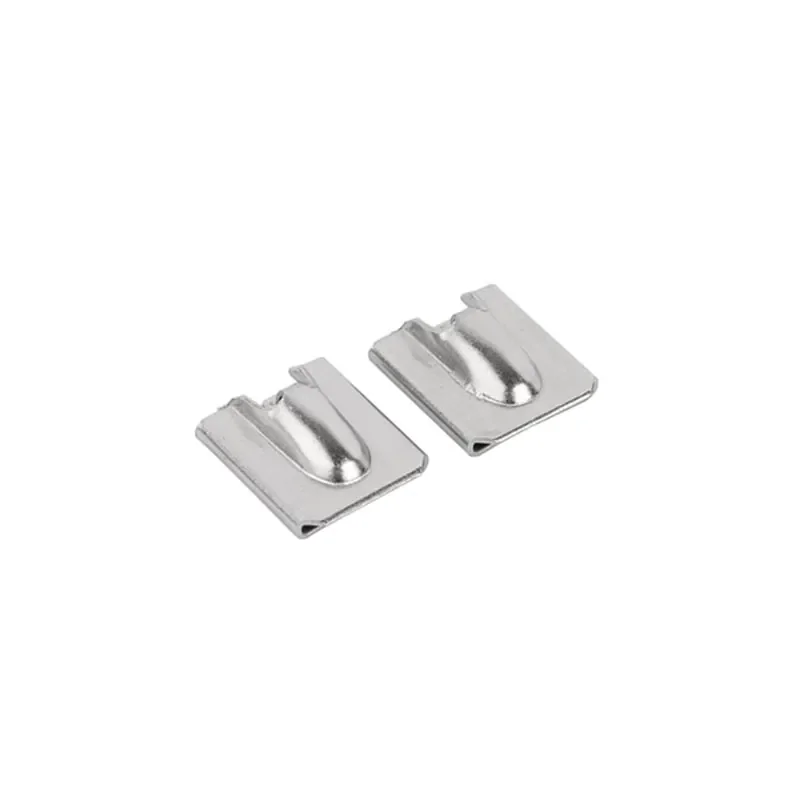
Locking head
Stainless steel ball locking system
As the tie is tightened, the ball locks firmly against the tie body, creating a secure and vibration-resistant connection.
Unlike coated cable ties, uncoated versions expose the stainless steel surface directly, making them particularly suitable for applications where maximum temperature resistance and metal durability are required.
Why Uncoated Ball Lock Cable Ties Are Ideal for Offshore and Marine Installations
Excellent Corrosion Resistance
Corrosion is one of the biggest concerns in marine environments.
High-quality stainless steel ball lock cable ties, especially those manufactured from SS316 stainless steel, provide outstanding resistance to:
Saltwater exposure
Salt spray
Humidity
Marine pollutants
Chloride-rich environments
This helps maintain structural integrity and fastening performance over extended service periods.
Superior Mechanical Strength
Marine installations often require cable ties to secure heavy cable bundles and withstand physical stress.
Uncoated ball lock cable ties offer:
High tensile strength
Excellent load-bearing capacity
Strong resistance to breakage
Reliable cable retention
This makes them suitable for both light-duty and heavy-duty marine applications.
Outstanding Vibration Resistance
Offshore platforms, ships, and marine equipment are constantly exposed to vibration from:
Engines
Pumps
Compressors
Generators
Wave motion
The self-locking ball mechanism prevents loosening caused by continuous movement, helping maintain cable security even under demanding operating conditions.
Wide Temperature Tolerance
Marine equipment may experience both extreme heat and cold depending on operating locations.
Uncoated stainless steel cable ties can withstand:
High operating temperatures
Cold weather conditions
Thermal cycling
Exposure to direct sunlight
Unlike plastic cable ties, they do not become brittle, crack, or soften under temperature extremes.
UV Resistance for Outdoor Installations
Marine infrastructure is frequently exposed to direct sunlight.
Because stainless steel is naturally resistant to ultraviolet radiation, uncoated ball lock cable ties maintain their performance without:
UV degradation
Cracking
Fading
Loss of mechanical strength
This contributes to long-term reliability in outdoor environments.
Common Offshore and Marine Applications
Offshore Oil and Gas Platforms
Cable management systems on offshore platforms support:
Power distribution
Instrumentation systems
Process controls
Communication networks
Reliable fastening solutions are essential to ensure operational safety and efficiency.
Marine Vessels
Ships and marine transportation systems use ball lock cable ties to secure:
Electrical wiring
Navigation cables
Communication systems
Engine room cabling
Their corrosion resistance helps extend service life in harsh maritime conditions.
Port and Harbor Facilities
Ports and terminals rely on secure cable management for:
Lighting systems
Security equipment
Communication infrastructure
Cargo handling systems
Stainless steel cable ties help maintain system reliability despite constant exposure to salt-laden air.
Offshore Renewable Energy Projects
Wind farms and offshore renewable energy installations require durable cable fastening systems capable of withstanding:
Severe weather
Salt spray
Continuous vibration
Long-term outdoor exposure
Ball lock cable ties provide dependable performance under these conditions.
Advantages Over Plastic Cable Ties
| Feature | Uncoated Ball Lock Cable Ties | Plastic Cable Ties |
| Corrosion Resistance | Excellent | Limited |
| Tensile Strength | Very High | Moderate |
| UV Resistance | Excellent | Limited |
| Temperature Resistance | Excellent | Limited |
| Vibration Resistance | Excellent | Moderate |
| Service Life | Long | Shorter |
| Marine Suitability | Ideal | Poor |
For offshore and marine installations, stainless steel ball lock cable ties generally provide significantly greater durability and reliability than plastic alternatives.
SS304 vs SS316 for Marine Applications
Choosing the correct stainless steel grade is critical.
SS304 Stainless Steel
Suitable for:
General industrial applications
Moderate environmental exposure
Indoor marine facilities
SS316 Stainless Steel
Recommended for:
Offshore platforms
Coastal infrastructure
Marine vessels
Saltwater exposure
Highly corrosive environments
The addition of molybdenum in SS316 enhances resistance to chloride-induced corrosion, making it the preferred option for most marine applications.
Installation Best Practices
To maximize performance in offshore and marine environments:
Select the Appropriate Grade
Use SS316 stainless steel whenever continuous saltwater exposure is expected.
Use Proper Installation Tools
Professional tensioning tools help ensure consistent fastening and optimal locking performance.
Avoid Over-Tightening
Excessive tension may damage cable insulation or create unnecessary stress on components.
Conduct Regular Inspections
Periodic inspections help identify environmental wear and ensure continued system integrity.
Pair with Corrosion-Resistant Accessories
Use stainless steel mounts, brackets, and supports to maintain a fully corrosion-resistant cable management system.
Long-Term Cost Benefits
Although stainless steel ball lock cable ties may have a higher upfront cost than standard cable ties, they often provide substantial long-term savings through:
Reduced replacement frequency
Lower maintenance costs
Improved equipment reliability
Less downtime
Longer service life
For offshore facilities where maintenance access is difficult and expensive, these savings can be particularly significant.
Conclusion
Offshore and marine environments demand cable management solutions that can withstand corrosion, vibration, UV exposure, and extreme weather conditions. Uncoated ball lock cable ties provide a dependable solution by combining high-strength stainless steel construction with a secure self-locking mechanism.
Their exceptional durability, corrosion resistance, and long service life make them an ideal choice for offshore platforms, marine vessels, ports, renewable energy installations, and other challenging maritime applications. By selecting the appropriate stainless steel grade and following proper installation practices, operators can improve system reliability while reducing maintenance requirements and lifecycle costs.
FAQ
Why are uncoated ball lock cable ties commonly used in marine environments?
They offer excellent corrosion resistance, high tensile strength, and reliable locking performance, making them suitable for harsh marine conditions.
Is SS316 better than SS304 for offshore installations?
Yes. SS316 stainless steel provides superior resistance to chloride corrosion and is generally recommended for offshore and saltwater environments.
Can uncoated ball lock cable ties withstand constant vibration?
Yes. The ball lock mechanism is designed to resist loosening caused by vibration, movement, and mechanical stress.
Are uncoated ball lock cable ties suitable for outdoor marine applications?
Absolutely. They provide excellent resistance to UV exposure, weathering, and environmental corrosion.
How do uncoated ball lock cable ties reduce maintenance costs?
Their long service life and resistance to corrosion help minimize replacements, maintenance labor, and operational downtime in marine installations.