



Top 5 Industries That Rely on Stainless Steel Tie Wraps
Introduction
For industrial professionals, securing cables, pipes, or components in harsh environments is a critical challenge. While plastic zip ties may work for simple tasks, they often fail under heat, corrosion, or mechanical stress. Stainless steel tie wraps provide superior strength, durability, and corrosion resistance, making them ideal for demanding applications. In this guide, we’ll explore the top five industries that rely on these versatile fastening solutions and why they trust them for critical operations.
1. Oil & Gas Industry
Why Stainless Steel Tie Wraps Are Essential
The oil and gas sector operates in extreme conditions—offshore rigs, deserts, and underground pipelines. 316 stainless steel cable ties are widely used to secure hoses, wiring, and pipes exposed to chemicals, saltwater, and high temperatures.
Benefits:
-
Corrosion resistance against saltwater and chemical exposure
-
High-temperature tolerance and UV resistance
-
Strong, long-lasting fastening for critical systems
-
Easy installation in tight or hazardous spaces
-
Compliance with industry safety and quality standards
Example Use: Securing electrical harnesses on offshore drilling platforms.
2. Marine and Shipbuilding Industry
Durable Solutions for Saltwater Environments
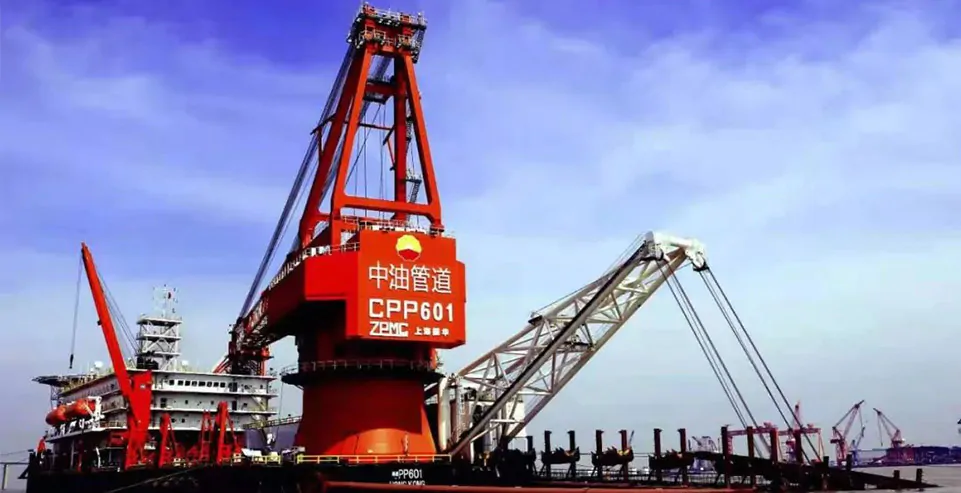
Saltwater environments accelerate rust and corrosion. Stainless steel zip ties withstand constant vibration, humidity, and chemical exposure, making them indispensable in shipbuilding and marine operations.
Benefits:
-
Excellent corrosion resistance in saltwater
-
Durable under continuous movement and vibration
-
Suitable for above-deck and below-deck applications
-
Available in multiple lengths and tensile strengths
-
Reduces maintenance and replacement costs
Example Use: Securing wiring and piping on yachts and offshore platforms.
3. Automotive and Transportation
Reliable Fastening on the Move
Vehicles face heat, moisture, and mechanical stress daily. Stainless steel tie wraps are ideal for bundling wiring harnesses, brake lines, and fuel hoses to ensure safety and reliability.
Benefits:
-
Heat resistance near engines and exhaust systems
-
Chemical resistance to oils, fuels, and road salts
-
Strong fastening in vibration-prone areas
-
Compatible with various automotive materials
-
Supports compliance with industry safety regulations
Example Use: Bundling wiring harnesses in commercial trucks or heavy-duty vehicles.
4. Construction and Infrastructure
Strength and Safety for Industrial Applications
In construction, durability is critical. Stainless steel cable ties secure electrical cables, plumbing, and HVAC systems, particularly in outdoor or industrial environments.
Benefits:
-
Corrosion resistance to weather and chemicals
-
Maintains strength under mechanical stress
-
Suitable for underground and outdoor installations
-
Easy to install and inspect
-
Meets building codes and safety standards
Example Use: Bundling conduit or plumbing in large-scale infrastructure projects.
5. Food and Pharmaceutical Industries
Hygiene and Compliance First
These industries require materials that won’t contaminate products. Stainless steel tie wraps meet hygiene and regulatory standards, making them suitable for cleanrooms and sterile environments.
Benefits:
-
Non-reactive and corrosion-resistant
-
Withstands frequent cleaning and sanitization
-
Suitable for cleanroom and sterile applications
-
Maintains product safety and quality
-
Meets FDA and other regulatory requirements
Example Use: Securing tubing and wiring in pharmaceutical manufacturing facilities.
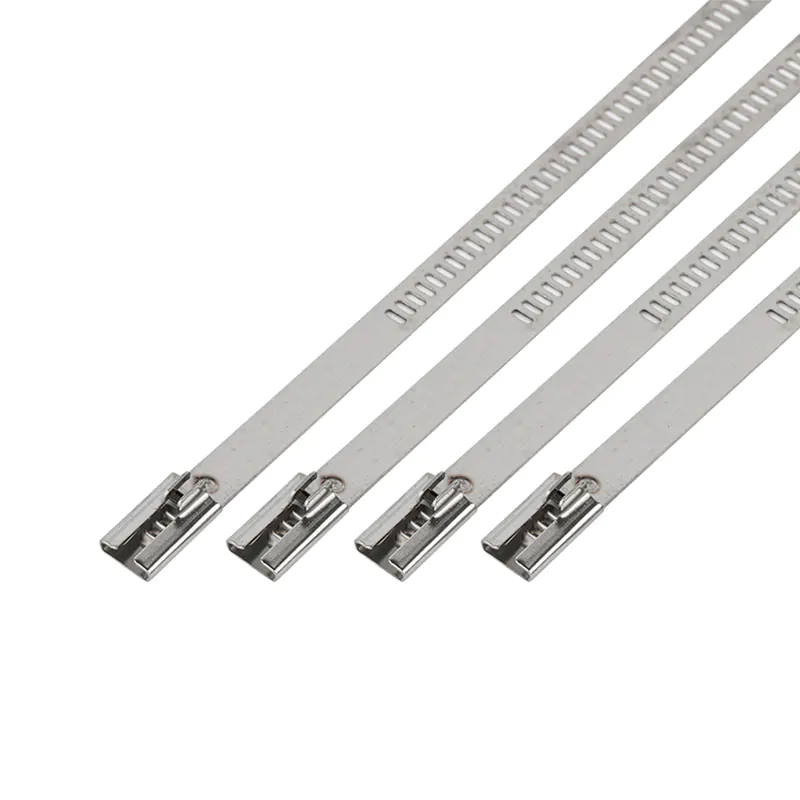
Stainless Steel Tie Wrap Lengths and Specifications
| Length (inches) | Typical Use Case | Tensile Strength (lbs) | Material Grade | Common Industries | Price Range (Approx.) |
|---|---|---|---|---|---|
| 4 | Small cable bundles | 50 | 304 Stainless Steel | Food, Pharma | Low |
| 7 | Medium cable and hose bundles | 120 | 316 Stainless Steel | Marine, Automotive | Moderate |
| 11 | Large cable harnesses | 175 | 316 Stainless Steel | Oil & Gas, Construction | Higher |
| 14 | Heavy-duty industrial use | 250 | 316 Stainless Steel | Oil & Gas, Infrastructure | Highest |
Tip: Choose material grade based on exposure—316 for marine and chemical-heavy environments, 304 for general industrial and food applications.
Conclusion
Stainless steel tie wraps combine strength, corrosion resistance, and versatility in a cost-effective fastening solution. Across industries—from offshore rigs to cleanrooms—they ensure reliability and safety in demanding environments. Upgrading from plastic to stainless steel ties improves durability and reduces maintenance, offering long-term value for industrial projects.
FAQ
Q1: What makes stainless steel tie wraps superior to plastic ones?
They resist corrosion, heat, and mechanical stress, making them suitable for extreme environments.
Q2: Can stainless steel tie wraps be reused?
Most are designed for one-time use, though some heavy-duty types can be carefully loosened and reused.
Q3: Are there different grades of stainless steel tie wraps?
Yes. 304 is standard, while 316 offers superior corrosion resistance, especially in marine or chemical-heavy settings.
Q4: How do I select the right length and strength?
Consider the bundle size, weight, and environmental factors like temperature and exposure.
Q5: Where can I purchase high-quality stainless steel tie wraps?
XIXI provides certified stainless steel tie wraps suitable for industrial, marine, and cleanroom applications.