



The Differences Between Stainless Steel Cable Ties vs Plastic Cable Ties
Choosing the right cable tie material is crucial for project longevity and safety. While plastic nylon ties are suitable for indoor organization, stainless steel cable ties offer superior strength and resilience for demanding environments. This guide will compare both options across key factors, helping you make an informed decision backed by 44 years of manufacturing expertise from Xinxing.
Stainless Steel vs. Plastic: A Head-to-Head Comparison
To understand which cable tie is right for your application, it’s essential to compare their core properties directly. The table below breaks down the critical differences.
| Feature | Stainless Steel Cable Ties | Plastic (Nylon) Cable Ties |
|---|---|---|
| Material & Durability | Made from 304 or 316 steel alloys; extremely durable and cut-resistant. | Made from nylon 6/6; can become brittle over time, especially with UV exposure. |
| Environmental Resistance | Excellent resistance to extreme temperatures, UV radiation, saltwater, and most chemicals. | Susceptible to UV degradation, cracking in cold, and melting in high heat (typically -40°C to 85°C). |
| Mechanical Strength | Very high tensile strength (e.g., 4.6mm ties can hold ~89 kg). Ideal for heavy loads. | Lower tensile strength (e.g., 4.8mm ties hold ~22 kg). Best for light to medium bundling. |
| Application & Safety | Used in harsh industries: marine, chemical plants, mining, and HVAC. Fire-resistant and non-toxic when burned. | Used in indoor panels, offices, and retail. Can propagate flames and release toxic fumes if burned. |
| Installation & Maintenance | Requires manual or automatic tensioning tools for a permanent, secure fit. Not reusable. | Can be installed by hand or with simple tools. Releasable versions are available for temporary use. |
| Cost & Lifecycle | Higher upfront cost but offers a very long service life (decades) in harsh conditions, reducing replacement costs. | Low initial cost but may require frequent replacement in outdoor or high-stress applications, increasing long-term expense. |
Material Composition and Core Durability
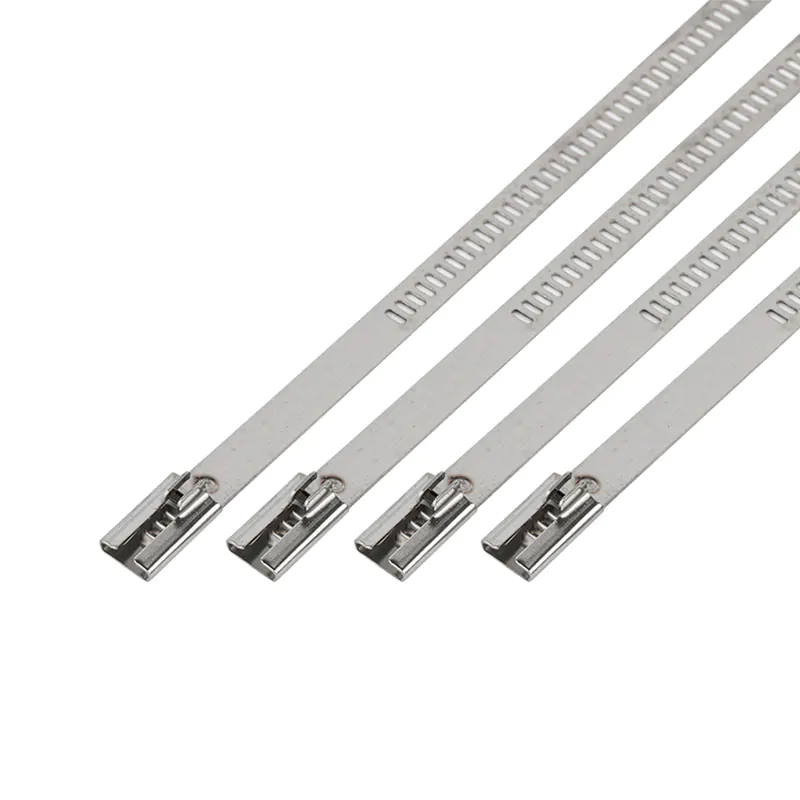
The fundamental difference lies in the raw materials. Plastic cable ties are predominantly made from nylon 6/6, a strong polymer that is flexible and inexpensive. However, it is an organic material that inherently degrades. Stainless steel ties, on the other hand, are crafted from iron alloys with chromium and nickel. As a specialist manufacturer with 44 years of experience, Xinxing produces ties from grades like 304 (for general use) and 316 (for superior corrosion resistance) . This metal composition grants them immunity to the drying, cracking, and embrittlement that plague plastic over time, especially under mechanical stress.
Battling the Elements: UV, Temperature, and Chemicals
If your application involves the outdoors, the choice is clear. Plastic ties have a well-documented weakness: ultraviolet (UV) radiation from the sun breaks down the polymer chains, causing them to become brittle and snap. They also have a narrow effective temperature range. Stainless steel cable ties excel in these areas. They can withstand extreme temperature fluctuations, from sub-arctic cold to the high heat found near industrial furnaces or HVAC systems. Furthermore, 316 stainless steel provides exceptional resistance to chlorides and industrial chemicals, making it the only choice for coastal installations, wastewater treatment plants, or chemical processing facilities where plastic would rapidly corrode or dissolve.
Strength and Mechanical Load Capacity
For securing heavy loads, stainless steel is in a league of its own. A standard 4.8mm plastic tie typically offers a tensile strength of around 22 kilograms. In contrast, a similarly sized 4.6mm stainless steel tie can hold approximately 89 kilograms—a fourfold increase. This immense holding power makes metal ties indispensable for securing heavy cable trays, large-diameter pipes, and equipment in mining, construction, and shipbuilding. They maintain structural integrity under constant vibration and dynamic loads, ensuring safety and preventing costly failures that could occur with broken plastic ties.
Safety, Fire Resistance, and Lifecycle Cost
Safety is a critical differentiator. In a fire, plastic ties can melt, releasing cables and potentially creating hazards. They may also emit toxic fumes. Stainless steel is non-combustible and will maintain its hold even in a fire, containing cables and preventing them from falling. This is vital for safety-critical applications like emergency lighting circuits or in tunnels. While the upfront cost of stainless steel is higher, a lifecycle cost analysis almost always favors it for harsh environments. A plastic tie might need replacement every 1-2 years outdoors, whereas a stainless steel tie can last for the lifespan of the installation itself, eliminating maintenance labor and replacement material costs.
FAQs
Q: Can I use plastic cable ties outdoors?
A: You can, but they are not recommended for permanent outdoor use. Standard nylon ties will degrade and become brittle within 1-2 years due to UV exposure. For long-term outdoor applications, stainless steel is the only reliable choice.
Q: Are stainless steel cable ties more difficult to install than plastic ones?
A: They require a different technique. While plastic ties can be installed by hand, stainless steel ties typically need a manual or automatic tensioning tool to pull them tight and cut the excess tail flush and safely. Xinxing offers a range of tools for this purpose.
Q: My main concern is chemical exposure. Which type should I choose?
A: You should choose 316-grade stainless steel cable ties. The addition of molybdenum in 316 steel provides superior resistance to a wide range of chemicals and chlorides, where even 304 steel or plastic would eventually fail.
Q: What does “tensile strength” mean in practical terms?
A: It’s the maximum pulling force the tie can withstand before breaking. For example, a heavy load like a large pipe requires a tie with a very high tensile strength, which only stainless steel can provide. Plastic ties are better suited for lighter bundles like data or communication cables.
Conclusion
The choice between plastic and stainless steel cable ties depends entirely on your project’s demands. For indoor, low-stress cable management, plastic is a cost-effective solution. However, for any application requiring long-term reliability in harsh environments, high tensile strength, or resistance to extreme temperatures and corrosion, stainless steel is the superior investment. Its durability translates to enhanced safety and lower total ownership costs.
Ensure your most demanding projects are secured with permanent reliability. Explore the full range of premium 304 and 316 stainless steel cable ties from Xinxing, a manufacturer with 44 years of specialized expertise, at Our Web.