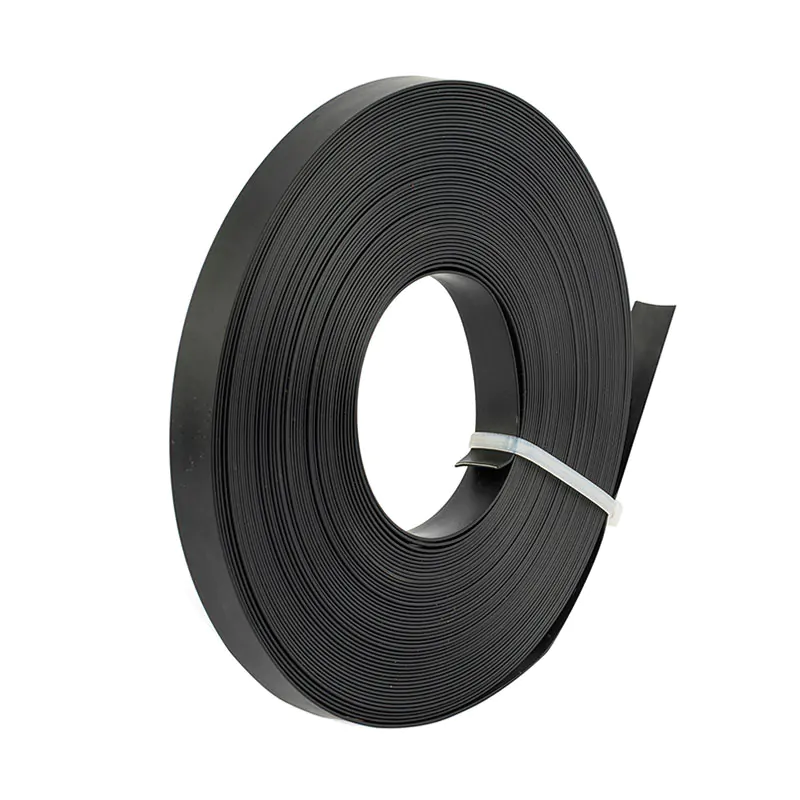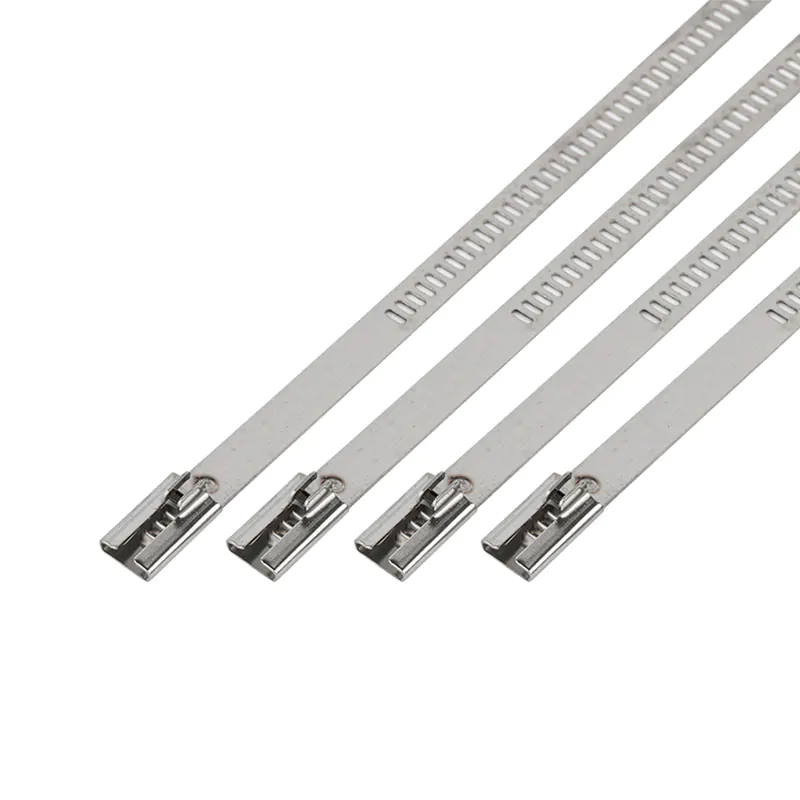




PVC vs. Epoxy Coated Cable Ties: Which One Offers Better UV Resistance?
Choosing cable ties with poor UV resistance leads to brittleness, cracking, and failure in outdoor applications. For secure, long-lasting bundling under the sun, understanding material performance is key. This guide compares PVC and Epoxy coated cable ties, focusing on UV stability. For reliable solutions, explore Xinxing Cable Ties at Our Web.
Comparing UV Resistance: PVC vs. Epoxy Coated
UV resistance is critical for outdoor durability. The core difference lies in the protective coating’s composition and performance. The table below provides a clear, direct comparison to inform your selection.
| Feature | PVC Coated Cable Ties | Epoxy Coated Cable Ties |
|---|---|---|
| UV Resistance Level | Moderate to Good. Formulations vary; standard types can degrade over time. | Excellent. Specially engineered for superior, long-term UV stability. |
| Primary Protection | The PVC sleeve provides a physical barrier and minor chemical protection. | The epoxy coating acts as a robust, resilient shield against environmental stress. |
| Best Use Case | Short to medium-term outdoor projects, shaded areas, or indoor use. | Long-term outdoor installations, direct sunlight exposure, harsh weather. |
| Material Degradation | Can become brittle, fade, and crack after prolonged UV exposure. | Maintains flexibility and tensile strength significantly longer under UV exposure. |
| Temperature Tolerance | Good general range; may soften in high heat or stiffen in cold. | Excellent thermal stability, performing well in wider temperature extremes. |
Understanding PVC Coated Cable Ties
PVC (Polyvinyl Chloride) coated cable ties are popular for their cost-effectiveness and decent all-around protection. The PVC sleeve offers a barrier against moisture and minor abrasion, with some UV inhibitors added. They are suitable for general-purpose outdoor use where direct, constant sunlight is not the primary concern, such as in semi-protected areas or for temporary installations. However, under intense, prolonged UV exposure, the plasticizers in PVC can evaporate, leading to embrittlement and eventual failure.
The Superiority of Epoxy Coated Cable Ties
For critical outdoor applications, epoxy coated cable ties are the definitive choice for maximum UV resistance. The epoxy coating is a thermosetting polymer that forms an exceptionally tough, protective shell. This coating is inherently more resistant to the photodegradation caused by ultraviolet rays. It effectively prevents the nylon core from becoming brittle, ensuring the tie retains its locking strength and flexibility for many years, even in coastal or desert environments with extreme sun exposure.
Application Scenarios and Cost vs. Longevity
Consider the project’s lifespan and exposure. For a short-term construction sitebundling or an indoor electrical panel, PVC coated ties offer sufficient performance at a lower cost. For permanent outdoor infrastructure—such as securing cables on telecom towers, solar panel racks, or outdoor lighting—the investment in epoxy coated ties is justified. Their extended service life reduces the risk and cost of premature failure and rework, providing superior long-term value.
Making the Right Choice for Your Environment
Evaluate the specific environmental stresses. If the application involves direct sunlight, salt spray, wide temperature swings, or chemical exposure, the enhanced protective qualities of epoxy make it the necessary choice. Always check the manufacturer’s specifications for UV stability ratings (e.g., UL 746C f1 rating) to ensure the product is tested and proven for outdoor use. For epoxy ties, look for certifications that guarantee performance in severe weather conditions.
FAQ
Q: How long do epoxy coated cable ties last outdoors?
A: High-quality epoxy coated ties can last for many years outdoors, often 10+ years, while maintaining their integrity, depending on specific environmental conditions.
Q: Can I use PVC coated ties in direct sunlight?
A: They can be used, but with caution for long-term applications. Expect reduced service life and plan for more frequent inspections and potential replacements compared to epoxy ties.
Q: Are epoxy coated ties more expensive?
A: Yes, they typically have a higher initial cost due to superior materials and performance. However, their longevity and reliability in harsh conditions often make them more cost-effective over the total lifecycle of an installation.
Q: Do epoxy coatings provide chemical resistance?
A: Yes, in addition to excellent UV resistance, epoxy coatings generally offer very good resistance to a wide range of chemicals, oils, and solvents compared to standard PVC.
Conclusion
For superior, long-lasting UV resistance, epoxy coated cable ties outperform PVC. While PVC is adequate for less exposed applications, epoxy’s robust protection ensures reliability in harsh, sunny environments. Your choice should align with the installation’s expected lifespan and environmental exposure to ensure a secure, durable hold.
Secure your outdoor installations with confidence. Choose Xinxing Cable Ties for premium epoxy coated solutions built to withstand the elements. Visit Our Web to browse our UV-resistant range and get a quote today.