



Key Advantages of Stainless Steel Cable Ties You Should Know
Introduction
When standard nylon ties fail, stainless steel cable ties provide the ultimate solution for demanding applications. Known for exceptional strength and resistance to corrosion, extreme temperatures, and chemicals, these metal ties ensure long-term reliability. In this guide, we will explore the key advantages of stainless steel cable ties and why they are the superior choice for both industrial and domestic projects.
Understanding Stainless Steel Cable Ties: A Step Beyond Plastic
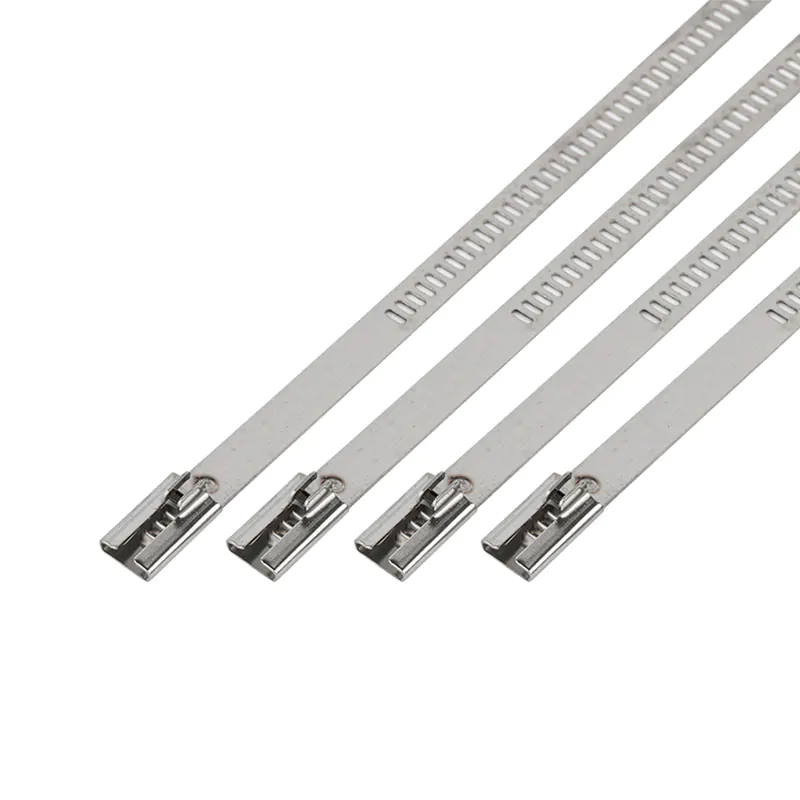
Stainless steel cable ties, also known as metal zip ties, function similarly to their plastic counterparts but are engineered from a robust alloy of iron, carbon, chromium, and nickel. This composition grants them a self-locking mechanism, typically an internal ball bearing, that locks into place when the tail is pulled, creating a secure and permanent hold. Unlike plastic, which can become brittle and crack under UV exposure or cold, stainless steel offers a durable, long-lasting, and recyclable fastening solution. While primarily used in heavy industries, their reliability makes them increasingly popular for high-stakes residential uses, such as securing outdoor structures or organizing high-heat electrical wiring.

The Two Main Grades: 304 vs. 316 Stainless Steel
Not all stainless steel cable ties are created equal. The two most common types are 304 and 316 grade, each suited for different environments. Choosing the correct grade is critical for ensuring longevity and performance.
Here is a quick comparison to help you understand their key differences:
| Feature | 304 Stainless Steel | 316 Stainless Steel |
|---|---|---|
| Corrosion Resistance | Good resistance to corrosion in standard outdoor and indoor environments (water, air). | Superior resistance, especially against chlorides, salts, and industrial chemicals. |
| Key Material | Composed of 18% chromium and 8% nickel. | Contains 16% chromium, 10% nickel, and 2% molybdenum. |
| Ideal Applications | General indoor/outdoor use, piping, household appliances, automotive, and light construction. | Marine environments, chemical plants, medical tools, food processing, and coastal areas. |
| Cost | More economical and widely available. | Higher cost due to enhanced chemical properties. |
| Aesthetics | Standard metallic finish, suitable for most visible applications. | Often retains its shine and can be found with polyester coatings for added protection. |
Unmatched Durability and Tensile Strength
The primary advantage of stainless steel ties is their incredible strength. While a standard 4.8mm nylon tie might offer around 22 kg of tensile strength, a comparable 4.6mm stainless steel tie can hold up to 89 kg or more. This high tensile strength makes them indispensable for securing heavy bundles, supporting structural components in construction, and ensuring safety in manufacturing settings where a plastic tie would snap under pressure. They provide a permanent, vibration-resistant fix that won’t loosen over time.
Ultimate Resistance to Corrosion and Harsh Chemicals
For projects exposed to the elements or corrosive substances, stainless steel is the go-to material. Its chromium content forms a passive layer that prevents rust and staining. While 304 grade offers excellent protection against general corrosion, 316 stainless steel cable ties contain molybdenum, which provides a vastly greater resistance to pitting from chloride exposure, such as saltwater. This makes them ideal for marine structures, chemical processing warehouses, and any application where exposure to de-icing salts or industrial solvents is a concern.
Performance in Extreme Temperatures and Hazardous Gases
Plastic cable ties have a limited operating temperature range; they can become brittle in the cold and soften or melt in high heat. Stainless steel cable ties, however, can withstand a broad spectrum of extreme temperatures, from sub-zero arctic conditions to high-heat industrial settings. Furthermore, they are resistant to deteriorating gases and UV radiation, ensuring that their structural integrity remains intact even when installed near exhaust systems, in industrial flues, or under the relentless sun for decades.
Versatility in Application: From Marine to Medical
The robust nature of stainless steel makes it incredibly versatile. Beyond securing heavy loads and managing electrical wires in factories, these ties have specialized uses:
-
Marine and Coastal: Securing rigging, signage, and equipment against corrosive salt spray.
-
Medical and Sanitary: The non-porous surface is easy to sanitize with antibacterial solutions, preventing germ buildup in hospitals or food processing plants.
-
Gardening and Domestic: Supporting heavy plants or creating long-lasting trellises that won’t degrade in the soil or sun.
-
Signage and Infrastructure: Permanently mounting traffic signs or securing cable trays in tunnels.
FAQs
Q1: Are stainless steel cable ties single-use?
Most standard stainless steel ties are single-use as the locking mechanism is designed for a permanent hold. However, they are extremely durable and long-lasting, and the material itself is fully recyclable, reducing environmental impact compared to repeatedly replacing plastic ties.
Q2: Can stainless steel cable ties be used for electrical wiring?
Yes, they are excellent for organizing electrical wires, especially in high-heat environments. However, for direct contact with live conductors, it is crucial to use ties with a protective polyester or nylon coating to prevent short circuits.
Q3: How do I cut and install a stainless steel cable tie?
They are typically installed by hand until tight, then a specialized tensioning tool is used to apply the final high-tension pull and trim the excess tail flush. The cut end can be sharp, so safety gloves and proper cut-off tools are recommended.
Q4: What is the difference between a coated and uncoated stainless steel tie?
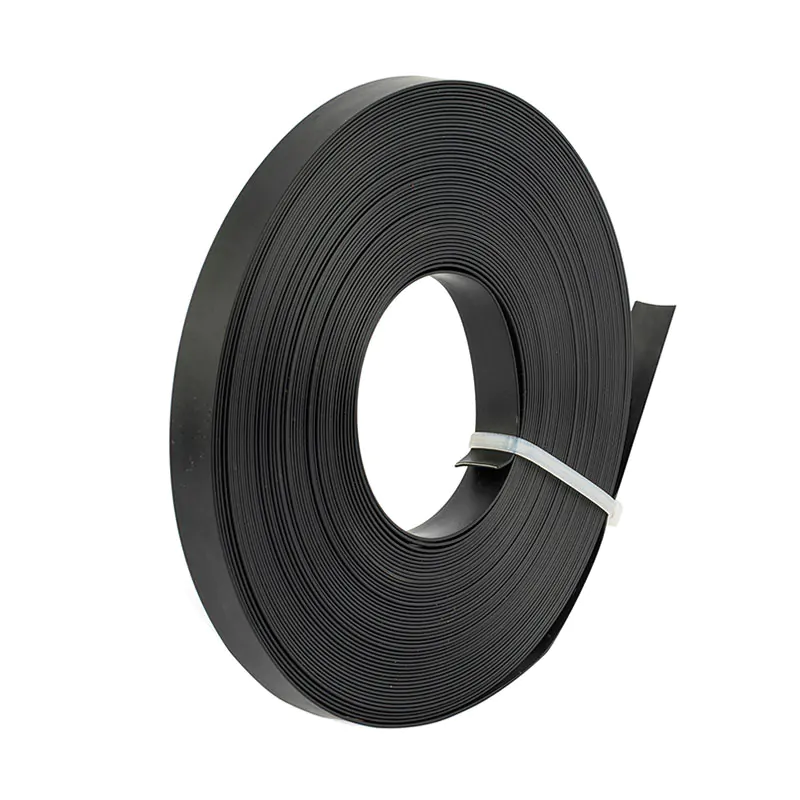
An uncoated tie offers maximum temperature and chemical resistance. A polyester-coated stainless steel cable tie provides an extra layer of electrical insulation, reduces the risk of galvanic corrosion when attached to dissimilar metals, and offers a smoother, often colored, finish.
Conclusion
In summary, stainless steel cable ties offer a permanent, reliable fastening solution where plastic alternatives are inadequate. Their key advantages include exceptional tensile strength, superior resistance to corrosion and extreme temperatures, and versatility across countless industries. For projects demanding safety and longevity, upgrading to stainless steel is a smart investment.
Ready to secure your most demanding projects with ultimate reliability? Explore our premium selection of 304 and 316 stainless steel cable ties at Xinxing today.