



Why Use Nylon Marker Tags with SS Inlay for Wire and Cable Identification?
Introduction
Reliable wire and cable identification is an important part of electrical installation, industrial automation, power distribution, telecommunications, machinery, and control systems. As modern equipment becomes more complex, a single system may contain hundreds or thousands of wires and cables. Without clear identification, installation, maintenance, inspection, and troubleshooting can become time-consuming and error-prone.
Traditional paper labels and basic plastic cable markers may work well in simple indoor environments, but they may not provide enough durability for applications exposed to moisture, vibration, abrasion, chemicals, temperature changes, or outdoor conditions.
A Nylon Marker Tag with SS Inlay offers a durable identification solution by combining a nylon structure with a stainless steel inlay. This combination can provide mechanical durability, corrosion resistance, and reliable identification for demanding applications.
But why should businesses choose Nylon Marker Tags with SS Inlay instead of conventional cable identification products? This article explores their main advantages and explains how to select the right solution.
What Is a Nylon Marker Tag with SS Inlay?
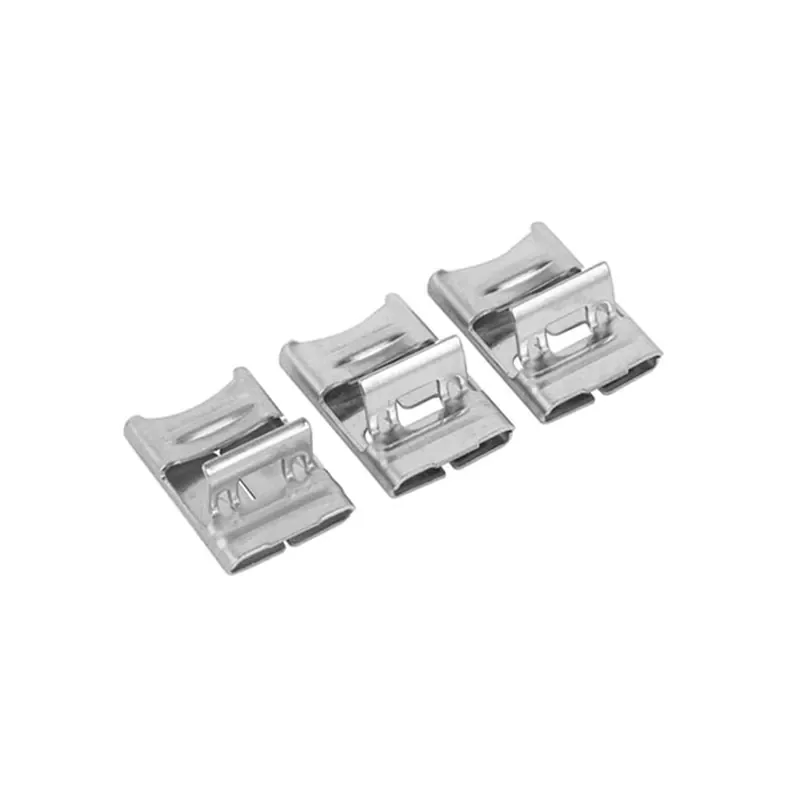
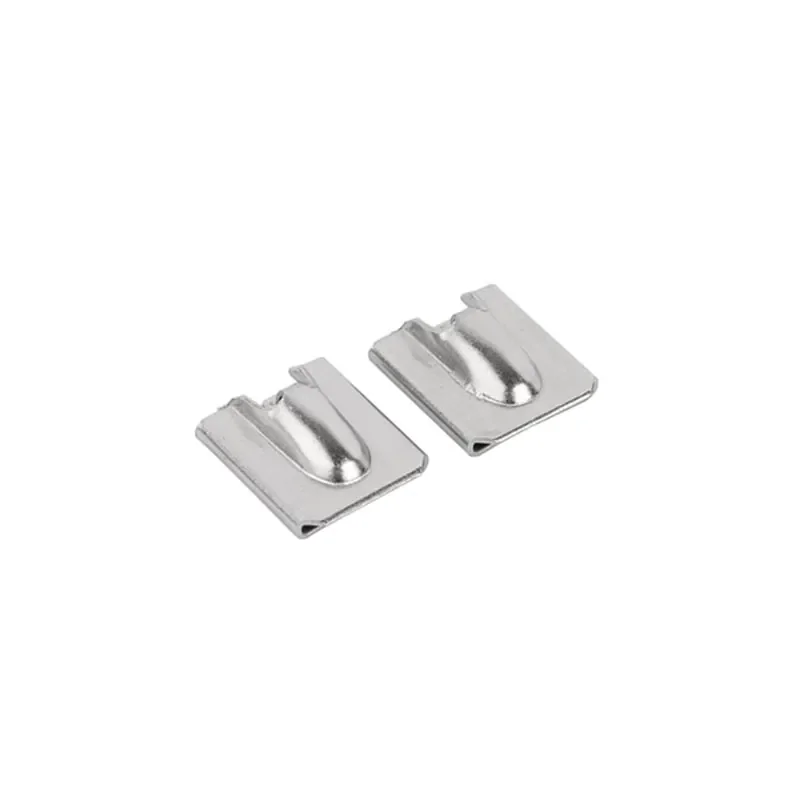
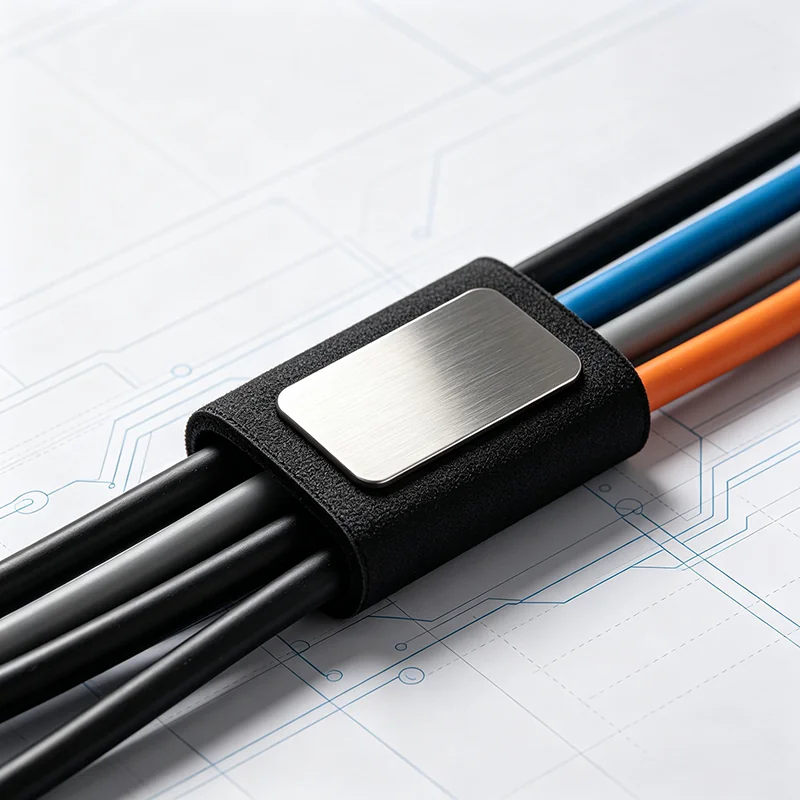
A Nylon Marker Tag with SS Inlay is a wire and cable identification marker constructed with a nylon body and a stainless steel inlay or identification component.
The nylon material provides a lightweight and durable structure, while the stainless steel component adds strength and resistance to corrosion and mechanical wear. Depending on the design, the marker can be customized with letters, numbers, symbols, logos, or other identification information.
These markers can be used on electrical wires, control cables, power cables, communication cables, equipment, terminals, and other components that require long-lasting identification.
The specific performance of the marker depends on the nylon grade, stainless steel specification, marking technology, dimensions, and installation method. Therefore, product selection should always be based on the actual application environment.
Why Is Reliable Cable Identification Important?
Wire and cable identification is more than simply attaching a label to a cable. It is an important part of maintaining an organized electrical system.
In a control cabinet, for example, multiple cables may have similar colors, sizes, and routing paths. Without clear identification, technicians may need to manually trace individual wires to determine where they lead. This can increase maintenance time and create opportunities for wiring errors.
Durable identification allows technicians to quickly recognize cables during installation, testing, repair, and replacement. It can also make future system modifications easier because new cables can be identified according to an established numbering system.
For large industrial facilities, reliable identification can therefore contribute to better maintenance efficiency and more organized cable management.
1. Better Durability for Industrial Environments
One of the main reasons to choose a Nylon Marker Tag with SS Inlay is its durable construction.
Industrial cable markers may be exposed to mechanical handling, vibration, abrasion, moisture, dust, and other environmental conditions. A marker that cracks, detaches, or becomes unreadable can reduce the effectiveness of the entire identification system.
The nylon body provides mechanical support, while the stainless steel inlay adds an additional durable component. When the materials and marking method are properly selected, the marker can provide reliable identification for long-term industrial applications.
2. Improved Corrosion Resistance
Corrosion can be a significant concern in outdoor, humid, marine, and industrial environments.
Stainless steel is widely used because of its resistance to corrosion. Incorporating an SS inlay into a nylon marker can therefore provide an additional level of protection for applications where ordinary identification materials may deteriorate more quickly.
However, corrosion resistance depends on the specific stainless steel grade and environmental conditions. Applications involving salt spray, aggressive chemicals, or continuous moisture should be evaluated carefully before selecting the product.
3. Good Resistance to Mechanical Wear
Cable markers can experience considerable mechanical stress during installation and maintenance.
Technicians may handle, move, reposition, or inspect cables multiple times during the service life of equipment. In industrial facilities, vibration and cable movement can also contribute to abrasion.
A Nylon Marker Tag with SS Inlay is designed to provide a more robust identification solution than many lightweight paper-based labels. Its material combination can help the marker withstand normal mechanical exposure while maintaining its identification function.
4. Suitable for Long-Term Identification
Industrial equipment may remain in service for many years. Replacing identification labels repeatedly can increase maintenance work and make cable management less consistent.
A durable marker can help maintain identification throughout a longer service period. This is especially useful for installations where cables are located in difficult-to-access areas or where equipment shutdowns are costly.
Long-term identification also helps preserve consistency in maintenance documentation. When cable numbers and equipment codes remain readable, technicians can more easily match physical cables with electrical drawings and maintenance records.
5. Lightweight but Strong Construction
Another advantage is the combination of nylon’s lightweight properties with the strength of stainless steel.
A cable identification marker should be durable without adding unnecessary weight or bulk to the cable assembly. Nylon helps maintain a relatively lightweight structure, while the stainless steel inlay provides additional strength and durability.
This makes the design suitable for applications involving individual wires, cable bundles, control cables, and other installations where space and weight may need to be considered.
6. Better Performance in Demanding Applications
Not all cable identification applications have the same requirements.
A simple indoor office installation may only require a basic printed label. However, industrial machinery, power distribution systems, outdoor equipment, manufacturing facilities, and automation systems may expose markers to more demanding conditions.
A Nylon Marker Tag with SS Inlay can be considered when the application requires a stronger combination of mechanical and environmental performance.
Before choosing the product, however, the actual temperature range, chemical exposure, moisture level, UV exposure, and mechanical conditions should be reviewed.
7. Supports Clear and Organized Cable Management
Good identification is an important part of cable management.
When each cable is clearly marked, technicians can more easily understand cable routing and identify individual circuits. This can be especially valuable in complex control cabinets and industrial automation systems where many cables enter and leave the same equipment.
A consistent marker system can also make future maintenance more efficient. New cables can follow the same identification format, helping maintain an organized system over time.
8. Suitable for Different Industrial Applications
Nylon Marker Tags with SS Inlay can be used across many industries.
Electrical and Power Distribution
They can be used to identify power cables, control wires, terminals, circuits, and electrical equipment.
Industrial Automation
Automation systems often contain sensors, motors, PLC connections, communication cables, and control circuits. Durable identification helps technicians distinguish between numerous connections.
Telecommunications
Communication cabinets and infrastructure can contain dense cable networks. Clear cable identification helps simplify installation, inspection, and maintenance.
Industrial Machinery
Machinery may contain multiple motors, sensors, switches, and control devices. Cable markers can help identify individual connections and make troubleshooting more efficient.
Outdoor Electrical Equipment
When the selected materials and marking methods are suitable, durable markers can be used for outdoor installations exposed to moisture, temperature fluctuations, and other environmental factors.
Nylon Marker Tags with SS Inlay vs. Conventional Labels
The choice between a Nylon Marker Tag with SS Inlay and a conventional label depends on the application.
| Feature | Nylon Marker Tag with SS Inlay | Conventional Paper/Plastic Label |
| Mechanical durability | High, depending on design | Varies |
| Corrosion resistance | Good with suitable SS grade | Usually lower |
| Moisture resistance | Good, depending on material | Varies |
| Abrasion resistance | Good | Often limited |
| Long-term applications | Suitable | Application dependent |
| Industrial environments | Well suited | Depends on material |
| Customization | Available | Available |
Conventional labels can still be a practical and economical solution for stable indoor environments. For demanding industrial applications, however, a more durable marker may provide better long-term value.
How to Choose the Right Nylon Marker Tag with SS Inlay
Selecting the right product requires more than checking the overall dimensions. Start by evaluating the cable size and installation space to ensure the marker can be securely installed without interfering with other components.
Next, consider the operating environment. Temperature, moisture, chemicals, UV exposure, vibration, and abrasion can all affect marker performance.
The nylon grade and stainless steel specification should also be checked. For demanding environments, verify that the materials are suitable for the expected service conditions.
Finally, consider the marking method and fixing system. A durable marker needs durable identification and secure attachment. Laser marking, engraving, stamping, and other marking technologies may be suitable depending on the application.
What Information Can Be Marked?
The identification content depends on the requirements of the project. Common information includes:
Cable numbers
Wire numbers
Circuit codes
Terminal numbers
Equipment codes
Panel references
Connection information
Custom symbols or logos
For complex systems, it is recommended to establish a consistent identification format before production. This makes the markers easier to read and helps technicians quickly understand the cable system.
Common Mistakes to Avoid
A common mistake is choosing cable markers based only on price. The cheapest product may not provide sufficient durability for the intended environment.
Another mistake is using the same specification for every application. Indoor control cabinets, outdoor equipment, marine systems, and chemical processing facilities can have very different requirements.
It is also important to consider the marking itself. A physically durable marker does not provide much value if the identification becomes faded or unreadable.
Finally, make sure the marker and fixing system are compatible with the cable diameter. Incorrect sizing can make installation difficult and may affect long-term stability.
FAQ
What is the main advantage of a Nylon Marker Tag with SS Inlay?
Its main advantage is the combination of a durable nylon structure and stainless steel component, which can provide reliable cable identification with good mechanical and environmental resistance.
Are Nylon Marker Tags with SS Inlay suitable for industrial applications?
Yes. They can be used for industrial automation, electrical control systems, power distribution, machinery, telecommunications, and other applications where durable identification is required.
Can they be used outdoors?
They can be used outdoors when the selected nylon material, stainless steel grade, marking method, and fixing system are suitable for outdoor conditions. UV, moisture, temperature, and corrosion should be considered.
Are they better than ordinary plastic cable markers?
Not necessarily for every application. Ordinary plastic markers may be sufficient for simple indoor installations. Nylon Marker Tags with SS Inlay are more appropriate when additional durability and environmental resistance are required.
Can the markers be customized?
Yes. Depending on the manufacturer, customization may include dimensions, text, numbers, symbols, logos, marking methods, and mounting configurations.
What industries use Nylon Marker Tags with SS Inlay?
Common applications include electrical engineering, power distribution, industrial automation, telecommunications, machinery, manufacturing, transportation, and outdoor electrical systems.
What should I provide when requesting customized cable markers?
It is useful to provide the cable diameter, required marker dimensions, identification content, quantity, installation environment, fixing method, and any requirements for marking, materials, or compliance.
How do I choose the right marking method?
Consider the operating environment and required service life. The marking should remain readable despite expected exposure to abrasion, moisture, chemicals, UV radiation, and temperature changes. The supplier can recommend an appropriate method based on the application.
Conclusion
A Nylon Marker Tag with SS Inlay can provide a durable and practical solution for wire and cable identification in industrial environments. Its combination of nylon and stainless steel offers a useful balance of lightweight construction, mechanical durability, corrosion resistance, and long-term identification performance.
Compared with conventional paper or basic plastic labels, this type of marker can be particularly valuable when cables are exposed to demanding environmental or mechanical conditions. However, the right product should always be selected according to the actual application.
By considering material, stainless steel specifications, cable size, marking method, fixing system, temperature, chemical exposure, and environmental conditions, businesses can establish a reliable identification system that supports faster installation, easier maintenance, and more efficient troubleshooting.