



What are Releasable Stainless Steel Cable Ties and When Should You Use Them?
In the world of industrial fastening and organization, stainless steel cable ties have long been the go-to solution for demanding environments. But what happens when you need a secure bundle today that might need to be reconfigured tomorrow? Enter the releasable stainless steel cable tie—a versatile tool that combines the strength and durability of stainless steel with the flexibility of reusable design. This blog will explain exactly what these innovative ties are, how they work, and guide you through the key situations where they outperform their permanent counterparts. Whether you’re managing complex wiring harnesses or securing equipment in harsh conditions, understanding this tool can save you time, money, and frustration. At Xinxing, we specialize in providing robust, reliable fastening solutions for your toughest challenges.
Understanding the Design: How Releasable Stainless Steel Ties Work
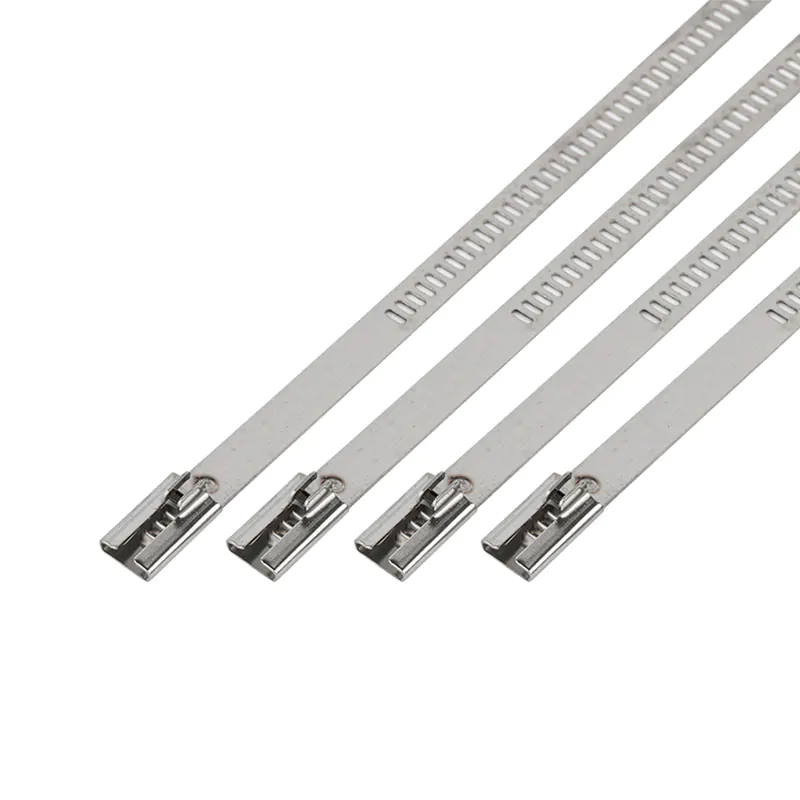
Unlike a standard one-time-use cable tie, a releasable stainless steel cable tie features a unique locking mechanism designed for multiple engagements. The most common design incorporates a pawl-and-ratchet system with a built-in release lever. The user threads the tapered end through the head, and the pawl locks onto the serrated band (ratchet) under tension, just like a standard tie. The critical difference lies in the release mechanism—a small, integrated tab or lever. When this tab is pressed or lifted, it disengages the pawl from the ratchet, allowing the band to be pulled back out freely without cutting. This intelligent engineering transforms stainless steel ties from a disposable item into a reusable, adjustable asset for dynamic projects and maintenance-heavy applications.

Key Advantages Over Other Fastening Methods
Releasable stainless steel cable ties offer a distinct set of benefits that make them indispensable in specific scenarios. Their primary advantage is reusability and adjustability, which reduces waste and allows for easy modifications to cable bundles or secured items without destroying the tie. They provide the full corrosion resistance and high tensile strength of 304 or 316 stainless steel, making them suitable for outdoor, marine, chemical, and high-temperature environments where plastic ties would fail. Furthermore, they offer enhanced security compared to reusable plastic ties, as the stainless steel construction is far more resistant to UV degradation, weathering, and tampering. While the initial unit cost is higher than a standard tie, their long-term cost-effectiveness in applications requiring frequent changes is significant.
Comparative Analysis: Releasable vs. Other Cable Tie Types
Choosing the right cable tie depends on the project’s permanence, environment, and budget. The table below clearly outlines where releasable stainless steel ties stand against other common options.
| Feature | Releasable Stainless Steel Tie | Standard (Permanent) Stainless Steel Tie | Releasable Plastic Tie | Standard Nylon Tie |
|---|---|---|---|---|
| Primary Function | Secure, release, and re-secure bundles. | Permanent, one-time fastening. | Adjustable fastening for light-duty use. | General-purpose, one-time fastening. |
| Material & Strength | High-strength stainless steel (e.g., 304/316). | High-strength stainless steel (e.g., 304/316). | Nylon or other engineered plastics. | Nylon (various grades). |
| Reusability | High – Designed for multiple release cycles. | None – Must be cut off for removal. | Moderate – Reusable but less durable. | None – Must be cut off for removal. |
| Environmental Resistance | Excellent – Resists corrosion, UV, extreme temps, chemicals. | Excellent – Resists corrosion, UV, extreme temps, chemicals. | Poor to Fair – Susceptible to UV, heat, and chemical damage. | Fair – Varies by grade; general outdoor use possible. |
| Ideal Use Case | Temporary rigging, prototype work, equipment requiring frequent maintenance/access. | Permanent installations in harsh environments (e.g., chemical plants, offshore). | Indoor wire management where changes are expected (e.g., data centers, labs). | General indoor/outdoor bundling where permanence is acceptable. |
| Cost Perspective | Higher initial cost, lower long-term cost for dynamic applications. | Low initial cost for permanent solutions. | Moderate cost for reusable light-duty tasks. | Very low initial cost. |
When to Use Releasable Stainless Steel Cable Ties: Primary Applications
Knowing when to deploy this tool is key to maximizing its value. Here are the most common and appropriate use cases:
-
Prototyping, Testing, and Temporary Installations: During product development or system testing, configurations change frequently. Releasable ties allow engineers to securely bundle wires and components while making adjustments easy without destroying hardware.
-
Equipment and Panels Requiring Regular Maintenance: Securing wiring looms inside machinery, control panels, or aerospace/vehicle compartments that need routine inspection or part replacement. They provide a secure hold that can be quickly undone and re-fastened by maintenance personnel.
-
Harsh and Corrosive Environments Where Adjustability is Needed: Applications in marine, wastewater treatment, food processing, or chemical plants where both corrosion resistance andthe ability to modify setups are crucial. They are perfect for securing sensors, temporary lines, or access panels.
-
High-Value or Critical Bundling: For securing expensive or sensitive components where the risk of damage from cutting a permanent tie is unacceptable. The releasable mechanism allows for safe, tool-free removal.
How to Select and Use Them Effectively
To get the best performance from releasable stainless steel cable ties, follow these guidelines. First, select the correct size and strength. Ensure the tie’s length is sufficient for your bundle diameter, and its tensile strength (rated in pounds) exceeds any anticipated load. Xinxing offers a range of sizes to fit various needs. For installation, hand-tighten firmly; avoid using tensioning tools designed for permanent ties, as they may over-stress the reusable mechanism. To release, clearly identify the tab (often marked “Press” or with an arrow) and use a small tool or your fingernail to disengage it while pulling the tail backwards. Finally, inspect before reuse. Check the band for kinks and the locking head for debris or damage to ensure it will secure reliably on its next use.
Conclusion
Releasable stainless steel cable ties are the intelligent choice for dynamic, demanding, or maintenance-intensive applications where the strength of metal and the flexibility of reuse are both required. They bridge the gap between permanent installation and temporary setup, offering long-term value and operational efficiency. For reliable, high-performance releasable ties that stand up to your most challenging environments, explore the solutions from Xinxing. Contact our team today to find the perfect reusable fastening product for your specific application.
FAQ
Q: How does the release mechanism work?
A: A small integrated tab or lever inside the locking head, when pressed, lifts the pawl away from the serrated band, allowing it to be withdrawn freely.
Q: Can a releasable stainless steel tie be reused indefinitely?
A: While designed for multiple uses, its lifespan depends on the environment and handling. Inspect for wear, corrosion, or damage to the lock and band before each reuse.
Q: Are they as strong as permanent stainless steel ties?
A: Yes, high-quality releasable ties are made from the same grades of stainless steel and can have comparable tensile strength ratings. The locking mechanism is engineered for robust performance.
Q: When should I NOT use a releasable tie?
A: Avoid them in applications requiring a completely tamper-proof or vibration-proof permanentseal, or where the release mechanism could be accidentally triggered. Use a standard permanent tie instead.
Q: Why choose Xinxing for releasable cable ties?
A: Xinxing provides high-quality, durable stainless steel fastening solutions backed by technical expertise. We help you select the right product to ensure safety, reliability, and cost-effectiveness in your operations.