



Understanding the Structure and Locking Mechanism of Releasable Cable Ties
Introduction
Releasable cable ties are widely used in electrical installations, industrial equipment, automotive wiring, and data center cable management. Unlike traditional single-use cable ties, they are designed to be reused multiple times without cutting, making them more flexible and cost-efficient.
To understand how they work, it is important to break down their structure and locking mechanism, which together determine their strength, usability, and reliability.
What Are Releasable Cable Ties?
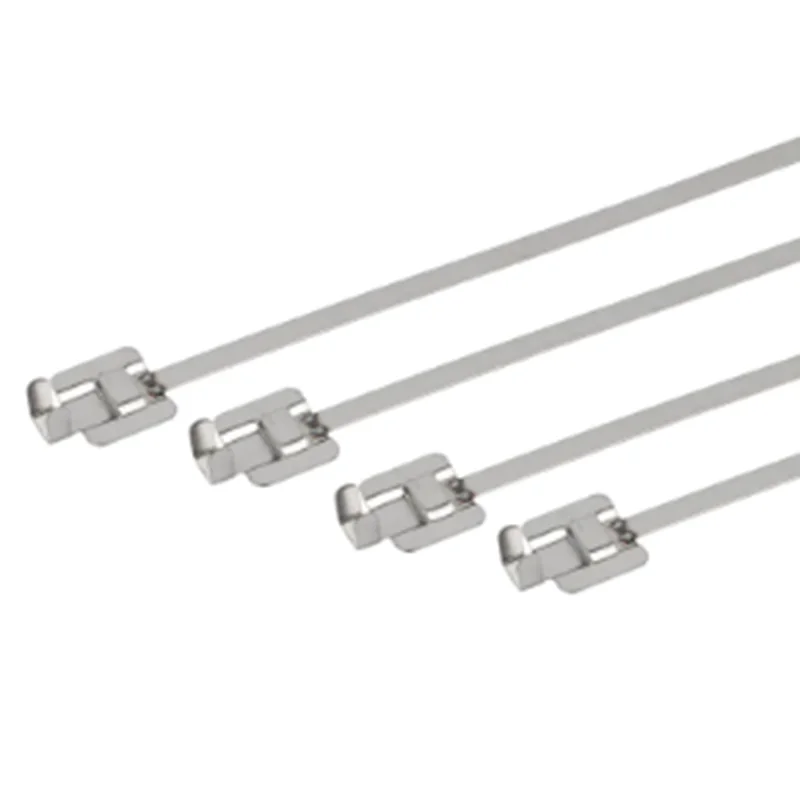
Releasable cable ties are fastening devices that can be locked, tightened, and then manually released using a built-in unlocking mechanism. They are typically made from materials such as:
Nylon (PA66) for general applications
UV-resistant nylon for outdoor environments
Stainless steel for heavy-duty or corrosive conditions
Their key advantage is reusability, especially in environments where wiring changes frequently.
Basic Structure of Releasable Cable Ties
A typical releasable cable tie consists of four main parts:
1. Strap (Body)
The long flexible strip used to wrap around cables or objects. It usually has uniform teeth or serrations on one side.
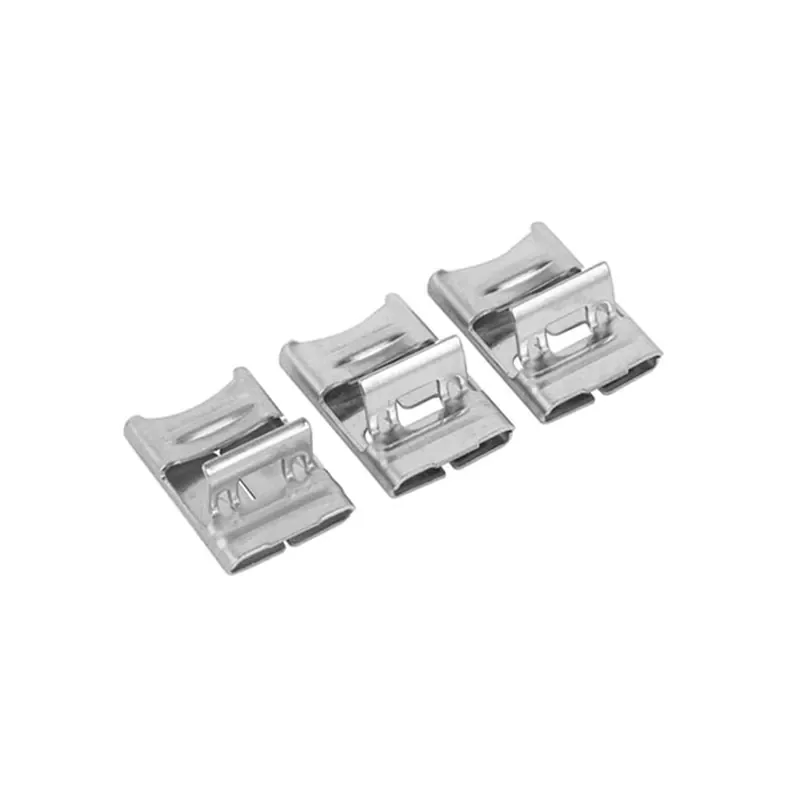
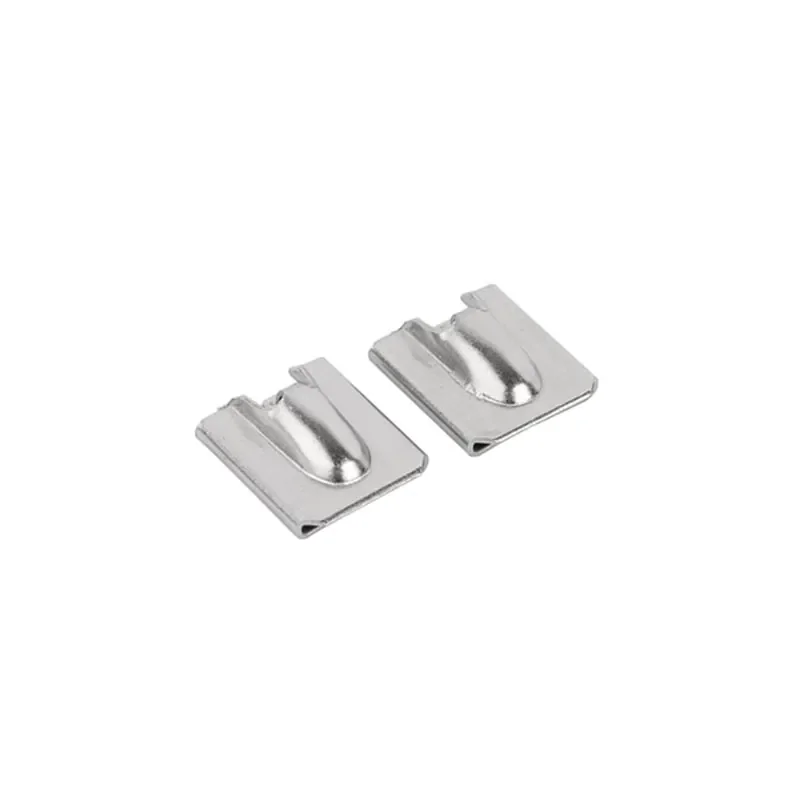
2. Locking Head
The head contains the internal mechanism that grips the strap and prevents it from loosening.
3. Pawl (Locking Tooth)
Inside the head is a small flexible tooth that engages with the serrations on the strap.
4. Release Tab or Lever
This is the key feature that distinguishes releasable cable ties. It allows the pawl to be lifted or disengaged so the strap can be removed or adjusted.
How the Locking Mechanism Works
The locking system of a releasable cable tie is based on a ratchet-and-pawl design:
Step 1: Insertion
The strap is inserted through the head, passing under the pawl.
Step 2: Tightening
When pulled, the serrations on the strap slide past the pawl in one direction only. This creates a tightening effect.
Step 3: Locking
Once tension is released, the pawl locks into the nearest serration, preventing backward movement.
Step 4: Releasing
When the release tab is pressed, the pawl lifts away from the strap, allowing it to slide back freely.
This mechanism ensures a strong one-way hold, while still allowing controlled release when needed.
Key Design Features That Affect Performance
1. Tooth Precision
Finer serrations allow more precise tightening adjustments.
2. Pawl Elasticity
The flexibility of the locking tooth determines durability and reusability.
3. Head Strength
A reinforced locking head improves load-bearing capacity.
4. Material Selection
Material affects:
Temperature resistance
UV stability
Chemical resistance
5. Advantages of the Releasable Design
Reusable multiple times without cutting
Easy maintenance and reconfiguration of cable systems
Reduced waste and cost over time
Faster troubleshooting in electrical systems
Safer installation adjustments compared to cutting ties
Common Applications
Releasable cable ties are commonly used in:
Electrical wiring and panel assembly
Data centers and server racks
Automotive wiring harnesses
HVAC systems
Industrial machinery maintenance
Temporary installations and testing environments
Conclusion
The effectiveness of releasable cable ties lies in their simple yet precise engineering: a ratchet-and-pawl locking system combined with a release mechanism. This design allows them to deliver strong holding force while still being reusable and adjustable.
As modern installations increasingly demand flexibility and efficiency, releasable cable ties continue to replace traditional one-time-use fasteners in many industries.
FAQ
1. What is a releasable cable tie?
A releasable cable tie is a reusable fastening device designed to bundle and secure cables. Unlike standard cable ties, it includes a built-in release mechanism that allows it to be opened and reused multiple times without cutting.
2. How does the release mechanism work?
The release mechanism works by lifting or disengaging a small locking pawl inside the head of the tie. When the tab is pressed, the pawl releases the serrated strap, allowing it to slide back freely and be readjusted or removed.
3. Are releasable cable ties as strong as standard cable ties?
Yes, in most cases they offer comparable tensile strength to standard nylon cable ties. However, because they include a release structure, they may have slightly lower maximum load capacity in heavy-duty applications.
4. Can releasable cable ties be reused multiple times?
Yes. They are specifically designed for repeated use. However, the number of reuse cycles depends on material quality, load conditions, and environmental exposure such as UV light or heat.
5. What materials are releasable cable ties made from?
Most are made from:
Nylon 6/6 (standard indoor use)
UV-resistant nylon (outdoor use)
Stainless steel (harsh or corrosive environments)