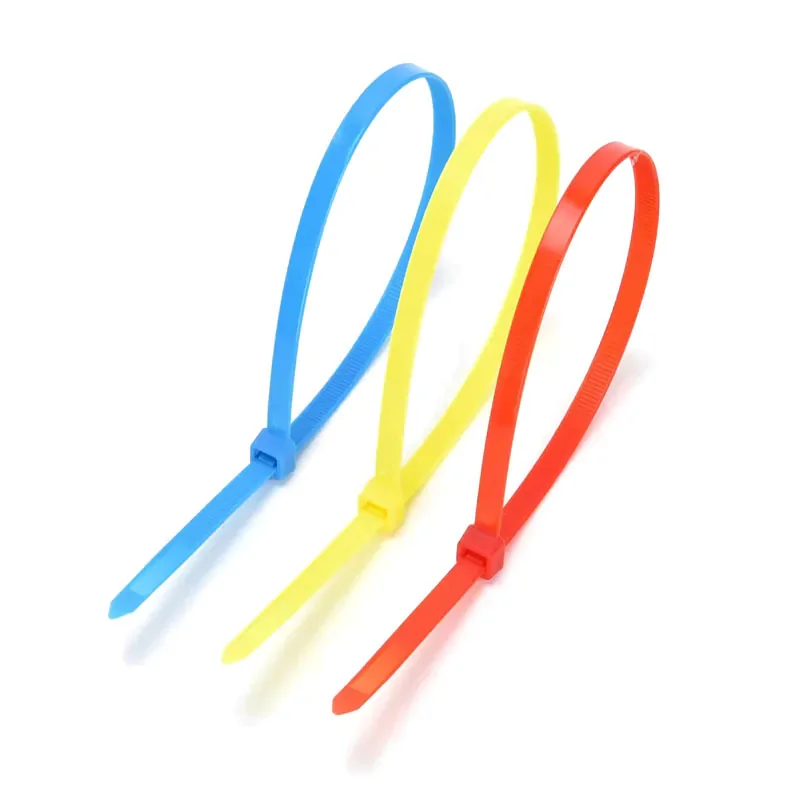




Stainless Steel Band and Straps with Buckles: How the Complete Strapping System Works
Introduction
Stainless steel band and straps are widely used for securing cables, pipes, signs, equipment, and other components in demanding environments. Compared with many conventional fastening materials, stainless steel provides excellent corrosion resistance, mechanical strength, and durability, making it suitable for both indoor and outdoor installations.
However, stainless steel banding is rarely used as a standalone product. A complete strapping system normally includes stainless steel band or straps, buckles, and installation tools. These components work together to create a secure connection around a pole, pipe, cable bundle, or other structure.
Understanding how these components work together can help installers, distributors, and industrial buyers select the right stainless steel banding system for their applications.
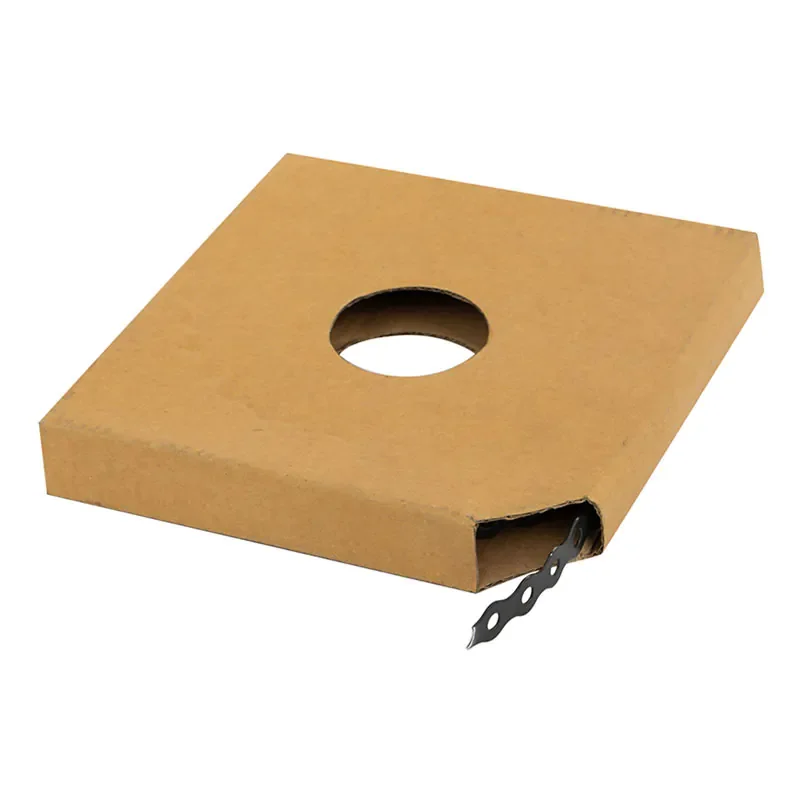
What Is a Stainless Steel Band and Straps System?
A stainless steel band and straps system is a mechanical fastening solution designed to secure objects using a continuous strip of stainless steel. The band is wrapped around the object or supporting structure, while a buckle or locking component holds the band in position.
Depending on the application, stainless steel banding can be supplied in different widths, thicknesses, and lengths. Common stainless steel grades include 304 and 316, with 316 generally offering better resistance to chloride-rich and marine environments.
The basic system consists of three main components:
Stainless steel band or strap: Provides the main fastening force around the installation.
Stainless steel buckle: Locks or retains the band after tensioning.
Banding tool: Cuts, tensions, and secures the band during installation.
When properly selected and installed, these components form a strong and durable fastening system without requiring drilling or welding in many applications.
How Do Stainless Steel Bands and Buckles Work Together?
The working principle is relatively simple. First, the stainless steel band is positioned around the object that needs to be secured. The band is then passed through or positioned with the buckle according to the specific buckle design.
A tensioning tool applies force to the band, removing slack and creating a tight connection. Once the desired tension is achieved, the band is locked in place through the buckle. The excess stainless steel strap can then be cut off, and the remaining end can be folded or secured depending on the installation method.
The buckle is important because it helps maintain the tension created during installation. Without a suitable locking component, the band may loosen under vibration, movement, or environmental loads.
Main Components of a Stainless Steel Strapping System
Stainless Steel Band
The stainless steel band provides the primary mechanical strength of the system. Its width and thickness influence the overall load capacity, rigidity, and suitability for different applications.
304 stainless steel is commonly selected for general outdoor and industrial applications because it provides a good balance between corrosion resistance, strength, and cost. For environments exposed to salt spray, seawater, or aggressive chemicals, 316 stainless steel can provide additional corrosion resistance.
The correct band dimensions should be selected according to the object being secured and the expected environmental and mechanical conditions.
Stainless Steel Buckles
Stainless steel buckles connect and lock the band after it has been wrapped around the installation. Different buckle designs may be used for different band widths, thicknesses, and installation methods.
A suitable buckle should match the stainless steel band in terms of size and material. Using an incompatible buckle can make tensioning difficult and may reduce the reliability of the finished installation.
Buckles are particularly important in applications where long-term exposure to moisture, temperature changes, vibration, and outdoor conditions is expected. Stainless steel buckles help maintain the corrosion resistance of the overall fastening system.
Banding and Tensioning Tools
Manual or powered banding tools are used to tension and secure stainless steel straps. A typical tool can help installers apply consistent tension and cut the band after the fastening operation.
For occasional installations, manual tools may be sufficient. For large projects or repetitive production work, specialized tensioning and cutting equipment can improve installation speed and consistency.
How to Install Stainless Steel Band and Straps with Buckles
Although installation procedures vary according to the buckle and tool design, the general process includes several steps.
1. Prepare the Band
Select the appropriate stainless steel band according to the required width, thickness, material grade, and installation environment. Cut or unwind enough material to completely surround the object while leaving additional length for tensioning and locking.
2. Position the Band Around the Object
Wrap the stainless steel band around the pole, pipe, cable bundle, sign, or equipment. Make sure the band sits in the correct position and does not interfere with nearby components.
The band should remain reasonably aligned during installation. Twisting or uneven positioning can affect the finished connection.
3. Install the Buckle
Place the buckle at the designated connection point and feed the band through the buckle according to its design. Ensure that the band is correctly seated before applying tension.
4. Apply Tension
Use the appropriate banding tool to pull the strap tight. Proper tension helps reduce movement between the secured object and the supporting structure.
Over-tensioning should be avoided because excessive force can deform the band, damage the supported component, or affect the buckle connection.
5. Lock the Band
Once the desired tension has been reached, secure the band through the buckle. The exact locking method depends on the buckle design and installation tool.
6. Cut and Finish
After the band has been locked, cut away the excess material using the appropriate tool. The finished connection should have no unnecessarily sharp or exposed edges that could create a handling or maintenance hazard.
Where Are Stainless Steel Banding Systems Used?
Stainless steel band and buckle systems are suitable for a wide range of industrial and infrastructure applications.
Pole Mounting
One of the most common applications is mounting equipment and accessories to utility, telecommunications, lighting, and other poles. Stainless steel banding can secure brackets, signs, cable accessories, and other components without drilling into the pole.
Cable and Electrical Installations
Stainless steel straps can be used to organize and secure cable bundles, conduits, and electrical components. Their resistance to weathering makes them suitable for many outdoor electrical installations.
Pipe and Equipment Mounting
Banding systems can also secure pipes, signs, sensors, enclosures, and other equipment to supporting structures. They are particularly useful when a non-permanent or drilling-free fastening method is preferred.
Telecommunications and Infrastructure
Telecommunications installations often involve cables, cabinets, brackets, and other equipment mounted on poles or structural supports. Stainless steel banding provides a practical method for securing these components in outdoor environments.
Marine and Coastal Applications
Where installations are exposed to salt spray and humid conditions, corrosion resistance becomes especially important. Depending on the environment, 316 stainless steel band and buckles may be preferred for improved resistance to chloride exposure.
Benefits of Using Stainless Steel Bands with Buckles
A complete stainless steel strapping system offers several practical advantages.
Corrosion resistance is one of the main benefits. Stainless steel can withstand many outdoor and industrial environments better than ordinary carbon steel fastening materials.
High mechanical strength allows stainless steel bands to secure components firmly while maintaining a relatively compact profile.
Flexible installation is another advantage. Banding can often be wrapped around poles, pipes, and irregular structures without requiring holes, bolts, or welding.
Long service life can reduce the need for frequent replacement, especially when the appropriate stainless steel grade is selected for the environment.
The system can also be relatively easy to install when the correct banding tool and buckle are used, making it suitable for both maintenance work and larger installation projects.
How to Choose the Right Stainless Steel Band and Buckle
When selecting a stainless steel strapping system, buyers should consider more than just the band material.
First, determine the required stainless steel grade. 304 is suitable for many general-purpose applications, while 316 may be more appropriate for marine, coastal, or chloride-rich environments.
Next, select the correct band width and thickness. Heavier applications may require a thicker or wider band, while smaller installations may use narrower straps.
The buckle must be compatible with the band dimensions. The buckle should also provide sufficient holding strength for the intended application.
Environmental conditions should also be considered. Temperature, humidity, chemicals, salt exposure, vibration, and UV exposure can all affect long-term fastening performance.
Finally, consider the installation tool. The tool should match the selected band and buckle system and provide the required tensioning and cutting functions.
Stainless Steel Band, Buckle and Tool: Why the Complete System Matters
The performance of stainless steel banding depends on the interaction between all components. A high-quality stainless steel strap cannot compensate for an unsuitable buckle or incorrect installation.
For example, using a strong 316 stainless steel band with a poorly matched buckle may create a weak point in the system. Similarly, insufficient tension can allow movement, while excessive tension can damage the band or the supported equipment.
For this reason, stainless steel band, buckle, and tool should ideally be selected as a compatible system rather than as completely independent components.
Conclusion
Stainless steel band and straps with buckles provide a practical fastening method for pole mounting, cable management, pipe support, telecommunications, electrical installations, and other industrial applications. The band provides the primary fastening strength, the buckle locks the connection, and the installation tool helps achieve the required tension and finish.
Choosing the right stainless steel grade, band dimensions, buckle type, and installation tool is essential for reliable long-term performance. For demanding outdoor or corrosive environments, selecting a complete stainless steel strapping system designed for the specific application can help improve fastening security, durability, and installation efficiency.
FAQ
What is a stainless steel banding system?
A stainless steel banding system normally consists of stainless steel band or straps, buckles, and installation tools. The band is wrapped around an object and secured with a buckle to create a durable mechanical fastening connection.
What are stainless steel buckles used for?
Stainless steel buckles are used to lock or retain stainless steel band after it has been wrapped and tensioned around an object. They help maintain the connection and provide compatibility with the selected banding system.
Is 304 or 316 stainless steel better for banding?
304 stainless steel is suitable for many general industrial and outdoor applications. 316 stainless steel provides higher resistance to chloride and marine environments and may be preferred for coastal or highly corrosive conditions.
Can stainless steel banding be used for pole mounting?
Yes. Stainless steel banding is widely used for pole mounting applications, including securing brackets, signs, cable accessories, enclosures, and other equipment to poles without drilling or welding.
Do I need a special tool for stainless steel banding?
A suitable banding or tensioning tool is recommended because it helps apply consistent tension and cut the band cleanly. The tool should be compatible with the selected band and buckle.
How do I choose the right stainless steel band width?
The appropriate width depends on the application, required holding strength, supported load, installation space, and compatible buckle. Heavier-duty applications may require wider or thicker stainless steel banding.
Can stainless steel band and buckles be used outdoors?
Yes. Stainless steel banding systems are commonly used outdoors because of their corrosion resistance and durability. The appropriate stainless steel grade should be selected according to the environmental conditions.