



Stainless Steel Band and Straps for Pole Mounting: Applications, Benefits and Installation
Introduction
Pole mounting is widely used for securing cables, pipes, signs, electrical equipment, telecommunications devices, and other outdoor components. Because these installations are often exposed to rain, sunlight, humidity, temperature changes, and corrosive environments, the fastening system must provide reliable mechanical strength and long-term durability.
Stainless steel band and straps are a practical solution for pole mounting applications. They can provide strong and consistent fastening without relying on drilling or welding the pole. Available in different widths, thicknesses, materials, and surface finishes, stainless steel bands can be selected according to the load, installation environment, and service requirements.
What Are Stainless Steel Band and Straps?
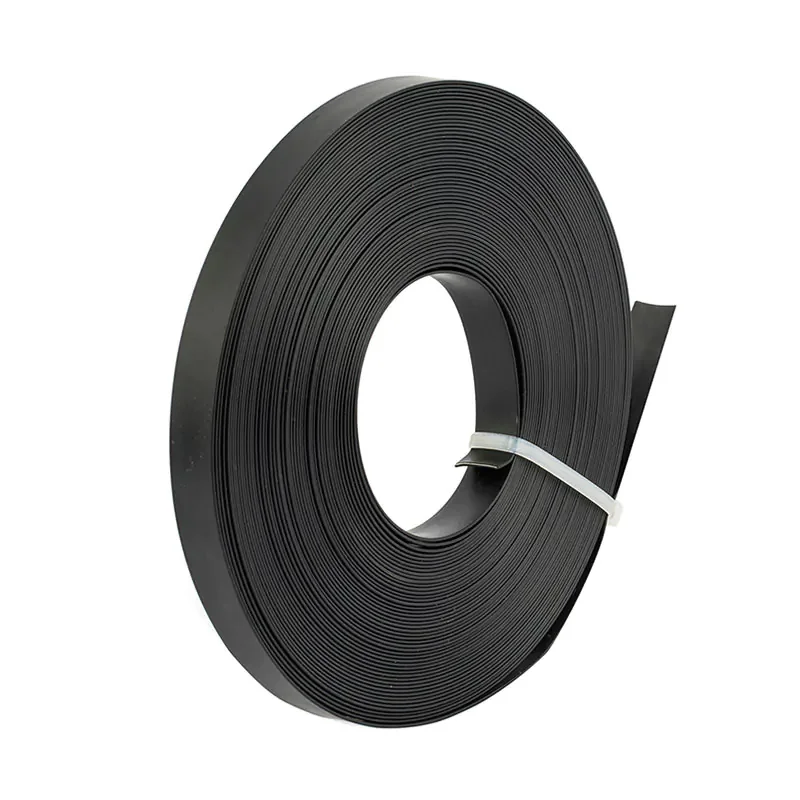
Stainless steel band and straps are metal fastening materials manufactured from corrosion-resistant stainless steel. They are typically supplied in rolls or pre-cut lengths and are used together with buckles, clamps, seals, or other fastening accessories.
During pole mounting, the stainless steel band is wrapped around the pole and the equipment or support bracket. A compatible buckle or locking mechanism is then used to secure and tension the band.
Unlike conventional plastic straps, stainless steel banding can maintain its mechanical properties across a wider range of outdoor conditions. This makes it particularly suitable for applications where strength, durability, and resistance to environmental exposure are important.
Common Applications of Stainless Steel Band and Straps for Pole Mounting
1. Telecommunications Equipment
Telecommunication networks frequently require equipment and cables to be installed on utility poles, communication poles, and other outdoor structures.
Stainless steel band and straps can be used to secure:
Fiber optic cable brackets
Communication cable supports
Junction boxes
Antennas and related components
Cable management accessories
Telecommunications enclosures
The ability to create a secure attachment without extensive modification of the pole makes stainless steel banding useful for network installation and maintenance.
2. Electrical Equipment and Cable Management
Electrical installations may require cables, conduits, signs, and equipment to be secured to poles. Stainless steel straps can help organize and support these components while maintaining a stable connection.
For outdoor electrical applications, selecting the appropriate stainless steel grade and band dimensions is important because the fastening system may be exposed to moisture, salt, chemicals, and temperature fluctuations.
3. Street and Traffic Signs
Stainless steel banding is also commonly used for attaching signs, brackets, identification plates, and other lightweight structures to poles.
For these applications, the band should provide sufficient tension to prevent movement caused by wind or vibration. The correct buckle and installation tool can further improve fastening consistency.
4. Solar and Outdoor Equipment
Small solar-related components, monitoring equipment, sensors, and other outdoor devices may need to be attached to poles or cylindrical structures.
Stainless steel band and straps can provide a flexible fastening method for these installations, especially when drilling into the pole is undesirable.
5. Pipes and Conduits
Pipes, protective conduits, and tubing can also be secured to poles using stainless steel banding systems. The band can work with brackets or clamps to distribute the load around the pole.
For heavier pipes or equipment, the band width, thickness, locking method, and number of fastening points should be carefully considered.
Key Benefits of Stainless Steel Band and Straps
Excellent Corrosion Resistance
One of the main advantages of stainless steel banding is its resistance to corrosion. This is particularly valuable for outdoor pole mounting, where the fastening system can be continuously exposed to rain and humidity.
For more demanding environments, such as coastal areas or locations with high chloride exposure, a suitable stainless steel grade should be selected based on the actual service conditions.
High Mechanical Strength
Stainless steel bands can provide strong circumferential fastening around poles. Depending on the band specification and fastening system, they can be used for both lightweight and demanding applications.
Choosing the appropriate width and thickness is essential because these dimensions directly affect the mechanical performance of the band.
Suitable for Outdoor Use
Outdoor installations require fastening materials that can withstand environmental exposure over time. Stainless steel does not require the same type of surface protection as many carbon-steel alternatives and can maintain a clean appearance in outdoor applications.
Flexible Installation
Stainless steel banding can accommodate poles with different diameters. The installer can cut the required length from a continuous roll, wrap it around the pole, and tension it using the appropriate tool.
This flexibility can simplify installation across different pole sizes and equipment configurations.
No Need for Pole Drilling
One important advantage of banding systems is that they can attach equipment without necessarily drilling holes into the pole.
This can reduce installation steps and avoid creating additional openings in the mounting structure. It can be especially useful when working with existing utility poles or structures where modification is undesirable.
Long-Term Reliability
When the correct stainless steel grade, band dimensions, buckle, and installation method are selected, stainless steel banding can provide a durable fastening solution for long-term outdoor installations.
304 vs. 316 Stainless Steel Band for Pole Mounting
Two common stainless steel grades used in fastening applications are 304 and 316 stainless steel.
304 stainless steel offers good corrosion resistance and is suitable for many general-purpose outdoor installations. It is often a practical choice where exposure to moisture is moderate and severe chloride conditions are not expected.
316 stainless steel contains molybdenum, which improves resistance to chloride-related corrosion. It can therefore be a better option for coastal, marine, offshore, or other highly corrosive environments.
The choice should not be based on grade alone. The expected load, installation location, exposure conditions, band dimensions, and required service life should all be considered.
How to Choose the Right Stainless Steel Band and Straps
Consider the Pole Diameter
Measure the circumference or diameter of the pole to determine the required band length. When using a continuous roll, allow additional length for wrapping, locking, and tensioning.
Select the Correct Band Width
Wider bands can distribute the fastening load over a larger contact area. Narrower bands may be appropriate for compact installations.
The appropriate width depends on the equipment weight, mounting structure, pole diameter, and required holding strength.
Check Band Thickness
Band thickness affects strength and handling characteristics. Heavy-duty installations generally require a thicker band, while lighter applications may use thinner material.
Avoid selecting a band based solely on appearance. The manufacturer’s load and performance specifications should be considered when designing a fastening system.
Choose the Appropriate Stainless Steel Grade
Consider the environment before selecting the material.
304 stainless steel: Suitable for many general outdoor applications.
316 stainless steel: Better suited to high-corrosion or chloride-rich environments.
Coated stainless steel: Can provide additional surface protection or help reduce direct contact between the band and the mounted component, depending on the coating.
Select Compatible Buckles and Tools
The band itself is only one part of the fastening system. Buckles, seals, clamps, and tensioning tools should be compatible with the selected band width and thickness.
A properly matched system can provide more consistent tension and reduce the risk of loose or uneven fastening.
How to Install Stainless Steel Band and Straps for Pole Mounting
Step 1: Prepare the Installation Area
Clean the pole and mounting surface and identify the exact location where the equipment or bracket will be installed.
Remove dirt, loose coatings, or debris that could interfere with positioning.
Step 2: Position the Equipment or Bracket
Place the bracket, cable support, sign, clamp, or other component against the pole.
Make sure the component is correctly aligned before tightening the band.
Step 3: Wrap the Stainless Steel Band
Pass the stainless steel band around the pole and through or around the mounting component.
For larger or heavier equipment, multiple bands may be required to distribute the load and improve stability.
Step 4: Insert the Band into the Buckle
Feed the band through the appropriate buckle or locking mechanism according to the fastening system design.
Make sure the band is positioned correctly before applying tension.
Step 5: Apply Tension
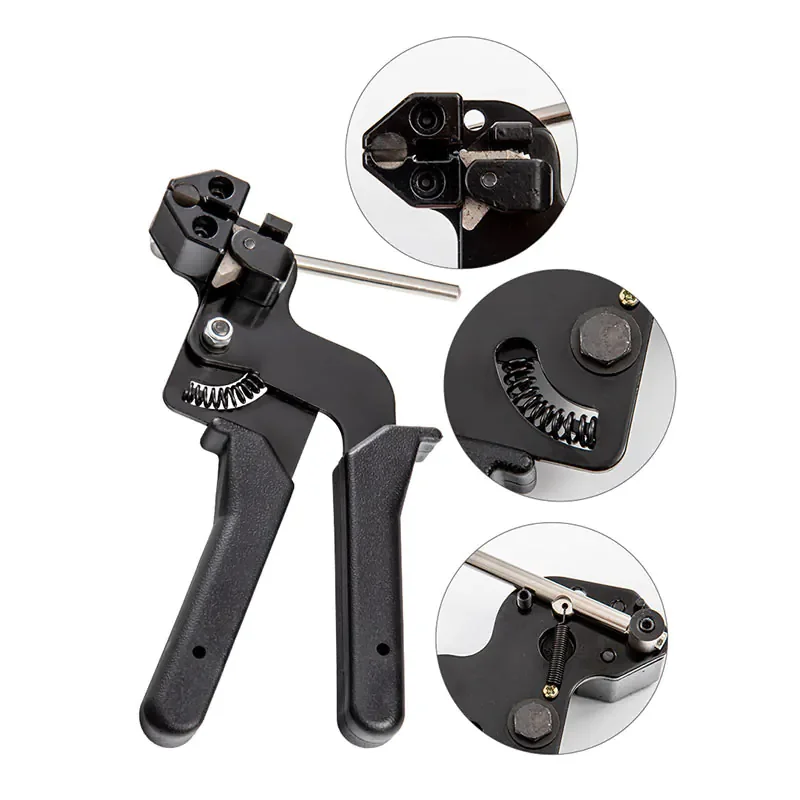
Use a suitable stainless steel banding tool to tighten the band around the pole.
Apply sufficient tension to secure the component without unnecessarily deforming the band, buckle, or mounted equipment.
Step 6: Lock and Cut the Band
Once the desired tension has been reached, lock the band using the specified fastening method and cut off the excess material.
Take care when handling cut stainless steel because the remaining edge can be sharp. The finished installation should leave no exposed edge that could create an unnecessary safety or maintenance issue.
Step 7: Inspect the Finished Installation
Check that the band is properly locked, evenly tensioned, and securely positioned.
Verify that the mounted equipment does not move excessively and that the band has not been twisted or damaged during installation.
Installation Tips for Better Performance
Several simple practices can improve the reliability of stainless steel pole mounting systems.
Use the correct banding tool. Manual or specialized tensioning tools can help achieve more consistent fastening than improvised methods.
Avoid over-tensioning. Excessive tension can damage the band, buckle, bracket, or mounted equipment.
Keep the band properly aligned. Twisted or uneven banding can reduce contact area and create uneven load distribution.
Use compatible components. The band, buckle, seal, clamp, and tool should be designed to work together.
Consider environmental exposure. Coastal and marine installations may require 316 stainless steel rather than 304 stainless steel.
Inspect installations periodically. Outdoor equipment should be checked for corrosion, mechanical damage, loosening, or movement as part of routine maintenance.
Stainless Steel Band and Straps vs. Plastic Straps for Pole Mounting
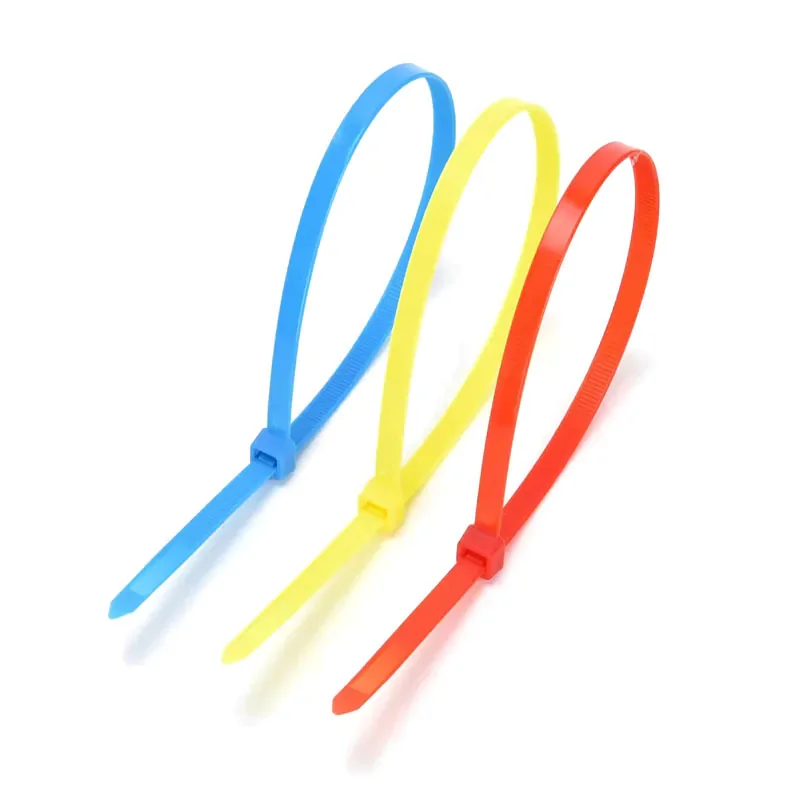
Plastic straps can be suitable for lightweight cable management and applications where environmental exposure and mechanical loads are limited. However, stainless steel banding generally offers higher mechanical strength and better resistance to demanding outdoor conditions.
Stainless steel is particularly advantageous when the installation requires long-term durability, resistance to weather exposure, or stronger mechanical fastening.
The best option depends on the application. For temporary, lightweight, or less demanding installations, plastic fastening products may be sufficient. For heavy-duty outdoor pole mounting, stainless steel band and straps can provide a more robust solution.
FAQ
Can stainless steel band and straps be used outdoors?
Yes. Stainless steel banding is widely suitable for outdoor fastening applications because of its corrosion resistance and mechanical strength. The appropriate stainless steel grade should be selected according to the environment.
Is 304 or 316 stainless steel better for pole mounting?
Neither is universally better. 304 stainless steel is suitable for many general outdoor applications, while 316 stainless steel provides improved resistance in chloride-rich and highly corrosive environments.
What equipment can be mounted with stainless steel straps?
Depending on the band specification and fastening system, stainless steel straps can be used for cables, brackets, signs, pipes, conduits, telecommunications equipment, electrical components, and other outdoor structures.
Do I need a special tool to install stainless steel banding?
A suitable tensioning and cutting tool is recommended, particularly for professional installations. It helps produce consistent tension and a secure finished fastening.
How do I select the right stainless steel band width?
Consider the equipment weight, required holding strength, pole diameter, mounting configuration, and environmental conditions. The manufacturer’s technical specifications should be used to determine the appropriate width and thickness.
Conclusion
Stainless steel band and straps for pole mounting provide a versatile fastening solution for telecommunications, electrical systems, cable management, signage, pipes, solar equipment, and other outdoor applications.
Their combination of corrosion resistance, mechanical strength, flexible installation, and long-term durability makes them suitable for demanding pole-mounted installations. To achieve reliable performance, users should consider the stainless steel grade, band width, thickness, pole diameter, fastening accessories, and installation method before selecting a product.
For general outdoor environments, 304 stainless steel can be a practical choice, while 316 stainless steel is often more suitable for coastal, marine, and chloride-rich conditions. With the right specifications and installation practices, stainless steel banding can provide secure and durable fastening for a wide range of pole mounting applications.