



How to Use a Cable Tie Tool Correctly: Installation Tips and Best Practices
Introduction
Cable ties are one of the most widely used fastening solutions for electrical wiring, automotive harnesses, industrial equipment, and construction projects. However, when working with large quantities of cables or applications requiring consistent fastening force, manually tightening cable ties can be inefficient and may lead to uneven results. A Cable Tie Tool provides a professional solution by improving installation speed, controlling tension, and ensuring a clean finish.
Using a cable tie tool correctly is essential for preventing cable damage, improving installation quality, and extending the service life of cable management systems. Whether using a manual cable tie tool or an automatic cable tie gun, understanding proper operation methods and best practices helps achieve reliable fastening performance.
What Is a Cable Tie Tool?
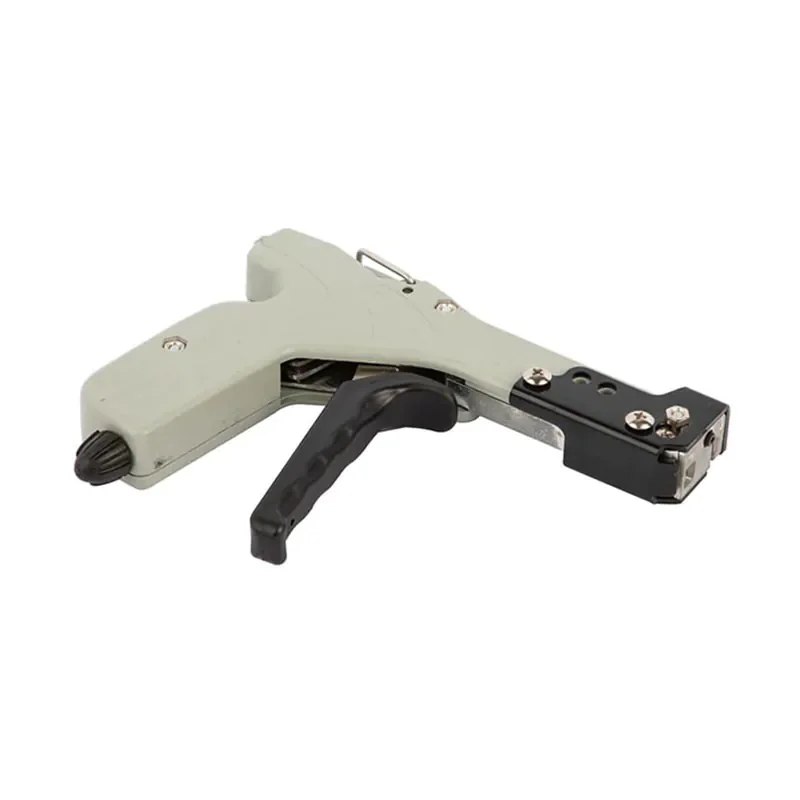
A Cable Tie Tool, also known as a cable tie gun or cable tie tensioning tool, is a specialized device designed to tighten and cut cable ties efficiently. It allows installers to apply controlled tension and remove excess tie material after fastening.
Compared with manual installation, a professional cable tie tool offers several advantages:
Consistent tightening force
Faster installation speed
Cleaner cutting results
Reduced hand fatigue
Lower risk of cable insulation damage
Cable tie tools are commonly used in industries such as electrical manufacturing, telecommunications, automotive production, aerospace, construction, and industrial assembly.
Types of Cable Tie Tools
Before learning how to use a cable tie tool, it is important to understand the different types available.
Manual Cable Tie Tools
Manual cable tie tools are widely used for small and medium installation projects. They are lightweight, easy to operate, and suitable for maintenance work and general wiring applications.
Advantages include:
Simple operation
Low maintenance requirements
Cost-effective solution
Suitable for various nylon cable tie sizes
Automatic Cable Tie Tools
Automatic cable tie tools are designed for high-volume production environments. They can automatically tighten and cut cable ties, significantly improving installation efficiency.
Typical applications include:
Automotive cable harness production
Electrical equipment assembly
Large-scale manufacturing lines
Pneumatic and Electric Cable Tie Tools
For demanding industrial applications, pneumatic and electric tools provide higher speed and more consistent performance. They are ideal for continuous operations where installation accuracy and productivity are critical.
Step-by-Step Guide: How to Use a Cable Tie Tool Correctly
Step 1: Select the Right Cable Tie
Before using the tool, choose a suitable cable tie according to:
Cable bundle diameter
Required tensile strength
Installation environment
Temperature and chemical conditions
Using an unsuitable cable tie may cause breakage, excessive pressure on cables, or poor fastening performance.
Step 2: Insert the Cable Tie Correctly
Wrap the cable tie around the cable bundle and insert the tail end through the locking head.
Ensure that:
The cable tie is positioned evenly around the bundle
The locking head is placed in an accessible position
The tail passes smoothly through the tool
Incorrect positioning may result in uneven tightening or improper locking.
Step 3: Place the Tool on the Cable Tie
Insert the cable tie tail into the tool’s gripping mechanism.
Make sure the tool is:
Properly aligned with the cable tie
Firmly attached to the tie tail
Positioned close enough to achieve proper tension
Correct alignment prevents slipping and improves tightening accuracy.
Step 4: Apply the Proper Tension
Activate the tool gradually until the desired tension is reached.
Avoid excessive tightening because it may:
Damage cable insulation
Restrict cable movement
Reduce the flexibility of the wiring system
Professional cable tie tools often include adjustable tension settings, allowing users to match the tool force with different cable tie specifications.
Step 5: Cut the Excess Tail
After reaching the correct tension, use the cutting function of the tool to remove the excess cable tie tail.
A quality cable tie tool provides:
Smooth cutting edges
No sharp leftover parts
A professional appearance
This is especially important in applications where workers may come into contact with the installed cables.
Best Practices for Using Cable Tie Tools
Choose the Correct Tension Setting
Different cable ties have different tensile strengths. Always adjust the tool according to the cable tie material and size.
For example:
Small nylon cable ties require lower tension
Heavy-duty cable ties require higher tension settings
Proper adjustment prevents both under-tightening and over-tightening.
Avoid Damaging Cable Insulation
Cable ties should secure cables without compressing them excessively. Over-tightening may damage insulation layers and affect electrical safety.
Maintain enough pressure to keep cables organized while allowing slight flexibility.
Keep the Tool Clean and Maintained
Regular maintenance improves tool performance and extends service life.
Recommended maintenance practices include:
Removing dust and debris
Checking cutting blades regularly
Inspecting moving parts
Replacing worn components when necessary
Use Compatible Cable Ties
Not all cable ties are suitable for every tool. Always confirm compatibility between the tool and cable tie specifications.
Consider:
Cable tie width
Material type
Tensile strength
Locking head design
Common Mistakes When Using Cable Tie Tools
Using the Wrong Tool Size
A tool designed for small cable ties may not provide enough force for heavy-duty ties. Similarly, oversized tools may damage lightweight cable ties.
Applying Too Much Tension
Excessive force can weaken cable ties or damage cables. Always follow recommended tension settings.
Cutting Incorrectly
Poor cutting performance may leave sharp edges that create safety hazards. Use a professional tool with a quality cutting mechanism.
Ignoring Tool Maintenance
A damaged blade or worn gripping mechanism can result in inconsistent tightening and poor installation quality.
Applications of Cable Tie Tools
Cable tie tools are widely used in many industries:
Electrical and Control Panels
They help organize wires inside electrical cabinets and control systems while maintaining neat and safe layouts.
Automotive Manufacturing
Cable tie tools are essential for securing vehicle wiring harnesses with consistent tension and high production efficiency.
Telecommunications
They are used for managing communication cables, fiber optic installations, and network infrastructure.
Industrial Equipment
Manufacturers use cable tie tools to secure wiring systems in machinery and automated equipment.
Benefits of Using a Professional Cable Tie Tool
A professional cable tie tool helps businesses achieve:
Improved Productivity
Faster installation reduces labor time, especially in large-scale projects.
Better Installation Consistency
Controlled tension ensures every cable tie is installed with the same level of tightness.
Enhanced Safety
Proper installation reduces risks caused by loose cables, damaged insulation, or sharp cut edges.
Lower Long-Term Costs
Reliable fastening reduces maintenance requirements and prevents failures caused by improper cable management.
FAQ
1. Can I use a cable tie tool for all types of cable ties?
Most cable tie tools are designed for specific size ranges. Always check compatibility with the cable tie width and tensile strength before use.
2. Why should I use a cable tie tool instead of tightening by hand?
A cable tie tool provides consistent tension, faster installation, and cleaner cutting compared with manual tightening.
3. How tight should a cable tie be?
A cable tie should securely hold the cable bundle without compressing or damaging the cable insulation.
4. How often should a cable tie tool be maintained?
Maintenance frequency depends on usage. Tools used in high-volume production should be inspected and cleaned regularly.
5. Are automatic cable tie tools suitable for industrial production?
Yes. Automatic and electric cable tie tools are ideal for high-volume manufacturing environments that require speed and consistent quality.
Conclusion
Using a Cable Tie Tool correctly is essential for achieving efficient, reliable, and professional cable management. By selecting the right tool, adjusting proper tension, and following correct installation practices, users can improve productivity while protecting cables from damage.
For industrial applications, investing in a high-quality cable tie tool not only improves installation efficiency but also ensures long-term fastening performance across electrical, automotive, telecommunications, and manufacturing industries.