



How to Choose the Right Nylon Cable Ties for Different Industrial Applications
Introduction
In industrial environments, reliable cable management is essential for maintaining safety, improving equipment performance, and simplifying maintenance operations. From electrical control cabinets and automotive wiring systems to telecommunications infrastructure and manufacturing equipment, cables must be properly organized and securely fastened to prevent damage and operational issues.
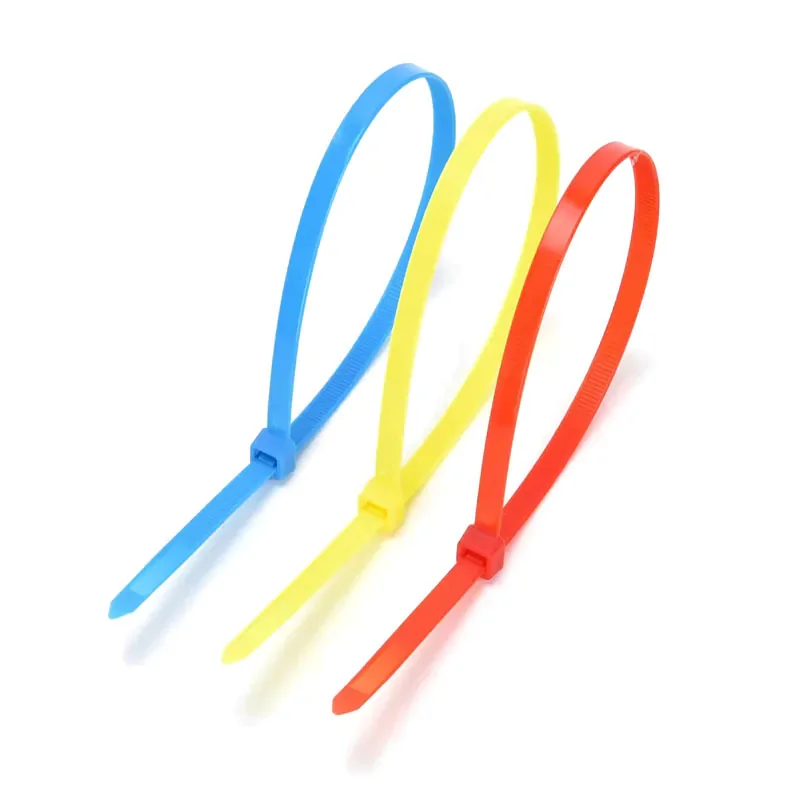
Nylon Cable Ties are one of the most commonly used fastening solutions due to their excellent strength, lightweight structure, electrical insulation properties, and cost-effectiveness. However, not all cable ties are suitable for every application. Different industries have different requirements for tensile strength, temperature resistance, UV protection, chemical resistance, and durability.
Choosing the right nylon cable ties requires a clear understanding of the working environment, cable requirements, and performance expectations. This guide explains the key factors to consider when selecting nylon cable ties for different industrial applications.
Why Choosing the Right Nylon Cable Ties Matters
Although nylon cable ties may appear simple, selecting an unsuitable product can lead to several problems, including:
Cable bundles becoming loose over time
Premature breakage caused by environmental stress
Reduced equipment reliability
Increased maintenance costs
Safety risks in critical installations
For industrial projects, cable ties are not just temporary fastening tools. They often play an important role in maintaining organized and stable cable systems for years.
Selecting the correct material, size, and design helps ensure long-term performance and reduces the risk of unexpected failures.
Key Factors to Consider When Choosing Nylon Cable Ties
3.1 Material Quality and Nylon Grade
The material of a cable tie directly affects its performance. Most high-quality nylon cable ties are made from Nylon 6/6, which provides excellent mechanical strength, flexibility, and resistance to wear.
Different nylon grades are designed for specific environments:
Standard Nylon 6/6: Suitable for general indoor applications
UV Resistant Nylon: Designed for outdoor environments with sunlight exposure
Flame Retardant Nylon: Used where fire safety requirements are important
Heat Stabilized Nylon: Suitable for high-temperature applications
Choosing the correct nylon material ensures that cable ties maintain their strength and reliability under actual working conditions.
3.2 Tensile Strength Requirements
Tensile strength is one of the most important specifications when selecting nylon cable ties. It refers to the maximum load the cable tie can withstand before breaking.
Light-duty applications may only require standard cable ties, while industrial environments with large cable bundles require heavy-duty versions.
For example:
Small electronic wiring → Standard nylon cable ties
Electrical cabinets → Medium-strength cable ties
Industrial machinery → Heavy-duty nylon cable ties
Outdoor infrastructure → UV-resistant heavy-duty cable ties
Using a cable tie with insufficient tensile strength may result in cable movement, loosening, or failure.
3.3 Cable Bundle Size and Tie Dimensions
Nylon cable ties are available in different lengths, widths, and thicknesses. Selecting the correct size ensures proper fastening performance.
Important factors include:
Length
The cable tie should be long enough to wrap around the entire cable bundle while leaving sufficient space for secure locking.
Width
Wider cable ties generally provide higher tensile strength and better load distribution.
Thickness
Thicker straps are more suitable for heavy-duty industrial applications.
Before choosing a cable tie, users should evaluate the diameter and weight of the cable bundle.
Selecting Nylon Cable Ties for Different Industrial Applications
4.1 Electrical and Control Cabinet Applications
Electrical systems require organized cable routing to improve safety and maintenance efficiency. Nylon cable ties are widely used inside:
Distribution cabinets
Control panels
Switchgear systems
Automation equipment
Recommended features:
Flame-retardant nylon material
Stable mechanical strength
Good electrical insulation
Heat resistance
For electrical applications, choosing flame-retardant nylon cable ties helps improve safety in environments where overheating or electrical faults may occur.
4.2 Automotive and Transportation Applications
Automotive environments expose cable ties to vibration, temperature changes, chemicals, and mechanical stress.
Applications include:
Vehicle wiring harnesses
Battery cable management
Engine compartments
Transportation equipment
Recommended features:
Heat-resistant nylon
High tensile strength
Vibration resistance
Chemical resistance
For automotive applications, standard cable ties may not provide enough durability. Specialized nylon cable ties designed for harsh environments are usually preferred.
4.3 Outdoor and Solar Applications
Outdoor installations require cable ties that can withstand sunlight, rain, and temperature fluctuations.
Common applications include:
Solar panel systems
Outdoor lighting
Communication towers
Power distribution equipment
Recommended features:
UV-resistant nylon material
Weather resistance
Long service life
High durability
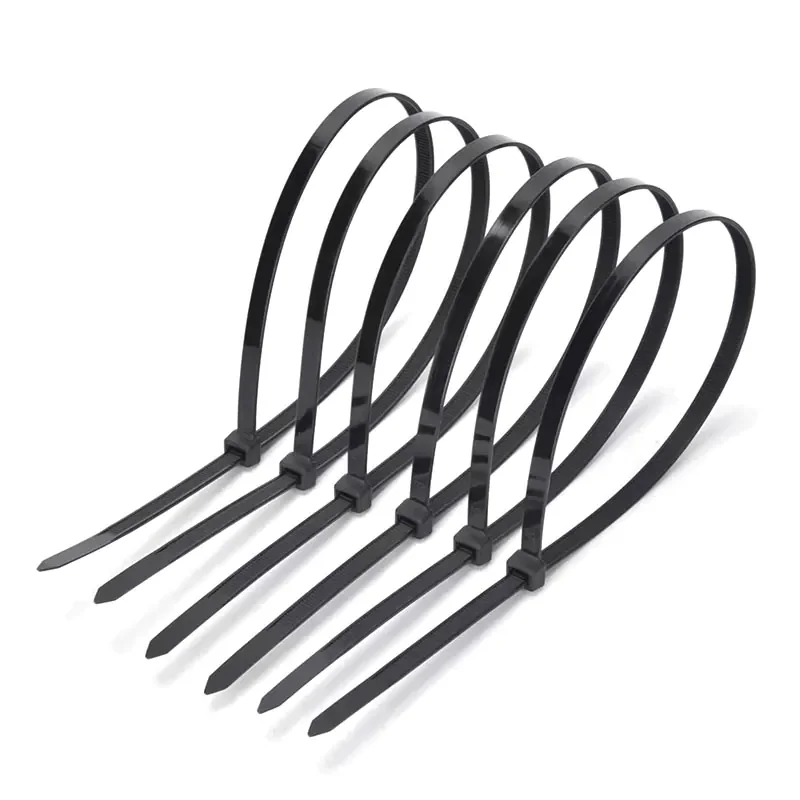
Black UV-resistant nylon cable ties are commonly selected for outdoor applications because they provide better resistance against ultraviolet radiation.
4.4 Telecommunications and Data Centers
Data centers and communication facilities require efficient cable organization to maintain system reliability.
Applications include:
Network cables
Fiber optic systems
Server racks
Communication equipment
Recommended features:
Smooth edges to prevent cable damage
Releasable design for maintenance
Appropriate size selection
Reliable locking performance
Releasable nylon cable ties are especially useful in data centers because cables often require adjustment, replacement, or expansion.
4.5 Industrial Manufacturing and Automation
Factories and automated production lines often operate under demanding conditions, including vibration, dust, and continuous operation.
Applications include:
Robotics systems
Manufacturing equipment
Machine wiring
Industrial control systems
Recommended features:
Heavy-duty structure
High tensile strength
Chemical resistance
Temperature stability
Choosing industrial-grade nylon cable ties helps maintain cable organization and prevents downtime caused by damaged wiring.
Common Mistakes When Selecting Nylon Cable Ties
Choosing Based Only on Price
Low-cost cable ties may use inferior nylon materials, resulting in reduced strength, poor flexibility, and shorter service life.
For industrial applications, product reliability is usually more important than initial purchase cost.
Ignoring Environmental Conditions
A standard nylon cable tie may fail when exposed to:
Direct sunlight
High temperatures
Chemicals
Moisture
Always select cable ties according to the actual operating environment.
Selecting the Wrong Size
Using a cable tie that is too small may cause excessive stress on the strap, while an oversized cable tie may not provide proper fastening.
Correct sizing improves both safety and performance.
How to Choose a Reliable Nylon Cable Tie Manufacturer
For industrial buyers and distributors, selecting a reliable supplier is as important as choosing the right product.
A professional nylon cable tie manufacturer should provide:
High-quality nylon raw materials
Strict production control
Consistent product dimensions
Tensile strength testing
Customized solutions
OEM and private label services
A trusted supplier can help customers select suitable cable ties based on application requirements and provide stable long-term supply.
Conclusion
Choosing the right Nylon Cable Ties for industrial applications requires careful consideration of material quality, tensile strength, dimensions, and environmental conditions. Different industries, from electrical and automotive to telecommunications and manufacturing, have unique requirements that determine the most suitable cable tie solution.
By selecting the correct nylon grade and product design, businesses can achieve safer cable management, improved installation efficiency, and longer service life.
For companies seeking reliable fastening solutions, working with an experienced nylon cable tie manufacturer ensures consistent quality and professional support for various industrial applications.
FAQ
1. What factors should I consider when choosing nylon cable ties?
The main factors include material type, tensile strength, cable bundle size, temperature conditions, UV exposure, and application environment.
2. Are nylon cable ties suitable for industrial use?
Yes. Heavy-duty and specialized nylon cable ties are widely used in electrical systems, automotive manufacturing, telecommunications, and industrial equipment.
3. What type of nylon cable ties are best for outdoor applications?
UV-resistant nylon cable ties are recommended because they can withstand prolonged sunlight exposure and outdoor weather conditions.
4. How do I choose the correct cable tie size?
Choose the cable tie length based on the cable bundle diameter and select the width according to the required tensile strength.
5. Why should I buy nylon cable ties from a professional manufacturer?
A reliable manufacturer can provide consistent quality, customized products, strict testing, and stable supply for industrial applications.