



How to Choose a Heavy-Duty Reinforced Tension Tool for Industrial Applications
Introduction
Strapping is an important part of industrial packaging. Heavy products such as steel coils, pipes, construction materials, machinery components, timber, pallets, and other industrial loads often require strong and reliable strapping to remain secure during handling, storage, and transportation.
For these demanding applications, choosing the right tensioning equipment is just as important as selecting the correct strap. A standard hand tool may be sufficient for light-duty packaging, but heavy industrial loads often require a Heavy-Duty Reinforced Tension Tool that can provide higher tension capacity, better durability, and more reliable performance.
A reinforced tension tool is designed to provide mechanical assistance when tightening straps around heavy loads. Its reinforced construction can make it better suited to repetitive industrial operations where conventional tools may experience greater wear or insufficient tensioning performance.
However, not every heavy-duty tension tool is suitable for every application. Strap material, strap dimensions, required tension, load characteristics, operating frequency, and working environment should all be considered before making a purchase.
What Is a Heavy-Duty Reinforced Tension Tool?
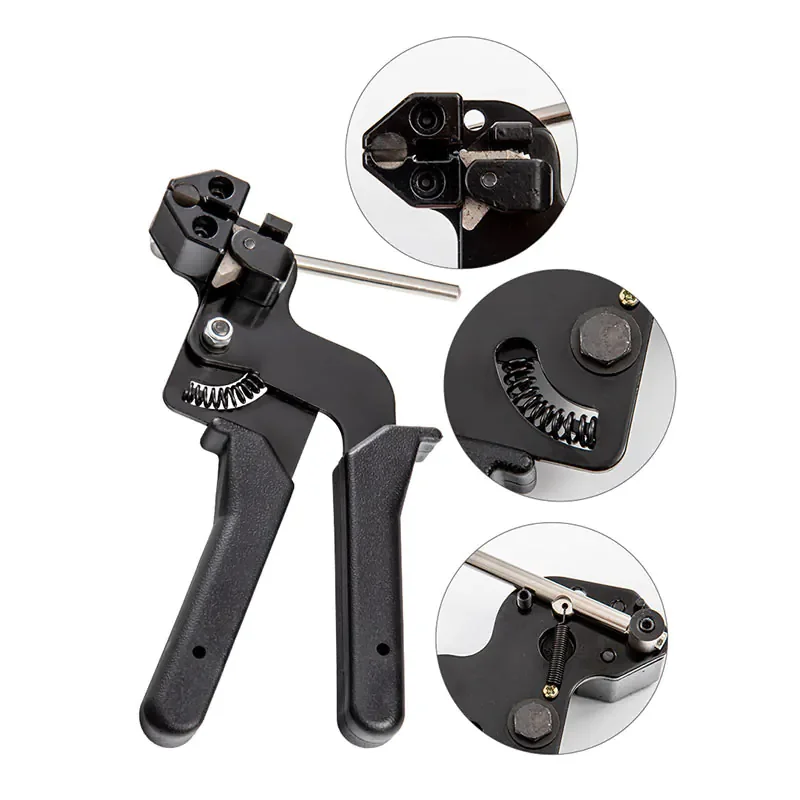
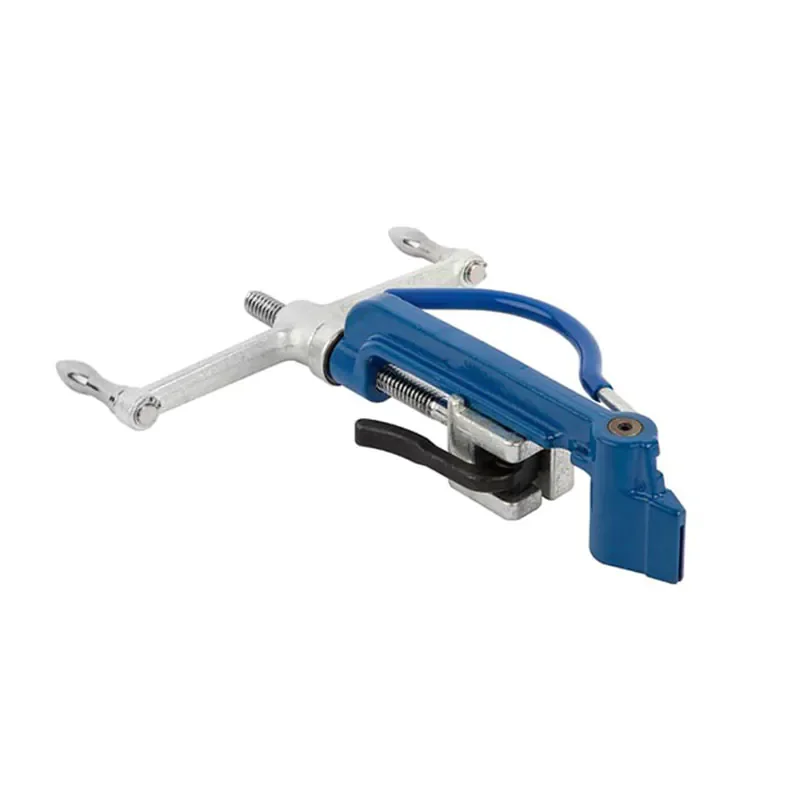
A Heavy-Duty Reinforced Tension Tool is a manual strapping tool designed to apply controlled tension to packaging straps used around heavy or demanding loads.
Compared with basic hand tensioning tools, reinforced models are generally designed with a stronger structure to withstand higher workloads and repeated use. Depending on the specific model, they may be suitable for applications involving steel, PET, PP, or other industrial strapping materials.
The tool helps operators tighten the strap mechanically instead of relying entirely on physical pulling force. This can improve tension consistency while reducing the effort required during repetitive packaging operations.
For industrial users, the main value of a reinforced tension tool is the combination of strength, control, durability, and portability.
Why Is the Right Tension Tool Important for Industrial Packaging?
Industrial loads can be significantly heavier and more difficult to secure than ordinary cartons. During transportation, vibration, impact, braking, loading, and unloading can cause improperly secured loads to shift.
Insufficient strap tension may reduce load stability, while excessive tension can damage the strap, packaging material, or product. The tensioning tool therefore plays an important role in achieving the appropriate balance.
A suitable Heavy-Duty Reinforced Tension Tool can help operators achieve more consistent results while making repetitive strapping work more efficient.
The right tool can also reduce unnecessary physical effort and improve productivity, especially when workers need to secure dozens or hundreds of loads during a working shift.
Check the Strap Material
The first factor to consider is the type of strap used in your packaging operation.
Common industrial strapping materials include steel, polypropylene (PP), and polyester (PET). These materials have different mechanical properties and require different types of tensioning equipment.
Steel strapping is commonly used for demanding applications where high strength and resistance to heavy loads are required. PET strapping can also provide high tensile strength while offering advantages in handling and corrosion resistance compared with steel.
PP strapping is generally used for lighter packaging applications, although the exact suitability depends on the strap specification and load.
Before purchasing a reinforced tension tool, verify that it is specifically designed for the strap material you use. A tool intended for one type of strap should not automatically be assumed to work correctly with another.
Match the Strap Width and Thickness
Strap width and thickness are also critical when selecting a Heavy-Duty Reinforced Tension Tool.
Different tools support different strap size ranges. If the strap is too wide, too narrow, or too thick for the tool, the tensioning mechanism may not operate correctly.
Before selecting a model, check:
Compatible strap width
Compatible strap thickness
Recommended strap material
Maximum tension capacity
Applicable fastening method
Matching the tool to the actual strap specifications helps ensure reliable operation and reduces the risk of strap slipping, uneven tension, or premature tool wear.
Evaluate Required Tension Capacity
Not every industrial load requires the same level of strap tension.
A lightweight pallet of cartons may require significantly less tension than a bundle of steel pipes or heavy construction materials. Therefore, the required tension should be determined according to the weight, dimensions, shape, and transportation conditions of the load.
When comparing heavy-duty reinforced tension tools, pay close attention to the manufacturer’s stated tension capacity and recommended applications.
It is generally better to choose a tool that provides an appropriate working range rather than simply selecting the model with the highest possible tension.
Excessive tension can potentially damage packaging or deform the load, so the goal should always be controlled and appropriate tension, not maximum force.
Consider Load Type and Application
The type of product being secured can influence the ideal tensioning tool.
Industrial applications may include:
Steel and metal products
Pipes and tubes
Construction materials
Timber and lumber
Palletized goods
Machinery components
Industrial equipment
Heavy cartons and bundled products
Products with irregular shapes may require different strapping techniques from products with flat and uniform surfaces.
If the tool will be used for multiple types of loads, select a versatile model that supports the strap specifications and tension requirements across your main applications.
Look for Reinforced Construction
Durability is particularly important in heavy-duty packaging environments.
A reinforced tension tool should be capable of handling repeated tensioning operations without excessive deformation, loosening, or premature component wear.
When evaluating construction quality, consider the strength of the main body, tensioning mechanism, handle structure, gripping components, and other wear-prone parts.
A robust construction is especially valuable when the tool is used frequently or in demanding industrial environments.
Instead of evaluating a tool only by its appearance, businesses should consider its expected workload and long-term operating requirements.
Consider Operating Frequency
How often the tool will be used should influence the purchasing decision.
For occasional packaging, a basic manual tensioning tool may be sufficient. However, if operators use the tool continuously throughout the day, durability and ergonomics become much more important.
High-frequency operations can increase mechanical wear and operator fatigue. A Heavy-Duty Reinforced Tension Tool designed for repetitive work can provide a more suitable solution.
Businesses should consider the number of loads packaged per day, the number of operators using the tool, and the average operating time per shift.
Pay Attention to Ergonomics
Heavy-duty does not mean that the tool should be difficult or uncomfortable to operate.
Industrial packaging workers may use a tension tool repeatedly for several hours. Poor handle design, excessive weight, or awkward operation can increase physical fatigue and reduce productivity.
When choosing a tool, consider:
Handle design
Overall weight
Grip comfort
Operating movement
Balance
Accessibility around different load shapes
Good ergonomics can help operators maintain consistent performance during repetitive packaging tasks.
Consider Portability
One of the main advantages of manual reinforced tension tools is portability.
Unlike automated strapping systems, a hand-operated tool can usually be moved easily between packaging stations or taken directly to large products that cannot be moved into a fixed packaging machine.
This makes reinforced tension tools useful in warehouses, manufacturing facilities, construction sites, steel processing facilities, and other industrial environments where packaging locations may vary.
If the tool will frequently be transported between work areas, compact dimensions and manageable weight can become important selection factors.
Evaluate Ease of Maintenance
Industrial tools are exposed to repeated mechanical stress, dust, debris, and other working conditions. Regular maintenance can help maintain performance and extend service life.
Before purchasing a Heavy-Duty Reinforced Tension Tool, consider whether routine cleaning, lubrication, adjustment, and component replacement can be performed easily.
A tool with accessible wear components and straightforward maintenance requirements can help reduce downtime.
Operators should also follow the manufacturer’s maintenance recommendations rather than waiting until the tool develops a serious performance problem.
Consider the Total Cost of Ownership
Purchase price is only one part of the cost of a tensioning tool.
For industrial applications, businesses should also consider:
Tool service life
Maintenance requirements
Replacement parts
Labor productivity
Operator fatigue
Packaging consistency
Downtime
Strap waste
A cheaper tool may not always provide the lowest overall cost if it wears quickly or produces inconsistent tension.
A durable Heavy-Duty Reinforced Tension Tool may have a higher initial purchase price but provide better long-term value when it improves productivity and reduces tool replacement frequency.
Heavy-Duty Reinforced Tension Tool vs. Standard Tension Tool
The main difference between a reinforced tension tool and a standard model is usually the level of durability and workload for which the tool is designed.
| Factor | Standard Tension Tool | Heavy-Duty Reinforced Tension Tool |
| Typical application | Light to medium packaging | Heavy industrial packaging |
| Construction | Standard | Reinforced |
| Workload | Moderate | High |
| Durability requirements | Moderate | High |
| Repetitive operation | Suitable | Highly suitable |
| Heavy-load applications | Limited | Better suited |
| Portability | Excellent | Excellent |
| Operator assistance | Mechanical | Enhanced mechanical support |
The best choice depends on the actual packaging requirements. A reinforced model is not necessarily necessary for every application, but it can provide significant advantages when loads are heavy or packaging operations are frequent.
Common Mistakes When Choosing a Reinforced Tension Tool
One common mistake is choosing a tool based only on maximum tension capacity. A tool with a high tension rating may still be unsuitable if it does not match the strap material or dimensions.
Another mistake is ignoring the operating frequency. A tool used occasionally has different requirements from one used continuously in a production environment.
Some buyers also focus too heavily on initial price and overlook maintenance, durability, ergonomics, and long-term operating costs.
Finally, businesses should avoid assuming that all reinforced tension tools are interchangeable. Always check the manufacturer’s specifications before using a tool with a particular strap.
How to Choose the Right Heavy-Duty Reinforced Tension Tool
A practical selection process can be summarized into several steps.
First, identify the strap material used in your packaging operation. Next, confirm the strap width and thickness. Then determine the approximate tension requirements based on the load.
After that, evaluate the expected daily workload and operating frequency. If the tool will be used repeatedly, prioritize reinforced construction, ergonomic design, and reliable mechanical performance.
Finally, consider the working environment, portability, maintenance requirements, replacement parts, and total cost of ownership.
By evaluating these factors together, businesses can select a tool that matches their actual packaging requirements rather than simply choosing the most powerful or lowest-priced model.
Best Practices for Using a Heavy-Duty Reinforced Tension Tool
Even a high-quality tension tool requires proper operation.
Before tensioning, position the strap correctly around the load and make sure it is properly aligned. Check that the strap is compatible with the tool and that there are no visible defects.
Apply tension gradually and avoid exceeding the recommended tension capacity of either the tool or strap. Excessive tension can damage packaging materials or the load.
After tensioning and securing the strap, inspect the completed connection. The strap should hold the load firmly without unnecessary deformation or slipping.
Regular inspection and maintenance should also be part of the packaging workflow, especially when the tool is used in high-volume industrial applications.
Conclusion
Choosing the right Heavy-Duty Reinforced Tension Tool for Industrial Applications requires more than comparing product prices. Businesses should evaluate strap material, strap width and thickness, required tension, load type, operating frequency, tool construction, ergonomics, portability, maintenance, and total cost of ownership.
For demanding industrial packaging operations, a reinforced tension tool can provide the mechanical strength and reliability needed for repetitive strapping work while maintaining the flexibility of a portable manual tool.
The right solution is ultimately the one that matches the actual load and strap requirements while providing reliable performance, consistent tension, operator comfort, and long-term value. By carefully evaluating these factors before purchasing, businesses can improve packaging efficiency and ensure that heavy industrial loads are secured more reliably.
FAQ
What is a Heavy-Duty Reinforced Tension Tool?
A Heavy-Duty Reinforced Tension Tool is a manual strapping tool designed to apply controlled tension to straps used for securing heavy or industrial loads. Its reinforced construction is intended for demanding and repetitive packaging applications.
What straps can be used with a Heavy-Duty Reinforced Tension Tool?
The compatible strap depends on the specific tool. Depending on the model, reinforced tension tools may be designed for steel, PET, PP, or other types of industrial strapping. Always check the manufacturer’s specifications before use.
How do I choose the right tension capacity?
Choose the tension capacity according to the strap specifications, load weight, load configuration, and transportation requirements. The goal is to achieve sufficient and controlled tension without over-tightening the strap.
Is a reinforced tension tool suitable for steel strapping?
Some reinforced tension tools are specifically designed for steel strapping and heavy-duty applications. However, compatibility depends on the individual model, so the tool’s specifications should be checked before purchase.
What is the difference between a reinforced tension tool and a standard tension tool?
A reinforced tension tool is generally designed for higher workloads and more demanding applications. It typically emphasizes stronger construction, durability, and reliable performance during repetitive industrial strapping operations.
Can a Heavy-Duty Reinforced Tension Tool reduce operator fatigue?
Yes. The mechanical tensioning mechanism reduces the amount of physical force operators need to apply manually. This can make repetitive strapping tasks easier and more comfortable, particularly in high-volume packaging environments.
Where are Heavy-Duty Reinforced Tension Tools commonly used?
They can be used in industries such as steel processing, construction, manufacturing, logistics, warehousing, timber handling, and other applications where heavy products or bundled materials need to be securely strapped.