



Flip Over Nylon Cable Ties: A Complete Guide to Cable Management
Introduction
Effective cable management is essential in electrical installations, industrial automation, telecommunications, automotive systems, machinery, and control equipment. As the number of wires and cables increases, loose or poorly organized cables can make installation more difficult and create challenges during inspection, maintenance, and troubleshooting.
Flip Over Nylon Cable Ties are designed to provide a practical solution for bundling and securing wires and cables. Compared with conventional cable ties, their flip-over design can provide a convenient way to organize cable bundles while helping maintain a neat and secure installation.
However, choosing the right cable tie requires more than considering its appearance. Factors such as material, length, width, bundle diameter, tensile strength, temperature resistance, installation method, and application environment can all affect performance.
This guide explains what Flip Over Nylon Cable Ties are, how they work, their key advantages, common applications, and how to choose the right product for different cable management requirements.
What Are Flip Over Nylon Cable Ties?
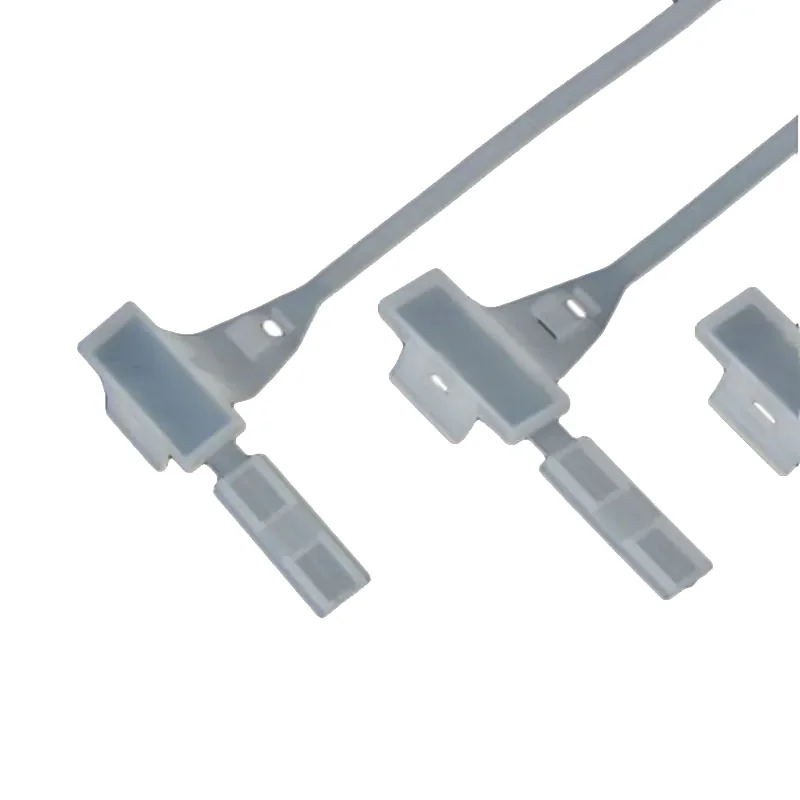
Flip Over Nylon Cable Ties are cable fastening products made from nylon and designed with a flip-over or hinged-style structural feature. The design allows the fastening component to be positioned or flipped into place during installation, depending on the specific product construction.
Like other cable ties, they are used to bundle wires and cables and keep them organized. The difference is mainly in the structure and fastening mechanism, which can make installation more convenient for particular cable management applications.
These cable ties can be used for electrical wiring, control cables, communication lines, wire harnesses, machinery, equipment assembly, and other applications where cables need to be grouped and secured.
The exact design can vary between manufacturers, so users should check the product structure and installation method before selecting a specific model.
How Do Flip Over Nylon Cable Ties Work?
The basic purpose of a Flip Over Nylon Cable Tie is to create a secure connection around a group of wires or cables.
During installation, the cable bundle is positioned inside the fastening area. The tie is then wrapped around the cables, and the locking section is engaged to secure the bundle. The flip-over feature is designed to simplify the positioning or locking process according to the product’s specific construction.
Once installed correctly, the tie helps keep the cables together and prevents them from becoming loose or spreading across the installation area.
The installation process is generally simple, but users should avoid applying excessive tension because over-tightening can damage cable insulation or deform sensitive wires.
Why Are Flip Over Nylon Cable Ties Useful for Cable Management?
One of the main benefits of Flip Over Nylon Cable Ties is their ability to improve cable organization while maintaining a relatively simple installation process.
In electrical cabinets and machinery, cables often need to follow specific routes. Securing cables into organized bundles can reduce clutter and make individual cable paths easier to understand.
The flip-over design can also be useful when installation speed and convenient handling are important. Instead of using complicated fastening components, workers can use the cable tie as part of a straightforward cable management process.
For large projects, using consistent cable ties across an installation can also improve the overall appearance and make future maintenance easier.
Key Benefits of Flip Over Nylon Cable Ties
1. Easy Installation
The flip-over design can simplify positioning and fastening, making the cable tie convenient for many assembly applications. This can be particularly useful when workers need to secure large numbers of cable bundles.
2. Secure Cable Bundling
Once properly locked, the cable tie keeps wires and cables together and helps prevent unwanted movement. This can contribute to a cleaner and more organized installation.
3. Lightweight Construction
Nylon provides a relatively lightweight solution for cable management. This makes the ties suitable for electrical wiring, equipment assembly, wire harnesses, and other applications where unnecessary weight should be avoided.
4. Good Mechanical Strength
Nylon cable ties can provide reliable mechanical fastening when the correct size and tensile strength are selected. The appropriate product should be chosen according to the weight and diameter of the cable bundle.
5. Space-Saving Cable Management
Cable ties occupy relatively little space compared with larger cable management components. This makes them useful in compact control cabinets, machinery, electrical equipment, and wire harnesses.
6. Versatile Applications
Flip Over Nylon Cable Ties can be used in electrical, industrial, automotive, telecommunications, automation, and equipment assembly applications, depending on the product specifications.
What Is the Difference Between Flip Over and Standard Nylon Cable Ties?
The main difference is the fastening structure and installation method.
Standard nylon cable ties typically use a conventional one-piece strap and locking head. Flip Over Nylon Cable Ties incorporate a different structural design intended to make positioning or fastening more convenient in specific applications.
| Feature | Flip Over Nylon Cable Ties | Standard Nylon Cable Ties |
| Main purpose | Cable bundling and fastening | Cable bundling and fastening |
| Structural design | Flip-over style design | Conventional locking head |
| Installation | Designed for convenient fastening | Simple conventional installation |
| Material | Commonly nylon | Commonly nylon |
| Applications | Electrical, industrial, automotive, etc. | Wide range of applications |
| Size options | Depends on manufacturer | Widely available |
| Selection factors | Size, material, tensile strength, design | Size, material, tensile strength |
Neither design is automatically better for every application. The best option depends on installation requirements, cable configuration, available space, and the specific fastening method.
Common Applications of Flip Over Nylon Cable Ties
Electrical Control Cabinets
Control cabinets contain numerous wires and control cables that need to be routed and bundled. Flip Over Nylon Cable Ties can help organize cables and reduce unnecessary movement.
Industrial Automation
Automation equipment uses sensors, motors, PLC connections, and control wiring. Proper cable bundling can make wiring systems easier to inspect and maintain.
Automotive Wire Harnesses
Vehicle electrical systems contain large numbers of wires that need to be organized within limited spaces. Suitable nylon cable ties can help secure wire harnesses during assembly.
Telecommunications
Communication equipment and cabinets often contain multiple cables that need to be routed systematically. Cable ties can help maintain a neat arrangement and simplify future maintenance.
Machinery and Equipment
Industrial machinery may contain power cables, sensor cables, control lines, and communication wires. Bundling these cables can improve organization and reduce cable movement.
Electrical Equipment Assembly
Cable ties can also be used during equipment manufacturing and assembly to keep wiring organized before the final installation process is completed.
How to Choose the Right Flip Over Nylon Cable Tie
Selecting the correct cable tie starts with the size of the cable bundle. Measure the approximate bundle diameter and choose a tie with sufficient length to wrap around the cables while allowing proper engagement of the locking mechanism.
Tensile strength is another important factor. Lightweight control wires may require a different cable tie from heavy industrial cable bundles. Choosing excessive tensile strength may increase cost unnecessarily, while insufficient strength may lead to fastening failure.
The nylon material should also match the application. Standard nylon may be suitable for many indoor applications, while environments involving high temperatures, UV exposure, chemicals, or outdoor conditions may require a specialized material or grade.
Finally, consider the installation environment and available space. A compact design may be preferable for crowded electrical cabinets, while larger cable bundles may require longer and stronger ties.
Nylon Material Considerations
Nylon 66 is commonly used for cable ties because it offers a useful balance of mechanical strength, flexibility, and temperature performance.
However, material specifications can vary between products. When selecting Flip Over Nylon Cable Ties, consider:
Nylon grade
Operating temperature range
Tensile strength
UV resistance
Chemical resistance
Flame-retardant requirements
Moisture exposure
Indoor or outdoor use
For demanding applications, always check the manufacturer’s technical specifications rather than assuming that every nylon cable tie has the same performance.
How to Install Flip Over Nylon Cable Ties Correctly
Before installation, arrange the cables into the desired bundle and make sure they are routed correctly.
Position the cable tie around the bundle and engage the fastening mechanism according to the product design. Tighten the tie until the cables are securely held, but avoid excessive tension.
The cable tie should hold the cables together without compressing or damaging their insulation. For sensitive signal cables, communication wires, or thin electrical conductors, particular care should be taken to avoid over-tightening.
After installation, check that the bundle is secure and that the tie does not interfere with connectors, terminals, moving components, or other equipment.
Common Mistakes to Avoid
One of the most common mistakes is selecting the wrong cable tie length. A tie that is too short may not properly engage, while an unnecessarily long tie can create excess material and make the installation less tidy.
Another mistake is over-tightening. Excessive tension can damage cable insulation, particularly on smaller or more sensitive cables.
Using a standard nylon cable tie in an environment with high UV exposure, extreme temperatures, or aggressive chemicals can also lead to premature deterioration. The material should always be selected according to the actual operating conditions.
It is also important to avoid placing cable ties too close to connectors or components that require regular access. Good cable management should improve maintenance rather than make it more difficult.
How Flip Over Nylon Cable Ties Improve Maintenance
Well-organized cable bundles can make maintenance and troubleshooting more efficient. When wires are grouped logically and secured in consistent locations, technicians can more easily understand cable routing and access the required components.
This is particularly important in large electrical cabinets and industrial machines where multiple cable bundles may follow different routes.
A standardized cable management approach can also make future equipment modifications easier. New cables can be added according to the same routing and fastening principles, helping maintain an organized system throughout the equipment’s service life.
Are Flip Over Nylon Cable Ties Reusable?
Reusability depends on the specific product design. Many conventional nylon cable ties are intended for single-use installation and may need to be cut when removed.
If the application requires frequent adjustment or repeated opening and closing, users should specifically select a reusable or releasable cable tie designed for that purpose rather than assuming a flip-over design is automatically reusable.
Always check the manufacturer’s instructions to determine whether a specific Flip Over Nylon Cable Tie is designed for repeated use.
FAQ
What are Flip Over Nylon Cable Ties used for?
They are mainly used to bundle and secure wires, cables, and wire harnesses in electrical, industrial, automotive, telecommunications, and equipment assembly applications.
Are Flip Over Nylon Cable Ties better than standard cable ties?
They are not universally better. Their main advantage is the specific flip-over fastening design, which may offer installation benefits in certain applications. Standard cable ties may be more suitable for simpler or general-purpose fastening requirements.
What material are Flip Over Nylon Cable Ties made from?
They are commonly made from nylon, often nylon 66, although the exact material depends on the manufacturer and product specification.
Can Flip Over Nylon Cable Ties be used outdoors?
Some products can be used outdoors, but the specific material must provide adequate UV and environmental resistance. Always check the product’s outdoor-use specifications before installation.
How do I choose the right size?
Consider the cable bundle diameter, available installation space, required tensile strength, and the amount of strap needed to properly engage the locking mechanism.
Can they be used for automotive wire harnesses?
Yes, suitable models can be used for automotive and wire harness applications. The product should be selected according to temperature, vibration, chemical exposure, space limitations, and other vehicle-specific requirements.
Can Flip Over Nylon Cable Ties be reused?
It depends on the design. Some are intended for single-use applications, while specially designed releasable cable ties can be opened and reused. Check the manufacturer’s specifications before assuming reusability.
Can they damage cables?
Improper installation can potentially damage cable insulation. Avoid excessive tension and select the correct size for the cable bundle.
What should I consider when purchasing Flip Over Nylon Cable Ties?
Important factors include nylon material, cable tie length, width, tensile strength, bundle diameter, temperature resistance, UV resistance, chemical resistance, fastening design, and application environment.
Conclusion
Flip Over Nylon Cable Ties provide a practical solution for organizing and securing wires and cables across electrical, industrial, automotive, telecommunications, and machinery applications. Their specialized fastening design can make cable bundling convenient while helping create cleaner and more organized installations.
The right product should be selected according to the cable bundle size, tensile strength, nylon material, temperature requirements, environmental conditions, installation space, and fastening requirements. Proper installation is equally important: cable ties should secure the bundle without excessive tension or damage to the cable insulation.
For businesses looking to improve cable organization, installation efficiency, and long-term maintenance, Flip Over Nylon Cable Ties can be a useful component of a well-designed cable management system.