



Best Practices for Installing Uncoated Ball Lock Ties to Prevent Hand Injuries
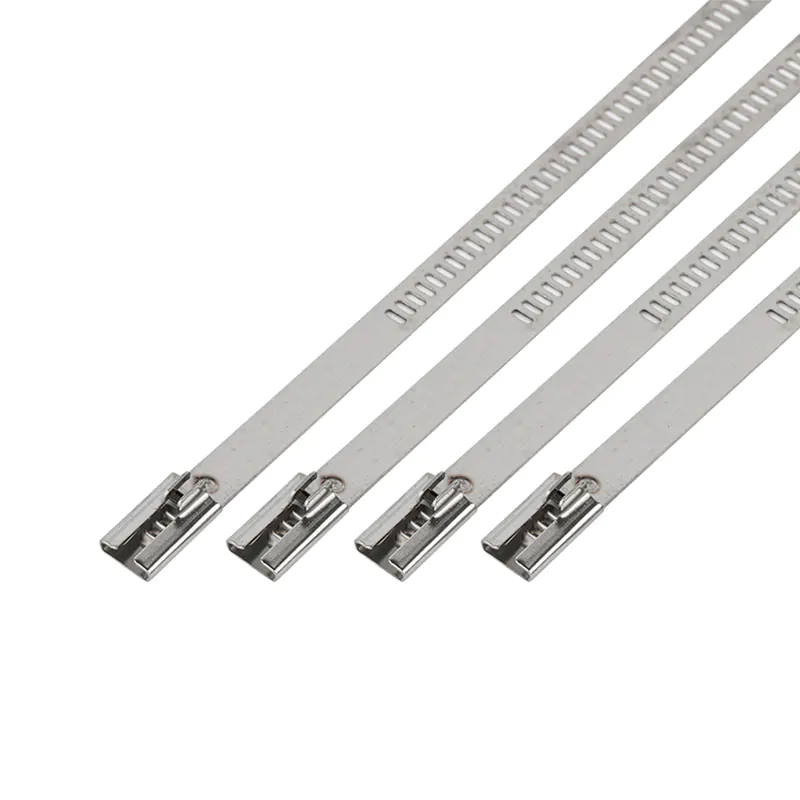
Uncoated ball lock ties are strong and reliable, but their bare nylon edges can cause painful cuts and abrasions during installation. Following a few simple safety practices can prevent these common hand injuries and ensure efficient, secure bundling. This guide outlines key steps for safe handling. For high-quality, reliable ball lock ties, explore the range at Xinxing: Our Web.
Safe Installation Techniques: A Step-by-Step Guid
Safe installation revolves around proper handling, tool use, and technique. The table below summarizes the critical do’s and don’ts to protect your hands.
| Practice | Recommended Safe Method | Risk to Avoid |
|---|---|---|
| Hand Placement | Hold the tie by the smooth, rounded head. Keep fingers clear of the tail’s path during tightening. | Placing fingers near the lock or on the sharp tail as it pulls through. |
| Tool Usage | Use a dedicated cable tie tensioning tool to apply tension and cut the tail cleanly. | Using pliers or pulling manually, which offers poor control and exposes skin to sharp edges. |
| Tail Cutting | Cut the tail flush using diagonal cutters or the tool’s cutter, leaving no sharp protrusion. | Twisting or breaking the tail off, which leaves a jagged, sharp end. |
| Tightening Force | Apply tension appropriate for the bundle—snug, but not overtightened to the point of straining the tie. | Excessive pulling force, which increases the risk of the tie snapping or slipping violently. |
| Personal Protective Equipment (PPE) | Wear basic cut-resistant gloves (e.g., mechanic’s gloves) during installation, especially in high-volume work. | Handling ties with bare hands repeatedly, increasing cumulative wear and risk of cuts. |
The Importance of Proper Hand Positioning
The leading cause of injury is contact with the sharp nylon tail as it is pulled through the locking head. Always grip the tie firmly by its smooth, rounded head. As you pull the tail, ensure your other hand and fingers are positioned well away from the point where the tail exits the lock. This prevents the tail from rapidly dragging across your skin, which can cause a friction burn or a deep cut if the edge is particularly sharp.

Leveraging the Right Tool for the Job
A manual pull with pliers is a common but risky practice. Investing in a simple cable tie installation tool is the single most effective safety upgrade. These tools grip the tie securely, apply consistent tension, and cleanly cut the excess tail in one action. This keeps your hands completely away from the cutting zone and provides superior control, preventing the sudden release of tension that can cause hand slips.
Achieving a Clean, Safe Finish
A protruding or jagged tail end is a laceration hazard for anyone who later handles the bundle. After tensioning, always use a pair of flush-cut diagonal cutters to remove the excess tail. Cut as close to the lock as possible without nicking it, creating a smooth finish. Never bend and snap the tail, as this creates a sharp, unpredictable fracture point that can easily scratch hands.
Understanding Material Limits and Ergonomics
Overtightening a tie stresses the nylon, making it more likely to snap unexpectedly. This sudden break can send sharp pieces flying or cause your hand to jerk into a nearby object. Apply tension until the bundle is secure without compression damage. For high-volume installation, ergonomic considerations are vital. Rotate tasks, take short breaks, and use gloves to reduce repetitive strain and maintain a secure grip, decreasing the chance of a slip.
FAQ
Q: Can I reuse a cable tie installation tool for different tie sizes?
A: Many professional tools are adjustable or have interchangeable heads to accommodate a range of tie widths. Always check the tool’s specifications to ensure compatibility with the tie sizes you are using.
Q: What type of gloves are best for this work?
A: Lightweight, cut-resistant mechanic’s gloves made from materials like high-performance polyethylene (HPPE) offer excellent protection against sharp edges while maintaining good dexterity for handling small ties.
Q: How do I know if I’ve overtightened a tie?
A: Signs include severe deformation or whitening of the nylon at the lock, excessive indentation on the bundled items, or the tie feeling brittle. The bundle should be snug but not crushed.
Q: Do these practices apply to coated cable ties as well?
A: Yes, the core practices (tool use, flush cutting, proper tension) are universal for safety and quality. However, coated ties may have slightly less sharp edges, though the fundamental risks remain during tightening and cutting.
Conclusion
Preventing hand injuries while using uncoated ball lock ties is straightforward: use the right tools, maintain safe hand positioning, cut tails flush, and don’t overtighten. Incorporating these best practices and basic PPE ensures a safer, more professional installation process, protecting personnel and ensuring bundle integrity.
Work smarter and safer with the right tools and techniques. Pair your installation with high-quality, reliable ball lock ties from Xinxing. Visit Our Web to explore our durable products and bundling solutions.