



How to Choose a Steel Buckles, Locks and Seals Supplier
Introduction
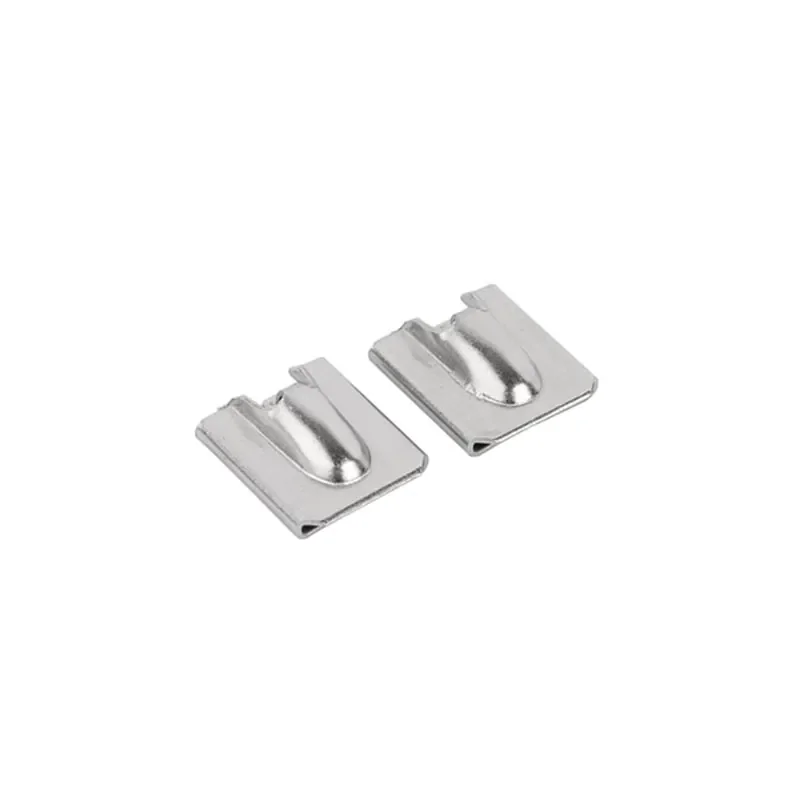
Steel buckles, locks and seals are essential components for stainless steel strapping systems used in cable management, pole mounting, pipe securing, signage, telecommunications, solar installations, and industrial applications.
Although these fastening components are relatively small, their quality can have a direct impact on the reliability of the complete strapping system. Poorly manufactured buckles, locks, or seals may cause installation difficulties, strap slippage, corrosion, or inconsistent fastening performance.
For distributors, contractors, manufacturers, and industrial buyers, choosing the right steel buckles, locks and seals supplier is therefore an important purchasing decision. Price is only one factor. Material quality, product consistency, manufacturing capability, customization, quality control, delivery capacity, and technical support should also be evaluated.
Check the Supplier’s Product Range
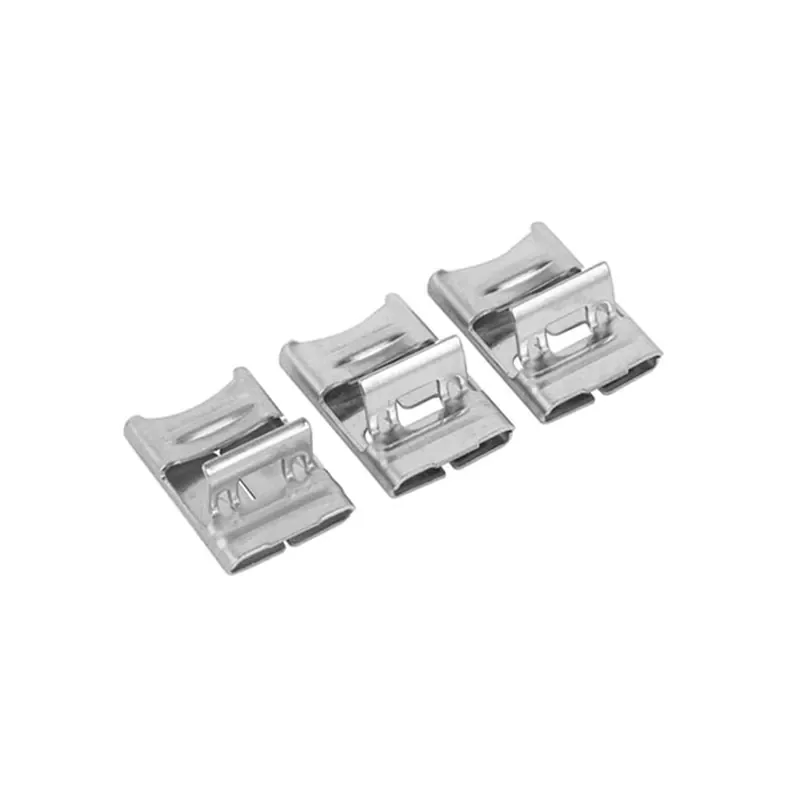
A reliable supplier should offer a suitable range of steel buckles, locks and seals for different stainless steel strapping applications.
Product options may vary in terms of strap width, thickness, material, shape, locking method, and installation requirements. A supplier with a broader product range can make it easier to source compatible components for different projects.
Before choosing a supplier, check whether they can provide products that match your existing stainless steel strapping specifications. If you regularly purchase different strap sizes or fastening systems, a supplier capable of supporting multiple specifications can simplify procurement.
Evaluate Material Quality
Material is one of the most important factors when selecting a steel buckle, lock, and seal supplier.
For stainless steel applications, 304 and 316 stainless steel are common options. 304 stainless steel can provide good corrosion resistance for many general industrial and outdoor applications, while 316 stainless steel is often selected for marine, coastal, chemical, and other environments with greater corrosion exposure.
A professional supplier should clearly identify the material grade used for its products and be able to provide relevant material information when required.
Buyers should avoid suppliers that provide unclear material descriptions or cannot explain the difference between available material grades.
Check Product Compatibility
The fastening components should be properly matched with the stainless steel strapping.
Important specifications include strap width, thickness, material, and installation method. A supplier should be able to clearly state which straps are compatible with each buckle, lock, or seal.
This is particularly important for B2B buyers purchasing large quantities. Ordering a component that does not properly match the strap can result in installation problems and additional replacement costs.
A good supplier should provide detailed product specifications, dimensional information, and installation recommendations before an order is confirmed.
Assess Manufacturing Capability
When purchasing steel buckles, locks and seals in bulk, manufacturing capability is more important than simply having a large product catalog.
Consider whether the supplier has its own production facilities, forming equipment, tooling capabilities, inspection equipment, and experienced production personnel.
A manufacturer with established production capabilities is generally better positioned to maintain consistent dimensions and quality between batches.
For long-term purchasing, it is also useful to understand the supplier’s production capacity and whether it can support increases in order volume.
Look at Quality Control Procedures
Quality control directly affects the consistency of steel buckles, locks and seals.
A supplier should have appropriate inspection procedures covering raw materials, dimensions, forming, surface condition, and finished products.
For stainless steel components, material verification can be particularly important because different grades may have different corrosion resistance and mechanical properties.
For large-volume orders, buyers can also ask whether the supplier conducts sampling inspections or provides inspection reports.
A clear quality-control process can help reduce the risk of receiving products with inconsistent dimensions, burrs, deformation, or other manufacturing defects.
Consider Corrosion Resistance
If the buckles, locks and seals will be used outdoors, corrosion resistance should be a major consideration.
Outdoor installations may be exposed to rain, humidity, salt, pollution, and temperature changes. Coastal and marine applications can be especially demanding because of chloride exposure.
A supplier should be able to recommend suitable materials based on the application environment. For general applications, 304 stainless steel may be sufficient, while 316 stainless steel can be considered for more corrosive conditions.
The supplier should also provide accurate information about surface treatment and material specifications rather than making general claims about corrosion resistance.
Evaluate Customization Capabilities
Standard products are suitable for many applications, but some projects require customized dimensions, shapes, packaging, or markings.
If you need OEM products, check whether the supplier can develop customized steel buckles, locks and seals according to drawings or technical specifications.
Customization may include:
Special dimensions
Customized shapes or structures
Material specifications
Surface requirements
Product markings
Customized packaging
Private-label requirements
A supplier with engineering and tooling capabilities can usually handle customized requirements more efficiently than a trading company that relies entirely on external factories.
Check Installation Compatibility
Different buckles, locks and seals may require different installation methods.
Some products are designed for folding, while others may require tensioning, crimping, sealing, or specialized installation tools.
Before selecting a supplier, confirm that the supplier can provide information about the recommended installation process and compatible tools.
This is especially important when your customers or installation teams need to work with large quantities of stainless steel strapping. An easy and consistent installation process can help reduce labor costs and installation errors.
Review Certifications and Documentation
Depending on the target market and application, documentation may be an important part of supplier evaluation.
Ask whether the supplier can provide relevant quality certificates, material documentation, test reports, inspection records, or other technical documents when required.
Not every steel buckle, lock, or seal requires the same certifications. The documentation should therefore be evaluated according to the application and destination market.
More importantly, any certificates provided should be relevant to the actual products being supplied.
Evaluate Production Consistency
Consistency is particularly important when purchasing steel buckles, locks and seals for repeated projects.
A sample may look acceptable, but the more important question is whether the supplier can maintain the same dimensions, material, surface finish, and performance across multiple production batches.
Inconsistent products can cause problems during installation because tools and straps may not fit properly.
Before establishing a long-term purchasing relationship, buyers can evaluate samples from different batches or request information about the supplier’s production and inspection controls.
Consider Order Quantity and Delivery Capacity
Delivery performance is another important consideration for B2B buyers.
A supplier may provide high-quality products but still be unsuitable if it cannot deliver the required quantity on time.
Ask about minimum order quantities, standard lead times, production capacity, packaging, and shipping arrangements.
For distributors and large industrial projects, it is particularly important to choose a supplier that can support both regular orders and occasional increases in demand.
Compare Total Purchasing Cost
Unit price is important, but it should not be the only purchasing criterion.
A lower-priced buckle, lock, or seal may have inconsistent dimensions, lower material quality, or poor corrosion resistance. These issues can result in installation problems, product replacement, and additional labor costs.
Instead of comparing only the purchase price, consider the total cost, including product quality, installation efficiency, transportation, replacement requirements, and expected service life.
A supplier offering slightly higher-quality products may provide better long-term value if the products are more consistent and durable.
Check Export and Packaging Experience
For international buyers, export experience can make the purchasing process smoother.
The supplier should understand international packaging requirements and be able to protect steel buckles, locks and seals during transportation.
Proper packaging can help prevent deformation, contamination, moisture exposure, and damage during shipping.
Experience with international customers can also indicate that the supplier is familiar with different market requirements, documentation, logistics processes, and communication expectations.
Evaluate Communication and Technical Support
Good communication is particularly important when purchasing customized or application-specific fastening components.
A professional supplier should be able to answer questions about materials, dimensions, compatible straps, installation methods, packaging, and production schedules.
They should also communicate clearly when a requested specification is unsuitable and suggest an alternative when necessary.
For long-term B2B cooperation, responsive communication can be just as important as product price because it helps prevent misunderstandings and delays.
Manufacturer vs. Trading Company
When choosing a steel buckles, locks and seals supplier, buyers may encounter both manufacturers and trading companies.
A manufacturer can often provide better control over product specifications, production schedules, quality control, and customization. This can be particularly valuable for OEM projects or large recurring orders.
A trading company may provide a wider selection of products from different factories and can sometimes be useful when buyers need multiple product categories.
The best choice depends on the purchasing requirements. However, buyers should clearly understand who actually manufactures the product and where production takes place.
Questions to Ask a Steel Buckles, Locks and Seals Supplier
Before placing an order, buyers can ask the supplier:
What stainless steel grades are available?
Which strap widths and thicknesses are supported?
What are the product dimensions and specifications?
What installation tools are recommended?
Can customized products be manufactured?
What quality-control procedures are used?
Can material or inspection documentation be provided?
What is the minimum order quantity?
What is the standard production lead time?
Can the supplier support long-term or high-volume orders?
The answers to these questions can help buyers distinguish between suppliers that simply sell standard components and manufacturers that can provide reliable long-term support.
How to Find a Reliable Steel Buckles, Locks and Seals Manufacturer
A practical approach is to first define the technical requirements of the project, including strap specifications, material grade, application environment, required quantity, and installation method.
Next, compare several suppliers based on product quality, manufacturing capabilities, customization, quality control, lead time, and total cost.
Samples should be evaluated before placing a large order whenever possible. Check dimensions, material, surface quality, compatibility with the stainless steel strap, and installation performance.
For long-term cooperation, supplier audits, production samples, quality agreements, and clear product specifications can provide additional protection for both parties.
Conclusion
Choosing the right steel buckles, locks and seals supplier requires more than comparing prices. Material quality, product compatibility, manufacturing capability, quality control, corrosion resistance, customization, delivery capacity, and technical support all contribute to supplier reliability.
For standard applications, a supplier with a stable range of 304 stainless steel products may be sufficient. For marine, coastal, chemical, or other demanding environments, suppliers offering 316 stainless steel options may be more appropriate.
Most importantly, the supplier should be capable of providing consistent products that work correctly with the selected stainless steel strapping. By evaluating suppliers systematically and testing samples before bulk purchasing, B2B buyers can reduce purchasing risks and establish a more reliable long-term supply chain.
FAQ
What should I look for in a steel buckles, locks and seals supplier?
Look at material quality, product compatibility, manufacturing capability, quality control, customization, production capacity, delivery reliability, and technical support.
Should I buy steel buckles, locks and seals directly from a manufacturer?
Directly purchasing from a manufacturer can provide better control over specifications, customization, production, and quality, especially for large-volume or recurring orders. However, the best option depends on your specific purchasing requirements.
What stainless steel grade should a supplier offer?
A supplier should ideally offer grades appropriate for different applications, with 304 stainless steel commonly used for general applications and 316 stainless steel considered for more corrosive environments.
How can I check the quality of a steel buckle or seal supplier?
Request product samples, material specifications, dimensional drawings, inspection information, and relevant documentation. Testing the products with the intended stainless steel strapping can also help verify compatibility.
Can steel buckles, locks and seals be customized?
Yes. Depending on the manufacturer’s capabilities, customization may include dimensions, shape, material, surface requirements, product markings, and packaging.
What is more important: supplier price or product quality?
Both are important, but buyers should evaluate total purchasing cost rather than unit price alone. Consistent quality can reduce installation problems, replacements, and long-term maintenance costs.
How do I choose between 304 and 316 stainless steel fasteners?
Choose based on the operating environment. 304 stainless steel is suitable for many general applications, while 316 stainless steel is often preferred where chloride exposure or severe corrosion is expected.