



Stainless Steel Band and Straps vs. Galvanized Steel Strapping: Which Is Better?
Introduction
Steel strapping is widely used for securing cables, pipes, signs, equipment, packages, and other components. Two common options are stainless steel band and straps and galvanized steel strapping. Both materials can provide strong mechanical fastening, but they offer different levels of corrosion resistance, durability, cost, and suitability for specific environments.
Choosing between stainless steel and galvanized steel depends largely on the application. A fastening system used for outdoor telecommunications equipment or coastal infrastructure may have very different requirements from one used for temporary indoor bundling or general packaging.
What Are Stainless Steel Band and Straps?
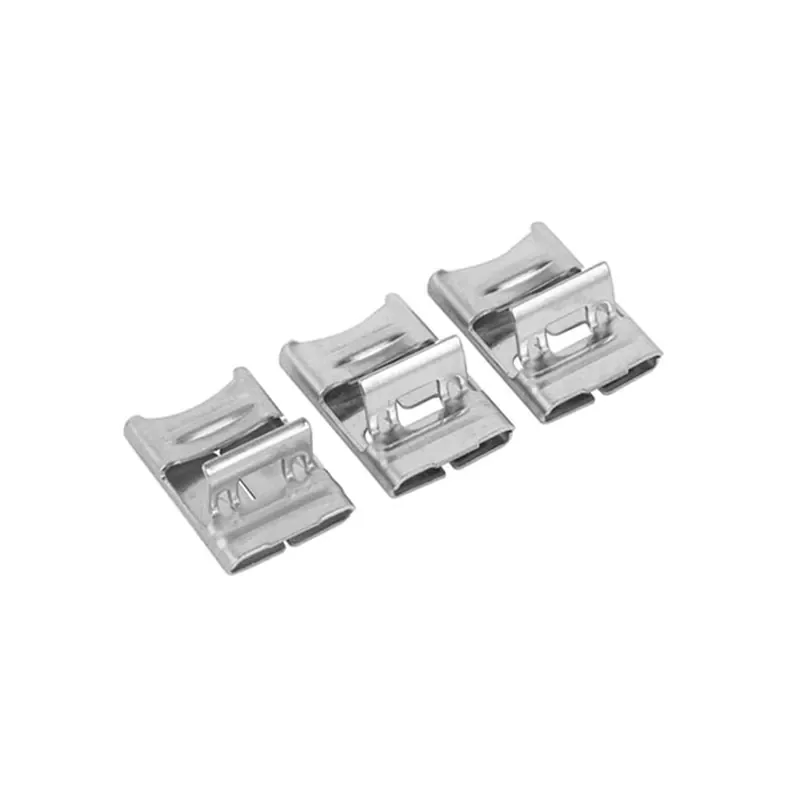
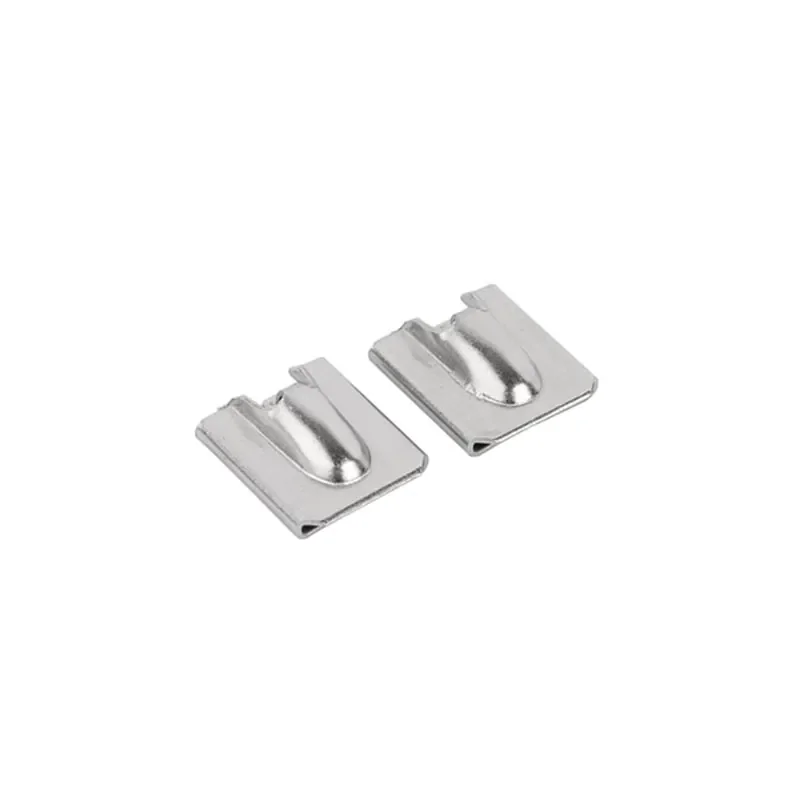
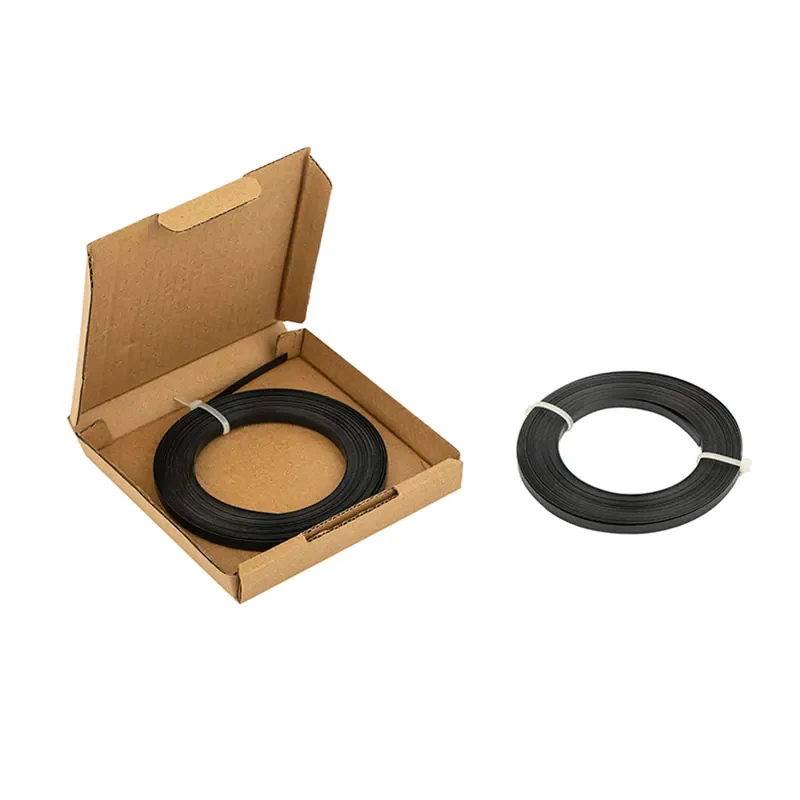
Stainless steel band and straps are fastening materials manufactured from stainless steel and supplied in rolls, coils, or cut lengths. They are commonly used with buckles, seals, clamps, and tensioning tools to secure objects.
Common stainless steel grades include 304 and 316. 304 stainless steel provides good corrosion resistance and mechanical strength for many general applications, while 316 stainless steel offers improved resistance to chloride exposure and is often selected for marine, coastal, and other corrosive environments.
Stainless steel banding is frequently used for pole mounting, cable management, telecommunications, electrical installations, signage, pipe fastening, and industrial equipment.
What Is Galvanized Steel Strapping?
Galvanized steel strapping is carbon steel coated with a layer of zinc to provide additional protection against corrosion. The zinc coating acts as a protective barrier and can also provide sacrificial protection to the underlying steel.
Galvanized steel strapping is available in different widths and thicknesses and is used in applications such as packaging, construction, material handling, bundling, and general industrial fastening.
The performance of galvanized steel depends partly on the quality and thickness of the zinc coating. When the coating is damaged or gradually consumed, the underlying steel can become more vulnerable to corrosion.
Stainless Steel vs. Galvanized Steel: Key Differences
The main difference between these two materials is how they resist corrosion.
Stainless steel achieves corrosion resistance primarily through its alloy composition. Chromium in stainless steel forms a passive protective layer on the surface, helping the material resist corrosion.
Galvanized steel relies mainly on its zinc coating. The coating protects the steel from exposure to the surrounding environment and provides sacrificial protection when minor surface damage occurs.
As a result, stainless steel generally offers better long-term corrosion resistance, especially in demanding environments, although the actual performance depends on the stainless steel grade and environmental conditions.
Corrosion Resistance
Stainless Steel Band and Straps
Stainless steel is often the preferred choice when long-term corrosion resistance is important. 304 stainless steel performs well in many outdoor and industrial environments, while 316 stainless steel is better suited to environments with higher chloride exposure.
For example, stainless steel banding can be used for outdoor telecommunications equipment, utility poles, marine installations, and coastal infrastructure where moisture and salt exposure are concerns.
Galvanized Steel Strapping
Galvanized steel provides effective corrosion protection when the zinc coating remains intact. It can be a practical choice for many general-purpose applications, particularly where exposure to moisture and corrosive substances is limited.
However, the protective zinc layer can gradually wear or deteriorate under prolonged exposure to harsh weather, chemicals, abrasion, or high humidity.
For installations expected to remain outdoors for many years, stainless steel may provide a more durable option.
Mechanical Strength
Both stainless steel band and galvanized steel strapping can provide high mechanical strength when the correct thickness and width are selected.
The actual strength of a strapping system depends on factors such as material grade, thickness, width, tensile properties, buckle design, installation method, and applied tension.
Galvanized steel can provide strong performance at a competitive cost, making it suitable for many heavy-duty fastening and packaging applications.
Stainless steel also provides strong mechanical performance while adding excellent resistance to weathering and corrosion. For permanent outdoor fastening, the combination of mechanical strength and corrosion resistance can make stainless steel particularly attractive.
Durability and Service Life
Service life is an important consideration when comparing the two materials.
Galvanized steel can provide a long service life when used in suitable environments and when the zinc coating remains effective. However, its long-term durability depends heavily on the surrounding conditions and coating quality.
Stainless steel generally offers a longer service life in demanding environments because corrosion resistance is an inherent property of the material rather than relying primarily on a surface coating.
This can be especially important for installations that are difficult or expensive to access after installation. Replacing a corroded strap on a utility pole, telecommunications structure, or industrial installation may require additional labor and equipment.
Outdoor and Harsh Environment Applications
For outdoor applications, stainless steel is often the more suitable choice.
Stainless steel band and straps can withstand rain, humidity, temperature changes, and many industrial environmental conditions. 316 stainless steel is particularly useful when exposure to salt spray or chlorides is expected.
Galvanized steel can also be used outdoors, especially in moderately corrosive environments. However, buyers should consider the expected service life and environmental exposure before selecting it for permanent installations.
For coastal, marine, chemical, or highly humid environments, stainless steel is generally a safer choice when long-term corrosion resistance is a priority.
Installation Considerations
Both materials can be installed using appropriate tensioning tools, buckles, seals, or other fastening accessories.
Stainless steel banding systems are commonly supplied with stainless steel buckles or related components. The band is wrapped around the object, tensioned, locked, and cut using the appropriate tool.
Galvanized steel strapping can also be secured using compatible buckles, seals, or other locking systems depending on the application.
The important consideration is compatibility. The band, buckle, and installation tool should be selected as a suitable system to ensure proper tensioning and locking.
Cost Comparison
Galvanized steel strapping is generally less expensive than stainless steel banding, which makes it attractive for cost-sensitive applications.
For short-term projects, indoor applications, packaging, or environments with limited corrosion exposure, galvanized steel may provide sufficient performance without the additional material cost of stainless steel.
Stainless steel usually has a higher initial purchase price. However, the higher upfront cost can be justified when the application requires extended service life, low maintenance, and high corrosion resistance.
Instead of comparing only the initial unit price, buyers should consider the total cost of ownership. Replacement frequency, maintenance, labor, downtime, and accessibility can all influence the actual cost of a fastening system.
Stainless Steel Band and Straps vs. Galvanized Steel Strapping
| Factor | Stainless Steel Band and Straps | Galvanized Steel Strapping |
| Corrosion resistance | Excellent | Good when zinc coating remains effective |
| Outdoor use | Highly suitable | Suitable for moderate environments |
| Marine/coastal environments | 316 is often preferred | Less suitable for long-term exposure |
| Mechanical strength | High | High |
| Service life | Generally long | Depends on zinc coating and environment |
| Initial cost | Higher | Lower |
| Maintenance | Generally low | May increase as coating deteriorates |
| Harsh environments | Highly suitable | Application-dependent |
| Common applications | Pole mounting, cables, telecom, industrial equipment | Packaging, construction, bundling, general fastening |
The table provides a general comparison. Actual performance depends on material specifications, product dimensions, installation conditions, and environmental exposure.
When Should You Choose Stainless Steel Band and Straps?
Stainless steel is usually the better option when the installation requires long-term corrosion resistance and reliable outdoor performance.
It is particularly suitable for:
Telecommunications and utility pole mounting
Outdoor cable and electrical installations
Marine and coastal environments
Pipe and equipment fastening
Industrial installations exposed to moisture
Applications where replacement is difficult
Long-term infrastructure projects
For highly corrosive environments, 316 stainless steel may be considered instead of 304 stainless steel.
When Is Galvanized Steel Strapping a Better Choice?
Galvanized steel can be a practical choice when the project has a tighter budget and does not require the highest level of corrosion resistance.
It may be appropriate for:
General packaging and bundling
Indoor industrial applications
Temporary fastening
Construction applications with moderate environmental exposure
General-purpose steel strapping
Projects where initial material cost is a major consideration
The zinc coating should still be evaluated according to the expected environment and required service life.
Which Is Better for Pole Mounting?
For permanent pole mounting, stainless steel band and straps are generally the preferred option because they combine mechanical strength with strong corrosion resistance.
Pole-mounted equipment is often exposed to rain, sunlight, humidity, temperature changes, and pollutants. In coastal areas, salt exposure can create additional corrosion challenges.
Stainless steel banding can provide a durable fastening system for brackets, cable accessories, signs, enclosures, and telecommunications equipment. The appropriate grade and band dimensions should be selected according to the installation environment and load requirements.
Galvanized steel can be considered for less demanding applications, but its long-term performance depends more heavily on the condition of the zinc coating.
Which Material Offers Better Long-Term Value?
The answer depends on the application rather than simply the purchase price.
Galvanized steel may offer better short-term value when the project requires economical strapping and the environmental conditions are relatively mild.
Stainless steel may offer better long-term value when corrosion resistance, durability, and reduced maintenance are important. Although the initial cost is higher, a longer service life can reduce replacement and maintenance requirements.
For permanent outdoor infrastructure, the additional investment in stainless steel can therefore be justified.
How to Choose Between Stainless Steel and Galvanized Steel
When selecting a strapping material, consider the following factors:
Environmental exposure: Determine whether the band will be exposed to rain, humidity, salt spray, chemicals, or other corrosive conditions.
Expected service life: Temporary applications may not require the same material performance as permanent infrastructure.
Load requirements: Select the appropriate width and thickness based on the supported load and fastening requirements.
Maintenance accessibility: If the installed strap is difficult or expensive to replace, a more corrosion-resistant material may provide greater long-term value.
Budget: Compare total ownership costs rather than only the initial purchase price.
Accessory compatibility: Make sure the selected band works correctly with the buckle, seal, clamp, and installation tool.
Conclusion
Both stainless steel band and straps and galvanized steel strapping can provide reliable fastening, but they are designed for different priorities.
Galvanized steel is often an economical choice for general-purpose, indoor, temporary, and moderate-environment applications. Its zinc coating provides effective corrosion protection while keeping the material cost relatively low.
Stainless steel banding is generally a better choice for permanent outdoor installations, harsh environments, and applications where long service life and corrosion resistance are critical. 304 stainless steel is suitable for many general applications, while 316 stainless steel can provide additional protection in chloride-rich environments.
Ultimately, the best material depends on the application, environment, expected service life, load requirements, and total cost of ownership. By evaluating these factors before purchasing, buyers can select a strapping system that provides the right balance of performance, durability, and cost.
FAQ
Is stainless steel banding better than galvanized steel strapping?
Neither material is universally better. Stainless steel generally provides better corrosion resistance and long-term durability, while galvanized steel offers a lower initial cost and can be suitable for many general-purpose applications.
Is stainless steel more corrosion resistant than galvanized steel?
Yes, stainless steel generally provides better long-term corrosion resistance because its corrosion resistance is an inherent property of the alloy. Galvanized steel primarily relies on its zinc coating for protection.
Is galvanized steel suitable for outdoor applications?
Yes, galvanized steel can be used outdoors when environmental exposure is moderate and the zinc coating provides sufficient protection for the expected service life. More corrosive environments may require stainless steel.
Which is better for coastal or marine applications?
Stainless steel is generally the better choice for coastal and marine environments. 316 stainless steel is often considered when chloride and salt exposure is significant.
Is stainless steel banding more expensive than galvanized steel?
Generally, yes. Stainless steel usually has a higher initial material cost. However, its longer service life and corrosion resistance may provide better long-term value in demanding applications.
Which is better for pole mounting?
Stainless steel band and straps are generally preferred for permanent pole mounting because of their corrosion resistance and durability, particularly for outdoor telecommunications, electrical, and utility applications.
Can stainless steel and galvanized steel use the same buckles?
Not necessarily. Buckles and other accessories should be selected according to the band material, width, thickness, and installation method. Using compatible components helps ensure reliable fastening performance.
Should I choose 304 or 316 stainless steel banding?
304 stainless steel is suitable for many general outdoor and industrial applications. 316 stainless steel is often preferred for marine, coastal, or chloride-rich environments where additional corrosion resistance is required.