



Cable Accessories: A Complete Guide to Choosing the Right Products
Introduction
Cables are essential in electrical systems, telecommunications, industrial equipment, automotive applications, control cabinets, and many other installations. However, cables alone cannot provide a complete and reliable wiring solution. Proper cable accessories are also needed to secure, organize, route, protect, and identify cables throughout an installation.
Cable accessories include products such as cable ties, cable glands, cable clips, cable clamps, cable markers, cable tie mounts, and other cable management components. Each type has a different function, so selecting the right product requires an understanding of the cable itself, the installation environment, and the expected operating conditions.
This guide explains the main types of cable accessories and the key factors to consider when choosing products for electrical, industrial, telecommunications, automotive, and outdoor applications.
What Are Cable Accessories?
Cable accessories are components used to support cable installation and management. Depending on their design, they can help secure cables, maintain organized routing, protect cables from mechanical or environmental damage, seal cable entry points, or make individual wires easier to identify.
Cable ties are commonly used to bundle and secure cables, while cable clips and clamps help keep cables in a fixed position or follow a specific routing path. Cable glands are typically installed where cables enter electrical enclosures, providing mechanical support and, depending on the product, environmental sealing. Cable markers are used to identify wires and cables, which can make installation and future maintenance easier.
Because different accessories perform different functions, there is no single cable accessory that is suitable for every installation. The best choice depends on the cable specifications and the requirements of the application.
Why Are Cable Accessories Important?
A well-designed cable management system can improve more than just the appearance of an installation. Properly selected accessories help keep cables in their intended positions and can reduce unnecessary movement, mechanical stress, and the risk of accidental damage.
In electrical panels and industrial equipment, organized cable routing can also make inspection and maintenance easier. Clearly identified wires can be traced more quickly, while properly secured cable bundles are less likely to become tangled or interfere with other components.
For outdoor and industrial installations, cable accessories can also contribute to long-term durability. Choosing materials that are appropriate for moisture, UV exposure, chemicals, temperature changes, or corrosion can help maintain cable management performance throughout the expected service life.
Common Types of Cable Accessories
There are many types of cable accessories available, but the most appropriate product depends on the specific cable management task.
Cable Ties
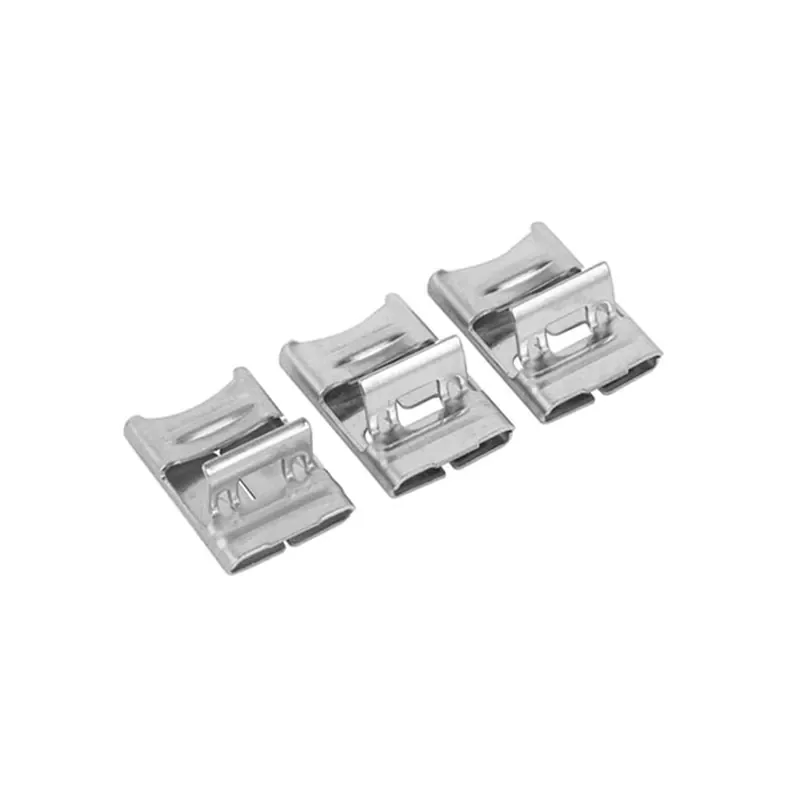
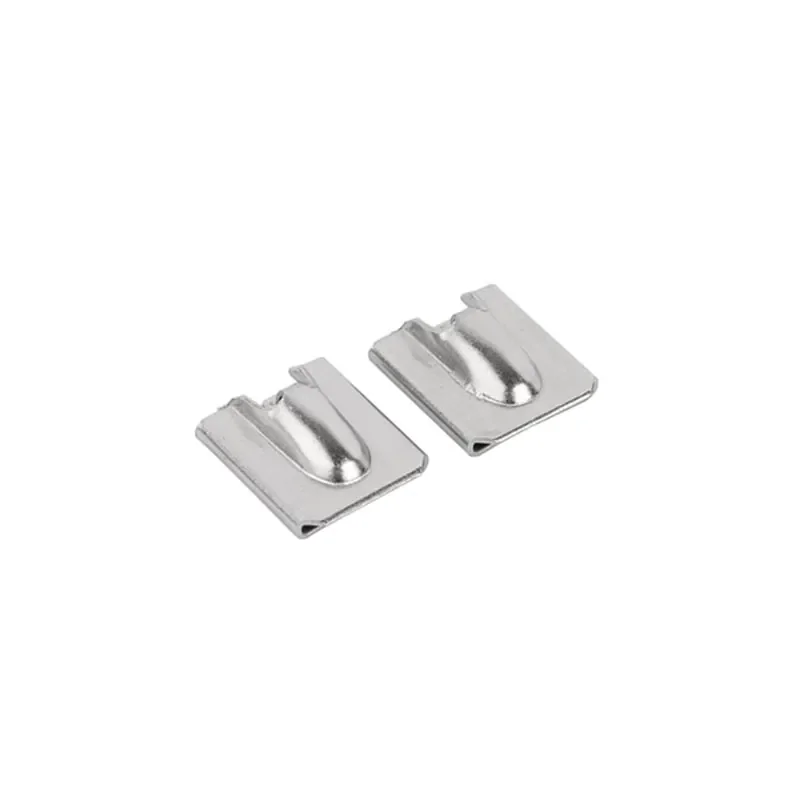
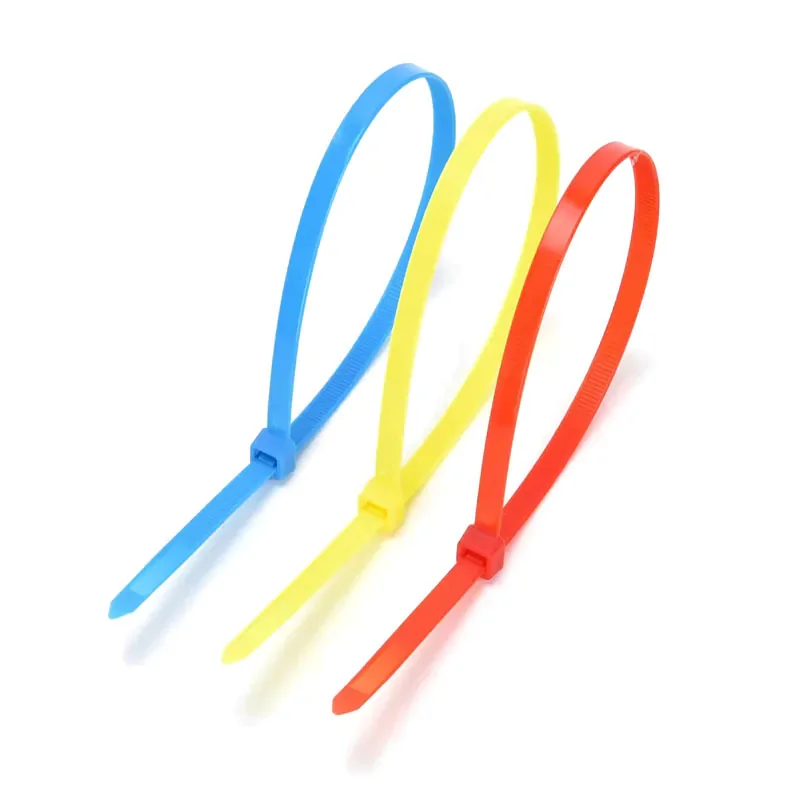
Cable ties are one of the most widely used cable accessories for bundling and securing wires. Nylon cable ties are common in electrical, telecommunications, control cabinet, and general-purpose applications because they are lightweight and easy to install. Stainless steel cable ties can be selected for applications requiring higher mechanical strength or greater resistance to heat and corrosion.
Cable ties are available in different lengths, widths, tensile strengths, and designs. Releasable cable ties are useful when cables need to be accessed or rearranged during maintenance.
Cable Glands
Cable glands are used at cable entry points in electrical enclosures, control cabinets, junction boxes, and other equipment. They can help secure the cable and prevent excessive movement at the entry point. Depending on the design, cable glands may also provide protection against dust and moisture.
When selecting a cable gland, users should consider cable diameter, thread specifications, gland material, sealing requirements, and the environmental conditions of the installation.
Cable Clips and Clamps
Cable clips and clamps are designed to hold cables in place and maintain an organized routing path. They are commonly used in electrical installations, automotive systems, machinery, control equipment, and industrial applications.
The appropriate product should match the cable diameter and expected mechanical load. For applications involving vibration or movement, a stronger mounting solution may be required to keep the cable securely positioned.
Cable Markers
Cable markers help identify individual wires and cables. This can be particularly useful in complex electrical systems where multiple cables are installed close together.
Clear identification can make installation, troubleshooting, inspection, and maintenance more efficient. Depending on the application, cable markers can use different attachment or marking methods to suit various cable sizes and environments.
How to Choose the Right Cable Accessories
Selecting cable accessories should start with the cable itself. Cable diameter, construction, flexibility, weight, insulation material, and the number of cables being managed can all influence the choice of accessory.
For example, a small control wire may require only a lightweight cable clip or nylon cable tie, while a large power cable may require a heavy-duty clamp or stronger fastening system. The accessory should hold the cable securely without placing unnecessary pressure on the cable insulation.
Cable dimensions should also be checked carefully. For cable ties, the length and width need to be appropriate for the cable bundle. For cable glands and clamps, the product’s specified cable diameter range should correspond with the actual cable being installed.
Consider the Material
The material of a cable accessory can have a significant effect on its performance and service life.
Nylon is widely used for general-purpose cable management products such as cable ties, clips, and mounts. It offers lightweight construction and good electrical insulation and is suitable for many indoor applications.
Stainless steel cable accessories are often selected when higher mechanical strength or corrosion resistance is required. They can be suitable for outdoor installations, coastal areas, marine environments, industrial facilities, and other demanding conditions.
The correct material should be selected according to the actual application rather than simply choosing the strongest or most expensive option.
Consider the Installation Environment
The operating environment is one of the most important factors in cable accessory selection. An accessory used inside an office or electrical cabinet may experience very different conditions from one installed outdoors or in an industrial facility.
Outdoor installations may expose cable accessories to sunlight, rain, humidity, temperature fluctuations, and UV radiation. Industrial environments may additionally involve vibration, dust, chemicals, and mechanical stress. Marine and coastal environments can create increased corrosion concerns because of moisture and salt exposure.
Before selecting an accessory, consider whether it will be used indoors or outdoors and evaluate the expected temperature, moisture, UV exposure, chemical contact, and corrosion conditions. This helps ensure that the selected material can provide suitable performance throughout its intended service life.
Consider Temperature Resistance
Temperature is another important factor, especially for cable accessories installed near motors, machinery, electrical equipment, engines, or other heat sources.
Every material has an appropriate operating temperature range. If an accessory is exposed to temperatures outside its recommended range, its mechanical properties may change and its service life may be reduced.
For standard applications, commonly used nylon accessories may be sufficient. For higher-temperature environments, users may need specialized materials or metal accessories. Always check the manufacturer’s technical specifications before using a product in a high-temperature application.
Evaluate Mechanical Requirements
Cable accessories must be able to withstand the mechanical conditions of the installation. Cable bundles can experience tension, vibration, impact, movement, and their own weight, particularly in industrial and automotive applications.
For cable ties, tensile strength is an important specification. For clamps and mounts, holding force and mounting strength should also be considered.
The accessory should provide sufficient mechanical support without damaging the cable. Heavy cables, moving equipment, and high-vibration environments generally require more robust cable management solutions than simple indoor wiring.
Consider Protection Requirements
Some cable accessories provide additional protection beyond basic cable management.
Cable glands, for example, can help seal cable entry points, while protective sleeves and related products can help reduce abrasion or other mechanical damage. In environments where water or dust may be present, the protection requirements of the complete installation should be evaluated.
For electrical enclosures, the required IP protection level may also influence the choice of cable gland and other entry accessories. The accessory should be selected according to the protection requirements of the specific equipment and installation.
Think About Installation and Maintenance
Installation efficiency is another practical consideration. Some cable accessories can be installed manually, while others may require dedicated tools or mounting hardware.
For large-scale installations, products that are easy and quick to install can help reduce labor time. In maintenance-intensive systems, reusable or releasable accessories can also be valuable because cables may need to be removed, inspected, or reorganized.
For permanent installations, long-term durability may be more important than reusability. Understanding how often the cable system will be accessed can therefore help determine the most suitable accessory design.
Cable Accessories for Different Applications
Cable accessories are used across many industries because cable management is an essential part of modern electrical and equipment design.
In electrical and control cabinets, cable ties, cable markers, cable glands, clips, and mounts can help organize internal wiring and simplify future maintenance. Proper cable routing can also prevent wires from interfering with other components.
In telecommunications, large numbers of communication and data cables need to be routed and secured in an organized manner. Suitable cable accessories can help maintain clear cable paths and reduce unnecessary movement.
In automotive applications, cable accessories must often withstand vibration, temperature changes, limited installation space, and mechanical movement. The selected products should therefore be appropriate for the specific operating conditions.
For industrial automation, equipment may contain sensors, motors, controllers, actuators, and communication cables. Durable cable management products can help keep these systems organized and make maintenance more efficient.
For outdoor, marine, and coastal applications, environmental resistance becomes particularly important. Depending on the conditions, UV-resistant materials or stainless steel accessories may be considered to provide suitable long-term performance.
Common Cable Accessory Selection Mistakes
One common mistake is choosing an accessory without checking its size compatibility. A cable tie, clamp, or gland that is too small may not secure the cable properly, while an oversized product may not provide sufficient support.
Another mistake is overlooking the installation environment. A product that works well indoors may not be appropriate for continuous exposure to moisture, UV radiation, salt, or chemicals.
It is also important not to focus only on purchase price. A low-cost accessory may have a shorter service life or require more frequent replacement. For professional applications, product quality, installation efficiency, durability, maintenance requirements, and total cost should all be considered.
Finally, cable accessories should not be selected independently from the cable system. The cable, fastening product, mounting method, and environmental conditions should be evaluated together to achieve reliable performance.
Cable Accessories Selection Checklist
Before purchasing cable accessories, consider the cable dimensions, material, application environment, mechanical requirements, temperature range, protection requirements, installation method, and expected service life.
| Selection Factor | Key Consideration |
| Cable Size | Cable diameter, width, and bundle size |
| Cable Type | Power, control, communication, automotive, etc. |
| Material | Nylon, stainless steel, or other suitable materials |
| Temperature | Expected operating temperature |
| Environment | Indoor, outdoor, marine, or industrial conditions |
| Mechanical Load | Cable weight, vibration, tension, and movement |
| Protection | Moisture, dust, abrasion, and environmental protection |
| Installation | Manual, tool-assisted, or permanent mounting |
| Maintenance | Releasable, reusable, or permanent fastening |
| Service Life | Expected duration of the installation |
How to Build an Effective Cable Management System
A reliable cable management system often combines several types of cable accessories rather than relying on a single product.
For example, cable glands can secure cables where they enter an enclosure, while cable ties can organize internal bundles. Cable tie mounts can provide fixed attachment points, cable clips or clamps can maintain specific routing paths, and cable markers can identify individual wires.
Using complementary accessories helps create a system that is not only organized but also easier to inspect and maintain. The exact combination should depend on the cable type, equipment design, installation environment, and maintenance requirements.
Conclusion
Choosing the right cable accessories is an important part of creating a safe, organized, and reliable cable management system. The selection process should consider more than the basic function of an accessory. Cable size, material, mechanical requirements, temperature, environmental exposure, protection needs, installation method, and expected service life all influence the final choice.
Nylon cable accessories can provide a practical solution for many general-purpose applications, while stainless steel and other specialized materials may be better suited to demanding environments. Cable glands, clips, clamps, markers, and cable ties can also be combined to meet different routing, fastening, protection, and identification requirements.
By evaluating the complete installation rather than selecting products based only on price or appearance, users can choose cable accessories that provide reliable cable management, easier maintenance, and suitable long-term performance.
FAQ
What are the most common cable accessories?
Common cable accessories include cable ties, cable glands, cable clips, cable clamps, cable markers, cable tie mounts, and protective cable management products. Each type is designed for a different installation or management requirement.
How do I choose the right cable accessory?
Start by checking the cable size, type, material, weight, and installation environment. Then consider temperature, mechanical load, protection requirements, installation method, and expected service life.
Are nylon cable accessories suitable for outdoor use?
Some nylon cable accessories are designed for outdoor applications, but their suitability depends on factors such as UV resistance, temperature, moisture, and the specific material formulation. Always check the manufacturer’s specifications.
When should I use stainless steel cable accessories?
Stainless steel accessories can be considered for applications requiring higher corrosion resistance or mechanical durability, including outdoor, marine, coastal, and demanding industrial environments.
What are cable glands used for?
Cable glands are used where cables enter enclosures or equipment. They can provide mechanical cable retention and, depending on the design, sealing against environmental factors such as dust and moisture.
Are releasable cable ties useful?
Releasable cable ties are useful when cables may need to be accessed, inspected, or reorganized after installation. They can be particularly convenient for maintenance-intensive applications.
Why is cable accessory material important?
Material affects factors such as mechanical strength, temperature resistance, corrosion resistance, flexibility, and service life. The appropriate material should therefore be selected according to the actual operating environment.