



What to Consider When Buying a Professional Cable Tie Tool
Introduction
Cable ties are widely used for organizing and securing wires and cables in electrical installations, telecommunications, automotive systems, industrial equipment, control cabinets, and many other applications. While basic cable ties can often be installed by hand, professional projects may require a cable tie tool to improve installation speed, consistency, and overall fastening quality.
A professional cable tie tool can help installers apply controlled tension, tighten cable ties consistently, and trim excess material more efficiently. However, not every tool is suitable for every type of cable tie or installation environment.
When buying a professional cable tie tool, users should consider factors such as cable tie compatibility, tension control, cutting performance, tool construction, ergonomics, installation volume, and maintenance requirements.
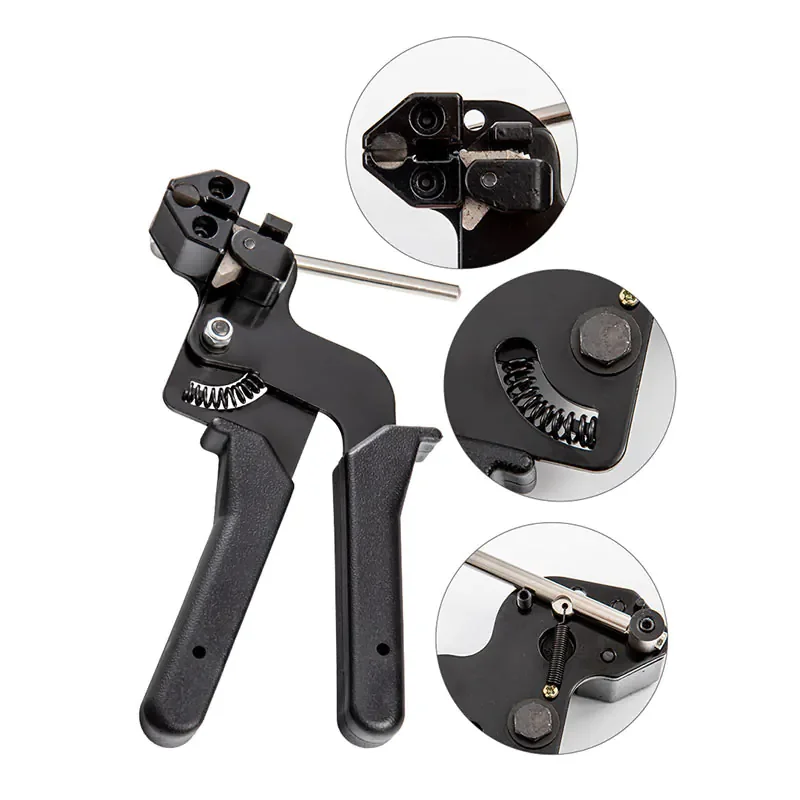
What Is a Professional Cable Tie Tool?
A professional cable tie tool is a specialized hand tool designed to tighten and, depending on the model, cut cable ties during installation.
Compared with manual tightening, a dedicated tool can provide more consistent fastening and help reduce installation time. Many professional models include a tension adjustment mechanism that allows installers to control how tightly a cable tie is applied.
Cable tie tools can be designed for different applications, ranging from occasional maintenance work to high-volume industrial assembly.
Common features may include:
Adjustable tension
Automatic or manual cutting
Ergonomic handles
Lightweight construction
Replaceable blades
Compatibility with different cable tie sizes
Durable metal or reinforced construction
The right tool depends on the cable ties being used and the requirements of the installation.
Why Use a Professional Cable Tie Tool?
For small jobs, manually tightening a cable tie may be sufficient. However, repetitive or professional installation can benefit from a dedicated tool.
A suitable cable tie tool can help:
Improve installation speed
Maintain more consistent tension
Reduce excessive tightening
Produce cleaner cable tie cuts
Reduce hand fatigue
Improve installation quality
Support high-volume assembly
Create a more professional finished appearance
For industrial production and electrical assembly, consistency is particularly important. Applying similar tension across multiple cable ties can help create a more uniform installation.
1. Check Cable Tie Compatibility
The first consideration when buying a professional cable tie tool is whether it is compatible with the cable ties you use.
Cable ties are available in different materials, widths, lengths, and tensile strengths. Common options include nylon cable ties, stainless steel cable ties, releasable cable ties, and specialty cable ties.
A tool designed for standard nylon cable ties may not be suitable for stainless steel ties or other heavy-duty products.
Before purchasing, check:
Cable tie material
Cable tie width
Cable tie thickness
Cable tie length
Recommended tensile strength
Tool compatibility
Manufacturers normally provide a recommended cable tie size range. Selecting a tool outside this range can affect tightening and cutting performance.
2. Consider Tension Control
Tension control is one of the most important features of a professional cable tie tool.
If a cable tie is installed too loosely, the bundle may not remain secure. If it is tightened excessively, it may damage the cable insulation or place unnecessary pressure on the wires.
A tool with adjustable tension allows installers to select an appropriate tightening force for the application.
This is especially useful when working with different cable types. Sensitive cables may require lower tension, while heavy cable bundles may require greater fastening force.
When comparing tools, check whether the tension can be adjusted and how easily the setting can be changed.
3. Look at Cutting Performance
Many professional cable tie tools can tighten and cut the cable tie in a single operation.
A clean cut can improve the appearance of the finished installation and reduce sharp protruding edges.
When evaluating cutting performance, consider:
Cutting consistency
Blade durability
Cutting mechanism
Compatible cable tie thickness
Ease of blade replacement
For high-volume applications, a durable cutting mechanism can be particularly valuable because the tool may be used hundreds or thousands of times.
4. Choose the Right Tool Type
Cable tie tools are available in different designs for different installation requirements.
Manual Cable Tie Tools
Manual tools are operated by hand and are suitable for maintenance, field installation, electrical work, and small to medium production volumes.
They are generally simple to operate and do not require an external power source.
Pneumatic Cable Tie Tools
Pneumatic tools use compressed air to assist with cable tie installation. They can be useful for repetitive industrial applications where installation speed and consistency are important.
Automatic or Powered Tools
Powered cable tie tools can further reduce manual effort and may be suitable for high-volume production environments.
When choosing between tool types, consider installation volume, available equipment, operating environment, and required productivity.
5. Evaluate Ergonomic Design
A professional cable tie tool may be used repeatedly throughout the day, making ergonomics an important consideration.
Poorly designed tools can contribute to hand fatigue and make repetitive installation less comfortable.
Look for features such as:
Comfortable handle design
Appropriate grip size
Low operating force
Balanced weight distribution
Easy-to-reach controls
Smooth tension adjustment
For occasional use, ergonomics may be less critical. For production lines and professional installers, however, a comfortable tool can make a significant difference over long working periods.
6. Consider Tool Construction and Durability
Professional tools should be able to withstand repeated use.
Tool construction can affect service life, reliability, and maintenance requirements. Metal components are commonly used in professional-grade tools because they can provide good mechanical strength and wear resistance.
When evaluating construction quality, consider:
Housing material
Internal mechanism
Blade material
Handle construction
Fastener quality
Resistance to wear
A durable cable tie tool may cost more initially but can provide better long-term value when used frequently.
7. Check the Cable Tie Size Range
Different projects may use different cable tie sizes.
A tool with a wider compatible size range can provide greater flexibility, particularly for maintenance teams or contractors who work with multiple cable tie specifications.
However, a wider range is not always necessary. If your application consistently uses one specific cable tie size, a tool optimized for that range may be more practical.
Before buying, compare the manufacturer’s recommended cable tie dimensions with your actual products.
8. Consider Installation Volume
The number of cable ties installed per day should influence your tool selection.
For occasional installation, a basic manual tool may provide sufficient performance.
For medium-volume applications, an ergonomic manual tool with adjustable tension and reliable cutting performance may be a better choice.
For high-volume production, powered or pneumatic tools may offer greater efficiency and reduce repetitive manual effort.
A simple way to evaluate the requirement is to consider:
Low volume: Occasional maintenance and small installations
Medium volume: Electrical contractors and equipment assembly
High volume: Manufacturing, wiring harness production, and automated production environments
Choosing a tool based on actual workload can help avoid both under-specification and unnecessary investment.
9. Consider the Application Environment
The installation environment can also influence tool selection.
Electrical contractors may need a lightweight tool that can be carried between job sites. Industrial production environments may prioritize durability and fast operation.
For demanding environments, consider:
Temperature
Dust
Moisture
Chemical exposure
Available workspace
Portability
Maintenance conditions
For example, a compact manual cable tie tool may be more convenient for field work, while a pneumatic tool may be more appropriate for a controlled factory environment with compressed air available.
10. Look at Blade Replacement and Maintenance
Even a durable cable tie tool requires maintenance over time.
Cutting blades are particularly important because repeated cutting can eventually cause wear. A tool with replaceable blades can be easier to maintain than one that requires complete replacement.
Before buying, check:
Whether replacement blades are available
How easy blade replacement is
Whether spare parts are supplied
Recommended maintenance procedures
Availability of technical support
Easy maintenance can help reduce downtime, particularly for businesses that rely on the tool for daily production.
11. Evaluate Safety Features
Safety should also be considered when selecting a professional cable tie tool.
A proper cutting mechanism should minimize unnecessary sharp edges after the cable tie is cut. The tool should also allow installers to maintain appropriate tension without damaging cables.
Useful considerations include:
Controlled tension
Consistent cutting
Comfortable grip
Stable operation
Appropriate blade protection
Reduced risk of over-tightening
Following the tool manufacturer’s operating instructions is important, particularly when working with high-tensile cable ties.
12. Consider Total Cost of Ownership
Purchase price is only one part of the cost of a professional cable tie tool.
A lower-priced tool may appear attractive initially, but frequent blade replacement, poor durability, inconsistent tension, or difficult maintenance can increase the total cost over time.
Consider:
Initial purchase price
Expected service life
Replacement blades
Spare parts
Maintenance requirements
Installation speed
Labor savings
Warranty and technical support
For high-volume applications, productivity and reliability may be more important than the initial purchase price.
Professional Cable Tie Tool Buying Checklist
Before purchasing a cable tie installation tool, evaluate the following factors:
| Selection Factor | What to Check |
| Cable Tie Material | Nylon, stainless steel, or specialty cable ties |
| Cable Tie Size | Width, thickness, and compatible size range |
| Tension Control | Adjustable or fixed tension |
| Cutting | Cutting quality and blade durability |
| Tool Type | Manual, pneumatic, or powered |
| Ergonomics | Grip, weight, balance, and operating force |
| Construction | Housing and internal component durability |
| Application Volume | Occasional, medium, or high-volume use |
| Environment | Indoor, outdoor, industrial, or field installation |
| Maintenance | Blade replacement and spare parts |
| Safety | Controlled tension and clean cutting |
| Total Cost | Purchase, maintenance, and operating costs |
Common Applications for Professional Cable Tie Tools
Professional cable tie tools are used in many industries.
Electrical Installations
Electricians use cable ties to organize wires inside control cabinets, electrical panels, distribution systems, and other installations. A cable tie tool can help create consistent bundles while reducing installation time.
Telecommunications
Telecommunication systems often contain large numbers of cables that need to be organized and secured. Professional tools can improve consistency when installing cable ties repeatedly.
Automotive Manufacturing
Vehicle wiring harnesses and electrical systems require organized cable routing. A suitable cable tie tool can help installers achieve consistent fastening during assembly.
Industrial Automation
Control systems, sensors, motors, and automation equipment can contain extensive wiring. Cable tie tools can support efficient cable management during equipment assembly and maintenance.
Wiring Harness Production
High-volume wiring harness production can require thousands of cable ties. In these environments, reliable tension control, fast operation, and durable cutting performance can be especially important.
Common Mistakes When Buying a Cable Tie Tool
Choosing a Tool Without Checking Compatibility
A tool may look suitable but still be incompatible with the cable tie dimensions or material being used.
Ignoring Tension Adjustment
Fixed-tension tools may not be suitable when different cable types require different tightening forces.
Choosing Based Only on Price
A low purchase price does not always mean lower operating costs. Durability, maintenance, and productivity should also be considered.
Selecting the Wrong Tool for the Workload
Using a basic manual tool for extremely high-volume production can reduce productivity, while purchasing a powered tool for occasional maintenance may be unnecessary.
Overlooking Replacement Parts
Check whether blades and other wear components are available before committing to a tool.
Conclusion
Choosing the right professional cable tie tool requires more than comparing prices or selecting the most advanced model. The best tool should match the cable tie material and dimensions while providing appropriate tension control, reliable cutting, comfortable operation, and sufficient durability for the intended workload.
For occasional maintenance and field installation, a compact manual cable tie tool may be sufficient. For repetitive industrial applications, an ergonomic tool with adjustable tension and durable components can improve consistency and productivity. High-volume manufacturing operations may benefit from pneumatic or powered solutions.
By evaluating compatibility, tension control, cutting performance, ergonomics, durability, installation volume, maintenance, and total cost of ownership, users can select a cable tie tool that supports efficient and reliable cable management.
FAQ
What is a cable tie tool used for?
A cable tie tool is used to tighten and, depending on the design, cut cable ties during installation. It can improve fastening consistency and installation efficiency.
Do I need a cable tie tool for nylon cable ties?
Not always. Nylon cable ties can often be installed manually, but a dedicated tool can provide more consistent tension and faster installation, especially for repetitive work.
Why is tension control important?
Proper tension helps secure the cable bundle without applying excessive pressure to wires or cable insulation. Adjustable tension is useful when working with different cable types and sizes.
Can one cable tie tool work with all cable ties?
No. Cable tie tools have specific compatibility ranges. Always check the manufacturer’s specifications for supported cable tie materials, widths, and thicknesses.
Should I choose a manual or pneumatic cable tie tool?
A manual tool is generally suitable for occasional or moderate installation work, while pneumatic tools can be advantageous for repetitive, high-volume industrial applications.
How can I maintain a professional cable tie tool?
Keep the tool clean, inspect moving and cutting components regularly, and replace worn blades or other service parts according to the manufacturer’s recommendations.