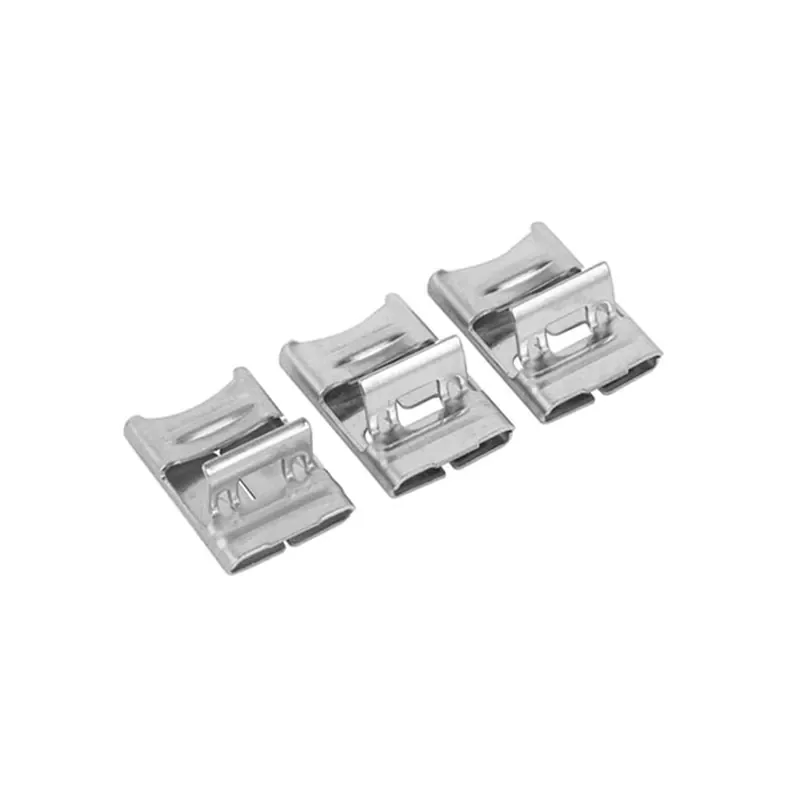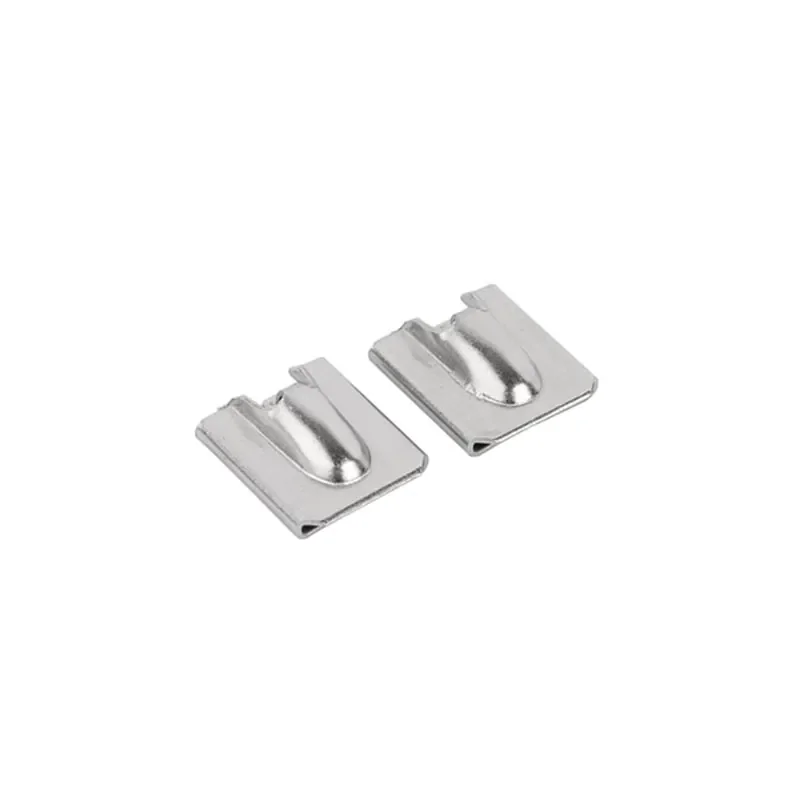




How to Choose the Right Steel Buckles, Locks and Seals for Strapping Applications
Introduction
Strapping systems are widely used to bundle, secure, and stabilize products during transportation, storage, construction, and industrial operations. While the strap itself provides the primary holding force, steel buckles, locks and seals play an equally important role in maintaining tension and keeping the strap securely fastened.
Choosing the right steel strapping accessories requires more than simply selecting a strong metal component. The buckle, lock, or seal must be compatible with the strap material and size, suitable for the required tension, and capable of performing reliably in the intended environment.
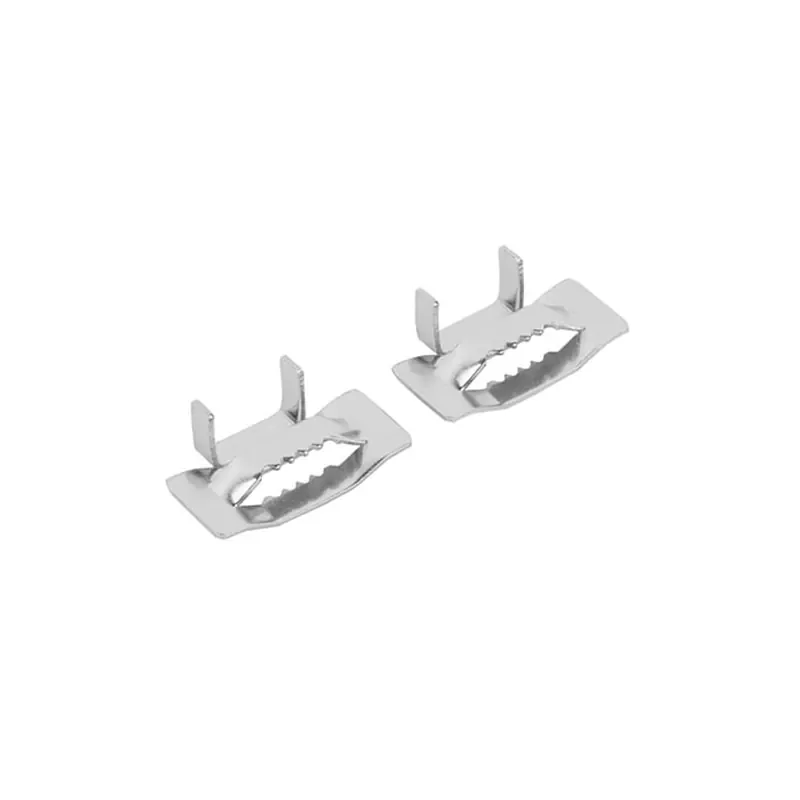
What Are Steel Buckles, Locks and Seals?
Steel buckles, locks, and seals are fastening components designed to connect, secure, or lock strapping around products and loads.
Although these terms are sometimes used interchangeably, they can serve different purposes.
Steel buckles are commonly used to connect or secure straps by threading the strap through the buckle and applying tension. They are available in different shapes and sizes to match various strap widths and applications.
Steel locks are designed to hold the strap securely after tension has been applied. Depending on the design, they may be used with manual tools or strapping equipment to create a strong mechanical connection.
Steel seals are generally used with compatible strapping systems to lock overlapping strap ends together. They can provide a consistent connection when properly installed with the appropriate sealing tool.
The right component depends on the strapping material, application requirements, installation method, and expected load conditions.
Why Choosing the Right Strapping Accessory Matters
A strapping system can only perform reliably when its individual components work together properly. An unsuitable buckle, lock, or seal may reduce the effectiveness of the entire fastening system.
The correct steel accessory can help:
Maintain strap tension during handling and transportation
Reduce the risk of strap loosening
Improve load stability
Provide a secure mechanical connection
Withstand mechanical stress and vibration
Improve packaging and handling efficiency
Support reliable performance in demanding environments
For heavy-duty applications, selecting components based only on appearance or price can create unnecessary risks. Compatibility and performance should always be considered first.
1. Match the Buckle, Lock or Seal to the Strap Material
One of the first factors to consider is the type of strapping being used.
Different straps have different mechanical properties and require different fastening methods. Common strapping materials include:
Steel strapping
Stainless steel strapping
Polyester strapping
Polypropylene strapping
Other specialized industrial strapping materials
Steel buckles, locks, and seals are not universally compatible with every strap. The fastening component should be specifically designed for the selected strap material and its surface characteristics.
For example, a fastening component intended for heavy-duty steel strapping may not be appropriate for a lightweight plastic strap. Using an incompatible component can affect tension retention and connection strength.
Before purchasing, check the manufacturer’s recommended strap material and fastening method.
2. Choose the Correct Strap Width
Strap width is another critical consideration.
Steel buckles, locks, and seals are manufactured in different dimensions to accommodate different strap widths. The component must allow the strap to pass through correctly while maintaining the intended fastening performance.
Common considerations include:
Strap width
Strap thickness
Buckle or seal opening dimensions
Contact area between the component and strap
Required connection strength
A component that is too small may prevent proper strap insertion, while an oversized component may not provide the desired grip.
Always compare the actual strap dimensions with the manufacturer’s product specifications before selecting a fastening accessory.
3. Consider Strap Thickness
Strap thickness can influence both compatibility and connection strength.
A thicker strap generally requires a fastening component with an appropriate opening and sufficient mechanical strength. The buckle or seal should be capable of accommodating the strap without excessive deformation or interference.
When selecting steel locks or seals, consider both strap width and thickness rather than using width alone as the selection criterion.
This is particularly important for heavy-duty applications where thick strapping is used to secure large or heavy loads.
4. Evaluate Required Strength and Load Conditions
The expected load is one of the most important factors when choosing steel strapping accessories.
Light-duty packaging applications may have relatively low tension requirements, while industrial bundles, construction materials, metal products, pipes, lumber, and other heavy loads may require significantly higher fastening strength.
Consider:
Load weight
Load dimensions
Strap tension
Transportation conditions
Vibration and impact
Stacking requirements
Expected handling frequency
For demanding applications, the buckle, lock, or seal should have sufficient strength to work with the selected strap without becoming the weakest part of the system.
The goal is to create a balanced system in which the strap and fastening components provide compatible performance.
5. Select the Appropriate Steel Material
Steel grade and surface treatment can significantly influence durability.
Common options include galvanized steel and stainless steel, depending on the application environment.
Galvanized Steel
Galvanized steel buckles, locks, and seals provide a practical combination of strength and corrosion resistance. They are suitable for many general industrial, packaging, and transportation applications.
They can be a cost-effective choice when the products are used in relatively controlled environments or where moderate corrosion resistance is sufficient.
Stainless Steel
Stainless steel components offer enhanced corrosion resistance and are particularly useful for applications exposed to moisture, humidity, chemicals, or outdoor conditions.
Stainless steel strapping accessories may be preferred for:
Coastal environments
Marine applications
Outdoor installations
Food processing environments
Chemical-related applications
Areas with high humidity
When choosing stainless steel, the appropriate grade should also be considered based on the actual environment.
6. Consider the Installation Method
The fastening component should match the way the strapping system will be installed.
Some applications use manual installation, while others rely on specialized tensioning, sealing, or strapping equipment.
Before selecting steel buckles, locks, or seals, determine:
Whether installation is manual or machine-assisted
Which tensioning tool is being used
Whether a sealing tool is required
How much installation space is available
Whether the fastening process needs to be repeated frequently
For high-volume packaging operations, compatibility with existing strapping equipment can improve efficiency and reduce installation errors.
7. Consider the Application Environment
Environmental conditions can directly affect the service life of steel fastening components.
Indoor packaging applications may have relatively simple requirements, while outdoor and industrial installations can expose components to moisture, salt, temperature changes, dust, chemicals, and mechanical stress.
For example, applications near the coast may experience increased chloride exposure. In these situations, corrosion-resistant stainless steel can provide advantages over standard carbon steel components.
For indoor applications with limited environmental exposure, galvanized steel may provide an appropriate balance between performance and cost.
The best material is therefore determined by the actual operating environment rather than by strength alone.
8. Check Buckle, Lock and Seal Compatibility
A reliable strapping system requires all components to work together.
Before purchasing, verify:
Strap material: Make sure the accessory is designed for the selected strap.
Strap dimensions: Check both width and thickness.
Tool compatibility: Confirm that the buckle, lock, or seal can be installed using the available tools.
Tension requirements: Make sure the component can withstand the intended strap tension.
Application requirements: Consider whether the system is designed for packaging, transportation, industrial bundling, or permanent installation.
Compatibility information provided by the manufacturer should be used as the primary reference.
9. Think About Corrosion Resistance
Corrosion resistance becomes especially important when steel buckles, locks, or seals are exposed to moisture or aggressive environments.
Several factors should be evaluated:
Indoor or outdoor use
Humidity
Salt exposure
Chemical exposure
Temperature fluctuations
Expected service life
Required maintenance
For temporary packaging applications, galvanized steel may be sufficient in many cases. For long-term outdoor or marine-related applications, stainless steel can offer better resistance to corrosion.
Choosing the appropriate material at the beginning can reduce replacement frequency and maintenance requirements.
10. Consider the Cost of the Complete Strapping System
Price is an important consideration, but the lowest component price does not necessarily provide the lowest overall cost.
A more reliable evaluation should consider:
Purchase price
Installation labor
Tool requirements
Installation speed
Failure risk
Maintenance
Replacement frequency
Expected service life
For high-volume operations, a slightly more expensive fastening component may provide better overall value if it improves installation efficiency and reduces failures.
The best choice is usually the one that provides an appropriate balance between performance, durability, compatibility, and total cost.
Steel Buckles, Locks and Seals Selection Checklist
Before ordering steel strapping accessories, check the following points:
| Selection Factor | What to Check |
| Strap Material | Steel, stainless steel, PET, PP, or other material |
| Strap Width | Match the buckle, lock, or seal dimensions |
| Strap Thickness | Confirm suitable opening and compatibility |
| Load Weight | Determine required fastening strength |
| Environment | Indoor, outdoor, marine, humid, or chemical exposure |
| Material | Galvanized steel or suitable stainless steel |
| Installation | Manual tools or automated equipment |
| Compatibility | Ensure all components work together |
| Service Life | Consider temporary or long-term use |
| Cost | Evaluate total system cost rather than unit price |
Common Applications
Steel buckles, locks, and seals can be used across a wide range of industrial and commercial applications.
Packaging and Transportation
They help secure bundled goods and loads during transportation and storage. Proper fastening can reduce the possibility of straps loosening during handling.
Construction Materials
Steel products, pipes, profiles, lumber, and other construction materials may require strong strapping systems to maintain stable bundles.
Metal Processing
Metal coils, sheets, pipes, and fabricated components can place significant demands on strapping systems, making suitable high-strength fastening components important.
Outdoor and Industrial Installations
Where strapping systems remain exposed to weather or environmental conditions, corrosion-resistant steel buckles, locks, and seals can help support longer service life.
Marine and Coastal Applications
Stainless steel fastening components may be suitable for environments where moisture and salt exposure increase corrosion risks.
Common Mistakes to Avoid
Several common selection mistakes can reduce strapping performance.
Choosing Based Only on Price
A low-cost component may not provide the required strength, corrosion resistance, or compatibility.
Ignoring Strap Thickness
Two straps can have the same width but different thicknesses. The fastening component should be compatible with both dimensions.
Using the Wrong Installation Tool
Even a suitable seal or lock may not perform correctly if installed with an incompatible tool.
Overlooking the Environment
A component suitable for indoor packaging may not be appropriate for long-term outdoor or marine exposure.
Focusing Only on the Strap
The fastening component is part of the complete load-securing system. The buckle, lock, or seal should be evaluated together with the strap and installation method.
Conclusion
Choosing the right steel buckles, locks and seals requires a complete understanding of the strapping system and its operating conditions. Strap material, width, thickness, load requirements, installation method, steel type, corrosion resistance, and application environment should all be evaluated before making a decision.
For general-purpose applications, galvanized steel can provide a practical combination of strength, durability, and cost efficiency. For demanding environments where moisture, salt, or corrosion are concerns, stainless steel can provide additional protection and long-term performance.
Rather than selecting a fastening component based solely on price or appearance, consider how it will work with the complete strapping system. A properly matched buckle, lock, or seal can help improve load security, installation reliability, and the overall service life of the application.
FAQ
What is the difference between a steel buckle, lock and seal?
Steel buckles are commonly used to connect and secure straps, while locks and seals are designed to mechanically secure overlapping strap ends after tensioning. The exact function depends on the product design and strapping system.
How do I choose the correct steel buckle size?
Choose a buckle based on the strap’s width and thickness, then verify compatibility with the strap material and installation method.
Are stainless steel buckles better than galvanized steel buckles?
Not necessarily. Stainless steel generally provides better corrosion resistance, making it suitable for demanding environments. Galvanized steel can be a more economical choice for many general-purpose applications.
Can steel buckles be used with plastic strapping?
Some steel buckles are designed for specific plastic strapping materials, but compatibility should always be confirmed with the manufacturer before use.
Are steel seals suitable for heavy-duty applications?
Steel seals can be suitable for heavy-duty applications when they are correctly matched with the strap dimensions, material, tension requirements, and installation tools.
What should I consider for outdoor strapping applications?
Consider corrosion resistance, moisture, temperature changes, UV exposure, load conditions, and expected service life. Stainless steel may be preferable where corrosion exposure is significant.