



How to Choose the Right Nylon Marker Tag with SS Inlay for Industrial Applications
Introduction
Reliable identification is essential for electrical systems, industrial automation, power distribution, telecommunications, machinery, and other industrial applications. Wires, cables, pipes, and equipment often need clear identification to make installation, inspection, troubleshooting, and maintenance more efficient.
A Nylon Marker Tag with SS Inlay is designed to provide durable identification in environments where ordinary paper labels or basic plastic markers may not be sufficient. By combining a nylon structure with a stainless steel inlay, this type of marker can offer a practical balance of durability, lightweight construction, corrosion resistance, and long-term identification performance.
However, not every marker is suitable for every application. Factors such as material, size, marking method, installation environment, temperature, fixing method, and customization requirements should all be considered before making a selection.
What Is a Nylon Marker Tag with SS Inlay?
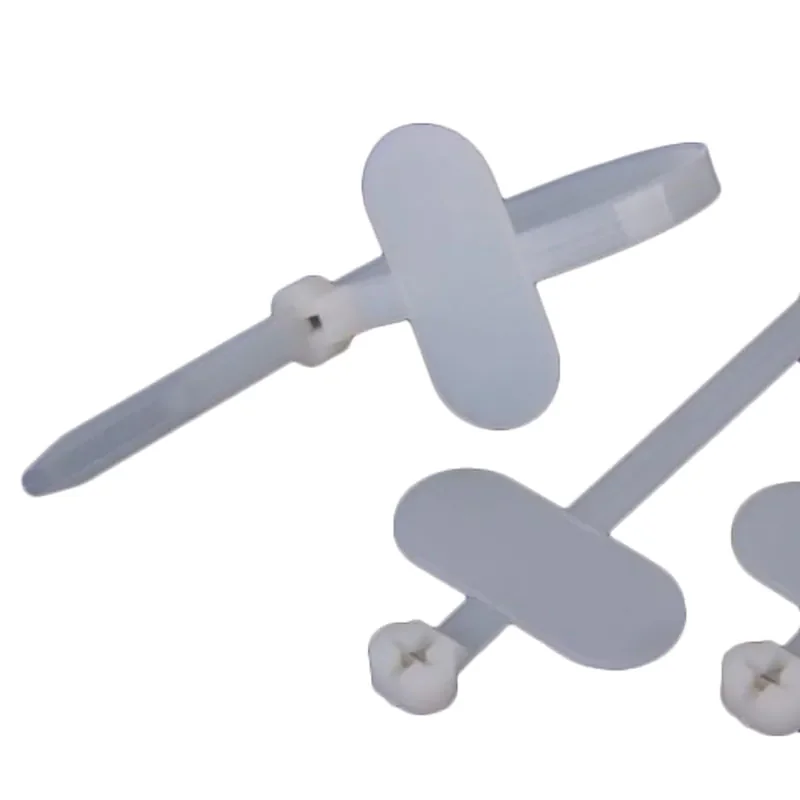
A Nylon Marker Tag with SS Inlay is an identification tag that combines a nylon body with a stainless steel inlay or identification component. The nylon material provides a lightweight and mechanically durable structure, while the stainless steel component can improve resistance to corrosion, abrasion, and demanding environmental conditions.
These tags can be used for identifying electrical wires, cables, control systems, equipment, terminals, pipes, and other industrial components. Depending on the design, they can be customized with numbers, letters, symbols, logos, or other identification information.
The combination of nylon and stainless steel makes this type of marker particularly useful for industrial environments where identification needs to remain secure and readable over an extended period.
Why Choose Nylon Marker Tags with SS Inlay?
The main advantage is durability. Industrial identification tags can be exposed to moisture, dust, vibration, chemicals, temperature changes, and mechanical wear. A properly designed Nylon Marker Tag with SS Inlay can provide better resistance to these conditions than conventional paper-based identification labels.
Nylon also offers good mechanical properties while remaining relatively lightweight. The stainless steel inlay provides an additional layer of durability and can help maintain the integrity of the identification area.
For applications involving frequent maintenance or harsh operating conditions, durable identification can reduce the need for repeated replacement and make equipment identification more reliable.
1. Consider the Installation Environment
The first factor to evaluate is where the marker will be used. Indoor control cabinets generally have less demanding conditions than outdoor electrical equipment, manufacturing facilities, marine environments, or chemical processing areas.
Consider whether the marker will be exposed to moisture, UV radiation, chemicals, oil, vibration, abrasion, dust, or significant temperature changes. The selected marker should have material and performance characteristics appropriate for the actual environment.
For outdoor or industrial applications, it is particularly important to consider both the nylon material and the stainless steel inlay rather than evaluating the marker based only on its appearance.
2. Select the Appropriate Nylon Material
Different nylon materials can have different levels of mechanical, thermal, and environmental resistance. When selecting a Nylon Marker Tag, check the material specification and operating temperature range.
For demanding industrial applications, buyers should consider mechanical strength, flexibility, temperature resistance, chemical resistance, and UV resistance. If the marker will be installed near heat-generating equipment or exposed to outdoor temperature fluctuations, its temperature performance should be verified before purchase.
Choosing the appropriate nylon material helps ensure that the marker remains functional throughout its expected service life.
3. Check the Stainless Steel Inlay
The stainless steel inlay is another important consideration. Stainless steel can provide good resistance to corrosion and mechanical wear, making it useful for industrial identification applications.
When comparing products, consider the stainless steel grade, thickness, surface finish, and corrosion resistance. For applications involving moisture, salt exposure, chemicals, or outdoor conditions, the stainless steel specification should match the environmental requirements.
A suitable SS inlay can also provide a durable identification surface that is less vulnerable to mechanical damage during installation and maintenance.
4. Choose the Right Size
The marker should be large enough to display the required identification information while remaining compatible with the cable or equipment.
Before selecting the size, consider the cable diameter, available installation space, number of characters, character size, and required viewing distance. A marker that is too small may make identification difficult, while an unnecessarily large marker may interfere with adjacent cables or components.
For large industrial projects, maintaining consistent marker sizes can also make the overall identification system easier to manage.
5. Evaluate the Marking Method
The durability of the marker itself is only part of the equation. The identification must also remain readable throughout the expected service period.
Depending on the product design, marking options may include laser marking, engraving, stamping, thermal transfer printing, or customized pre-marking. The best option depends on the application and environmental conditions.
For harsh industrial environments, buyers should pay particular attention to resistance against abrasion, moisture, chemicals, UV exposure, and repeated handling. A durable marking method helps ensure that cable and equipment information remains easy to read during maintenance.
6. Consider the Fixing Method
A marker should remain securely attached to the cable or equipment during normal operation. The appropriate fixing method depends on the product design, cable structure, and installation environment.
Cable ties, stainless steel ties, clips, or other fastening systems may be used depending on the application. In areas exposed to vibration or movement, the fixing method becomes especially important because a loose marker can reduce identification reliability.
The fixing system should therefore be considered together with the marker rather than treated as a separate component.
7. Check Temperature and Chemical Resistance
Temperature and chemical exposure can significantly affect identification materials. Industrial equipment may operate near motors, electrical components, heating systems, engines, or production machinery where temperatures can fluctuate considerably.
Similarly, manufacturing and processing facilities may expose identification markers to oils, cleaning agents, solvents, salt, or other chemicals.
Before purchasing a Nylon Marker Tag with SS Inlay, compare its temperature and chemical resistance with the actual operating conditions. This helps prevent premature deterioration and supports long-term identification performance.
8. Consider Customization Requirements
Industrial projects often have specific identification requirements. A standard blank marker may not always be sufficient.
Depending on the supplier and product design, Nylon Marker Tags with SS Inlay may be customized with cable numbers, equipment codes, letters, symbols, logos, barcodes, or other information. Custom dimensions and mounting configurations may also be available.
When ordering customized tags, it is important to provide accurate information about the required text, dimensions, cable size, marking method, quantity, and installation environment.
9. Consider Quality and Compliance
For industrial projects, product consistency and material quality are important. Depending on the application and destination market, buyers may also need to consider requirements related to RoHS, REACH, flame retardancy, material specifications, or other industry standards.
If the marker is being used in a regulated project, ask the supplier for the relevant technical documentation and test information. This can help ensure that the product meets the project’s technical and compliance requirements.
Nylon Marker Tag with SS Inlay vs. Conventional Labels
Compared with ordinary paper or basic plastic labels, Nylon Marker Tags with SS Inlay are generally more suitable for applications where durability and long-term identification are important.
| Feature | Nylon Marker Tag with SS Inlay | Conventional Labels |
| Mechanical durability | High, depending on design | Varies |
| Moisture resistance | Good, depending on material | Often limited |
| Corrosion resistance | Good with suitable SS material | Generally lower |
| Abrasion resistance | Good | Varies |
| Industrial applications | Suitable for demanding applications | Mainly light-duty applications |
| Long-term identification | Suitable | Depends on material and marking |
| Customization | Available for many designs | Widely available |
The right choice still depends on the specific environment. Conventional labels may be sufficient for simple indoor applications, while a Nylon Marker Tag with SS Inlay can be a better option for industrial environments where durability is a priority.
Common Applications
Nylon Marker Tags with SS Inlay can be used across a variety of industrial sectors. In electrical control cabinets, they can identify wires, terminals, and circuits to simplify installation and maintenance. In power distribution systems, they can be used for cables and equipment identification.
They are also suitable for industrial automation, where large numbers of control wires, sensors, and communication cables need clear identification. In telecommunications, durable cable markers can help organize and identify complex cable networks.
For outdoor equipment, industrial machinery, transportation systems, and other demanding installations, the combination of nylon and stainless steel can provide a practical identification solution when the selected materials match the environmental requirements.
Common Mistakes When Choosing a Nylon Marker Tag
One common mistake is choosing a marker based only on price. A low-cost product may not provide sufficient resistance to temperature, chemicals, UV exposure, or mechanical wear.
Another mistake is ignoring the cable size and installation environment. A marker that does not fit correctly or is not designed for the surrounding conditions may become difficult to read or securely attach.
It is also important not to overlook the marking method. Even if the marker itself is highly durable, identification that fades or becomes damaged can reduce its practical value. Buyers should therefore evaluate the complete identification system, including material, marking, size, and fixing method.
FAQ
What is a Nylon Marker Tag with SS Inlay used for?
It is mainly used for identifying wires, cables, terminals, equipment, pipes, and other components in industrial and electrical applications. It is particularly useful where durable and long-lasting identification is required.
Why does a Nylon Marker Tag use a stainless steel inlay?
The stainless steel inlay can improve resistance to corrosion, abrasion, and mechanical wear while providing a durable identification component. This makes the marker suitable for more demanding environments than some conventional identification labels.
Are Nylon Marker Tags with SS Inlay suitable for outdoor use?
They can be suitable for outdoor applications when the specific nylon material, stainless steel grade, marking method, and fixing system are designed for outdoor conditions. UV exposure, moisture, temperature changes, and corrosion should be considered before selection.
How do I choose the correct marker size?
Consider the cable diameter, available installation space, required identification content, number of characters, and viewing distance. The marker should provide enough space for clear identification without interfering with surrounding components.
Can Nylon Marker Tags with SS Inlay be customized?
Yes. Depending on the manufacturer and product design, customization may include text, numbers, symbols, logos, dimensions, marking methods, and mounting configurations.
What marking method is best for industrial applications?
There is no single best method for every application. Laser marking, engraving, stamping, and other methods can be suitable depending on the environmental conditions and durability requirements. For harsh environments, prioritize a marking method that can maintain readability under expected exposure.
Are these markers suitable for high-temperature environments?
Some Nylon Marker Tags can withstand elevated temperatures, but the actual temperature rating depends on the nylon material and product construction. Always compare the manufacturer’s specified temperature range with the application’s operating conditions.
How can I ensure the marker stays securely attached?
Choose a fixing method compatible with the cable or equipment and appropriate for the operating environment. For applications involving vibration or movement, the fastening system should provide sufficient mechanical stability.
Conclusion
Selecting the right Nylon Marker Tag with SS Inlay requires consideration of more than just the tag’s appearance or purchase price. Material selection, stainless steel specifications, marker size, marking method, fixing system, temperature resistance, chemical exposure, and customization requirements can all affect long-term performance.
For industrial applications, the ideal marker should provide clear identification, reliable attachment, and sufficient resistance to the surrounding environment. By evaluating these factors before purchasing, businesses can build a more reliable identification system that supports efficient installation, maintenance, and troubleshooting.