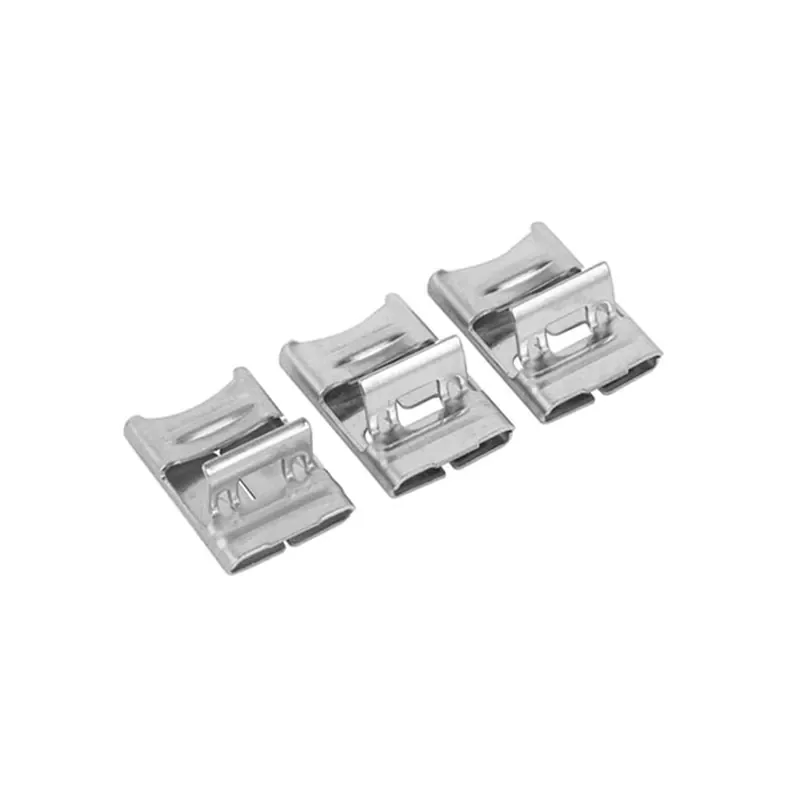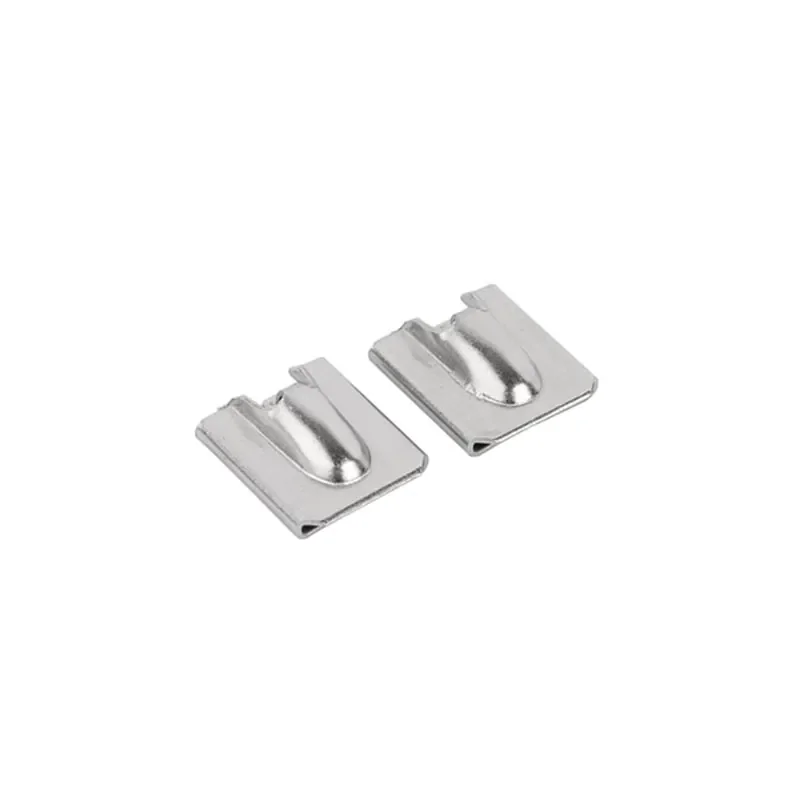




How to Choose the Right I Type Stainless Steel Marker Plates for Industrial Applications
Introduction
Reliable identification is an important part of electrical installations, industrial automation, telecommunications, power distribution, and equipment management. In complex industrial systems, cables, wires, pipes, and equipment may need to be identified clearly to make installation, inspection, troubleshooting, and maintenance more efficient.
Choosing the right I Type Stainless Steel Marker Plates is especially important when identification markers are exposed to demanding environments. Moisture, UV radiation, temperature changes, vibration, chemicals, and mechanical wear can affect conventional paper, adhesive, or plastic labels over time.
I Type Stainless Steel Marker Plates provide a durable metal identification solution for industrial cable and wire marking. However, different applications may require different sizes, materials, marking methods, and installation options. This guide explains the key factors to consider when choosing the right I Type Stainless Steel Marker Plates for industrial applications.
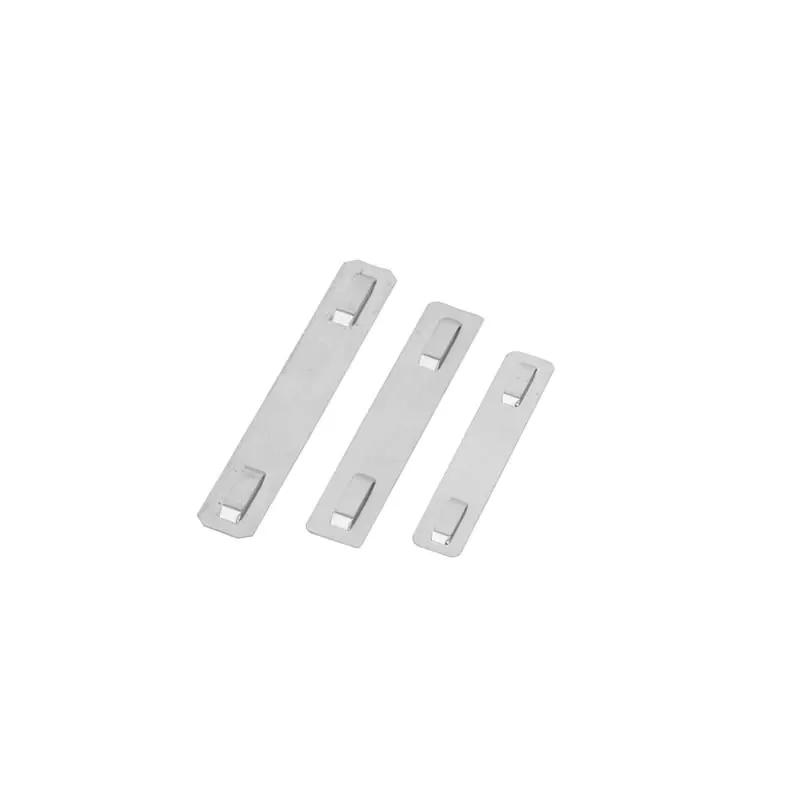
What Are I Type Stainless Steel Marker Plates?
I Type Stainless Steel Marker Plates are metal identification plates designed for marking and identifying cables, wires, equipment, and other industrial components. They are manufactured from stainless steel and can carry letters, numbers, symbols, codes, or other identification information.
The stainless steel construction provides a combination of mechanical durability and resistance to common environmental conditions. Depending on the specific product design, the marker plates can be fixed to cables, wires, or equipment using suitable installation methods.
These characteristics make I Type Stainless Steel Marker Plates suitable for applications where identification needs to remain clear and durable over an extended service period.
Why Choose I Type Stainless Steel Marker Plates?
The first step in product selection is understanding why stainless steel marker plates are useful for industrial applications.
Compared with paper labels and some plastic identification products, stainless steel offers better resistance to mechanical damage, moisture, UV exposure, and many outdoor conditions. The metal construction is also less likely to tear or deform during normal installation and maintenance.
For industrial systems that may operate for many years, durable identification can reduce the need for frequent replacement and help maintenance personnel locate cables and equipment more efficiently.
Choose the Right Stainless Steel Material
Material selection is one of the most important factors.
Different stainless steel grades provide different levels of corrosion resistance and mechanical performance. For general industrial applications, a commonly used stainless steel grade may be sufficient. However, environments involving high humidity, salt exposure, chemicals, or other corrosive conditions may require a more corrosion-resistant grade.
Before selecting I Type Stainless Steel Marker Plates, consider whether the installation will be exposed to:
Moisture and condensation
Outdoor weather
Salt or coastal conditions
Industrial chemicals
Cleaning agents
High temperatures
Continuous vibration
The stainless steel grade should be selected according to the actual working environment rather than simply choosing based on appearance or price.
Select the Correct Marker Plate Size
The size of the marker plate should match both the identification requirements and the installation space.
If the marker needs to display a long cable number or multiple characters, sufficient marking space is necessary. At the same time, the plate should not be unnecessarily large for the cable or equipment being identified.
Before ordering, consider the amount of information that needs to be displayed, the size of the cable or component, and the available installation space.
A properly sized marker can improve readability while keeping the overall cable identification system neat and organized.
Consider the Required Marking Information
Industrial identification systems may use different types of information, including cable numbers, wire codes, equipment numbers, circuit references, letters, and symbols.
Determine the required marking information before selecting the marker plate. This will help determine the appropriate plate dimensions and marking method.
For large electrical installations, consistent identification formats are particularly important. Using standardized codes and clear markings can make it easier for technicians to understand the wiring system and perform maintenance.
Evaluate Marking Durability
The stainless steel plate itself may remain in good condition for many years, but the identification marking must also remain readable.
When choosing I Type Stainless Steel Marker Plates, consider how the information is marked and whether the marking method is suitable for the expected environment.
For outdoor and industrial applications, the marking should be able to withstand normal exposure to moisture, UV radiation, abrasion, and temperature changes.
A durable marking method can help prevent identification information from fading or becoming difficult to read during the service life of the equipment.
Consider the Installation Method
The marker plate must be securely attached to the cable, wire, or equipment.
Depending on the product design, different fixing methods may be available. The correct method should provide sufficient stability without damaging the cable or interfering with surrounding components.
When selecting I Type Stainless Steel Marker Plates, consider the cable diameter, available installation space, expected vibration, and whether the marker will need to be removed or replaced during maintenance.
For industrial environments with significant vibration or movement, the fixing method is particularly important because a loose marker can reduce identification reliability.
Check Environmental Resistance
Industrial environments can vary significantly. A marker used inside a clean electrical cabinet may face very different conditions from one installed outdoors or in a chemical processing facility.
For indoor applications, standard stainless steel marker plates may provide sufficient performance. Outdoor installations may require stronger resistance to moisture and UV exposure. Marine or coastal applications may require careful consideration of corrosion resistance, while chemical facilities may require material compatibility testing.
Understanding the actual environment helps prevent over-specification and ensures that the selected marker plate provides the required service life.
Consider Temperature Conditions
Temperature is another important selection factor.
Industrial equipment may operate in environments with high temperatures, low temperatures, or frequent temperature fluctuations. Stainless steel generally offers good dimensional stability, but the overall identification system also depends on the marking method and fixing components.
For applications involving extreme temperatures, buyers should check the manufacturer’s recommended operating conditions and select a product that can maintain its marking and structural performance under the expected temperature range.
Check Mechanical Durability
Cable and equipment markers may experience mechanical stress during installation, operation, inspection, and maintenance.
I Type Stainless Steel Marker Plates offer a durable metal construction that can resist normal handling, friction, and mechanical contact better than many paper-based labels.
For applications involving continuous vibration or frequent maintenance, however, buyers should consider the plate thickness, fixing method, and overall product construction to ensure that the marker remains securely attached.
Match the Marker Plate to the Application
Different industries have different identification requirements.
Electrical and Power Systems
Electrical cabinets, power distribution systems, and control panels often contain large numbers of cables and wires. I Type Stainless Steel Marker Plates can help identify individual cables, circuits, and equipment connections.
Industrial Automation
Automation systems use power cables, signal wires, control cables, and sensors. Clear identification can make installation and troubleshooting more efficient.
Telecommunications
Telecommunications infrastructure often contains large cable bundles. Durable stainless steel markers can help technicians distinguish individual cables and maintain organized cable systems.
Industrial Machinery
Machines may contain complicated wiring systems operating under vibration and temperature changes. Stainless steel marker plates can provide long-lasting identification for cables and components.
Construction and Infrastructure
Large construction projects may require durable identification for electrical cables and equipment. Stainless steel markers are useful when identification needs to remain in place after installation.
Consider Indoor vs. Outdoor Applications
The installation location should directly influence product selection.
For indoor applications with limited environmental exposure, standard stainless steel marker plates may be sufficient. For outdoor applications, greater attention should be given to corrosion resistance, UV exposure, moisture, and temperature fluctuations.
If the marker will be installed in a coastal, marine, or chemically aggressive environment, selecting the appropriate stainless steel grade becomes even more important.
Evaluate Manufacturer Quality
For industrial buyers, product quality and consistency are just as important as basic specifications.
A reliable manufacturer should have effective quality control covering stainless steel material, plate dimensions, marking accuracy, surface quality, and overall product consistency.
When purchasing large quantities, buyers can ask manufacturers about:
Stainless steel grade
Material specifications
Plate dimensions and thickness
Marking technology
Quality inspection procedures
Production capacity
Customization options
Packaging requirements
Sample availability
Working with an experienced manufacturer can help ensure that all marker plates in a large project maintain consistent appearance and performance.
Common Mistakes to Avoid
One common mistake is choosing marker plates based only on price. A lower-cost product may not provide the required corrosion resistance, marking durability, or mechanical performance.
Another mistake is ignoring the installation environment. A marker suitable for an indoor electrical cabinet may not be appropriate for outdoor, marine, or chemical applications.
Buyers should also avoid selecting a plate that is too small for the required identification information. If the marking is difficult to read, the purpose of the identification system is compromised.
Finally, do not overlook the fixing method. Even a high-quality stainless steel plate may become ineffective if it is not securely attached to the cable or equipment.
How to Select the Right I Type Stainless Steel Marker Plates
A practical selection process can be summarized as follows:
First, identify what needs to be marked and determine the required information.
Second, measure the cable, wire, or equipment and select an appropriate marker plate size.
Third, evaluate environmental conditions such as moisture, UV exposure, temperature, chemicals, and vibration.
Fourth, select a suitable stainless steel grade and marking method based on these conditions.
Finally, confirm the fixing method and manufacturer quality before placing an order.
This approach can help industrial buyers select marker plates that provide reliable identification without unnecessary specifications or costs.
Conclusion
Choosing the right I Type Stainless Steel Marker Plates requires consideration of more than plate size and appearance. Material grade, marking durability, environmental resistance, dimensions, installation method, and manufacturing quality all influence the performance of the final identification system.
For electrical, telecommunications, industrial automation, machinery, construction, and outdoor infrastructure applications, stainless steel marker plates can provide a durable solution for long-term cable and wire identification.
By understanding the actual application requirements and selecting the appropriate material, size, marking method, and fixing solution, industrial buyers can establish a clear and reliable identification system that supports easier installation, maintenance, and troubleshooting.
FAQ
1. What are I Type Stainless Steel Marker Plates?
I Type Stainless Steel Marker Plates are metal identification plates used to identify cables, wires, equipment, and other industrial components. They can be marked with numbers, letters, symbols, or codes to support clear and long-lasting identification.
2. Why are I Type Stainless Steel Marker Plates suitable for industrial applications?
They offer good mechanical durability, corrosion resistance, and resistance to common environmental conditions. These characteristics make them suitable for electrical systems, industrial machinery, telecommunications, construction, and other applications requiring durable identification.
3. Can I Type Stainless Steel Marker Plates be used outdoors?
Yes. Stainless steel marker plates can be used for many outdoor identification applications. They can withstand common outdoor conditions such as moisture, sunlight, and temperature changes. For demanding outdoor environments, the appropriate stainless steel grade should be selected.
4. Are I Type Stainless Steel Marker Plates resistant to corrosion?
Stainless steel provides good corrosion resistance, but the actual performance depends on the stainless steel grade and the environment. Applications involving salt, chemicals, or high humidity may require a more corrosion-resistant grade.
5. What information can be marked on I Type Stainless Steel Marker Plates?
Depending on the product and marking method, they can typically display cable numbers, wire codes, equipment numbers, letters, symbols, circuit references, and other identification information required by the project.