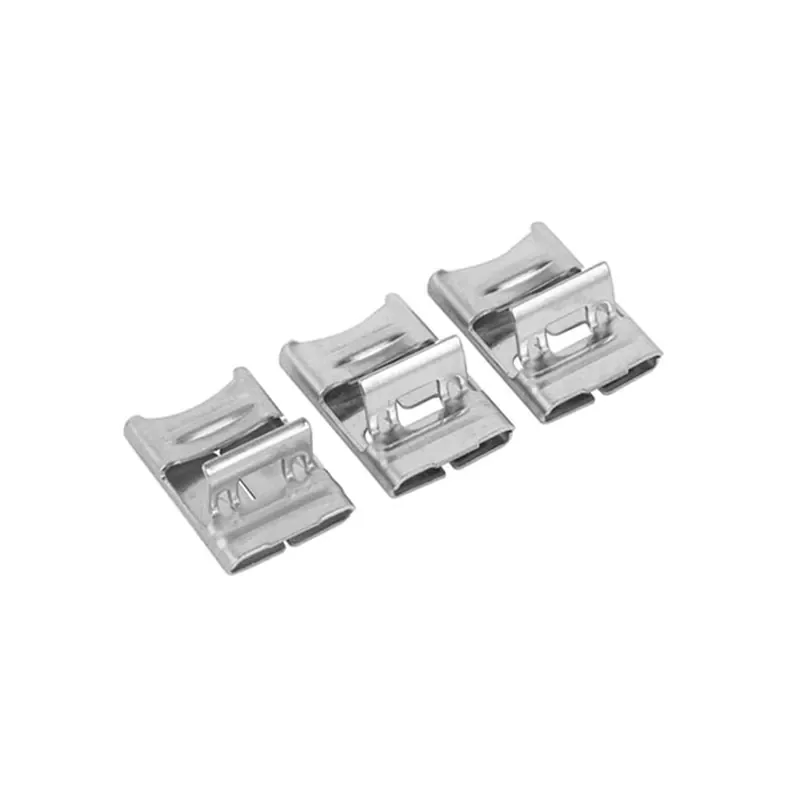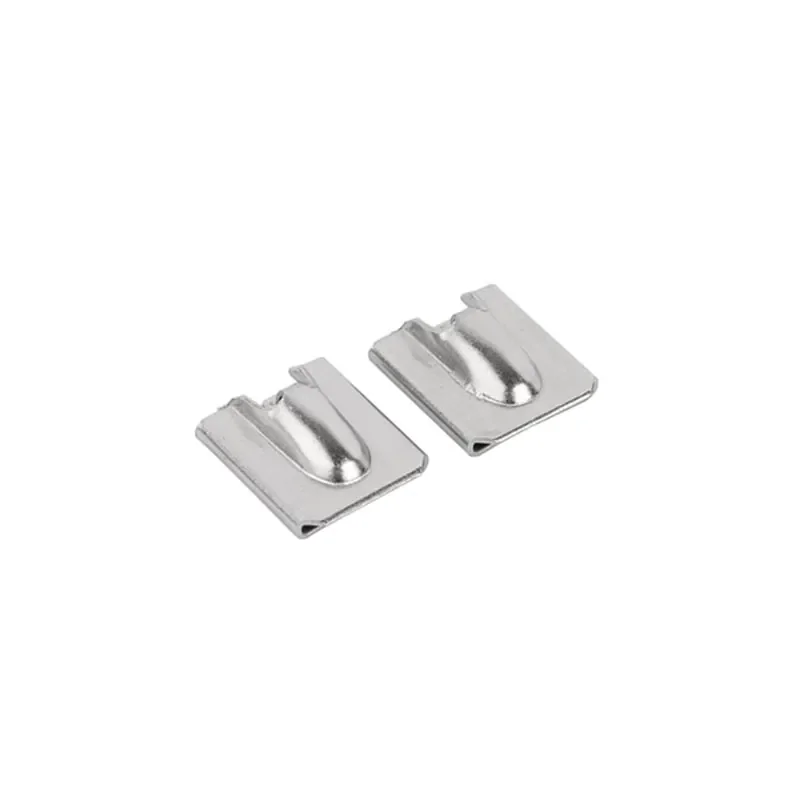




What Makes XIM Type Stainless Steel Marker Plates Suitable for Harsh Environments?
Introduction
Reliable identification is essential in electrical, industrial, telecommunications, construction, and infrastructure projects. Cables, wires, pipes, equipment, and components often need clear and durable identification throughout their service life. However, identification labels used in harsh environments face much greater challenges than those used in clean indoor locations.
Exposure to moisture, chemicals, UV radiation, temperature fluctuations, vibration, dust, and mechanical wear can cause ordinary identification materials to fade, crack, deform, or become difficult to read. For these applications, XIM Type Stainless Steel Marker Plates can provide a durable solution for long-term identification.
Made from stainless steel and designed for industrial marking applications, these marker plates offer a combination of mechanical durability, corrosion resistance, and clear identification. This article explains what makes XIM Type Stainless Steel Marker Plates suitable for demanding environments and what factors buyers should consider when selecting them.
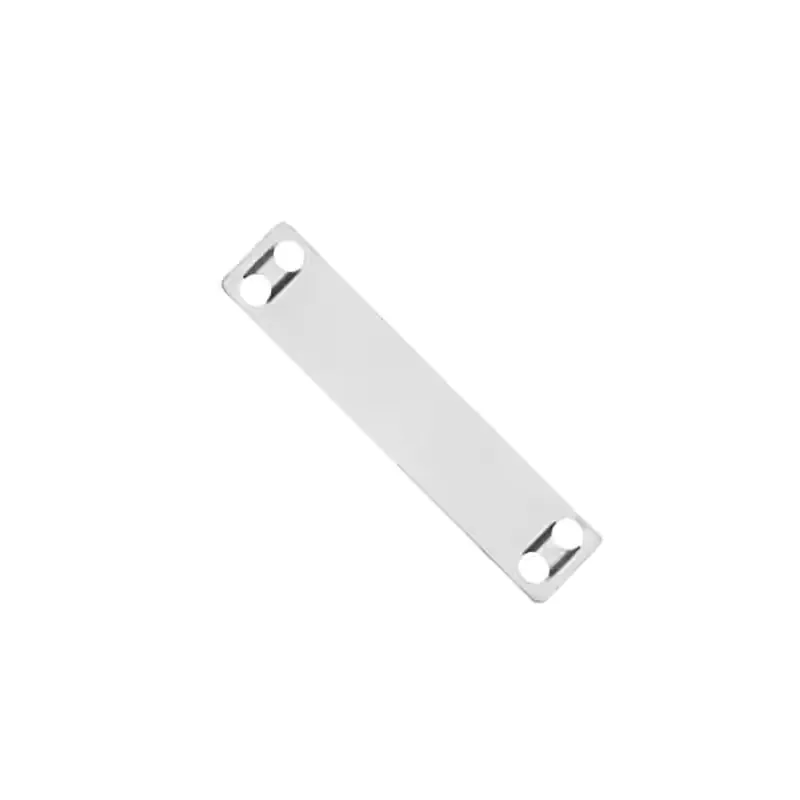
What Are XIM Type Stainless Steel Marker Plates?
XIM Type Stainless Steel Marker Plates are metal identification plates designed for marking and identifying cables, wires, pipes, equipment, and other industrial components. Their stainless steel construction provides greater durability than many conventional plastic or paper-based identification materials.
Depending on the specific design, the plates can be marked with numbers, letters, symbols, or other identification information. They can then be attached to the relevant cable, wire, pipe, or equipment using a suitable fixing method.
The main purpose is to provide identification that remains visible and readable during long-term operation, particularly in environments where ordinary labels may deteriorate quickly.
Excellent Corrosion Resistance
One of the most important advantages of stainless steel marker plates is corrosion resistance.
Industrial installations may be exposed to rain, humidity, condensation, salt, cleaning chemicals, or corrosive substances. Materials with poor corrosion resistance can gradually deteriorate, making identification difficult or causing the marker itself to fail.
Stainless steel provides strong resistance to corrosion in many environments. This makes XIM Type Stainless Steel Marker Plates suitable for applications where long-term exposure to moisture or corrosive conditions is expected.
For particularly aggressive environments, the specific stainless steel grade should be selected according to the application and environmental requirements.
Suitable for Outdoor Applications
Outdoor installations expose identification markers to conditions that are difficult to control. Sunlight, rain, wind, dust, temperature changes, and humidity can all affect the service life of identification materials.
Plastic labels may become brittle or discolored after prolonged UV exposure, while paper labels can be damaged by moisture. Stainless steel marker plates offer a more durable alternative for outdoor identification.
XIM Type Stainless Steel Marker Plates can therefore be considered for outdoor electrical installations, industrial equipment, telecommunications infrastructure, construction projects, and other applications where identification needs to remain available over an extended period.
Strong Resistance to Mechanical Wear
Industrial identification markers may be exposed to handling, vibration, friction, impact, and other mechanical stresses. A label that is easily scratched, torn, or deformed can quickly lose its usefulness.
The metal construction of stainless steel marker plates provides good mechanical durability. When properly selected and installed, the plates can withstand normal handling and mechanical exposure better than many lightweight labeling materials.
This is particularly valuable in industrial environments where equipment is frequently inspected, maintained, moved, or serviced.
Good Performance Under Temperature Changes
Industrial equipment can operate under a wide range of temperatures. Outdoor installations may also experience significant temperature changes between day and night or between different seasons.
Temperature fluctuations can cause some labeling materials to shrink, expand, crack, or lose adhesion. Stainless steel has good dimensional stability across a broad range of operating conditions.
For applications involving extreme temperatures, however, buyers should consider the specific stainless steel grade, marking method, fixing method, and other components of the identification system.
Resistant to UV Exposure
Long-term exposure to ultraviolet radiation can cause many conventional labels to fade or deteriorate. This can be a major problem when identification information needs to remain readable for maintenance, inspection, and safety purposes.
Stainless steel itself is not subject to the same type of UV degradation as many plastic materials. When combined with a suitable marking process, stainless steel marker plates can provide a long-lasting identification solution for outdoor applications.
The durability of the marking should also be considered, since the stainless steel plate and the identification information are both important to long-term readability.
Suitable for Industrial and Chemical Environments
Factories and industrial facilities may involve oils, solvents, cleaning agents, chemicals, and other substances. Labels installed in these environments must be selected according to their chemical exposure.
Stainless steel generally offers good resistance to many industrial environmental conditions, but chemical compatibility depends on the specific substance, concentration, temperature, exposure time, and stainless steel grade.
For applications involving aggressive chemicals, buyers should confirm material compatibility with the manufacturer before selecting XIM Type Stainless Steel Marker Plates.
Clear and Long-Term Identification
The main function of a marker plate is identification. Even a highly durable plate is not useful if the marking becomes difficult to read.
XIM Type Stainless Steel Marker Plates can be marked with identification information such as cable numbers, equipment codes, wire references, pipe numbers, or other project-specific information.
Clear identification can help maintenance teams quickly locate and recognize individual components. This can reduce confusion during installation, troubleshooting, inspection, and repair.
For large industrial systems containing hundreds or thousands of cables and components, reliable identification can significantly improve maintenance efficiency.
Suitable for Electrical and Cable Identification
Cable and wire identification is one of the common applications for stainless steel marker plates.
In electrical systems, identification helps technicians distinguish different wires and cables and follow wiring diagrams more efficiently. This becomes especially important in large control cabinets, power distribution systems, industrial machinery, and infrastructure projects.
XIM Type Stainless Steel Marker Plates can provide a durable identification method where cables are exposed to outdoor conditions, vibration, moisture, or industrial environments.
Applications in Harsh Environments
XIM Type Stainless Steel Marker Plates can be used in a variety of demanding applications.
Electrical and Power Systems
Power distribution equipment, control cabinets, substations, and electrical installations often require durable identification for cables, wires, and equipment. Stainless steel markers can provide long-lasting identification in environments where temperature and moisture may fluctuate.
Telecommunications
Telecommunications infrastructure may contain large numbers of cables that require clear identification. Outdoor cabinets, communication facilities, and infrastructure installations can benefit from durable metal markers.
Industrial Machinery
Machinery often operates under vibration, heat, dust, and mechanical stress. Durable marker plates can help identify cables, components, and equipment during routine maintenance.
Construction and Infrastructure
Construction projects may require identification systems that remain readable during installation and long-term operation. Stainless steel markers are suitable for applications where exposure to outdoor conditions is expected.
Marine and Coastal Environments
Moisture and salt exposure can accelerate corrosion of unsuitable materials. Stainless steel can provide improved resistance compared with many conventional identification materials, although the appropriate stainless steel grade should be selected for marine environments.
Chemical and Processing Facilities
Industrial plants may expose identification markers to chemicals, cleaning agents, and temperature changes. Stainless steel marker plates can be considered where their material compatibility meets the specific operating conditions.
Stainless Steel Marker Plates vs. Plastic Marker Plates
Plastic marker plates can be economical and suitable for many indoor applications. However, harsh environments may require greater mechanical and environmental durability.
Stainless steel marker plates generally provide better resistance to mechanical wear, UV exposure, and many outdoor conditions. They also maintain good dimensional stability under temperature changes.
Plastic markers may still be the better choice when low cost, lightweight construction, or specific chemical resistance is the primary requirement.
Therefore, the correct choice depends on the environment, service life, marking requirements, installation method, and budget.
How to Choose the Right XIM Type Stainless Steel Marker Plates
When selecting XIM Type Stainless Steel Marker Plates, buyers should first identify the actual environmental conditions. Consider whether the marker will be exposed to moisture, salt, chemicals, UV radiation, high temperatures, vibration, or mechanical wear.
Next, select an appropriate stainless steel grade and plate size according to the application. The marker should provide enough space for the required identification information while fitting securely onto the cable, wire, pipe, or equipment.
The marking method is another important consideration. The identification should remain clear and readable throughout the expected service life. Finally, check the fixing method and make sure the marker is compatible with the installation requirements.
Why Manufacturing Quality Matters
The performance of stainless steel marker plates depends not only on the material but also on manufacturing quality. Plate thickness, dimensions, surface quality, marking accuracy, edge finishing, and fixing design can all affect the final product.
For industrial projects, buyers should work with manufacturers capable of maintaining consistent product quality and providing suitable material specifications. Sample testing can also be useful when marker plates will be used in particularly demanding environments.
For distributors and OEM customers, customization of marking content, dimensions, packaging, and identification requirements may also be important.
Conclusion
XIM Type Stainless Steel Marker Plates are well suited to harsh environments because they combine durable stainless steel construction with reliable identification capabilities. Their resistance to corrosion, UV exposure, mechanical wear, and temperature fluctuations makes them a practical choice for many industrial and outdoor applications.
From electrical and telecommunications systems to industrial machinery, construction, marine environments, and processing facilities, durable identification can improve maintenance efficiency and help ensure that important cables, wires, pipes, and equipment remain easy to identify.
When choosing XIM Type Stainless Steel Marker Plates, buyers should consider stainless steel grade, environmental resistance, plate size, marking durability, fixing method, and manufacturing quality. Selecting the right specification for the actual operating environment can help ensure clear and reliable identification over the long term.
FAQ
1. What are XIM Type Stainless Steel Marker Plates?
XIM Type Stainless Steel Marker Plates are durable metal identification plates used to identify cables, wires, pipes, equipment, and industrial components. They are made from stainless steel and can be marked with numbers, letters, symbols, or other identification information.
2. Why are XIM Type Stainless Steel Marker Plates suitable for harsh environments?
Their stainless steel construction provides good resistance to corrosion, moisture, UV exposure, mechanical wear, and temperature changes. These characteristics make them suitable for demanding industrial and outdoor identification applications.
3. Are XIM Type Stainless Steel Marker Plates suitable for outdoor use?
Yes. Stainless steel marker plates can be used for many outdoor applications because stainless steel provides good resistance to weather and UV-related deterioration. The appropriate stainless steel grade and marking method should be selected according to the actual environment.
4. Are stainless steel marker plates resistant to corrosion?
Stainless steel offers good corrosion resistance, but performance depends on the specific grade and environmental conditions. For applications involving saltwater, chemicals, or high humidity, the stainless steel grade should be selected carefully.
5. Can XIM Type Stainless Steel Marker Plates be used for cable identification?
Yes. They are suitable for identifying cables, wires, and wiring systems in electrical, telecommunications, industrial, and infrastructure applications. Durable identification can make installation, inspection, and maintenance more efficient.