



How to Choose the Right Steel Barb Lock Nylon Cable Ties for Industrial Applications
Introduction
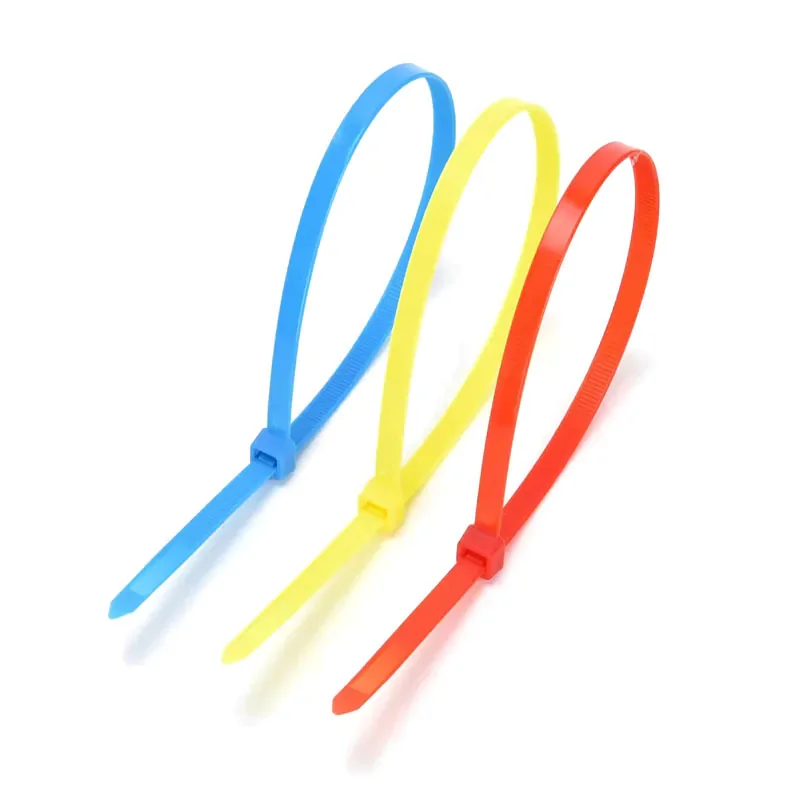
Choosing the right Steel Barb Lock Nylon Cable Ties is important for industrial cable management, wiring organization, equipment assembly, and component bundling. Unlike standard nylon cable ties, steel barb lock cable ties use a metal barb locking mechanism to provide a secure and reliable connection.
Industrial applications often involve vibration, temperature changes, moisture, chemicals, and mechanical stress. Therefore, selecting a cable tie based only on length or appearance may result in poor bundling performance or premature failure.
What Are Steel Barb Lock Nylon Cable Ties?
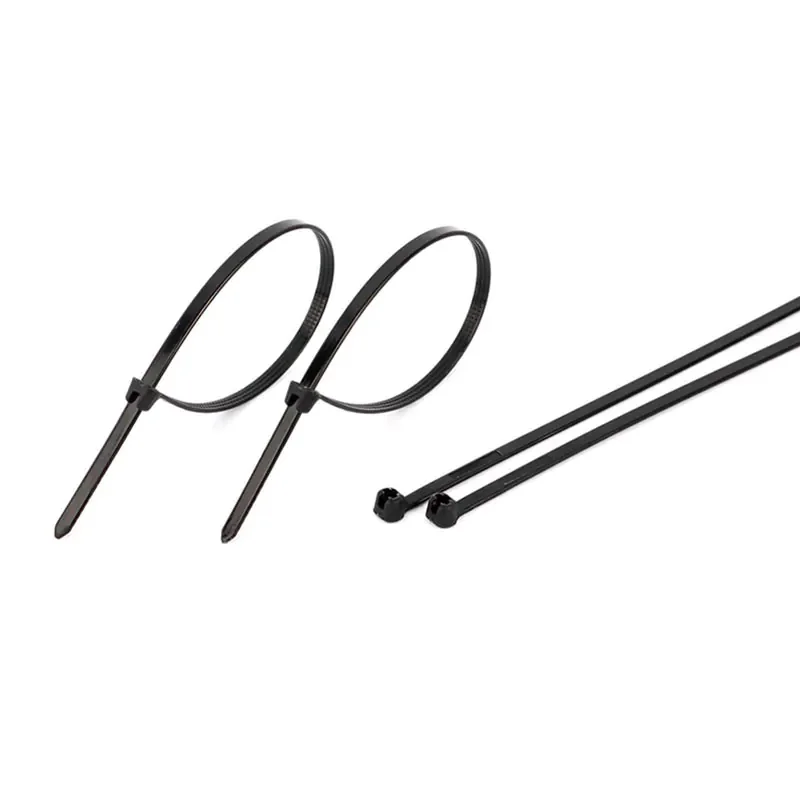
Steel Barb Lock Nylon Cable Ties are cable ties made primarily from nylon, with a stainless steel or steel barb integrated into the locking head. When the tie is pulled through the locking head, the metal barb grips the strap and helps prevent the tie from loosening.
The steel barb provides a strong and dependable locking mechanism while the nylon body offers flexibility, lightweight construction, and resistance to many common environmental conditions.
These cable ties are commonly used for:
Electrical wire bundling
Cable management
Automotive wiring
Industrial equipment
Control cabinets
Construction projects
Telecommunications
HVAC systems
Machinery assembly
Outdoor installations
Why Choose Steel Barb Lock Nylon Cable Ties?
Before selecting a specific model, it is useful to understand the main advantages of this cable tie design.
1. Strong Locking Performance
The steel barb creates a secure mechanical lock between the cable tie strap and head. This helps maintain bundling force and reduces the risk of accidental loosening.
2. High Tensile Strength
Depending on the design and dimensions, Steel Barb Lock Nylon Cable Ties can provide strong tensile performance for demanding cable management applications.
For industrial installations, tensile strength is particularly important when cable bundles are exposed to vibration, movement, or mechanical loads.
3. Durable Construction
Nylon provides a combination of flexibility and mechanical strength, while the metal barb strengthens the locking mechanism. This combination makes the cable tie suitable for many industrial environments.
4. Easy Installation
Steel Barb Lock Nylon Cable Ties can generally be installed quickly by wrapping the strap around a cable bundle and pulling it through the locking head.
For high-volume assembly operations, fast installation can help reduce labor time and improve productivity.
Select the Correct Cable Tie Material
Material is one of the first factors to consider.
Common nylon cable tie materials include different grades of nylon selected according to mechanical and environmental requirements. For general industrial applications, nylon 6/6 is widely used because it offers a useful balance of strength, flexibility, and temperature performance.
For more demanding applications, buyers should check the manufacturer’s material specifications and determine whether the selected grade is suitable for:
High or low temperatures
UV exposure
Moisture
Chemical contact
Oil and grease
Outdoor installation
Continuous mechanical stress
If the cable ties will be exposed to sunlight or severe outdoor conditions, a UV-resistant material or UV-stabilized grade may be more appropriate.
Choose the Right Cable Tie Length
The cable tie must be long enough to wrap around the entire bundle while leaving sufficient strap length for proper locking and installation.
Common cable tie lengths vary depending on the application. Shorter ties are suitable for small wire bundles, while longer models are better for large cable groups, pipes, hoses, or industrial components.
When selecting the length, consider:
Cable bundle diameter
Number of cables
Installation clearance
Required wrapping position
Space around the bundle
Installation tools
Avoid selecting a cable tie that is barely long enough to close around the bundle. A suitable additional length makes installation easier and helps ensure proper locking.
Check the Required Tensile Strength
Tensile strength is one of the most important specifications when choosing industrial cable ties.
It indicates the amount of pulling force the cable tie can withstand before failure. Larger and wider cable ties generally provide higher tensile strength, although actual performance depends on material, design, locking mechanism, and manufacturing quality.
For light-duty wiring, a lower tensile strength may be sufficient. Heavy cable bundles, automotive wiring, industrial machinery, and demanding installations may require higher-strength cable ties.
When selecting a product, compare the manufacturer’s rated tensile strength with the actual load and environmental conditions of the application.
Consider the Steel Barb Locking Mechanism
The locking mechanism directly affects the reliability of the cable tie.
A quality Steel Barb Lock Nylon Cable Tie should provide consistent engagement between the steel barb and nylon strap. The barb should securely grip the strap without causing excessive damage during normal installation.
When evaluating products, consider:
Barb material
Barb shape and design
Locking consistency
Head construction
Strap thickness
Pull-through resistance
Overall manufacturing quality
For industrial applications, a reliable locking mechanism is particularly important because loose cable bundles can create maintenance problems, vibration issues, or safety concerns.
Consider Operating Temperature
Industrial cable ties may be exposed to temperature conditions that differ significantly from indoor environments.
Before purchasing, check the manufacturer’s recommended operating temperature range.
Applications involving:
Engines
Industrial machinery
Electrical equipment
Heating systems
Outdoor cabinets
Automotive components
may require cable ties with suitable temperature resistance.
Do not select a product solely based on its room-temperature performance. Long-term exposure to excessive heat or cold can affect nylon’s mechanical properties.
Evaluate Environmental Resistance
The installation environment should also influence your choice.
Indoor Applications
For indoor electrical cabinets, offices, control panels, and general equipment, standard nylon cable ties may provide sufficient performance.
Outdoor Applications
Outdoor cable management may expose ties to:
UV radiation
Rain
Humidity
Temperature fluctuations
Dust
Wind
UV-resistant nylon cable ties may be preferred for long-term outdoor installations.
Industrial Environments
Factories and processing facilities may involve oils, chemicals, solvents, vibration, and mechanical abrasion. In these environments, buyers should verify the cable tie’s chemical and environmental compatibility before installation.
Match the Cable Tie to the Application
Different industrial applications have different requirements.
Electrical and Control Cabinets
For control cabinets and electrical panels, cable ties should provide reliable bundling while fitting the available installation space. Appropriate length, width, and tensile strength are essential.
Automotive Applications
Automotive wiring can be exposed to vibration, temperature changes, oil, and limited installation space. Cable ties should therefore be selected according to the specific location and environmental conditions.
Industrial Machinery
Machine wiring may experience continuous vibration and movement. A strong locking mechanism and appropriate tensile strength can help maintain secure cable bundles.
Construction
Construction projects may require large quantities of cable ties for electrical wiring, pipes, and temporary or permanent installations. Installation speed and product consistency can be important purchasing factors.
Telecommunications
Telecommunications systems often contain large numbers of cables that need to remain organized and accessible. Choosing the correct length and bundle capacity helps create a clean and maintainable installation.
Check the Cable Tie Width and Bundle Capacity
Length alone does not determine whether a cable tie is suitable.
The strap width and thickness also affect:
Tensile strength
Flexibility
Bundle capacity
Locking performance
Installation method
Measure the approximate diameter or circumference of the cable bundle before choosing the product.
For large industrial bundles, wider and stronger cable ties may be more suitable than narrow general-purpose models.
Consider Installation Tools and Method
For small quantities, Steel Barb Lock Nylon Cable Ties can often be installed manually.
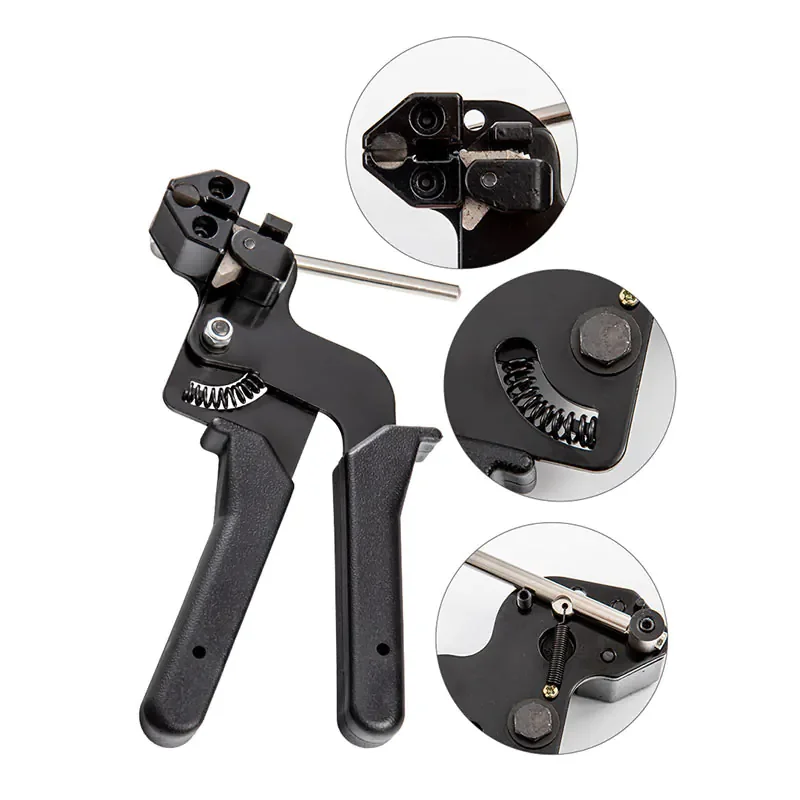
For large-scale industrial assembly, a cable tie installation tool can improve consistency and productivity. Some tools allow operators to apply a controlled tension and cut off excess strap.
When purchasing cable ties for production lines, consider whether the product is compatible with the company’s existing installation equipment.
Look for Consistent Manufacturing Quality
For industrial buyers, product consistency can be just as important as the basic specification.
A reliable manufacturer should have effective quality control covering:
Nylon material
Steel barb dimensions
Strap thickness
Locking performance
Tensile strength
Dimensional accuracy
Appearance
Batch consistency
For large orders, buyers can also ask about quality inspection procedures, production capacity, testing capabilities, and relevant certifications.
Steel Barb Lock Nylon Cable Ties Selection Checklist
Before placing an order, industrial buyers should evaluate the following factors:
| Selection Factor | What to Check |
| Material | Nylon grade and environmental suitability |
| Length | Suitable for the required bundle circumference |
| Width | Appropriate for strength and bundle size |
| Tensile Strength | Meets application load requirements |
| Steel Barb | Reliable and consistent locking performance |
| Temperature | Suitable for operating conditions |
| UV Resistance | Required for long-term outdoor use |
| Chemical Resistance | Suitable for the working environment |
| Installation | Manual or tool-assisted installation |
| Quality | Consistent dimensions and performance |
| Certifications | Required industry or market standards |
| Packaging | Suitable for storage, transport, and production use |
Common Mistakes to Avoid
Choosing Based Only on Price
The lowest-cost cable tie may not provide the required tensile strength, environmental resistance, or locking reliability. Total cost should include installation, replacement, maintenance, and potential failure risks.
Selecting the Wrong Length
A cable tie that is too short can be difficult to install and may not provide sufficient locking engagement.
Ignoring the Environment
Standard nylon cable ties may not be appropriate for prolonged UV exposure, extreme temperatures, or aggressive chemicals.
Overlooking Tensile Strength
Cable ties should be selected according to the actual application requirements rather than simply choosing the largest available model.
Buying Without Checking Quality Control
For industrial production, inconsistent cable tie dimensions or locking performance can lead to installation difficulties and increased waste.
How to Choose a Reliable Steel Barb Lock Nylon Cable Tie Manufacturer
Choosing the right manufacturer is as important as selecting the right cable tie specification.
When evaluating suppliers, consider their:
Manufacturing experience – Look for experience producing nylon cable ties for industrial applications.
Material control – Confirm that the manufacturer can provide consistent nylon material and steel barb quality.
Quality inspection – Ask about tensile strength testing, dimensional inspection, and locking performance tests.
Customization capability – For special applications, check whether custom lengths, colors, packaging, or specifications are available.
Production capacity – Ensure the supplier can support both regular orders and large-volume requirements.
Certifications – Check whether the products meet the standards and certification requirements of your target market.
OEM/ODM service – This can be useful for distributors, wholesalers, and brands requiring customized products or packaging.
Conclusion
Choosing the right Steel Barb Lock Nylon Cable Ties requires more than selecting a suitable length. Industrial buyers should evaluate material, tensile strength, cable tie dimensions, steel barb locking performance, temperature resistance, environmental conditions, and installation requirements.
For demanding applications, the right combination of nylon construction and a reliable steel barb locking mechanism can provide secure and organized cable management while helping reduce maintenance and replacement requirements.
By clearly identifying the application’s cable bundle size, environmental conditions, mechanical requirements, and installation method, businesses can select Steel Barb Lock Nylon Cable Ties that provide reliable performance and long-term value.
FAQ
1. What are Steel Barb Lock Nylon Cable Ties?
Steel Barb Lock Nylon Cable Ties are cable ties made from nylon and equipped with a steel barb locking mechanism. The steel barb grips the strap securely, providing reliable locking performance for cable bundling and wire management.
2. What are the advantages of Steel Barb Lock Nylon Cable Ties?
Key advantages include strong locking performance, good tensile strength, easy installation, lightweight construction, and reliable cable bundling. They are suitable for electrical, automotive, telecommunications, construction, and industrial applications.
3. How do I choose the right size of Steel Barb Lock Nylon Cable Tie?
Consider the cable bundle diameter, required tensile strength, installation space, and environmental conditions. The cable tie should be long enough to wrap around the entire bundle while providing sufficient length for secure locking.
4. Are Steel Barb Lock Nylon Cable Ties suitable for heavy-duty applications?
Yes. Depending on their material, dimensions, and tensile strength, Steel Barb Lock Nylon Cable Ties can be used for heavy-duty cable management. Always check the manufacturer’s rated tensile strength against the requirements of your application.
5. What is the purpose of the steel barb?
The steel barb locks onto the nylon strap as the cable tie is tightened. It helps prevent the strap from slipping backward and provides a secure connection after installation.