



Hand Tension Tool vs. Manual Strapping: Which Is More Efficient?
Introduction
Strapping is an essential packaging process for securing cartons, pallets, bundles, and other loads during storage and transportation. For businesses that handle packaging operations regularly, the method used to apply and tighten straps can directly affect productivity, packaging quality, labor costs, and load stability.
Manual strapping is a traditional approach that relies heavily on the operator’s physical strength and experience. It can be suitable for small-volume packaging or occasional use, but maintaining consistent tension and efficiency can become difficult as packaging requirements increase.
A Hand Tension Tool provides a more controlled way to tighten packaging straps. It is designed to help operators apply consistent tension with less physical effort while improving the overall speed and reliability of the strapping process.
So, between a hand tension tool and manual strapping, which is more efficient? The answer depends on packaging volume, strap type, required tension, labor conditions, and the consistency required by the application.
What Is Manual Strapping?
Manual strapping refers to tightening and securing a strap around a package without using a dedicated tensioning tool. Depending on the application, an operator may pull the strap by hand, adjust its position, and secure it using a buckle, seal, or other fastening method.
The main advantage of manual strapping is its simplicity. It requires little equipment and can be convenient for low-volume packaging tasks. Operators can quickly secure individual packages without setting up machinery or specialized equipment.
However, manual tightening depends greatly on the operator’s strength and technique. Different workers may apply different levels of tension to the same type of package. This can result in inconsistent packaging quality, especially when dozens or hundreds of packages need to be secured every day.
What Is a Hand Tension Tool?
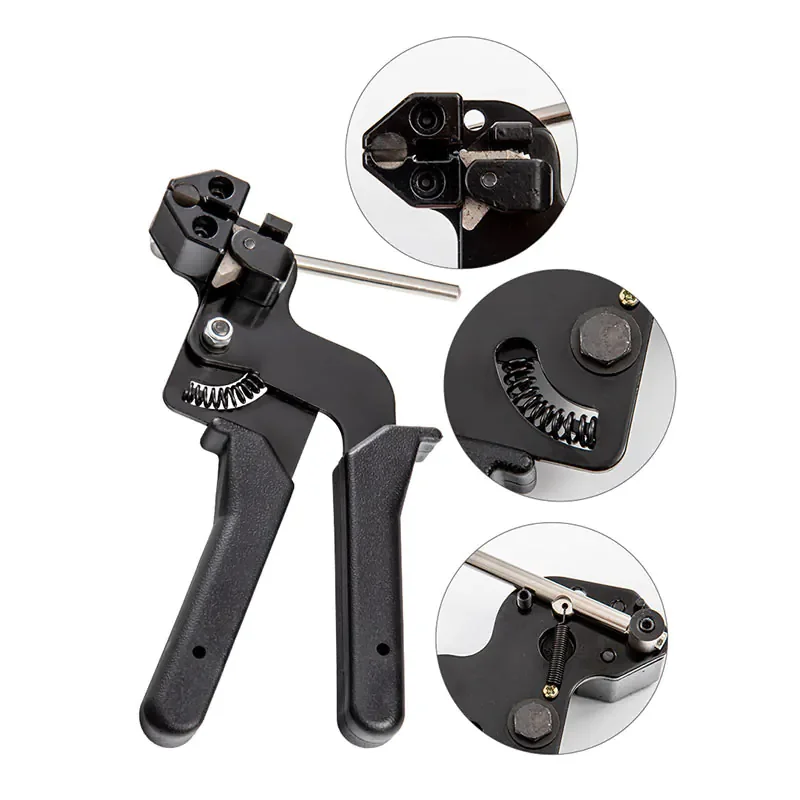
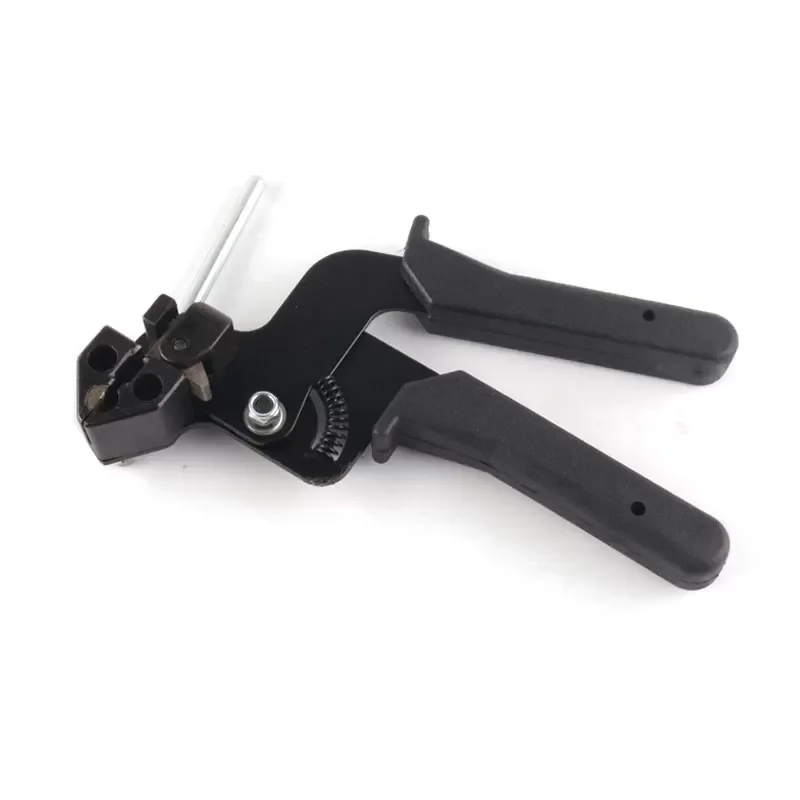
A Hand Tension Tool is a manual packaging tool designed to tighten straps around cartons, pallets, bundles, and other loads. Instead of relying entirely on hand strength, the operator uses the tool’s mechanical structure to generate and maintain the required strap tension.
Hand tension tools are commonly used with packaging straps such as polypropylene (PP), polyester (PET), and steel strapping, depending on the specific tool design.
A suitable tool can make the tensioning process faster and more controlled. It can also reduce the physical effort required from operators, making repetitive strapping tasks easier to manage.
For businesses that perform regular manual strapping, a hand tension tool can therefore provide a practical balance between simple manual operation and more automated packaging equipment.
Hand Tension Tool vs. Manual Strapping: Efficiency Comparison
The biggest difference between the two methods is the level of control and repeatability they provide. While manual strapping can work well for simple and low-volume applications, a hand tension tool is generally more efficient when packaging requirements become more demanding.
Strapping Speed
Manual strapping can be relatively slow because the operator needs to pull, adjust, tighten, and secure the strap manually. When the same process is repeated many times, these additional movements can significantly increase total packaging time.
A hand tension tool simplifies the tightening process. Once the strap is positioned correctly, the operator can use the tool to apply tension more efficiently before completing the fastening process.
For businesses processing a large number of packages each day, even a small reduction in time per package can create meaningful productivity improvements.
Tension Consistency
Consistent strap tension is essential for maintaining load stability. If the strap is too loose, the package may shift during transportation. If excessive force is applied, the strap or packaging material may be damaged.
With manual strapping, tension depends largely on the operator’s physical strength and technique. This makes it difficult to maintain consistent results across different workers.
A hand tension tool provides greater mechanical control over the tightening process. This makes it easier for operators to achieve more consistent tension from package to package, particularly when the tool is correctly matched to the strap and application.
Labor Requirements
Manual strapping can require considerable physical effort, especially when operators need to secure heavy loads or perform repetitive packaging tasks throughout the day.
A hand tension tool reduces the amount of force that must be generated directly by the operator. The tool’s mechanical design assists with tightening, allowing workers to complete repetitive operations with less physical strain.
For companies with high packaging volumes, reducing physical effort can also contribute to more comfortable working conditions and more consistent operator performance.
Packaging Quality
Packaging quality is not determined only by the type of strap used. The way the strap is tensioned and secured also has a major impact on load stability.
Manual strapping can produce different results depending on the operator. One package may be tightly secured while another may have insufficient tension.
A hand tension tool helps standardize the tightening process. When combined with proper strap selection and correct operating procedures, it can improve the consistency and reliability of finished packages.
Operator Skill
Manual strapping is easy to understand, but achieving consistent tension may require experience. New operators may have difficulty determining how much force is appropriate for different package sizes and materials.
A hand tension tool can make the process more systematic. Operators still need proper training, but the tool provides mechanical assistance and greater control during tensioning.
This can be especially useful for businesses with multiple packaging workers or frequent employee turnover.
Cost Efficiency
Manual strapping has a low initial equipment cost because it may require little more than the strap and fastening components. For occasional packaging, purchasing a dedicated tool may not be necessary.
However, the total cost of packaging should also include labor time, productivity, material waste, and packaging consistency.
For low-volume operations, manual strapping may remain the most economical option. For medium- and high-volume packaging, a hand tension tool can potentially reduce labor time and improve productivity enough to justify its cost.
When Is Manual Strapping the Better Choice?
Despite the advantages of hand tension tools, manual strapping still has practical applications.
Manual strapping can be appropriate when packaging volumes are very low and only a few packages need to be secured each day. It may also be useful for temporary packaging tasks, lightweight bundles, or situations where the required strap tension is relatively low.
Businesses with highly variable packaging requirements may also prefer manual methods when purchasing and maintaining dedicated tools is not economically justified.
The key is to consider the complete packaging workflow rather than focusing only on equipment purchase cost.
When Should You Use a Hand Tension Tool?
A hand tension tool becomes more valuable as packaging volume and quality requirements increase.
It is particularly suitable for businesses that regularly secure cartons, pallets, pipes, construction materials, industrial products, or other bundled loads. It can also be beneficial when consistent strap tension is important for transportation safety and product protection.
A hand tension tool is worth considering when operators frequently experience fatigue from manual tightening, when packaging speed needs to increase, or when inconsistent strap tension is causing quality problems.
For repetitive packaging operations, the tool can provide a practical way to improve efficiency without immediately investing in a fully automated strapping machine.
How to Choose the Right Hand Tension Tool
Choosing the correct hand tension tool is important because not every tool is suitable for every packaging application.
Consider Strap Material
First, identify the type of strap being used. PP, PET, and steel straps have different mechanical characteristics and require compatible tools.
Using an incompatible tool can reduce performance and may damage either the strap or the tool.
Check Strap Width and Thickness
The tool should match the strap dimensions specified by the manufacturer. Strap width and thickness directly affect tool compatibility and tensioning performance.
Before purchasing, confirm the applicable strap size range.
Evaluate Required Tension
Different loads require different levels of tension. Lightweight cartons may require relatively low tension, while heavy industrial bundles and palletized products may require considerably more.
Choose a tool with an appropriate tension capacity for your application rather than simply selecting the strongest available model.
Consider Packaging Volume
Packaging volume is another important factor. If only a few packages are strapped occasionally, manual strapping may be sufficient.
For hundreds or thousands of packages, a hand tension tool can provide greater productivity and consistency.
Consider Ergonomics
If operators use the tool for several hours each day, weight, handle design, operating method, and overall ergonomics become important considerations.
A well-designed hand tension tool should be comfortable to operate and should minimize unnecessary physical effort during repetitive work.
Hand Tension Tool vs. Manual Strapping: A Quick Comparison
| Factor | Manual Strapping | Hand Tension Tool |
| Initial equipment cost | Very low | Low to moderate |
| Operating speed | Lower | Higher |
| Tension consistency | Operator-dependent | More consistent |
| Physical effort | Higher | Lower |
| Packaging quality | Variable | More standardized |
| Operator skill | Moderate | Moderate with training |
| High-volume suitability | Limited | Good |
| Portability | Excellent | Excellent |
| Maintenance | Minimal | Low with proper care |
| Best application | Low-volume packaging | Repetitive and higher-volume packaging |
Best Practices for Using a Hand Tension Tool
Using the right tool is only part of achieving efficient strapping. Operators should also follow proper working procedures.
First, select a strap that matches the weight, size, and transportation conditions of the load. The strap should be positioned correctly around the package before tensioning.
Next, ensure the strap is properly aligned. Misalignment can reduce load stability and may cause the strap to slip or become damaged during transportation.
During tensioning, avoid applying excessive force beyond the recommended capacity of the strap or tool. Excessive tension does not necessarily mean better packaging and may damage cartons, products, or the strap itself.
Finally, inspect the completed strap connection before moving the load. A properly tensioned and secured strap should hold the package firmly without causing unnecessary deformation.
Can a Hand Tension Tool Replace Automated Strapping Equipment?
For many businesses, a hand tension tool can serve as an intermediate solution between completely manual strapping and automated packaging machinery.
Automated strapping machines can deliver extremely high productivity and repeatability, but they usually require a larger investment, more floor space, and a more structured packaging workflow.
A hand tension tool, on the other hand, is portable, relatively simple to operate, and suitable for applications where packaging volumes do not justify full automation.
Therefore, the best solution depends on production volume and operational requirements. Businesses with occasional packaging needs may prefer manual methods, medium-volume operations can benefit from hand tension tools, and very high-volume packaging lines may require automated equipment.
Conclusion
When comparing a Hand Tension Tool vs. Manual Strapping, neither method is universally better for every application. Manual strapping remains a simple and economical solution for low-volume or occasional packaging tasks.
However, when packaging operations become repetitive, a hand tension tool generally offers advantages in speed, tension consistency, operator effort, and packaging quality. It provides mechanical assistance while maintaining the flexibility and portability of manual packaging.
For businesses looking to improve packaging efficiency without making a major investment in automated machinery, a hand tension tool can be a practical and cost-effective solution.
The right choice ultimately depends on strap material, load requirements, packaging volume, required tension, labor conditions, and overall packaging goals. By evaluating these factors carefully, businesses can select a strapping method that delivers the right balance between productivity, cost, and packaging reliability.
FAQ
1. What is a Hand Tension Tool?
A Hand Tension Tool is a manual packaging device used to tighten strapping around cartons, pallets, bundles, and other loads. It uses a mechanical mechanism to help operators apply controlled tension with less physical effort than pulling the strap by hand.
2. Is a Hand Tension Tool more efficient than manual strapping?
Yes, for repetitive or higher-volume packaging operations, a Hand Tension Tool is generally more efficient than completely manual strapping. It can improve tightening speed, provide more consistent tension, reduce operator fatigue, and help standardize packaging quality.
3. What is the difference between a Hand Tension Tool and manual strapping?
Manual strapping relies primarily on the operator’s hand strength and technique to tighten the strap. A Hand Tension Tool uses a mechanical mechanism to assist with tensioning, making the process faster and more consistent.
4. What types of straps can be used with a Hand Tension Tool?
The compatible strap depends on the specific tool model. Common options include PP, PET, and steel strapping. Before use, operators should check the tool’s specifications for compatible strap material, width, and thickness.
5. Can a Hand Tension Tool improve strap tension consistency?
Yes. A Hand Tension Tool provides greater mechanical control than pulling a strap manually. This helps operators achieve more consistent tension across multiple packages, provided the tool is correctly selected and properly operated.
6. Is a Hand Tension Tool suitable for heavy-duty packaging?
Many Hand Tension Tools are designed for demanding packaging applications, but suitability depends on the tool’s tension capacity and the type of strap being used. Heavy loads should be matched with a tool specifically designed for the required strap and tension level.