



How to Choose the Right Hand Tension Tool for Your Packaging Needs
Introduction
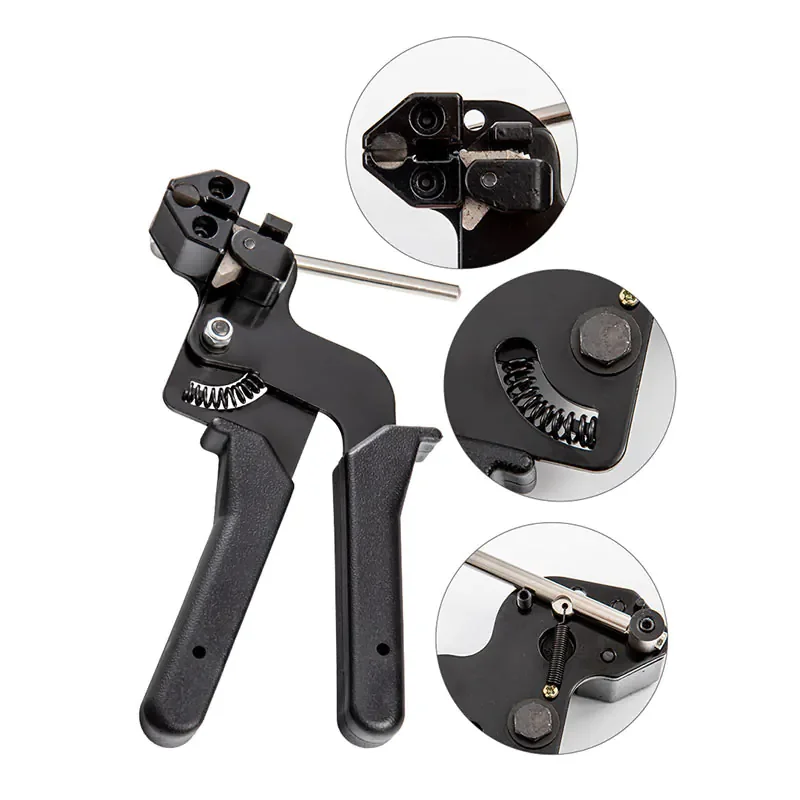
Choosing the right Hand Tension Tool is important for businesses that rely on manual strapping to secure cartons, pallets, bundles, and industrial loads. Although hand tension tools may appear simple, different models can vary significantly in terms of strap compatibility, tension capacity, construction, operating method, and application range.
The wrong tool may result in insufficient tension, damaged packaging, inefficient operation, or premature tool wear. On the other hand, a properly selected hand tension tool can improve packaging consistency, reduce operator effort, and help keep loads stable during storage and transportation.
This guide explains the key factors to consider when choosing a Hand Tension Tool so that businesses can select a solution that matches their packaging materials, load requirements, operating environment, and production volume.
What Is a Hand Tension Tool?
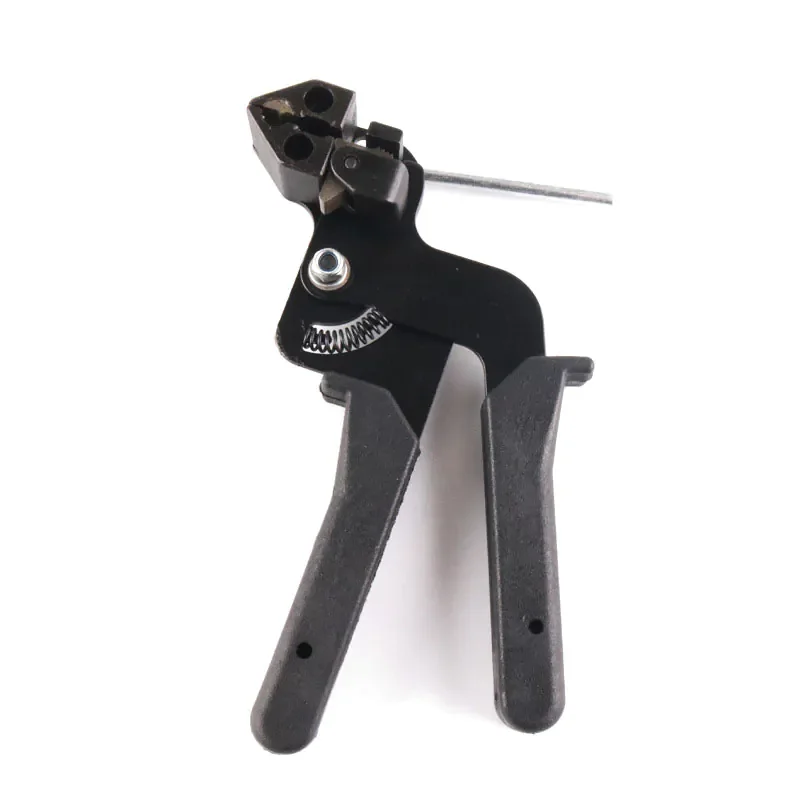
A Hand Tension Tool is a manually operated device used to tighten packaging straps around products or loads. It creates mechanical tension in the strap, allowing the operator to achieve a tighter and more consistent result than pulling the strap manually.
Depending on the design, hand tension tools may be used with steel, PET, or PP strapping. Some tools are dedicated tensioners, while others combine tensioning with sealing and cutting functions.
The correct tool should always be selected based on the complete packaging system rather than the tool alone. Strap material, strap dimensions, load characteristics, required tension, and sealing method all affect tool performance.
Identify the Strap Material
The first step in selecting a Hand Tension Tool is determining which type of strap your packaging operation uses. Steel, PET, and PP straps have different mechanical properties and require different tensioning mechanisms.
Steel strapping is commonly used for heavy-duty applications where high tensile strength and strong load restraint are required. It is often used for metal products, machinery, pipes, construction materials, and other heavy loads. A tool designed for steel strap must be strong enough to handle the required tension without deformation or premature wear.
PET strapping offers a combination of strength, flexibility, and impact resistance and is commonly used for pallets, cartons, building materials, paper products, and other medium- to heavy-duty applications. A PET strap tensioning tool should be compatible with the selected strap width and thickness.
PP strapping is generally used for lighter packaging applications such as cartons, boxes, printed materials, and bundled products. Because PP straps are lighter and more flexible, the required tensioning mechanism is usually different from that used for steel strapping.
Using a tool with an incompatible strap material can lead to poor tensioning performance and may damage either the strap or the tool.
Check Strap Width and Thickness
After identifying the strap material, check the strap width and thickness. These dimensions are critical because a tension tool is usually designed to work within a specific range.
For example, a tool intended for narrow PP strapping may not be suitable for wider PET or steel strap. If the strap is too wide, it may not fit properly into the tool mechanism. If it is too thin, the tool may fail to grip the strap securely or provide consistent tension.
Before purchasing, compare the manufacturer’s recommended strap specifications with the actual straps used in your packaging operation. Selecting a tool based on exact strap dimensions helps ensure reliable performance and reduces unnecessary equipment problems.
Determine the Required Tension Capacity
Different loads require different levels of strap tension. A lightweight carton does not need the same tension as a pallet of construction materials or a bundle of metal products.
When choosing a Hand Tension Tool, consider the weight, shape, rigidity, and stability of the load. Heavy or irregularly shaped products may require greater tension to prevent movement during transportation.
However, higher tension is not always better. Excessive tension can crush cartons, deform products, damage edges, or even break the strap. The ideal tool should provide enough tension to secure the load while remaining appropriate for the packaging material and product characteristics.
For industrial applications, it is especially important to select a tool with a tension range that matches the actual packaging requirements rather than choosing a model based only on its maximum tension capacity.
Consider the Type of Packaging Application
The packaging environment also influences tool selection. A tool used at a fixed warehouse packaging station may have different requirements from one used outdoors or directly at a loading site.
For warehouse and logistics applications, portability, ease of operation, and compatibility with different package sizes are often important. Operators may need to strap cartons and pallets repeatedly, so a lightweight and ergonomic tool can improve productivity.
For industrial and heavy-duty packaging, durability and high tension capacity may be more important. Applications involving steel products, pipes, machinery, or construction materials require tools capable of handling demanding loads and frequent use.
For mobile packaging operations, a compact manual tool can be particularly useful because it does not require electrical or pneumatic connections. Operators can carry the tool directly to the load, making it suitable for warehouses, transportation areas, construction sites, and outdoor packaging environments.
Evaluate Tool Construction and Durability
A Hand Tension Tool should be able to withstand the working conditions in which it will be used. Tool construction is especially important when the equipment is operated frequently or exposed to demanding industrial environments.
Look for robust components, reliable tensioning mechanisms, strong gripping parts, and wear-resistant materials. A durable tool is more likely to maintain consistent performance over an extended service life.
For heavy-duty applications, the overall strength of the frame and mechanical components is particularly important. For high-frequency packaging, attention should also be given to the durability of moving parts because repeated operation can gradually cause wear.
A higher-quality tool may have a higher initial purchase price, but its longer service life and more reliable performance can help reduce replacement and maintenance costs over time.
Pay Attention to Ergonomics and Operator Comfort
When a Hand Tension Tool is used repeatedly throughout the day, operator comfort can directly affect packaging efficiency. A tool that requires excessive force or awkward movements may increase fatigue and slow down the packaging process.
Consider factors such as handle design, tool weight, grip comfort, tensioning mechanism, and ease of strap insertion. A well-designed ergonomic tool should allow operators to apply the required tension without unnecessary physical effort.
This is particularly important for businesses with high manual packaging workloads. Improving the usability of the tool can contribute to more consistent operation and a more comfortable working environment.
Decide Between a Dedicated Tensioner and Combination Tool
Another important consideration is whether you need a dedicated tensioning tool or a combination strapping tool.
A dedicated tension tool focuses primarily on tightening the strap. It may be a good choice when sealing and cutting are handled separately or when the packaging process already has suitable sealing equipment.
A combination tool can integrate tensioning, sealing, and cutting functions into one device. This can simplify the packaging process and reduce the number of separate tools operators need to handle.
The better option depends on your existing packaging workflow. If flexibility and multi-function operation are important, a combination tool may be more convenient. If the operation requires specialized tension control, a dedicated tool may provide a better solution.
Consider Packaging Volume and Frequency of Use
Packaging volume should also influence your choice. Businesses that strap only a few loads per day may prioritize affordability and simplicity, while companies performing hundreds of strapping operations may need a more durable and ergonomic tool.
For low-volume applications, a basic manual Hand Tension Tool can often provide an economical solution without unnecessary features.
For medium-volume applications, durability, operating speed, and operator comfort become more important because the tool will be used more frequently.
For high-volume packaging, businesses should evaluate whether manual tensioning remains the most efficient option. A high-quality hand tension tool can still be useful, but semi-automatic or automatic strapping equipment may eventually provide better productivity when packaging demand becomes very high.
Check Compatibility with the Sealing Method
Tensioning is only one part of the strapping process. The strap must also be securely fastened after the required tension has been achieved.
Depending on the strap and tool system, the fastening method may include metal seals, buckles, friction welding, or other sealing technologies. The tension tool should work effectively with the selected fastening method.
For example, a steel strapping system may require a separate sealing tool or buckle, while certain plastic strapping systems may use friction welding or other joining methods.
Understanding the complete strapping process before purchasing the tension tool helps prevent compatibility problems and ensures a smoother packaging workflow.
Consider Maintenance and Spare Parts
Maintenance requirements should not be overlooked when selecting a Hand Tension Tool. A tool used frequently will eventually experience wear on components such as gripping parts, tensioning mechanisms, cutting blades, or other moving elements.
Before purchasing, check whether replacement parts are available and whether routine maintenance can be performed easily. A manufacturer that provides technical support, spare parts, and clear maintenance instructions can offer additional value over the long term.
Regular cleaning, inspection, lubrication where recommended, and timely replacement of worn parts can help maintain consistent tensioning performance.
Common Mistakes When Choosing a Hand Tension Tool
One common mistake is choosing a tool based only on price. A low-cost tool may seem attractive initially, but if it is not compatible with the strap or cannot withstand the required workload, the total cost may become higher due to frequent replacement or poor packaging performance.
Another mistake is selecting a tool with a higher tension capacity than necessary without considering the strap and product. Excessive tension can damage packaging and may not provide better load security.
Some buyers also overlook strap dimensions. Even if the tool is designed for the correct material, the wrong width or thickness can prevent proper operation.
Finally, businesses sometimes fail to consider operator comfort and frequency of use. A tool that works well for occasional packaging may not be suitable for continuous daily operation.
How to Select the Right Hand Tension Tool: A Practical Checklist
Before purchasing, evaluate the following factors:
Strap material: steel, PET, or PP
Strap width and thickness
Required tension range
Package and load weight
Packaging volume and frequency
Heavy-duty or general-purpose application
Tool weight and ergonomic design
Dedicated or combination tool
Sealing and fastening method
Durability and construction quality
Maintenance requirements
Spare parts and technical support
By checking these factors in advance, buyers can narrow down the available options and choose a tool that fits their actual packaging workflow.
Conclusion
Choosing the right Hand Tension Tool is not simply about finding a tool with the highest tension or the lowest price. The most suitable option should match the strap material, strap dimensions, required tension, load characteristics, packaging volume, and working environment.
For light-duty packaging, a compact and easy-to-use manual tool may be sufficient. For demanding industrial applications, a durable heavy-duty tensioner with a suitable tension range may be a better choice. Businesses with frequent packaging operations should also pay close attention to ergonomics, service life, maintenance, and operator efficiency.
By evaluating these factors before purchasing, companies can select a Hand Tension Tool that provides reliable tension control, consistent packaging quality, and long-term value for their packaging operations.
FAQ
What should I consider when buying a Hand Tension Tool?
The most important factors include strap material, strap width and thickness, required tension, load characteristics, packaging volume, tool durability, ergonomics, and compatibility with the sealing method.
Can one Hand Tension Tool work with different strap materials?
Some tools may support a range of strap specifications, but many are designed for a specific material or strap size. Always check the manufacturer’s compatibility requirements before using different straps.
How much tension does a Hand Tension Tool need to provide?
The required tension depends on the strap material, load weight, package structure, and transportation conditions. The tool should provide enough tension to stabilize the load without damaging the strap or products.
Is a manual Hand Tension Tool suitable for high-volume packaging?
It can be suitable for low- to medium-volume packaging. For very high-volume operations, semi-automatic or automatic strapping equipment may provide greater productivity and consistency.
Should I choose a dedicated tension tool or a combination tool?
A dedicated tension tool is suitable when tensioning is performed separately from sealing and cutting. A combination tool may be more convenient when you want to complete multiple strapping operations with one device.
How can I extend the service life of a Hand Tension Tool?
Keep the tool clean, inspect moving and gripping components regularly, lubricate it when recommended by the manufacturer, store it properly, and replace worn parts promptly.