



Complete Guide to Hand Tension Tools: Types, Applications, and Benefits
Introduction
A Hand Tension Tool is an essential manual strapping tool used to tighten packaging straps around cartons, pallets, bundles, and other loads. By applying controlled tension to the strap, it helps keep products securely positioned during storage, handling, and transportation.
Hand tension tools are widely used in packaging, logistics, warehousing, manufacturing, construction materials, agriculture, and other industries. Compared with simply tightening straps by hand, a dedicated tool provides better tension control, faster operation, and more consistent packaging results.
For businesses that need a practical and cost-effective strapping solution, understanding the different types, applications, and benefits of hand tension tools can help them select the right equipment for their packaging requirements.
What Is a Hand Tension Tool?
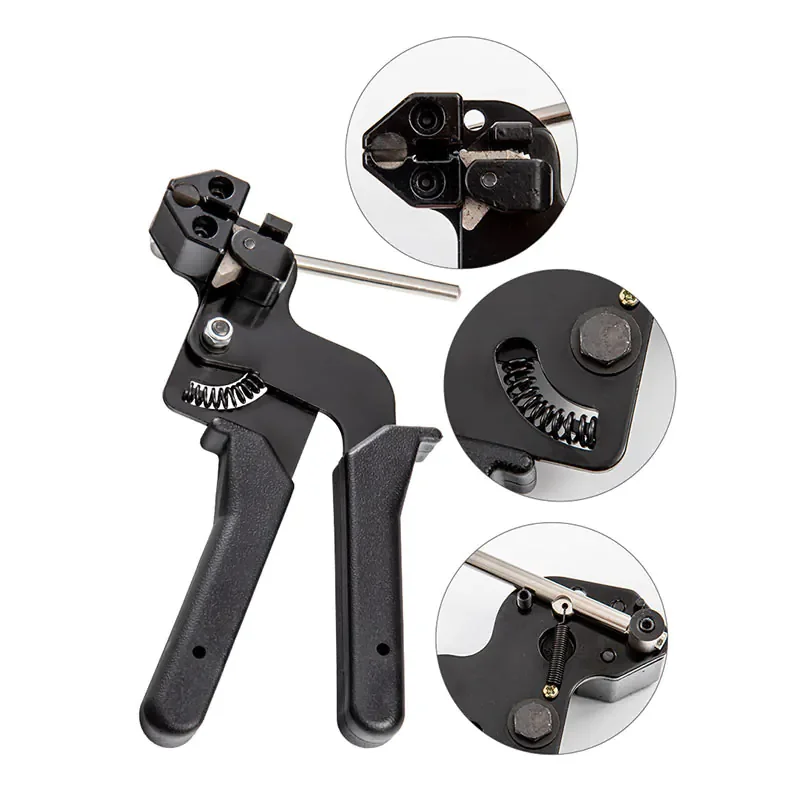
A Hand Tension Tool is a manually operated device designed to tighten strapping around a package or load. The operator feeds the strap through the tool and operates its handle or tensioning mechanism to increase the tension until the desired tightness is achieved.
Depending on the tool design, it can be used with different types of packaging straps, including steel strapping, polypropylene (PP) strapping, and polyester (PET) strapping. Some hand tension tools are designed for specific strap materials and widths, while others are compatible with a wider range of packaging applications.
The primary function of the tool is not simply to tighten the strap, but to create sufficient and consistent tension so that the load remains stable without unnecessarily damaging the packaged products.
Main Types of Hand Tension Tools
Hand tension tools can generally be classified according to the strap material they are designed to handle and the way the tensioning mechanism works.
Steel Strap Tension Tools
Steel strap tension tools are designed for heavy-duty applications where high tensile strength and strong load restraint are required. They are commonly used for steel coils, metal products, construction materials, machinery, pipes, and other heavy loads.
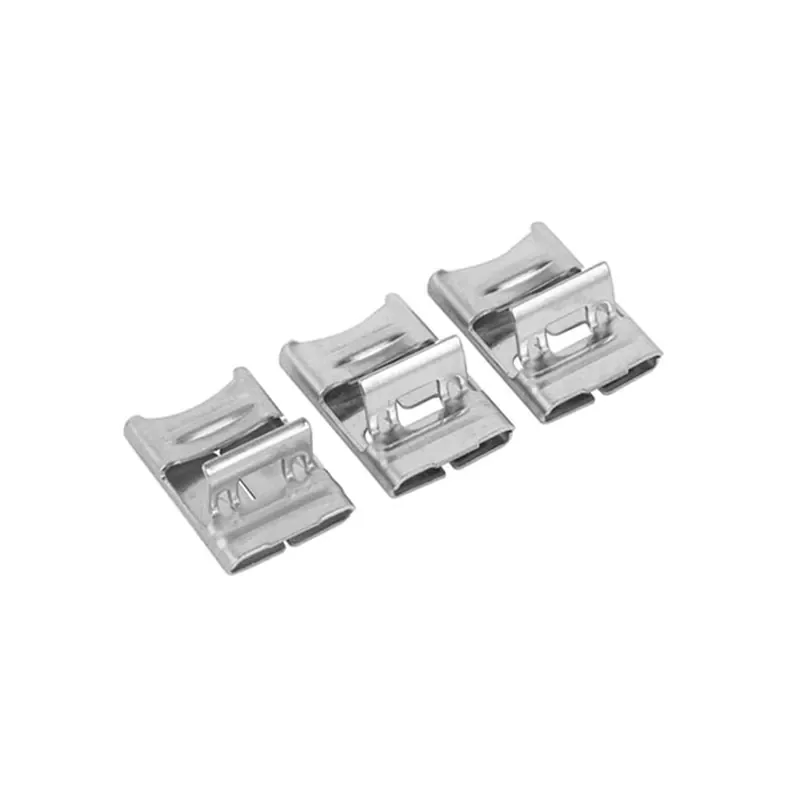
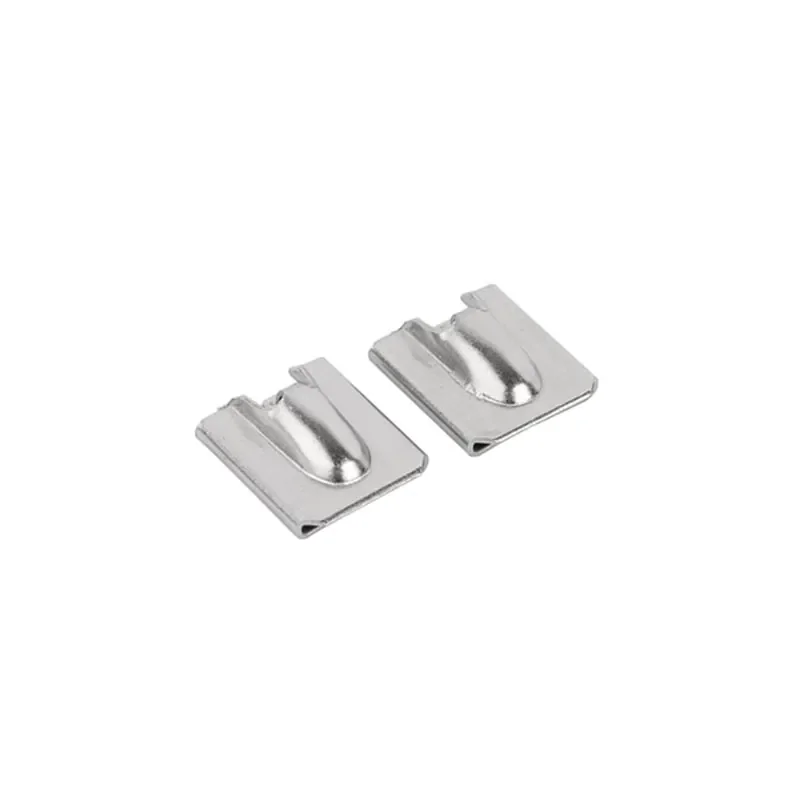
These tools are typically built with durable metal components to withstand demanding industrial environments. When combined with suitable seals or buckles, steel strapping can provide strong and reliable load security.
PET and PP Strap Tension Tools
Tools designed for plastic strapping are commonly used for cartons, pallets, building materials, furniture, paper products, and general warehouse packaging. PET strapping is particularly suitable for applications requiring good tensile strength and flexibility, while PP strapping is often used for lighter packaging applications.
Compared with steel strapping tools, plastic strap tensioning tools are generally lightweight and easier to handle, making them suitable for frequent manual packaging operations.
Combination Strapping Tools
Some manual strapping tools integrate several functions into one device, such as tensioning, sealing, and cutting. A combination tool can reduce the number of separate operations required during packaging and may be useful for businesses that want a compact manual strapping solution.
The correct combination tool should always be selected according to the strap material, width, thickness, and required tension.
How Does a Hand Tension Tool Work?
The basic operation of a Hand Tension Tool is straightforward. First, the strap is positioned around the package or pallet. The strap is then inserted into the tensioning mechanism, and the operator activates the tool to gradually tighten it.
As the tool applies tension, the strap becomes tighter around the load. Once the required tension is reached, the strap can be secured using the appropriate sealing method. Depending on the tool and strap system, this may involve a metal seal, buckle, friction weld, or another fastening method.
Finally, the excess strap is cut away, leaving the load securely strapped and ready for handling or transportation.
Proper operation is important because excessive tension can damage cartons or products, while insufficient tension may allow the load to shift during transportation.
Applications of Hand Tension Tools
Hand tension tools are used across a wide range of packaging and industrial applications because they provide a flexible solution without requiring a powered strapping machine.
In warehousing and logistics, they can be used to secure cartons, palletized goods, and bundled products before shipment. Their relatively compact design makes them convenient for packaging stations where operators need to strap different package sizes.
In manufacturing, hand tension tools are commonly used to bundle metal components, pipes, profiles, machinery parts, wooden products, and other industrial materials. Heavy-duty versions are particularly useful when the packaged products require strong restraint.
In the construction materials industry, strapping can help bundle bricks, tiles, pipes, profiles, panels, and other building materials. The appropriate tension tool helps prevent bundles from becoming loose during storage and transportation.
They are also useful in paper, printing, furniture, agricultural, and general distribution applications, where products need to be grouped or secured efficiently without investing in a fully automated packaging line.
Benefits of Using a Hand Tension Tool
One of the main advantages of a Hand Tension Tool is better tension control. Manual tightening without a dedicated tool can produce inconsistent results, while a suitable tensioning mechanism allows operators to apply more controlled force to the strap.
Another important benefit is improved packaging efficiency. Compared with manually pulling and securing straps, a hand tension tool makes the tensioning process faster and more repeatable. This can be particularly valuable for businesses handling moderate packaging volumes.
Portability is another major advantage. Unlike automated strapping machines, hand tension tools can easily be moved between packaging stations or used directly at the location where goods are stored or loaded.
Hand tension tools also offer a lower initial investment. They do not normally require the same level of equipment, installation, or infrastructure as automated packaging systems. For small and medium-sized businesses, this makes them an attractive option for improving packaging operations while keeping equipment costs under control.
In addition, a well-designed tool can improve operator convenience and packaging consistency. Ergonomic handles, durable components, and a smooth tensioning mechanism can reduce unnecessary effort during repeated packaging tasks.
Hand Tension Tool vs. Manual Strapping Without a Tool
Manually tightening a strap without a dedicated tensioning tool may appear simple, but it can result in uneven tension and inconsistent packaging quality. The operator may also need significantly more effort to achieve the required tightness, especially when working with heavy-duty straps.
A Hand Tension Tool provides a mechanical advantage that makes tensioning easier and more controlled. It also creates a more standardized packaging process, which can help reduce the risk of loose straps and unstable loads.
For businesses handling only occasional light-duty packaging, manual strapping may be sufficient. However, when packaging is performed regularly or load security is important, using a dedicated hand tension tool is generally a more practical solution.
Key Factors When Choosing a Hand Tension Tool
The first factor to consider is strap material. Steel, PET, and PP straps have different characteristics, so the tension tool must be compatible with the selected material.
Strap width and thickness are equally important. A tool designed for one strap specification may not perform correctly with another size. Always check the manufacturer’s recommended strap range before purchasing.
The required tension capacity should also match the application. Light packages normally require less tension, while heavy industrial loads may require a more robust tool capable of applying higher tension.
Tool construction and durability should be considered when the equipment will be used frequently or in demanding environments. Strong materials, wear-resistant components, and reliable mechanical parts can contribute to longer service life.
Finally, ergonomics and ease of operation should not be overlooked. A comfortable handle and efficient tensioning mechanism can make a significant difference when operators use the tool repeatedly throughout the working day.
How to Maintain a Hand Tension Tool
Regular maintenance can help keep a Hand Tension Tool operating smoothly and extend its service life. After use, the tool should be kept clean and free from strap fragments, dust, and other debris that may interfere with the tensioning mechanism.
Moving parts should be inspected regularly for signs of wear, deformation, or damage. If the manufacturer recommends lubrication, the appropriate lubricant should be applied according to the maintenance instructions.
Operators should also check whether the tool continues to provide consistent tension. If the mechanism begins to slip, becomes difficult to operate, or produces uneven tension, it may require adjustment, repair, or replacement of worn components.
Proper storage is also important. Keeping the tool in a clean and dry environment can help reduce corrosion and protect its mechanical components.
Conclusion
A Hand Tension Tool provides a simple and efficient way to improve manual strapping operations. With better tension control, portability, relatively low investment requirements, and broad application flexibility, it remains an important packaging solution for warehouses, logistics companies, manufacturers, and industrial businesses.
The best tool depends on several factors, including strap material, strap dimensions, required tension, packaging conditions, and frequency of use. By selecting a tool that matches the actual application and maintaining it properly, businesses can achieve more secure, consistent, and efficient load packaging.
For companies that need a flexible alternative to fully automated strapping equipment, a high-quality Hand Tension Tool can be a practical solution for improving packaging performance while maintaining control over equipment and operating costs.
FAQ
What is a Hand Tension Tool used for?
A Hand Tension Tool is used to tighten packaging straps around cartons, pallets, bundles, and industrial loads. It helps provide controlled strap tension and improves load stability during storage and transportation.
What types of straps can a Hand Tension Tool use?
Depending on the model, a hand tension tool may be designed for steel, PET, or PP strapping. The tool should always be selected according to the strap material, width, and thickness.
Is a Hand Tension Tool suitable for heavy-duty packaging?
Yes. Heavy-duty hand tension tools are available for applications involving steel strapping and demanding industrial loads. The required tool should be selected according to the load weight and required strap tension.
How do I choose the right Hand Tension Tool?
Consider the strap material, strap size, required tension, packaging application, frequency of use, tool durability, and operator ergonomics. Compatibility between the tool and strap specification is particularly important.
Can a Hand Tension Tool replace an automatic strapping machine?
For low- to medium-volume packaging, a hand tension tool can be a practical alternative to automated equipment. However, high-volume operations may benefit more from semi-automatic or fully automatic strapping machines.