



How to Select the Correct Nylon Cable Tie Size and Tensile Strength
Introduction
Nylon cable ties are widely used in electrical installations, industrial equipment, automotive wiring, construction projects, and everyday organization tasks. Although they appear simple, selecting the correct cable tie requires careful consideration of size, tensile strength, material performance, and application environment. Choosing a cable tie that is too small may lead to breakage, while selecting an oversized tie can increase unnecessary costs and reduce installation efficiency.
For professional applications, the right nylon cable tie should provide reliable fastening performance, long-term durability, and resistance to environmental factors. Understanding how cable tie dimensions and tensile strength affect performance is essential for ensuring safe and efficient cable management.
Understanding Nylon Cable Tie Sizes
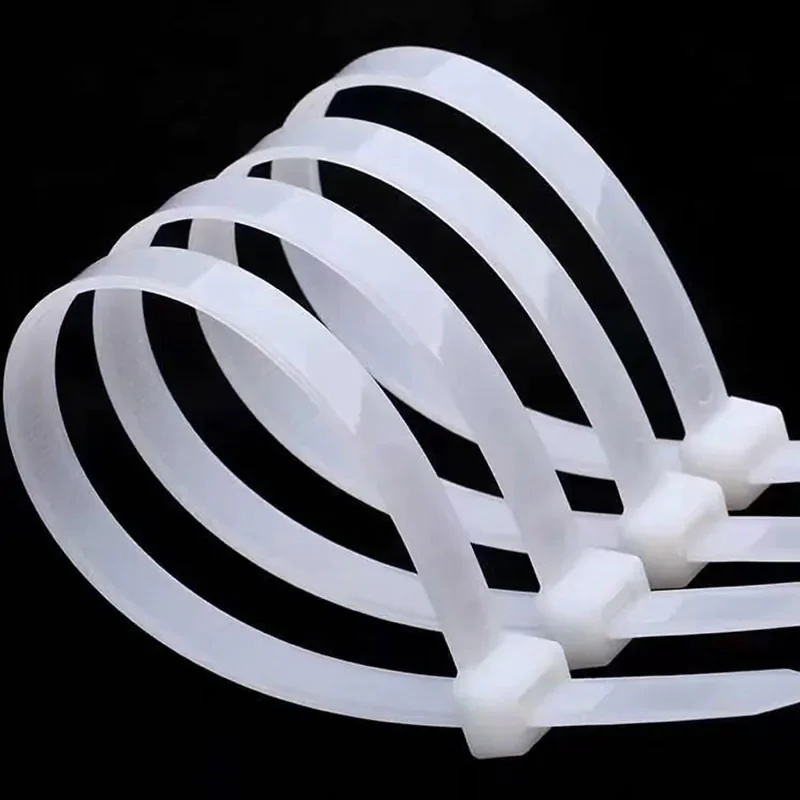
The size of a nylon cable tie is mainly determined by its length, width, and bundle diameter capacity. These three factors directly affect whether the cable tie can securely hold the intended cables or components.
Length: Matching the Bundle Size
Cable tie length determines the maximum bundle diameter that can be secured. Before selecting a cable tie, measure the total diameter of the cable bundle and choose a tie with enough length to wrap around it with additional space for locking.
Common nylon cable tie lengths include:
100mm–150mm cable ties: Suitable for small wire bundles, electronic devices, and office applications.
200mm–300mm cable ties: Commonly used for electrical cabinets, machinery wiring, and general industrial applications.
300mm–500mm cable ties: Ideal for larger cable harnesses, automotive wiring, and construction projects.
500mm and longer cable ties: Used for heavy-duty cable management and large industrial installations.
Selecting the correct length prevents over-tightening and ensures a secure connection.
Width: Affecting Strength and Durability
The width of a nylon cable tie is closely related to its load capacity. Wider cable ties usually have higher tensile strength because they distribute stress over a larger surface area.
For example:
Narrow cable ties are suitable for lightweight cables and temporary fastening.
Medium-width cable ties are commonly used in electrical and industrial applications.
Wide heavy-duty cable ties are designed for demanding environments where higher mechanical strength is required.
A wider tie does not always mean better performance. The correct width should be selected according to the actual load requirements.
Understanding Nylon Cable Tie Tensile Strength
Tensile strength refers to the maximum pulling force a cable tie can withstand before breaking. It is one of the most important factors when selecting cable ties for industrial applications.
Different applications require different tensile strength ratings:
Light-Duty Cable Ties
Light-duty nylon cable ties are typically used for:
Office cable organization
Small electronic devices
Low-voltage wiring
Household applications
They provide sufficient holding force for lightweight bundles but are not designed for heavy loads or outdoor environments.
Standard-Duty Cable Ties
Standard nylon cable ties are widely used in:
Electrical installations
Control panels
Machinery wiring
General manufacturing applications
They offer a balance between flexibility, strength, and cost efficiency.
Heavy-Duty Cable Ties
Heavy-duty nylon cable ties are designed for demanding applications such as:
Industrial equipment
Automotive wiring systems
Construction projects
Large cable bundles
They feature higher tensile strength and improved resistance to mechanical stress.
When selecting tensile strength, it is recommended to choose a cable tie with a load rating higher than the actual weight of the cable bundle to provide an additional safety margin.
Consider the Application Environment
Cable tie selection should not only depend on size and strength. The installation environment also plays an important role in long-term performance.
Indoor Applications
For indoor applications, standard nylon cable ties are usually sufficient. They are commonly used in:
Electrical cabinets
Server rooms
Factory equipment
Office wiring systems
Standard nylon 6/6 materials provide good mechanical strength and reliable performance under normal conditions.
Outdoor Applications
Outdoor environments expose cable ties to sunlight, temperature changes, and moisture. Standard nylon cable ties may degrade over time when exposed to UV radiation.
For outdoor installations, consider:
UV-resistant nylon cable ties
Weather-resistant materials
Higher temperature-resistant options
These solutions provide better durability in harsh environments.
High-Temperature or Chemical Environments
Industrial applications may involve extreme temperatures, chemicals, oils, or corrosive substances. In such cases, specialized nylon cable ties should be selected.
Options may include:
Heat-resistant nylon cable ties
Chemical-resistant cable ties
Flame-retardant nylon cable ties
Choosing the appropriate material ensures stable performance throughout the product lifecycle.
Factors to Consider When Choosing Nylon Cable Ties
Cable Bundle Weight
The total weight of the cables determines the required tensile strength. Heavy cable bundles require stronger cable ties to prevent sagging or failure.
Installation Method
Consider whether the cable tie will be installed manually or with automatic tools. Some industrial applications require cable ties designed for high-speed installation and consistent tightening force.
Safety Requirements
Electrical and industrial projects may require cable ties that meet specific standards, such as flame resistance or certification requirements. Selecting compliant products helps improve installation safety.
Reusability Requirements
Traditional nylon cable ties are designed for single use. However, some applications require maintenance access. In these cases, releasable nylon cable ties may provide greater convenience.
Common Mistakes When Selecting Cable Tie Size and Strength
Choosing a Cable Tie That Is Too Short
A cable tie that barely reaches around the bundle may not lock properly and can easily fail under pressure.
Using Low-Strength Cable Ties for Heavy Loads
Using lightweight cable ties in heavy-duty applications can cause unexpected breakage and safety risks.
Ignoring Environmental Conditions
Selecting standard nylon cable ties for outdoor or high-temperature environments may shorten service life.
Over-Tightening During Installation
Excessive tightening can damage cable insulation and reduce the overall reliability of the wiring system. Proper installation pressure should always be maintained.
Why Choosing the Right Nylon Cable Tie Matters
The correct nylon cable tie improves:
Installation reliability: Ensures cables remain securely organized.
Safety performance: Reduces risks caused by loose or damaged wiring.
Cost efficiency: Avoids frequent replacement caused by improper selection.
Service life: Provides stable performance under operating conditions.
For industrial and commercial projects, working with an experienced nylon cable tie manufacturer can help ensure the right product specifications, material selection, and customization options.
FAQ
1. How do I know what size nylon cable tie I need?
Measure the diameter of the cable bundle and select a cable tie length that exceeds the bundle circumference. Leave enough extra length for proper locking and installation.
2. Is a higher tensile strength cable tie always better?
Not necessarily. Higher tensile strength is beneficial for heavy-duty applications, but selecting an oversized cable tie may increase cost and reduce flexibility. The best choice depends on the actual load requirements.
3. What tensile strength is suitable for electrical wiring?
For general electrical wiring, standard-duty nylon cable ties are usually sufficient. Heavy cable bundles or industrial equipment may require higher tensile strength options.
4. Can nylon cable ties be used outdoors?
Yes, but standard nylon cable ties may degrade under prolonged sunlight exposure. UV-resistant nylon cable ties are recommended for outdoor applications.
5. What is the most common material for nylon cable ties?
Most nylon cable ties are made from Nylon 6/6 because it provides excellent strength, flexibility, and resistance to wear.
Conclusion
Selecting the correct nylon cable tie size and tensile strength is essential for achieving secure, durable, and efficient cable management. The right choice depends on cable bundle size, weight, installation environment, and performance requirements. By evaluating these factors carefully, businesses can improve installation reliability, reduce maintenance costs, and ensure long-term fastening performance across various applications.