



The Benefits of Using Stainless Steel Bands in Harsh Environments
Introduction
In many industrial applications, fastening systems are exposed to challenging conditions such as extreme temperatures, moisture, chemicals, salt spray, and heavy mechanical stress. Choosing a reliable fastening solution is essential to maintaining safety, reducing maintenance costs, and ensuring long-term system performance.
Stainless steel bands have become a preferred choice for harsh environments because of their excellent corrosion resistance, high mechanical strength, and outstanding durability. Compared with traditional fastening materials such as plastic straps or standard metal bands, stainless steel bands can maintain stable performance even under demanding operating conditions.
What Makes Stainless Steel Bands Suitable for Harsh Environments?
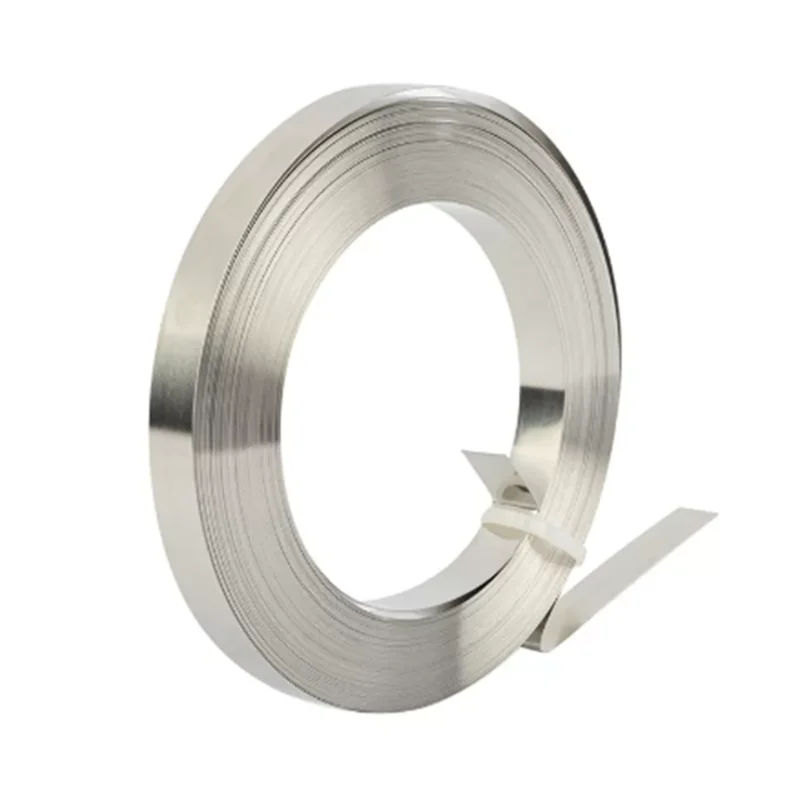
Stainless steel bands are manufactured from high-quality stainless steel materials, commonly including 304 and 316 stainless steel. These materials contain chromium, which forms a protective passive layer on the surface and helps prevent rust and corrosion.
In harsh environments, fastening components are often exposed to moisture, chemicals, temperature fluctuations, and mechanical stress. Stainless steel bands are designed to withstand these challenges while maintaining their strength and structural integrity.
Their combination of corrosion resistance, durability, and adaptability makes them suitable for demanding industries such as marine, energy, telecommunications, construction, and manufacturing.
Excellent Corrosion Resistance
One of the most important advantages of stainless steel bands is their outstanding resistance to corrosion.
In outdoor and industrial environments, fastening materials may be exposed to rain, humidity, salt water, and chemical substances. Over time, ordinary steel or plastic materials may deteriorate, leading to reduced strength and potential fastening failure.
Stainless steel bands resist rust and corrosion, helping maintain secure connections even in wet and corrosive conditions. For applications near seawater or chemical exposure, 316 stainless steel bands provide enhanced corrosion resistance and longer service life.
Superior Strength and Reliable Fastening Performance
Harsh environments often involve vibration, impact, and heavy loads. A fastening system must provide sufficient strength to keep components securely fixed over time.
Stainless steel bands offer high tensile strength and excellent mechanical stability. They can withstand strong pulling forces, vibration, and external pressure without easily breaking or deforming.
This makes them suitable for securing:
Industrial pipes and hoses
Electrical cables
Communication equipment
Outdoor structures
Heavy machinery components
Their strong holding capability helps improve safety and reduce the risk of equipment movement or damage.
Excellent Resistance to Extreme Temperatures
Many industrial environments experience significant temperature variations. Materials that perform well under normal conditions may become brittle, soft, or lose strength when exposed to extreme heat or cold.
Stainless steel bands maintain their mechanical properties across a wide temperature range. Unlike many plastic fastening solutions, they are less affected by high temperatures, making them suitable for applications such as:
Industrial processing equipment
Power facilities
Engine compartments
Outdoor infrastructure
Their temperature resistance ensures reliable fastening performance even in challenging conditions.
Superior Performance in Marine and Coastal Environments
Marine environments are among the most demanding conditions for fastening systems. Continuous exposure to seawater and salt spray can quickly damage materials that lack corrosion resistance.
Stainless steel bands, especially those made from 316 stainless steel, are widely used in marine and offshore applications because they can withstand saltwater exposure and reduce corrosion-related failures.
Common marine applications include:
Offshore equipment mounting
Shipboard cable management
Coastal infrastructure
Marine electrical installations
Their durability makes them a trusted solution for long-term marine projects.
Resistance to Chemicals and Industrial Exposure
Industrial facilities often contain chemicals, oils, and other substances that can damage traditional fastening materials.
Stainless steel bands provide excellent resistance against many corrosive substances, making them suitable for chemical plants, wastewater facilities, and manufacturing environments.
For applications involving aggressive chemicals, selecting the appropriate stainless steel grade is essential to ensure maximum protection and service life.
Long Service Life and Reduced Maintenance Costs
Although stainless steel bands may have a higher initial cost compared with some alternatives, their long-term value is often greater due to their durability and low maintenance requirements.
Their resistance to corrosion, temperature changes, and mechanical stress reduces the need for frequent replacement. This helps businesses minimize downtime, maintenance expenses, and operational disruptions.
For critical industrial systems, investing in durable stainless steel bands can provide significant cost savings throughout the product lifecycle.
Common Applications of Stainless Steel Bands in Harsh Environments
Marine and Offshore Applications
Stainless steel bands are widely used for securing cables, pipes, and equipment in marine environments where corrosion resistance is essential.
Telecommunications and Utility Infrastructure
Outdoor communication systems often require fastening solutions that can withstand weather exposure. Stainless steel bands are commonly used for securing cables, antennas, and utility equipment.
Energy and Power Industries
Power plants and renewable energy facilities rely on stainless steel bands for equipment mounting, cable management, and structural fastening due to their reliability in demanding environments.
Chemical and Manufacturing Facilities
Industrial plants require fastening systems that can withstand chemical exposure, vibration, and temperature changes. Stainless steel bands provide stable performance in these conditions.
Construction and Infrastructure Projects
For bridges, buildings, and outdoor structures, stainless steel bands offer durable fastening performance and resistance to environmental damage.
How to Choose the Right Stainless Steel Bands for Harsh Environments?
When selecting stainless steel bands for demanding applications, several factors should be considered.
First, choose the correct stainless steel grade based on environmental conditions. 304 stainless steel is suitable for general applications, while 316 stainless steel is recommended for marine and highly corrosive environments.
Second, consider the required band width and thickness. Heavy-duty applications require stronger bands with higher load capacity.
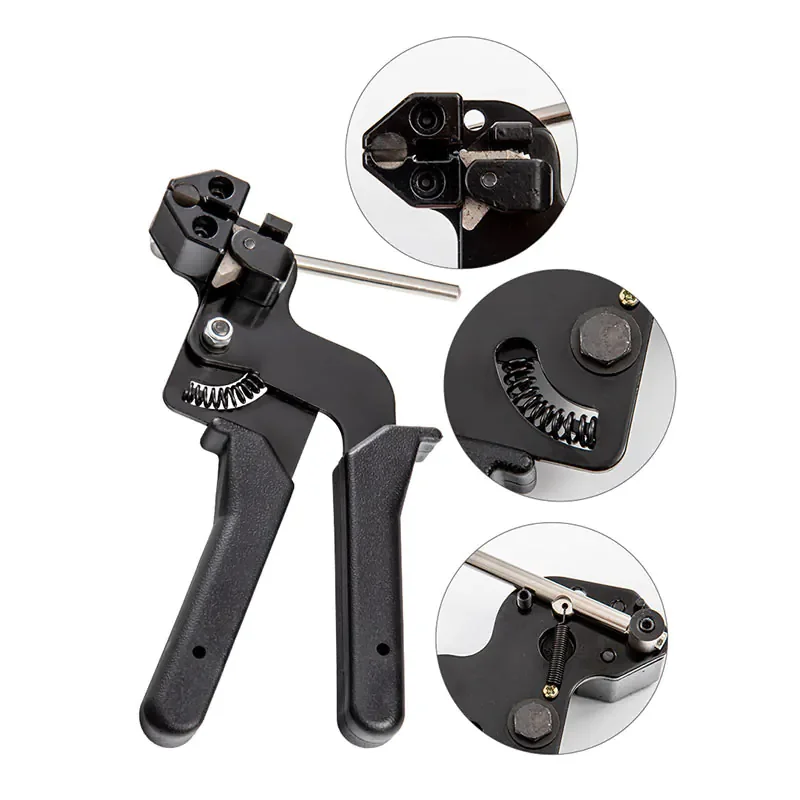
Finally, select compatible buckles, clamps, and installation tools to ensure the complete fastening system achieves optimal performance.
Why Choose Stainless Steel Bands Over Other Materials?
Compared with plastic bands, stainless steel bands provide higher strength, better temperature resistance, and longer service life.
Compared with carbon steel bands, stainless steel bands offer superior corrosion resistance and require less maintenance.
For harsh environments where reliability is a priority, stainless steel bands provide a more durable and dependable fastening solution.
Conclusion
Using the right fastening solution is essential for maintaining safety and reliability in harsh industrial environments. Stainless steel bands offer outstanding benefits, including corrosion resistance, high strength, temperature resistance, chemical durability, and long service life.
Whether used in marine, energy, telecommunications, construction, or manufacturing applications, stainless steel bands provide reliable performance where traditional fastening materials may fail.
By selecting the appropriate stainless steel grade, size, and accessories, businesses can create secure fastening systems that deliver long-term value and dependable operation.
FAQ
1. Why are stainless steel bands suitable for harsh environments?
Stainless steel bands are suitable for harsh environments because they provide excellent corrosion resistance, high strength, temperature resistance, and durability against moisture, chemicals, and mechanical stress.
2. Which stainless steel grade is best for harsh environments?
316 stainless steel bands are generally recommended for harsh environments such as marine, offshore, and chemical applications because they offer better corrosion resistance than 304 stainless steel.
3. Can stainless steel bands withstand salt water exposure?
Yes. Stainless steel bands, especially 316 stainless steel bands, are designed to resist salt water corrosion and are widely used in marine and coastal applications.
4. Are stainless steel bands better than plastic cable ties in outdoor applications?
Yes. Stainless steel bands provide higher strength, better UV resistance, and improved durability compared with plastic cable ties, making them more suitable for long-term outdoor use.
5. Do stainless steel bands require regular maintenance?
Stainless steel bands require minimal maintenance due to their corrosion resistance and durability. However, regular inspections are recommended for critical industrial installations.
6. Can stainless steel bands be used in high-temperature environments?
Yes. Stainless steel bands maintain their mechanical performance in high-temperature conditions and are suitable for many industrial applications involving heat exposure.
7. Are stainless steel bands suitable for chemical plants?
Yes. Stainless steel bands can withstand many chemical environments. The appropriate stainless steel grade should be selected based on the specific chemicals and operating conditions.
8. How long can stainless steel bands last?
The service life depends on the material grade, installation environment, and application conditions. High-quality stainless steel bands can provide reliable performance for many years in demanding environments.