



Stainless Steel Bands vs Other Banding Materials: Which One Is Better?
Introduction
Choosing the right banding material is critical for ensuring secure fastening, long-term reliability, and cost efficiency in industrial applications. Banding solutions are widely used for cable management, pipe fixing, equipment mounting, transportation, construction, and infrastructure projects. However, different materials offer different levels of strength, durability, and environmental resistance.
Among various options, stainless steel bands have become a popular choice for demanding applications due to their excellent mechanical strength, corrosion resistance, and long service life. Compared with plastic, carbon steel, and other banding materials, stainless steel bands often provide better performance in harsh environments.
What Are Stainless Steel Bands?
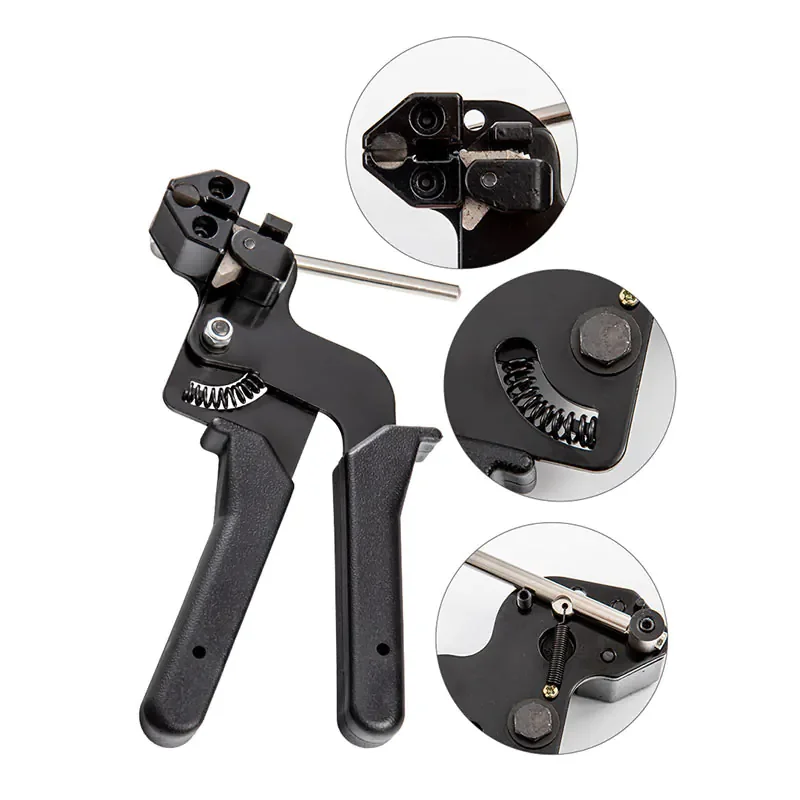
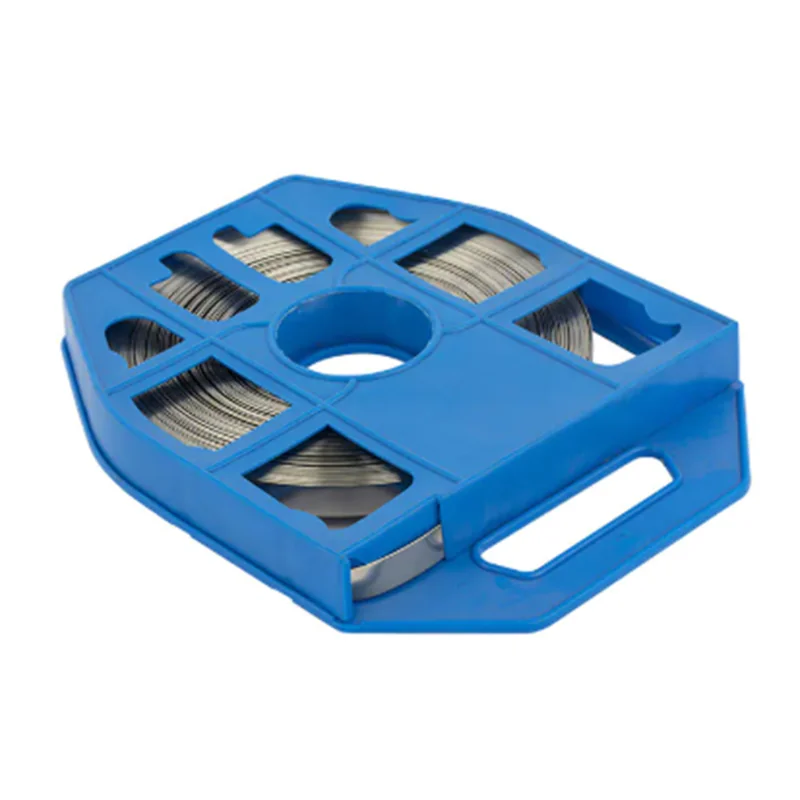
Stainless steel bands are durable metal straps manufactured from stainless steel and designed for securing, bundling, and fastening different components. They are commonly used with buckles, clamps, and installation tools to create strong and reliable fastening systems.
The most common stainless steel grades used for banding applications are 304 stainless steel and 316 stainless steel. 304 stainless steel provides excellent corrosion resistance for general applications, while 316 stainless steel offers improved resistance against salt water, chemicals, and harsh industrial environments.
Due to their strength and durability, stainless steel bands are widely used in industries such as telecommunications, electrical power, construction, marine, transportation, and manufacturing.
Common Banding Materials on the Market
Different projects require different fastening solutions. Common banding materials include stainless steel, plastic, carbon steel, and coated metal bands.
Stainless Steel Bands
Stainless steel bands are designed for high-performance applications where strength, durability, and corrosion resistance are required. They can withstand extreme temperatures, moisture, chemicals, and outdoor exposure.
They are especially suitable for applications where failure could result in safety risks or expensive maintenance, such as industrial equipment, pipelines, marine structures, and utility systems.
Plastic Banding Materials
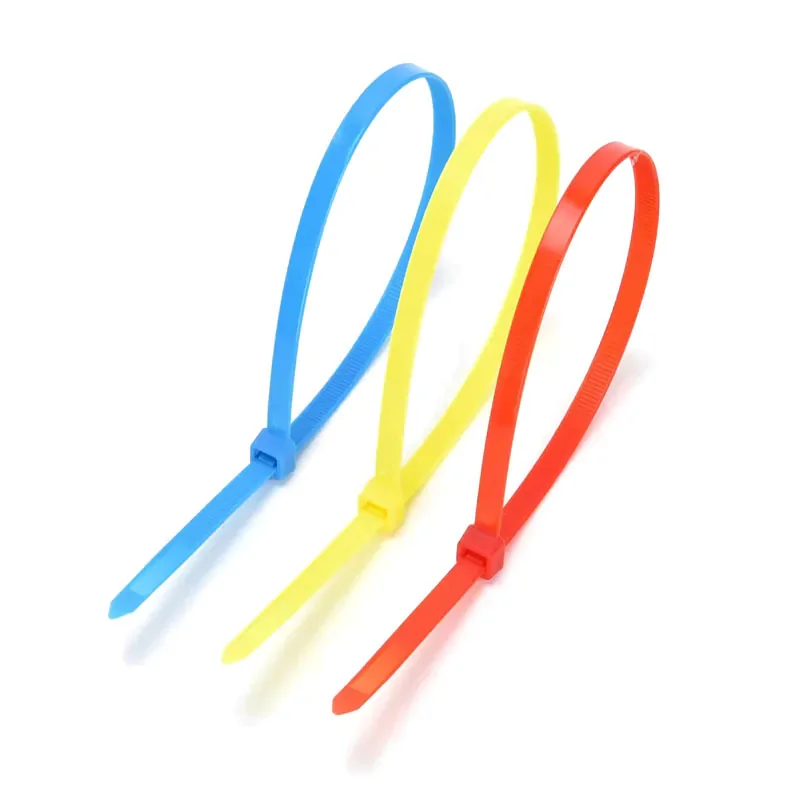
Plastic banding materials, such as nylon cable ties and plastic straps, are lightweight and economical. They are commonly used for simple cable organization, indoor wiring, and low-load applications.
However, plastic materials may become brittle under UV exposure, high temperatures, or chemical environments. Their lower tensile strength also limits their use in heavy-duty industrial applications.
Carbon Steel Bands
Carbon steel bands provide good strength and are often used for heavy-duty packaging, transportation, and industrial securing applications.
Although carbon steel offers strong mechanical performance, it is more vulnerable to rust and corrosion compared with stainless steel. Additional coatings are usually required to improve corrosion resistance.
Galvanized or Coated Metal Bands
Galvanized and coated metal bands provide improved corrosion protection compared with untreated carbon steel. They are often used in outdoor applications where moderate protection is required.
However, coating damage caused by installation, friction, or environmental exposure may reduce their corrosion resistance over time.
Stainless Steel Bands vs Plastic Banding Materials
Strength and Load Capacity
One of the biggest advantages of stainless steel bands is their superior strength. Stainless steel can withstand higher tensile loads compared with plastic materials, making it suitable for securing heavy components and industrial equipment.
Plastic banding solutions are generally designed for lightweight applications and may fail when exposed to excessive pressure or mechanical stress.
Environmental Resistance
Stainless steel bands perform well in harsh environments, including high temperatures, moisture, UV exposure, and chemical exposure. They maintain their mechanical properties even under challenging conditions.
Plastic materials may degrade over time when exposed to sunlight, extreme temperatures, or chemicals, which limits their use in outdoor and industrial applications.
Service Life
Due to their corrosion resistance and mechanical durability, stainless steel bands typically have a much longer service life than plastic alternatives.
Although plastic banding products have a lower initial cost, frequent replacement may increase long-term maintenance expenses.
Stainless Steel Bands vs Carbon Steel Bands
Corrosion Resistance
The biggest difference between stainless steel and carbon steel bands is corrosion resistance.
Stainless steel naturally forms a protective oxide layer that helps prevent rust. This makes stainless steel bands suitable for humid, marine, and chemical environments.
Carbon steel bands, on the other hand, are more likely to corrode when exposed to moisture or corrosive substances unless additional coatings are applied.
Maintenance Requirements
Stainless steel bands require less maintenance because of their excellent resistance to environmental damage. They can maintain performance for years without significant protection.
Carbon steel bands may require regular inspection and protective treatment to prevent corrosion-related failures.
Application Range
Carbon steel bands are suitable for applications where high strength is needed but environmental exposure is limited. Stainless steel bands offer greater versatility and can be used in both standard and extreme environments.
Stainless Steel Bands vs Coated Metal Bands
Coated metal bands provide a balance between cost and performance. The protective coating improves resistance against corrosion and extends service life.
However, coatings can be damaged during installation or operation. Once the coating layer is broken, the exposed metal may begin to corrode.
Stainless steel bands provide built-in corrosion resistance throughout the material, making them a more reliable choice for long-term applications.
Advantages of Choosing Stainless Steel Bands
Excellent Corrosion Resistance
Stainless steel bands are ideal for environments exposed to moisture, chemicals, and salt spray. This makes them widely used in marine, offshore, and outdoor installations.
High Mechanical Strength
Stainless steel provides strong holding force and excellent resistance to vibration, impact, and mechanical stress.
Wide Temperature Range
Unlike many plastic materials, stainless steel bands can perform effectively in both high and low-temperature environments.
Long-Term Cost Efficiency
Although stainless steel bands may have a higher initial cost, their durability and low maintenance requirements often make them more economical over the entire service life.
How to Choose the Right Banding Material?
When selecting between stainless steel bands and other banding materials, consider the following factors:
Application Environment:
For outdoor, marine, chemical, or harsh industrial environments, stainless steel bands are usually the better choice.
Load Requirements:
Heavy-duty applications require materials with higher tensile strength. Stainless steel provides better support for demanding fastening tasks.
Service Life Expectations:
Projects requiring long-term reliability should prioritize durable materials that reduce replacement frequency.
Budget Considerations:
For temporary or low-stress applications, plastic or coated materials may be acceptable. For critical systems, stainless steel provides better long-term value.
Common Applications of Stainless Steel Bands
Stainless steel bands are widely used in many industries, including:
Cable and wire management systems
Telecommunications infrastructure
Electrical equipment installation
Pipe and hose securing
Marine and offshore equipment
Pole mounting systems
Industrial machinery installation
Construction and infrastructure projects
Their combination of strength, durability, and corrosion resistance makes them a reliable solution for demanding fastening applications.
Conclusion
When comparing stainless steel bands vs other banding materials, stainless steel stands out for its superior strength, corrosion resistance, temperature performance, and long service life.
While plastic and carbon steel banding materials may be suitable for certain applications, stainless steel bands provide greater reliability in environments where durability and safety are important.
For industrial projects requiring secure and long-lasting fastening, choosing high-quality stainless steel bands can help reduce maintenance costs, improve system stability, and ensure reliable performance over time.
FAQ
1. Are stainless steel bands better than plastic bands?
Yes, stainless steel bands generally provide higher strength, better temperature resistance, and longer service life compared with plastic bands. They are especially suitable for heavy-duty and outdoor applications.
2. What makes stainless steel bands corrosion resistant?
Stainless steel contains chromium, which forms a protective passive layer on the surface. This layer helps prevent rust and improves resistance against corrosion.
3. Are stainless steel bands more expensive than other banding materials?
The initial cost of stainless steel bands is usually higher than plastic or carbon steel alternatives. However, their longer service life and lower maintenance requirements often make them more cost-effective in the long term.
4. Which stainless steel grade is best for banding applications?
304 stainless steel is suitable for general industrial applications, while 316 stainless steel is recommended for marine, offshore, chemical, and highly corrosive environments.
5. Can stainless steel bands be used in extreme temperatures?
Yes. Stainless steel bands can maintain reliable performance in both high and low-temperature environments, making them suitable for demanding industrial applications.
6. What industries commonly use stainless steel bands?
Stainless steel bands are widely used in telecommunications, electrical power, construction, marine, transportation, energy, and manufacturing industries.
7. Can stainless steel bands replace plastic cable ties?
For heavy-duty, outdoor, or industrial applications, stainless steel bands can replace plastic cable ties because they provide stronger fastening performance and better environmental resistance.
8. How do I select the right banding material for my project?
Consider factors such as environmental conditions, required strength, service life, corrosion exposure, and budget. For harsh environments and long-term applications, stainless steel bands are often the most reliable choice.