



How to Choose the Right Stainless Steel Bands for Industrial Applications
Introduction
In industrial applications, selecting the right fastening solution is essential for ensuring equipment stability, safety, and long-term performance. Stainless steel bands are widely used in industries such as telecommunications, construction, marine, energy, and manufacturing because of their excellent strength, corrosion resistance, and durability.
However, different projects have different requirements. Factors such as installation environment, load capacity, stainless steel grade, and band dimensions all affect the performance of stainless steel bands. Choosing the wrong type may lead to corrosion, insufficient holding force, or premature replacement.
What Are Stainless Steel Bands?
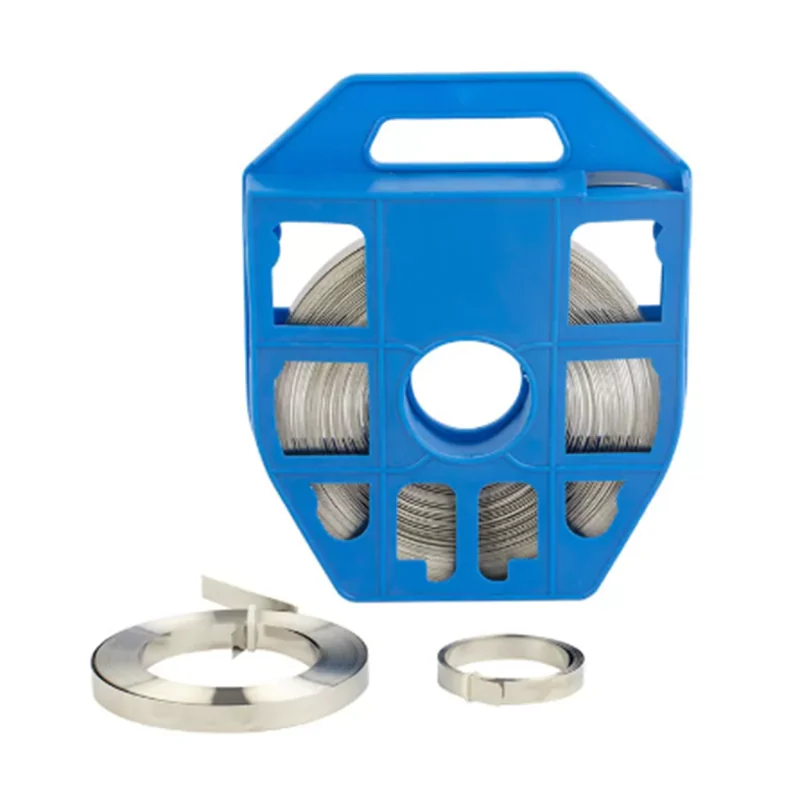
Stainless steel bands are durable metal straps designed for securing, bundling, and mounting various components. They are commonly used with stainless steel buckles and installation tools to create strong and stable fastening systems.
Made from high-quality stainless steel materials such as 304 and 316 stainless steel, these bands offer excellent resistance to rust, corrosion, temperature changes, and mechanical stress. Compared with plastic fastening solutions, stainless steel bands provide higher strength and better performance in harsh environments.
Depending on application requirements, stainless steel bands are available in different widths, thicknesses, lengths, and surface treatments, including standard stainless steel bands and epoxy coated stainless steel bands.
Factors to Consider When Choosing Stainless Steel Bands
Consider the Installation Environment
The working environment is one of the most important factors when selecting stainless steel bands. Applications exposed to moisture, chemicals, salt spray, or extreme temperatures require stronger corrosion resistance and more durable materials.
For general indoor or low-corrosion environments, 304 stainless steel bands are usually a suitable choice. For marine, offshore, chemical, and coastal applications, 316 stainless steel bands are recommended because they provide better protection against corrosion.
Understanding environmental conditions helps ensure that stainless steel bands maintain reliable performance throughout their service life.
Choose the Right Stainless Steel Grade
The stainless steel grade directly affects durability and corrosion resistance.
304 stainless steel bands are widely used for general industrial applications because they provide good strength and corrosion resistance at a reasonable cost. They are suitable for cable management, equipment mounting, and standard outdoor installations.
316 stainless steel bands offer enhanced corrosion resistance due to their molybdenum content. They are better suited for harsh environments such as marine facilities, chemical plants, and areas exposed to salt water or aggressive chemicals.
Selecting the correct material grade can reduce maintenance requirements and improve the overall reliability of the fastening system.
Select the Appropriate Band Size
The width and thickness of stainless steel bands determine their load capacity and holding strength. Larger and heavier components generally require wider and thicker bands to ensure secure fastening.
When choosing band dimensions, consider the weight of the object being secured, the required tension level, and the expected mechanical stress. Using a band that is too small may reduce stability, while selecting an oversized band may increase unnecessary costs.
A professional supplier can help recommend the appropriate size based on specific application requirements.
Evaluate Tensile Strength and Load Requirements
Tensile strength is another key factor when choosing stainless steel bands. Industrial applications often involve vibration, movement, or heavy loads, making strong holding performance essential.
For applications such as pipe fixing, pole mounting, and industrial equipment installation, stainless steel bands with higher tensile strength provide better stability and reduce the risk of loosening over time.
Before selecting a product, evaluate the expected load, installation conditions, and required service life to ensure the band can meet performance requirements.
Select Suitable Surface Treatment
Different surface treatments can improve the durability of stainless steel bands. Standard stainless steel bands are suitable for many applications, while epoxy coated stainless steel bands provide additional protection against scratches, corrosion, and environmental damage.
Epoxy coated bands are especially useful in outdoor, marine, and industrial environments where additional protection is needed. The coating layer helps extend service life and maintain appearance under challenging conditions.
Ensure Compatibility with Accessories
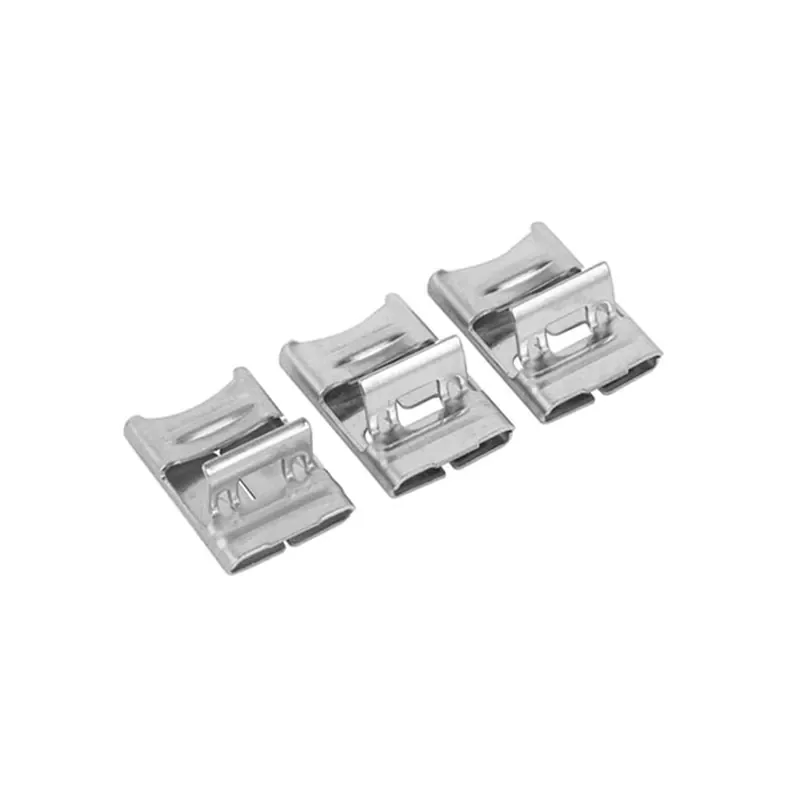
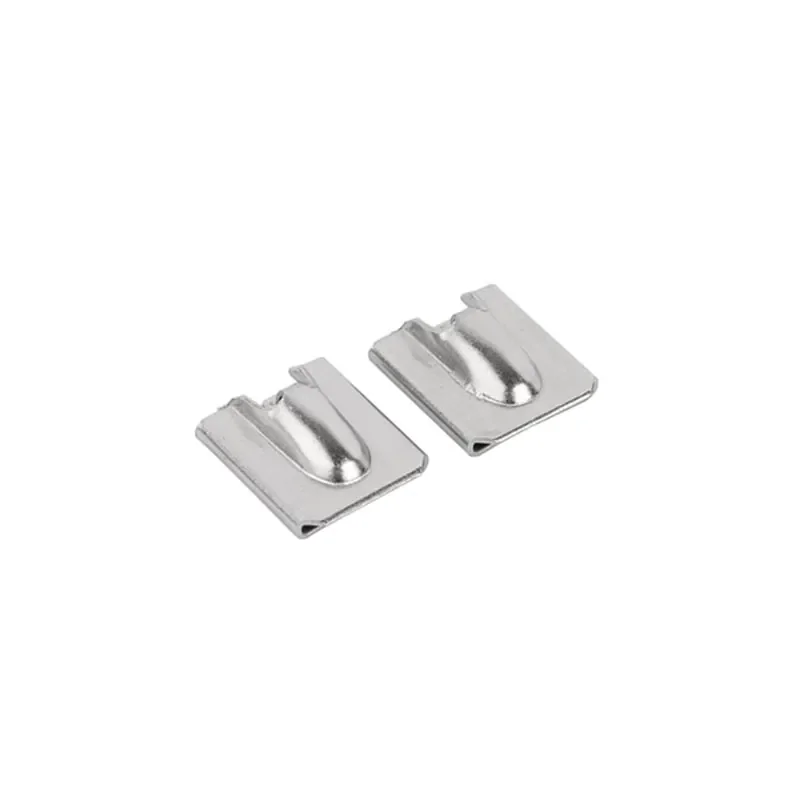
A stainless steel band is usually part of a complete fastening system that includes buckles, seals, and installation tools. Using compatible accessories ensures proper locking strength and reliable installation.
High-quality buckles and professional installation tools help achieve the correct tension and prevent issues caused by improper fastening. A complete stainless steel banding system provides better performance than individual components selected separately.
Common Applications of Stainless Steel Bands
Stainless steel bands are widely used across various industries due to their flexibility and durability. In telecommunications and electrical projects, they are commonly used for securing cables, wires, and outdoor equipment.
In construction and infrastructure projects, stainless steel bands are used for pipe support, sign mounting, and equipment installation. Their corrosion resistance makes them suitable for outdoor structures exposed to changing weather conditions.
Marine and offshore industries often choose 316 stainless steel bands because they can withstand salt water and harsh environments. Industrial facilities also rely on stainless steel banding systems for securing machinery components and maintaining stable connections.
Common Mistakes When Choosing Stainless Steel Bands
One common mistake is selecting a stainless steel grade based only on price. While 304 stainless steel is suitable for many applications, harsh environments may require 316 stainless steel for better corrosion protection.
Another mistake is ignoring load requirements. A band that does not provide enough tensile strength may fail under vibration or heavy loads. It is also important to consider the quality of accessories and installation methods, as these directly affect the final fastening performance.
Choosing stainless steel bands based on actual application conditions rather than cost alone helps achieve better long-term value.
Why Choose a Professional Stainless Steel Bands Manufacturer?
Working with an experienced stainless steel bands manufacturer ensures consistent product quality and reliable performance. Professional suppliers can provide different materials, sizes, and customized solutions according to specific industrial requirements.
A reliable manufacturer should offer strict quality control, high-quality stainless steel materials, accurate production processes, and technical support. This helps customers select the right stainless steel bands and avoid installation problems caused by unsuitable products.
Conclusion
Choosing the right stainless steel bands for industrial applications requires careful consideration of material grade, environment, size, strength, and accessories. The correct selection can improve fastening reliability, reduce maintenance costs, and extend service life.
Whether used for cable management, pipe fixing, marine equipment, or industrial installations, high-quality stainless steel bands provide a durable and dependable fastening solution. By understanding project requirements and working with a trusted supplier, businesses can achieve better performance and long-term reliability.
FAQ
1. What are stainless steel bands mainly used for?
Stainless steel bands are mainly used for fastening, securing, and mounting applications, including cable management, pipe fixing, pole mounting, equipment installation, and industrial infrastructure projects.
2. Which is better, 304 or 316 stainless steel bands?
304 stainless steel bands are suitable for general applications with moderate corrosion exposure, while 316 stainless steel bands provide better corrosion resistance and are recommended for marine, offshore, and chemical environments.
3. Can stainless steel bands be used outdoors?
Yes. Stainless steel bands are widely used outdoors because they resist rust, UV exposure, moisture, and temperature changes. For harsh outdoor conditions, 316 stainless steel or epoxy coated stainless steel bands are often preferred.
4. How do I choose the correct size of stainless steel bands?
The correct size depends on the application requirements, including the weight of the secured object, required holding strength, installation space, and environmental conditions. Wider and thicker bands are typically used for heavier loads.
5. Are stainless steel bands stronger than plastic cable ties?
Yes. Stainless steel bands generally provide higher tensile strength, better temperature resistance, and improved durability compared with plastic cable ties, making them more suitable for heavy-duty and outdoor applications.
6. Are stainless steel bands resistant to corrosion?
Yes. Stainless steel bands offer excellent corrosion resistance. The level of protection depends on the stainless steel grade, with 316 stainless steel providing better resistance than 304 stainless steel in harsh environments.
7. Can stainless steel bands be customized?
Yes. Professional manufacturers can customize stainless steel bands according to requirements such as width, thickness, length, material grade, coating, and packaging.
8. What accessories are needed for stainless steel bands?
Stainless steel bands are commonly used with buckles, clamps, seals, and specialized installation tools. Using compatible accessories helps achieve secure locking and reliable fastening performance.