



How Do Multi Lock Cable Ties Work?
Introduction
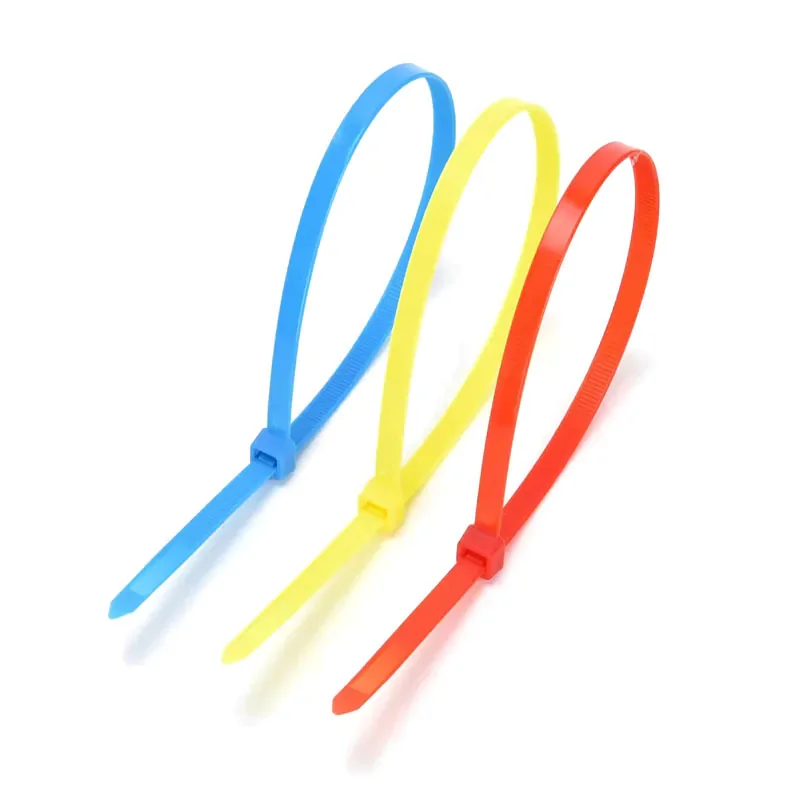
Cable ties are one of the most widely used fastening solutions for securing cables, hoses, pipes, and other components in industrial, commercial, and infrastructure projects. While traditional nylon cable ties are suitable for light-duty applications, they often lack the strength and durability required for harsh environments.
Multi Lock Cable Ties are specifically designed to provide stronger, more secure fastening in demanding conditions. Manufactured from high-quality stainless steel, they feature an advanced multi-locking mechanism that offers higher holding strength and greater resistance to vibration than conventional locking designs.
But how exactly do Multi Lock Cable Ties work? In this guide, we’ll explain their structure, locking mechanism, installation process, and the advantages that make them a trusted choice for industrial cable management.
What Are Multi Lock Cable Ties?
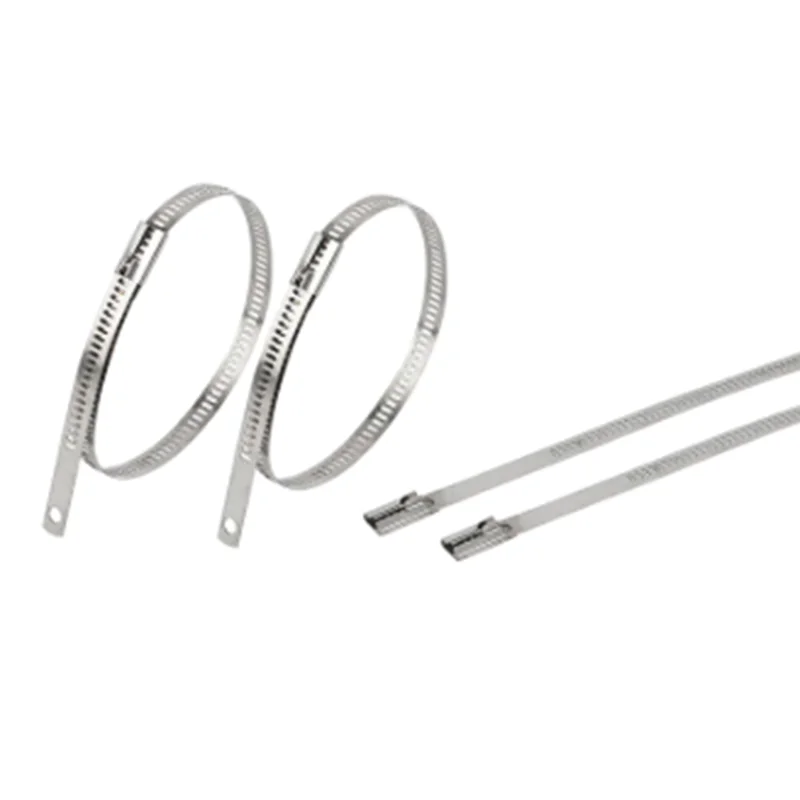
Multi Lock Cable Ties are heavy-duty stainless steel fastening devices used to bundle and secure cables, pipes, hoses, and equipment. Unlike standard cable ties that rely on a single locking point, Multi Lock Cable Ties incorporate multiple locking teeth within the locking head, creating a stronger and more reliable connection.
They are commonly manufactured from:
304 Stainless Steel for general industrial applications
316 Stainless Steel for marine, offshore, and chemical environments
Some models are also available with an epoxy polyester coating, providing additional protection against corrosion and cable abrasion.
Understanding the Structure of a Multi Lock Cable Tie
Although simple in appearance, a Multi Lock Cable Tie is engineered with several components that work together to create a secure fastening.
Stainless Steel Strap
The strap forms the main body of the cable tie and provides the tensile strength needed to secure heavy cable bundles. Its smooth surface allows it to slide easily through the locking head during installation while resisting stretching and deformation under load.
Multi-Lock Head
The locking head is the defining feature of this type of cable tie. Instead of relying on a single locking point, it contains multiple locking teeth that engage with the strap as it is tightened.
This design distributes the holding force more evenly and minimizes the risk of slippage, even in environments subject to constant vibration or movement.
Tail End
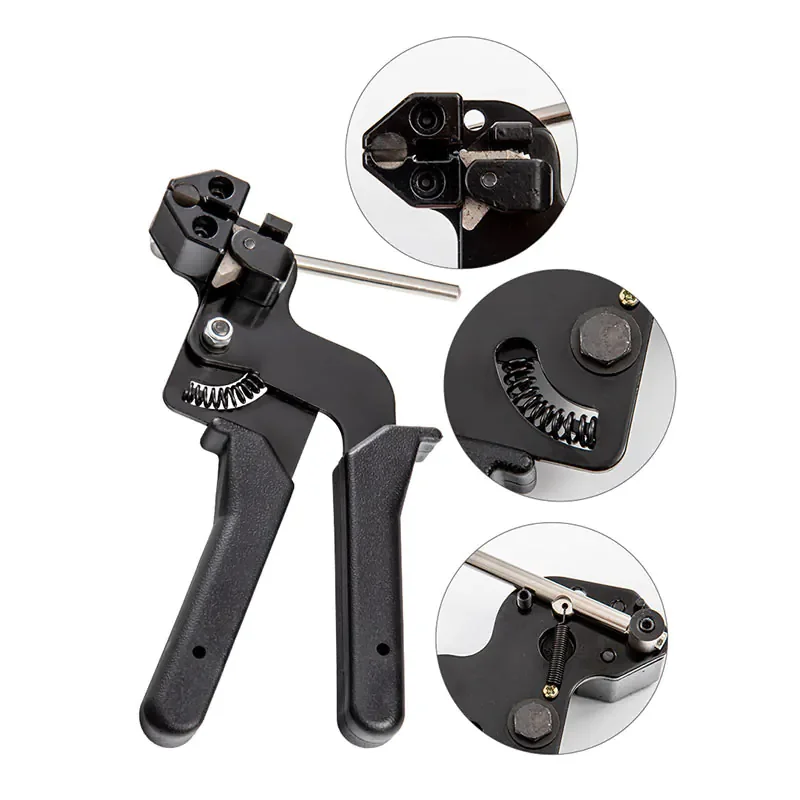
The tail is inserted through the locking head and pulled to tighten the cable tie around the bundle. Once the desired tension is reached, the excess length is trimmed using a cable tie installation tool.
How Does the Multi Lock Mechanism Work?
The operation of a Multi Lock Cable Tie is straightforward but highly effective.
Step 1: Wrap Around the Bundle
The cable tie is placed around the cables, pipes, or equipment that need to be secured.
Step 2: Insert the Tail into the Locking Head
The free end of the strap is fed through the opening in the locking head. As it moves through the head, the locking teeth allow the strap to travel in one direction.
Step 3: Tighten the Cable Tie
The installer pulls the strap until the required tension is achieved. For industrial applications, a professional tensioning tool is recommended to ensure consistent tightening.
Step 4: Lock the Strap
As tension increases, multiple locking teeth engage with the strap simultaneously. This creates several contact points rather than a single locking position, producing a stronger and more stable connection.
The locking mechanism prevents the strap from moving backward, ensuring that the cable tie remains securely fastened even under heavy loads or continuous vibration.
Step 5: Trim the Excess Strap
After installation, the remaining tail is cut flush with the locking head to create a clean, professional finish and reduce the risk of sharp edges.
Why Is the Multi Lock Design More Secure?
The key advantage of a Multi Lock Cable Tie lies in its locking mechanism.
Unlike conventional designs that depend on a single point of engagement, the multi-lock structure distributes the load across several locking surfaces. This improves gripping force, reduces localized stress, and minimizes the possibility of loosening over time.
As a result, Multi Lock Cable Ties provide greater reliability in applications where equipment is exposed to vibration, movement, or heavy mechanical loads.
Advantages of Multi Lock Cable Ties
The advanced locking mechanism offers several important benefits that make these cable ties suitable for demanding environments.
Higher Holding Strength
Multiple locking points create a stronger grip, allowing the cable tie to withstand higher tensile loads than many conventional fastening solutions.
Excellent Vibration Resistance
Industrial machinery, transportation systems, and offshore platforms are subject to continuous vibration. The multi-lock design helps prevent loosening, maintaining secure cable management throughout the equipment’s service life.
Long-Term Reliability
Manufactured from stainless steel, Multi Lock Cable Ties resist corrosion, temperature extremes, and mechanical wear, making them ideal for long-term installations.
Improved Safety
A secure fastening system reduces the risk of loose cables, equipment damage, and maintenance-related failures, contributing to safer industrial operations.
Where Are Multi Lock Cable Ties Commonly Used?
Thanks to their strength and durability, Multi Lock Cable Ties are widely used across many industries.
Power Distribution
They secure electrical cables in substations, switchgear, cable trays, and transmission systems where long-term reliability is essential.
Marine and Offshore
316 stainless steel Multi Lock Cable Ties are commonly used on ships, offshore platforms, and coastal facilities because they withstand saltwater corrosion and humid environments.
Oil and Gas
Refineries, petrochemical plants, and drilling platforms rely on Multi Lock Cable Ties to organize cables and hoses exposed to chemicals, vibration, and high temperatures.
Renewable Energy
Solar farms and wind turbines require cable management systems capable of withstanding years of outdoor exposure. Multi Lock Cable Ties provide dependable fastening for photovoltaic cables and turbine wiring.
Manufacturing and Infrastructure
Factories, transportation systems, telecommunications networks, and construction projects also benefit from the high strength and durability of Multi Lock Cable Ties.
Multi Lock Cable Ties vs Standard Cable Ties
| Feature | Multi Lock Cable Ties | Standard Cable Ties |
| Locking Mechanism | Multiple locking points | Single locking point |
| Holding Strength | Higher | Moderate |
| Vibration Resistance | Excellent | Limited |
| Material | Stainless Steel | Typically Nylon |
| Corrosion Resistance | Excellent | Poor to Moderate |
| Outdoor Durability | Excellent | Limited |
| Service Life | Long | Shorter |
Installation Tips
Proper installation helps maximize the performance and lifespan of Multi Lock Cable Ties.
Select the correct cable tie size for the bundle.
Use a professional tensioning and cutting tool for consistent installation.
Avoid excessive tightening that may damage cable insulation.
Ensure the locking head is fully engaged before trimming the excess strap.
Wear protective gloves when handling stainless steel cable ties.
Following these practices helps ensure safe and reliable fastening.
Why Choose Multi Lock Cable Ties?
Compared with conventional cable ties, Multi Lock Cable Ties offer a combination of strength, durability, and reliability that makes them well suited for industrial environments.
Their multi-lock mechanism provides a more secure connection, while the stainless steel construction ensures excellent resistance to corrosion, extreme temperatures, and mechanical stress. For applications where cable failure is not an option, they provide dependable long-term performance with minimal maintenance.
Conclusion
Multi Lock Cable Ties work by using a specially engineered locking head with multiple engagement points that securely grip the stainless steel strap as it is tightened. This innovative design creates a stronger and more stable fastening than traditional cable ties, helping prevent loosening even in environments exposed to vibration, heavy loads, or harsh weather.
Combined with the durability of stainless steel and the option of epoxy-coated protection, Multi Lock Cable Ties have become an ideal solution for industries such as power distribution, marine engineering, oil and gas, renewable energy, telecommunications, and manufacturing. By understanding how they work and selecting the right specification for your application, you can achieve safer, more reliable, and longer-lasting cable management.
FAQ
1. What makes a Multi Lock Cable Tie different from a standard cable tie?
A Multi Lock Cable Tie uses multiple locking teeth inside the locking head instead of a single locking point. This design provides a stronger grip, higher tensile strength, and better resistance to vibration, making it more suitable for demanding industrial applications.
2. How does the multi-lock mechanism prevent loosening?
As the strap is tightened, multiple locking teeth engage simultaneously with the stainless steel strap. These multiple contact points distribute the load evenly and prevent the strap from moving backward, ensuring a secure and permanent fastening.
3. What materials are Multi Lock Cable Ties made from?
Most Multi Lock Cable Ties are manufactured from 304 stainless steel for general industrial use or 316 stainless steel for marine, offshore, and chemical environments where enhanced corrosion resistance is required.
4. Can Multi Lock Cable Ties be used outdoors?
Yes. Stainless steel Multi Lock Cable Ties are highly resistant to UV radiation, moisture, and extreme temperatures. Epoxy-coated versions provide even greater protection against corrosion and weathering, making them ideal for outdoor installations.
5. Do I need a special tool to install Multi Lock Cable Ties?
While small cable ties can sometimes be installed manually, a professional tensioning and cutting tool is recommended for industrial applications. It ensures proper tension, improves installation efficiency, and provides a clean, safe finish.
6. Are Multi Lock Cable Ties reusable?
No. Multi Lock Cable Ties are designed as permanent fastening solutions. Once the locking mechanism is engaged, the tie must be cut for removal and cannot be reused.
7. What industries commonly use Multi Lock Cable Ties?
They are widely used in power distribution, oil and gas, marine engineering, renewable energy, telecommunications, transportation, manufacturing, mining, and construction, where secure and long-lasting cable management is essential.
8. Why should I choose Multi Lock Cable Ties instead of nylon cable ties?
Multi Lock Cable Ties offer significantly higher tensile strength, superior corrosion resistance, better performance in extreme temperatures, and a much longer service life than nylon cable ties. They are the preferred choice for heavy-duty and harsh-environment applications where long-term reliability is critical.