



What Are Multi Lock Epoxy Coated Cable Ties? A Complete Guide
Introduction
In industries where cable management systems are exposed to harsh environments, choosing the right fastening solution is essential for ensuring long-term reliability and safety. Standard nylon cable ties often degrade under UV exposure, chemicals, moisture, and extreme temperatures, making them unsuitable for demanding industrial applications.
This is where Multi Lock Epoxy Coated Cable Ties stand out. Combining the strength of stainless steel with the added protection of an epoxy coating and a secure multi-locking mechanism, these cable ties provide exceptional durability, corrosion resistance, and long service life.
What Are Multi Lock Epoxy Coated Cable Ties?
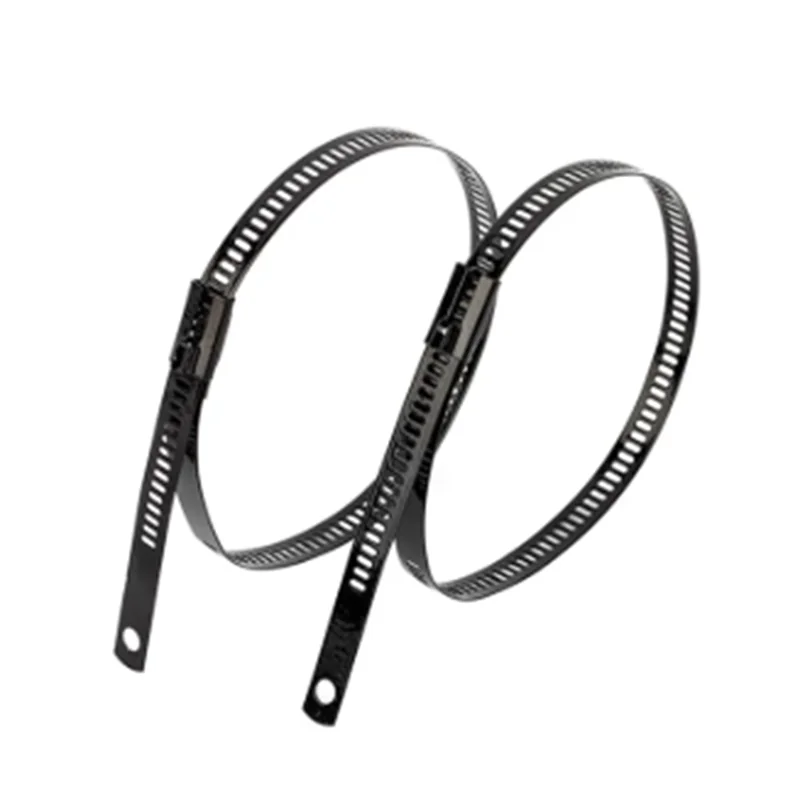
Multi Lock Epoxy Coated Cable Ties are heavy-duty fastening devices manufactured from 304 or 316 stainless steel and covered with a protective epoxy polyester coating. Unlike conventional stainless steel cable ties, they feature a multi-lock self-locking head, allowing multiple locking points that provide higher tensile strength and improved security.
The epoxy coating not only protects the stainless steel from external damage but also prevents direct metal-to-metal contact, reducing the risk of corrosion, abrasion, and electrical conductivity.
These cable ties are designed for permanent cable bundling, equipment fastening, pipe securing, and industrial installations where strength and environmental resistance are critical.
Main Components of Multi Lock Epoxy Coated Cable Ties
A typical Multi Lock Epoxy Coated Cable Tie consists of several key parts:
Stainless Steel Body
The body is made from high-quality stainless steel, usually:
304 Stainless Steel – Suitable for general industrial environments.
316 Stainless Steel – Ideal for marine, offshore, and chemical industries due to superior corrosion resistance.
Epoxy Coating
The epoxy polyester coating serves several important purposes:
Improves corrosion resistance
Protects cables from sharp metal edges
Prevents galvanic corrosion
Adds UV resistance
Provides electrical insulation
Reduces scratching during installation
The coating is available in various colors, with black being the most common for outdoor installations.
Multi Lock Head
Unlike ball-lock cable ties that use a single locking point, Multi Lock Cable Ties use multiple locking teeth inside the buckle.
Benefits include:
Higher locking reliability
Stronger grip under vibration
Better resistance to loosening
Increased tensile strength
This design makes them particularly suitable for high-vibration industrial environments.
How Do Multi Lock Epoxy Coated Cable Ties Work?
Installation is simple:
Wrap the tie around cables or equipment.
Insert the tail through the locking head.
Pull until the desired tension is achieved.
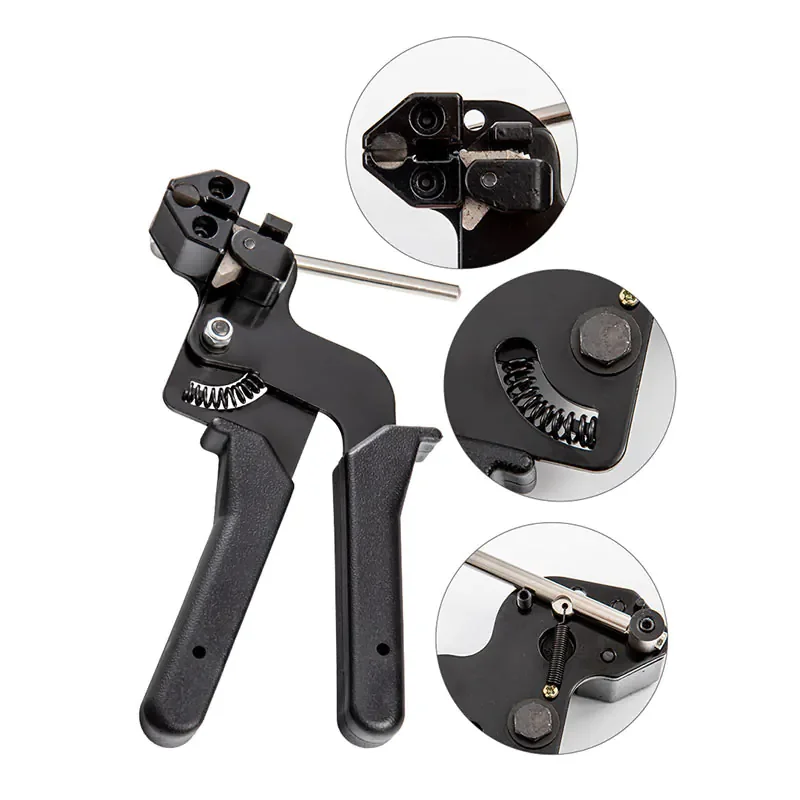
Tighten using a cable tie installation tool.
Cut off the excess tail.
Once tightened, the multiple locking mechanisms prevent the tie from slipping backward, creating a secure permanent fastening.
Key Benefits of Multi Lock Epoxy Coated Cable Ties
1. Excellent Corrosion Resistance
The combination of stainless steel and epoxy coating provides dual protection against:
Salt spray
Moisture
Industrial chemicals
Acidic environments
Alkaline environments
This significantly extends the service life compared to uncoated cable ties.
2. Superior Mechanical Strength
Multi Lock Cable Ties can withstand heavy loads without stretching or breaking.
They offer:
High tensile strength
Excellent impact resistance
Long-term stability
Reliable performance under vibration
This makes them suitable for demanding industrial installations.
3. Protection for Cables
The smooth epoxy coating prevents:
Cable insulation damage
Scratches
Wear caused by vibration
Direct contact with metal surfaces
This is especially important for electrical and communication cables.
4. Outstanding Weather Resistance
Epoxy-coated cable ties perform well in:
Rain
Snow
UV exposure
High humidity
Freezing temperatures
High-temperature environments
Unlike nylon cable ties, they do not become brittle after prolonged UV exposure.
5. Chemical Resistance
The epoxy coating protects against exposure to:
Oils
Fuels
Solvents
Cleaning chemicals
Industrial lubricants
This makes them suitable for chemical plants and manufacturing facilities.
6. Long Service Life
Compared with plastic cable ties, Multi Lock Epoxy Coated Cable Ties typically provide a much longer operational lifespan, reducing maintenance frequency and replacement costs.
Common Applications
Multi Lock Epoxy Coated Cable Ties are widely used across various industries.
Electrical Power Distribution
Used for securing:
Power cables
Control cables
Cable trays
Switchgear wiring
Oil and Gas Industry
Suitable for:
Offshore platforms
Refineries
Pipelines
Hazardous environments
The corrosion-resistant coating performs well in harsh industrial conditions.
Marine and Shipbuilding
Ideal for:
Ship wiring
Marine equipment
Dock facilities
Coastal installations
316 stainless steel versions provide exceptional resistance to saltwater corrosion.
Solar Energy Systems
Frequently used to fasten:
PV cables
Solar panel wiring
Junction box cables
Cable trays
Their UV-resistant coating makes them ideal for outdoor solar installations.
Telecommunications
Used for:
Fiber optic cable management
Communication towers
Data centers
Network cabinets
Railways and Transportation
Applied in:
Signal systems
Railway cable management
Tunnel infrastructure
Metro systems
Their vibration resistance is especially valuable in transportation applications.
Multi Lock vs Standard Stainless Steel Cable Ties
| Feature | Multi Lock Epoxy Coated | Standard Stainless Steel |
| Corrosion Resistance | Excellent | Good |
| Cable Protection | Excellent | Moderate |
| UV Resistance | Excellent | Excellent |
| Electrical Insulation | Yes | No |
| Scratch Protection | Yes | No |
| Locking Security | Higher | Standard |
| Outdoor Performance | Excellent | Good |
How to Choose the Right Multi Lock Epoxy Coated Cable Tie
When selecting a cable tie, consider the following factors:
Material Grade
304 Stainless Steel for general industrial use.
316 Stainless Steel for marine, offshore, and chemical environments.
Width
Wider cable ties generally provide higher tensile strength and are suitable for heavier cable bundles.
Length
Choose a length that comfortably wraps around the cable bundle with extra room for tightening.
Operating Environment
Consider:
Temperature
Humidity
Chemical exposure
UV exposure
Vibration levels
These conditions will determine the appropriate material and coating specifications.
Installation Tips
For optimal performance:
Use a professional cable tie tensioning tool.
Avoid over-tightening to prevent cable damage.
Ensure the locking head is fully engaged.
Trim the excess tail cleanly after installation.
Wear protective gloves when handling stainless steel products.
Proper installation helps maximize holding strength and service life.
Why Choose Epoxy Coated Multi Lock Cable Ties?
Compared with traditional fastening methods, Multi Lock Epoxy Coated Cable Ties offer:
Exceptional durability
Higher locking security
Longer service life
Better cable protection
Excellent corrosion resistance
Reduced maintenance costs
Reliable performance in harsh industrial environments
These advantages make them one of the preferred cable management solutions for demanding applications worldwide.
Conclusion
Multi Lock Epoxy Coated Cable Ties combine the mechanical strength of stainless steel with the protective benefits of an epoxy coating and the enhanced security of a multi-lock design. They are engineered to withstand harsh environments, resist corrosion, and provide long-lasting, reliable fastening for critical cable management systems.
Whether used in power distribution, marine engineering, renewable energy, telecommunications, or heavy industry, these cable ties deliver dependable performance where ordinary nylon or uncoated stainless steel ties may fail.
By selecting the appropriate material grade, size, and installation method, businesses can improve system reliability, reduce maintenance costs, and ensure safer, more durable cable management solutions for years to come.
FAQ
1. What are Multi Lock Epoxy Coated Cable Ties used for?
Multi Lock Epoxy Coated Cable Ties are used to securely bundle and fasten cables, pipes, hoses, and equipment in demanding industrial environments. They are commonly used in power distribution, oil and gas, marine, telecommunications, transportation, renewable energy, and chemical processing industries where high strength and corrosion resistance are required.
2. What is the advantage of the epoxy coating?
The epoxy coating provides several important benefits, including:
Enhanced corrosion resistance
Protection against UV radiation
Reduced risk of cable insulation damage
Electrical insulation between the cable tie and bundled materials
Improved resistance to abrasion, chemicals, and weathering
A smoother surface for safer handling and installation
3. What is the difference between Multi Lock and Ball Lock cable ties?
The main difference lies in the locking mechanism.
Multi Lock Cable Ties feature multiple locking teeth that provide a stronger, more secure grip and better resistance to vibration.
Ball Lock Cable Ties use a stainless steel ball bearing to lock the tie, offering quick installation and reliable performance for general applications.
Multi Lock Cable Ties are often preferred for heavy-duty applications where maximum holding strength is essential.
4. Which stainless steel grade should I choose: 304 or 316?
The choice depends on your operating environment.
304 Stainless Steel is suitable for most indoor and general industrial applications.
316 Stainless Steel offers superior resistance to saltwater, chemicals, and harsh outdoor conditions, making it ideal for marine, offshore, and chemical processing industries.
5. Are Multi Lock Epoxy Coated Cable Ties suitable for outdoor use?
Yes. Their epoxy coating provides excellent protection against UV exposure, moisture, rain, snow, and temperature fluctuations, making them an ideal solution for outdoor installations such as solar power systems, telecommunications towers, and infrastructure projects.