



The Role of Releasable Cable Ties in Temporary Wiring and Maintenance Projects
Introduction
In modern electrical, industrial, and network installations, flexibility is just as important as reliability. Temporary wiring setups and maintenance projects often require frequent adjustments, re-routing, and reconfiguration of cables. In these scenarios, releasable cable ties play a critical role by offering secure fastening with easy reusability.
Why Temporary Wiring Needs Flexible Fastening Solutions
Temporary wiring is commonly used in:
Equipment installation and testing
Construction site power distribution
Event staging and lighting systems
Industrial maintenance shutdowns
Data center upgrades and troubleshooting
Unlike permanent installations, these setups change frequently. Traditional cable ties must be cut and replaced each time, which leads to:
Increased material waste
Longer maintenance time
Higher labor cost
Risk of cable damage during removal
This is where releasable cable ties become essential.
How Releasable Cable Ties Improve Temporary Installations
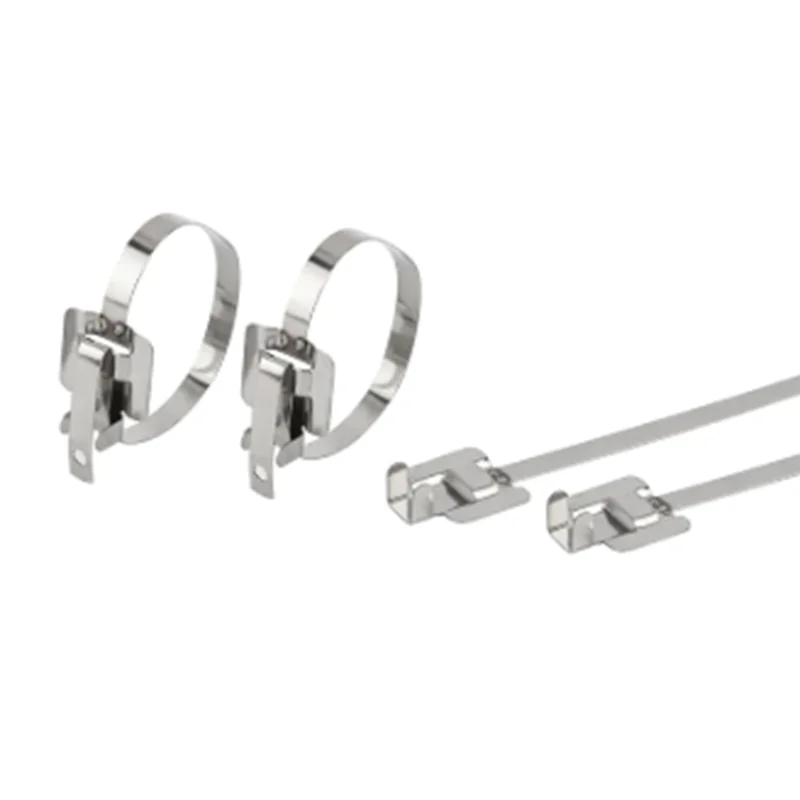
Releasable cable ties are designed with a built-in locking and release mechanism, allowing technicians to:
Secure cables quickly
Adjust routing without cutting
Reuse the same tie multiple times
Reduce downtime during changes
This makes them especially valuable in dynamic environments.
Key Advantages in Maintenance Projects
1. Fast Cable Reconfiguration
During maintenance, cables often need to be moved or replaced. Releasable ties allow quick unlocking and repositioning without tools or replacement parts.
2. Reduced Equipment Downtime
Because adjustments are faster, systems can return to operation sooner, minimizing production interruptions.
3. Cost Efficiency
One reusable tie can replace multiple single-use ties over the lifecycle of a system, reducing consumable costs.
4. Safer Cable Handling
Cutting traditional ties can accidentally damage insulation or nearby components. Releasable ties eliminate this risk.
5. Cleaner Maintenance Workflow
Technicians avoid accumulating cut-off plastic waste, keeping work areas cleaner and more organized.
Typical Use Cases in Temporary Wiring
Electrical Testing and Commissioning
Engineers frequently adjust wiring layouts during system testing. Releasable ties allow fast corrections without restarting the bundling process.
Data Center Cable Management
During server upgrades or rack reorganization, cables must be rerouted multiple times. Releasable ties simplify repeated changes.
Construction Sites
Temporary power and lighting systems often change layout as work progresses, requiring flexible bundling solutions.
Industrial Shutdown Maintenance
During scheduled maintenance, machinery wiring is accessed, inspected, and reassembled—often multiple times in a short period.
Best Practices for Effective Use
To maximize performance and lifespan:
Avoid over-tightening, which can stress the locking pawl
Choose UV-resistant materials for outdoor use
Match tie strength to cable bundle size
Inspect reuse points for wear before reapplication
Store in a dry, temperature-stable environment
Limitations to Consider
While highly versatile, releasable cable ties are not ideal for every situation:
Heavy vibration environments may loosen some models over time
High-temperature industrial zones require specialized materials
Extremely high-load bundling may still require stainless steel alternatives
Conclusion
Releasable cable ties are a practical and cost-effective solution for temporary wiring and maintenance projects. Their ability to be securely locked and easily released makes them ideal for environments where cables are frequently adjusted or reconfigured.
By reducing waste, saving time, and improving operational flexibility, they have become an essential tool in modern electrical and industrial maintenance workflows.
FAQ
1. What makes releasable cable ties suitable for temporary wiring?
Releasable cable ties are designed to be opened and reused without cutting. This makes them ideal for temporary wiring setups where cables need frequent adjustments, rerouting, or removal.
2. Can releasable cable ties be reused many times during maintenance work?
Yes. They are specifically built for repeated use. However, the number of reuse cycles depends on material quality, load stress, and environmental conditions such as heat or UV exposure.
3. Are releasable cable ties better than standard cable ties for maintenance projects?
In most maintenance scenarios, yes. They reduce downtime, eliminate cutting waste, and allow technicians to adjust cable layouts quickly without replacing ties.
4. Do releasable cable ties hold cables as securely as regular cable ties?
They provide strong and reliable holding force for most standard applications. However, in extreme vibration or heavy-load environments, specialized or metal cable ties may be more suitable.
5. How do you release a releasable cable tie safely?
Most designs include a small release tab or lever on the locking head. Pressing it disengages the internal pawl, allowing the strap to slide back without damaging the tie or cables.