



Cable Management Solutions for Oil and Gas Facilities Using Epoxy Coated Ties
Introduction
Cable management is a critical aspect of operational safety and reliability in oil and gas facilities. From offshore platforms and refineries to petrochemical plants and pipeline networks, thousands of power, control, instrumentation, and communication cables must be securely organized and protected.
These environments present unique challenges, including exposure to saltwater, corrosive chemicals, extreme temperatures, vibration, and harsh weather conditions. As a result, conventional cable fastening solutions often fail to provide the durability required for long-term performance.
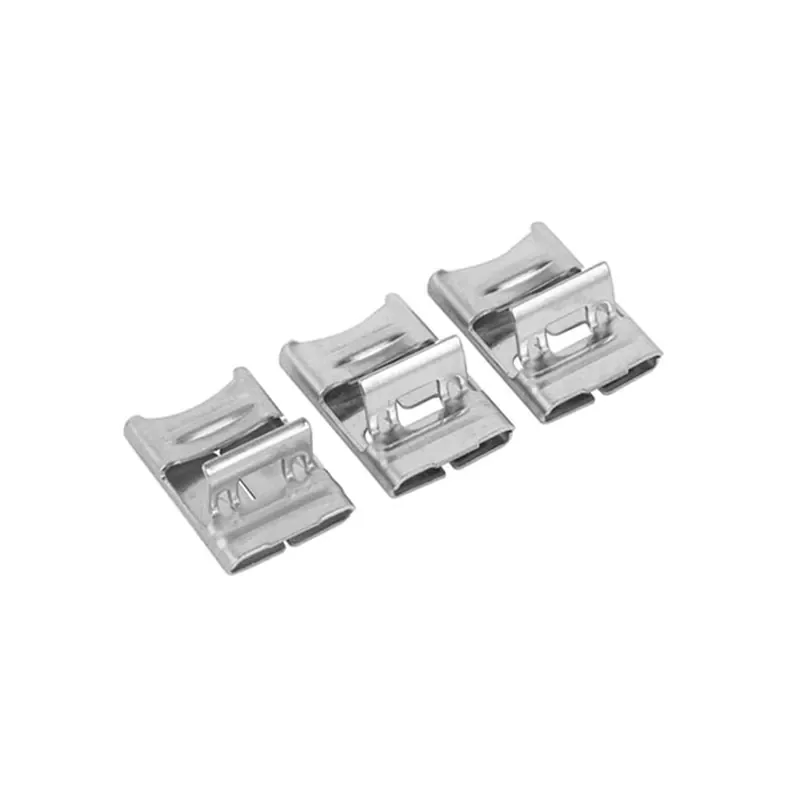
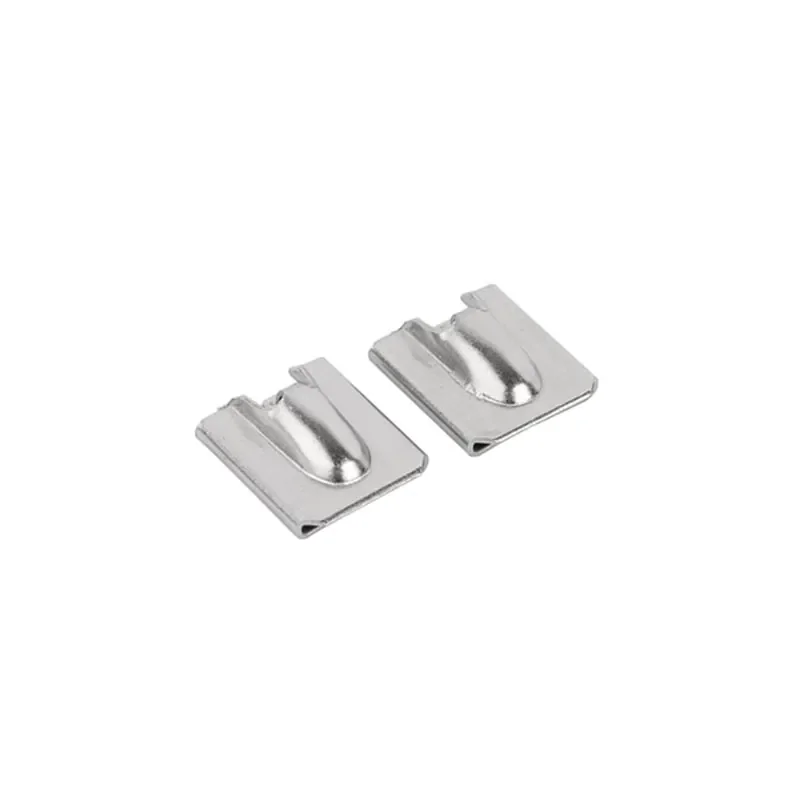
Full epoxy coated stainless steel cable ties have become a preferred cable management solution in the oil and gas industry due to their exceptional strength, corrosion resistance, and ability to withstand demanding operating conditions.

Why Cable Management Matters in Oil and Gas Facilities
Modern oil and gas operations rely heavily on electrical and automation systems to monitor and control production processes.
Typical cable installations include:
Power distribution cables
Instrumentation cables
Control system wiring
Fiber optic communication lines
Emergency shutdown system cables
Fire and gas detection system wiring
Telecommunications networks
Poor cable management can lead to:
Cable damage
Signal interference
Equipment downtime
Increased maintenance costs
Safety hazards
Regulatory compliance issues
Effective cable management ensures cables remain organized, protected, and accessible throughout the life of the facility.
Environmental Challenges in Oil and Gas Operations
Unlike many industrial environments, oil and gas facilities expose cable management systems to multiple sources of degradation.
Corrosive Atmospheres
Many facilities operate in environments containing:
Salt spray
Hydrogen sulfide (H₂S)
Chlorides
Sulfur compounds
Chemical vapors
These substances can accelerate corrosion and shorten the lifespan of cable fastening systems.
Extreme Temperatures
Oil and gas equipment may experience:
High process temperatures
Direct sunlight exposure
Freezing outdoor conditions
Rapid temperature fluctuations
Cable management components must maintain performance despite thermal stress.
Mechanical Vibration
Equipment such as:
Pumps
Compressors
Turbines
Generators
Drilling machinery
creates constant vibration that can loosen or damage inadequate cable supports.
UV and Weather Exposure
Outdoor installations must withstand:
UV radiation
Rain
Humidity
Wind
Snow and ice
Long-term exposure can degrade many traditional cable tie materials.
Why Epoxy Coated Cable Ties Are Ideal for Oil and Gas Applications
1. Exceptional Corrosion Resistance
One of the primary reasons oil and gas operators specify epoxy coated cable ties is their superior resistance to corrosion.
The combination of stainless steel construction and protective epoxy coating creates a dual-layer defense system.
Benefits include:
Protection against saltwater exposure
Resistance to corrosive atmospheres
Reduced risk of surface deterioration
Longer service life
This makes epoxy coated ties particularly suitable for:
Offshore platforms
Coastal refineries
Marine terminals
LNG facilities
2. High Mechanical Strength
Oil and gas installations often require cable ties capable of securing large cable bundles and heavy instrumentation wiring.
Epoxy coated stainless steel cable ties provide:
High tensile strength
Strong locking performance
Resistance to mechanical stress
Secure long-term fastening
Compared to plastic cable ties, stainless steel ties maintain their strength even in extreme temperatures and harsh environments.
3. Protection for Critical Cables
Control and instrumentation cables are essential to safe facility operations.
Uncoated metal ties can sometimes cause abrasion or wear on cable jackets during vibration.
The epoxy coating creates a smoother surface that helps protect:
Instrumentation cables
Fiber optic lines
Signal cables
Power cables
Safety system wiring
This reduces the likelihood of insulation damage and extends cable life.
4. Resistance to Chemicals and Hydrocarbons
Oil and gas facilities frequently encounter:
Crude oil
Fuels
Lubricants
Solvents
Cleaning chemicals
Process chemicals
The epoxy coating provides additional resistance against chemical exposure, helping preserve cable tie performance in aggressive environments.
Applications include:
Refineries
Petrochemical plants
Gas processing facilities
Chemical storage terminals
5. Improved Safety in Hazardous Areas
Safety is a top priority in oil and gas operations.
Cable management systems must support:
Reliable equipment operation
Fire protection systems
Emergency shutdown circuits
Hazard monitoring equipment
Epoxy coated cable ties contribute to safer installations by:
Reducing cable movement
Minimizing insulation damage
Providing reliable cable support
Improving installation durability
A well-organized cable system also makes inspections and troubleshooting more efficient.
Common Oil and Gas Applications for Epoxy Coated Cable Ties
Offshore Oil Platforms
Offshore facilities face some of the harshest operating conditions in the world.
Challenges include:
Continuous saltwater exposure
High humidity
Strong winds
Mechanical vibration
Epoxy coated cable ties help secure:
Power cables
Communication systems
Instrumentation wiring
Safety monitoring equipment
Refineries and Petrochemical Plants
Refineries contain extensive cable networks that support:
Process control systems
Pumps and motors
Fire and gas detection systems
Distributed control systems (DCS)
Epoxy coated cable ties provide long-term durability in environments exposed to chemicals and elevated temperatures.
Pipeline Infrastructure
Pipeline operators use cable ties to organize and secure:
Monitoring systems
Leak detection equipment
Remote telemetry systems
Cathodic protection wiring
The corrosion-resistant properties of epoxy coated ties make them ideal for remote outdoor installations.
LNG and Gas Processing Facilities
Liquefied natural gas (LNG) plants and gas processing facilities require cable management systems capable of handling:
Temperature extremes
Moisture exposure
Chemical contact
Continuous operation
Epoxy coated stainless steel ties help maintain system reliability while minimizing maintenance requirements.
Advantages Over Standard Cable Tie Materials
| Feature | Epoxy Coated Stainless Steel Ties | Nylon Cable Ties |
| Corrosion Resistance | Excellent | Moderate |
| UV Resistance | Excellent | Limited |
| Chemical Resistance | Excellent | Moderate |
| High Temperature Resistance | Excellent | Limited |
| Tensile Strength | Very High | Moderate |
| Service Life | Long-Term | Shorter |
| Outdoor Performance | Excellent | Fair |
For critical oil and gas applications, epoxy coated stainless steel ties often provide a significantly longer lifespan and lower replacement frequency.
Best Practices for Using Epoxy Coated Cable Ties in Oil and Gas Facilities
To maximize performance:
Select the Correct Material Grade
For highly corrosive environments:
SS304 epoxy coated ties for general industrial use
SS316 epoxy coated ties for marine and offshore environments
Use Proper Installation Tools
Professional tensioning tools help ensure:
Consistent tightening
Proper locking
Reduced installation errors
Avoid Over-Tightening
Excessive tension may damage cable insulation or place unnecessary stress on cable bundles.
Conduct Regular Inspections
Routine inspections help identify:
Physical damage
Environmental wear
Loose cable bundles
Potential maintenance issues
Preventive maintenance supports long-term reliability.
Reducing Maintenance Costs Through Better Cable Management
Maintenance activities in oil and gas facilities can be expensive, particularly in offshore and remote locations.
Replacing failed cable management components often requires:
Specialized labor
Equipment shutdowns
Safety procedures
Access equipment
Because epoxy coated cable ties offer superior durability and corrosion resistance, they help:
Reduce replacement frequency
Lower maintenance labor costs
Minimize operational disruptions
Improve asset reliability
The result is a lower total cost of ownership over the lifespan of the facility.
Conclusion
Oil and gas facilities operate in some of the world’s most demanding industrial environments, where reliable cable management is essential for safety, efficiency, and operational continuity.
Full epoxy coated stainless steel cable ties provide a robust solution by combining the strength of stainless steel with the added protection of a durable epoxy coating. Their resistance to corrosion, chemicals, UV exposure, vibration, and extreme weather makes them particularly well-suited for offshore platforms, refineries, LNG plants, and pipeline infrastructure.
For operators seeking long-term reliability and reduced maintenance costs, epoxy coated cable ties represent a smart investment in modern oil and gas cable management systems.