



The Key Benefits of Full Epoxy Coated Cable Ties Compared to Standard Stainless Steel Ties
Introduction
Cable ties play a critical role in securing cables, pipes, hoses, and equipment across a wide range of industrial applications. Among the many options available, stainless steel cable ties are widely recognized for their strength, durability, and resistance to extreme environments.
However, when installations are exposed to corrosive chemicals, saltwater, UV radiation, or demanding outdoor conditions, many engineers choose full epoxy coated cable ties instead of standard uncoated stainless steel ties.
What Are Full Epoxy Coated Cable Ties?
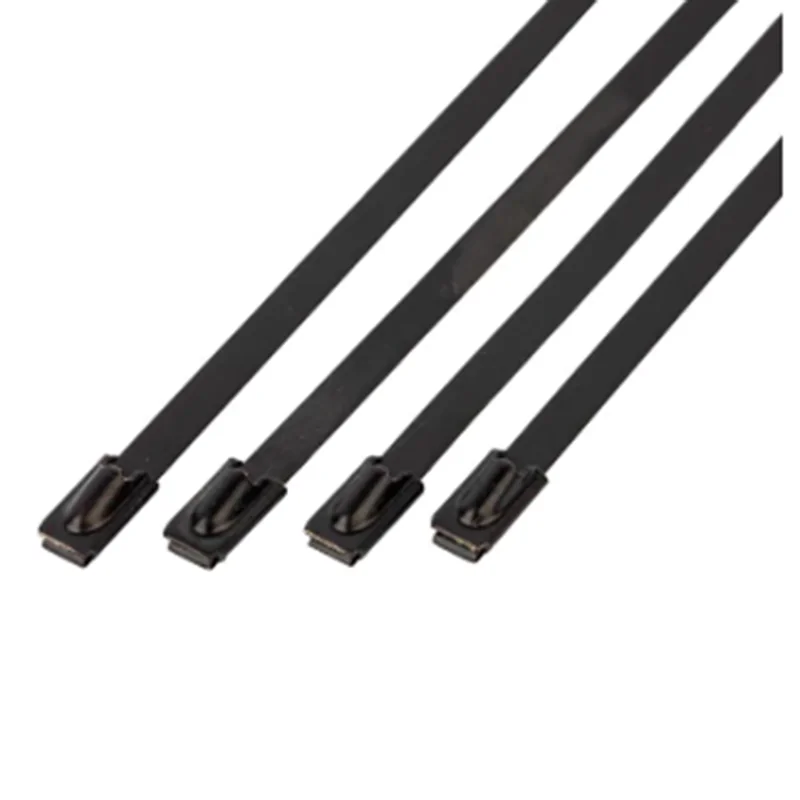
Full epoxy coated cable ties are stainless steel cable ties that are completely covered with a layer of durable epoxy resin. The coating surrounds both the tie body and locking mechanism, creating an additional protective barrier between the metal and the surrounding environment.
Typically manufactured from:
SS304 stainless steel
SS316 stainless steel for enhanced corrosion resistance
The epoxy coating adds another level of protection while maintaining the mechanical strength of stainless steel.
Main Features
High tensile strength
Corrosion resistance
UV resistance
Weather resistance
Electrical insulation
Reduced surface damage
Enhanced worker safety
Standard Stainless Steel Cable Ties: Strength with Some Limitations
Standard stainless steel cable ties offer excellent performance in many industrial applications. They are commonly used because they provide:
Exceptional load-bearing capacity
Fire resistance
High temperature tolerance
Long service life
However, in aggressive environments, uncoated stainless steel ties may present several challenges:
Potential galvanic corrosion when contacting dissimilar metals
Risk of scratching sensitive cable jackets
Increased exposure to chemical attack
Higher likelihood of worker injuries from sharp metal edges
Reduced aesthetic appearance after long-term exposure
This is where full epoxy coated cable ties provide significant advantages.
1. Superior Corrosion Protection
One of the biggest advantages of epoxy coated cable ties is their enhanced resistance to corrosion.
While stainless steel naturally forms a passive oxide layer that resists rust, prolonged exposure to harsh substances can still affect performance.
Examples include:
Saltwater environments
Coastal installations
Chemical processing plants
Wastewater treatment facilities
Offshore platforms
The epoxy coating acts as a secondary protective barrier that helps prevent corrosive agents from directly contacting the stainless steel surface.
Benefits
Longer service life
Reduced maintenance requirements
Lower replacement costs
Improved reliability in harsh conditions
2. Better Protection for Cables and Hoses
Uncoated stainless steel ties can sometimes damage cable insulation due to metal-to-cable contact.
Over time, vibration and movement may cause:
Abrasion
Surface wear
Insulation damage
Premature cable failure
The epoxy coating provides a smoother, non-metallic contact surface that helps protect:
Electrical cables
Fiber optic cables
Communication lines
Hydraulic hoses
Pneumatic tubing
This makes epoxy coated ties particularly valuable in critical cable management systems.
3. Enhanced Chemical Resistance
Industrial facilities frequently expose cable management systems to chemicals such as:
Acids
Alkalis
Solvents
Cleaning agents
Petroleum products
Although stainless steel performs well in many environments, continuous chemical exposure can eventually degrade its protective layer.
The epoxy coating provides an additional shield against chemical attack, helping maintain structural integrity for longer periods.
Industries that benefit include:
Chemical manufacturing
Pharmaceuticals
Food processing
Marine engineering
Oil and gas facilities
4. Improved Electrical Insulation
Unlike bare stainless steel, epoxy coated cable ties feature a non-conductive outer layer.
This provides a degree of electrical insulation that can help reduce risks associated with accidental contact.
Advantages include:
Additional protection for electrical systems
Reduced possibility of short circuits
Improved installation safety
Better compatibility with sensitive electronic equipment
While epoxy coating should not be considered a primary insulation method, it provides useful supplementary protection.
5. Greater Resistance to UV and Weather Exposure
Outdoor installations are constantly exposed to:
UV radiation
Rain
Snow
Humidity
Temperature fluctuations
Over time, these environmental factors can affect cable management components.
High-quality epoxy coatings are designed to withstand prolonged outdoor exposure, helping maintain:
Appearance
Mechanical performance
Corrosion resistance
Structural integrity
As a result, epoxy coated cable ties are commonly used in:
Solar energy projects
Telecommunications towers
Transportation infrastructure
Utility networks
6. Reduced Risk of Galvanic Corrosion
Galvanic corrosion occurs when two dissimilar metals come into electrical contact in the presence of an electrolyte such as moisture or saltwater.
Examples include:
Stainless steel ties securing aluminum structures
Cable supports mounted on galvanized steel
Mixed-metal industrial assemblies
The epoxy coating acts as an insulating barrier between metals, helping reduce galvanic reactions and extending the life of both the cable tie and the connected components.
7. Improved Worker Safety During Installation
Safety is an important consideration during cable tie installation.
Bare stainless steel ties can have sharp edges that may cause:
Cuts
Scratches
Hand injuries
The epoxy coating helps reduce direct contact with exposed metal surfaces and improves handling comfort.
Benefits include:
Safer installation procedures
Reduced risk of injury
Better grip during installation
Improved efficiency for technicians
8. Reduced Noise and Vibration Wear
Many industrial systems experience continuous vibration from:
Pumps
Compressors
Motors
Generators
Heavy machinery
Metal-to-metal contact can create:
Noise
Wear
Surface damage
The epoxy coating provides a cushioning effect that helps minimize vibration-related abrasion and reduces noise generated by cable movement.
This advantage is especially valuable in:
Marine systems
Rail infrastructure
Industrial manufacturing plants
Power generation facilities
9. Cleaner Appearance and Color Identification
Full epoxy coated cable ties often maintain a cleaner appearance than uncoated stainless steel ties.
The coating helps resist:
Surface staining
Discoloration
Environmental deposits
Some manufacturers also offer color-coated versions that allow:
Circuit identification
Maintenance labeling
Asset management
System organization
This can simplify inspections and maintenance activities.
10. Lower Total Cost of Ownership
Although full epoxy coated cable ties generally cost more upfront, they often reduce overall lifecycle costs.
The benefits include:
Longer service life
Fewer replacements
Reduced downtime
Lower maintenance expenses
Improved system reliability
For critical infrastructure projects, the long-term savings can significantly outweigh the initial investment.
Comparison Table
| Feature | Full Epoxy Coated Cable Ties | Standard Stainless Steel Ties |
| Corrosion Resistance | Excellent | Very Good |
| Chemical Resistance | Excellent | Good |
| Cable Protection | Excellent | Moderate |
| Electrical Insulation | Yes | No |
| UV Resistance | Excellent | Good |
| Worker Safety | Higher | Moderate |
| Galvanic Corrosion Protection | Better | Limited |
| Outdoor Performance | Excellent | Good |
| Initial Cost | Higher | Lower |
| Long-Term Value | Higher | Moderate |
Which Option Should You Choose?
Choose Standard Stainless Steel Cable Ties If:
The environment is relatively clean and dry
Budget is the primary concern
Cable insulation protection is not critical
Exposure to chemicals and saltwater is limited
Choose Full Epoxy Coated Cable Ties If:
The installation is outdoors
Corrosion resistance is critical
Cables require additional protection
Chemical exposure is present
Worker safety is a priority
Long-term maintenance costs need to be minimized
Conclusion
Both standard stainless steel cable ties and full epoxy coated cable ties offer excellent strength and durability. However, when operating in demanding environments, full epoxy coated cable ties provide several significant advantages.
Their enhanced corrosion resistance, improved cable protection, chemical resistance, electrical insulation properties, and longer service life make them an ideal choice for industries such as marine, oil and gas, chemical processing, power generation, telecommunications, and renewable energy.
For applications where reliability and longevity matter most, investing in full epoxy coated cable ties can deliver better performance and lower total ownership costs over the life of the installation.