



The Corrosion Resistance Advantages of Stainless Steel Ball Lock Cable Ties
Introduction
Corrosion is one of the leading causes of failure in cable management systems used in industrial, marine, utility, and outdoor environments. When cable ties deteriorate due to moisture, chemicals, or salt exposure, they can lose strength, compromise cable security, and increase maintenance costs.
To address these challenges, many engineers and facility managers choose stainless steel ball lock cable ties. Combining superior mechanical strength with excellent corrosion resistance, these cable ties are designed to provide long-lasting performance in harsh operating conditions where traditional fastening solutions may not survive.
Understanding Corrosion and Its Impact on Cable Management
Corrosion occurs when metal reacts with environmental elements such as oxygen, moisture, chemicals, or salt. Over time, this reaction can weaken metal components and reduce their ability to perform safely and effectively.
In cable management systems, corrosion can lead to:
Reduced tensile strength
Fastener failure
Loose cable bundles
Damage to electrical systems
Increased maintenance requirements
Unexpected operational downtime
Selecting corrosion-resistant fastening solutions is therefore essential for maintaining long-term system reliability.
What Are Stainless Steel Ball Lock Cable Ties?
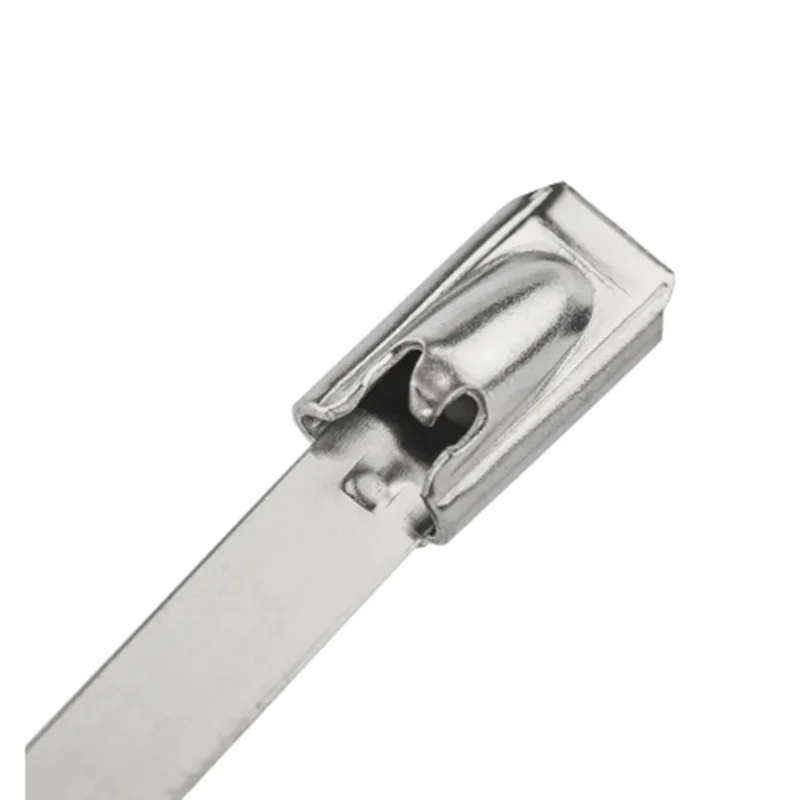
Stainless steel ball lock cable ties are heavy-duty fastening devices designed to secure cables, pipes, hoses, and equipment.
Their construction typically includes:
Stainless steel tie body
Stainless steel locking head
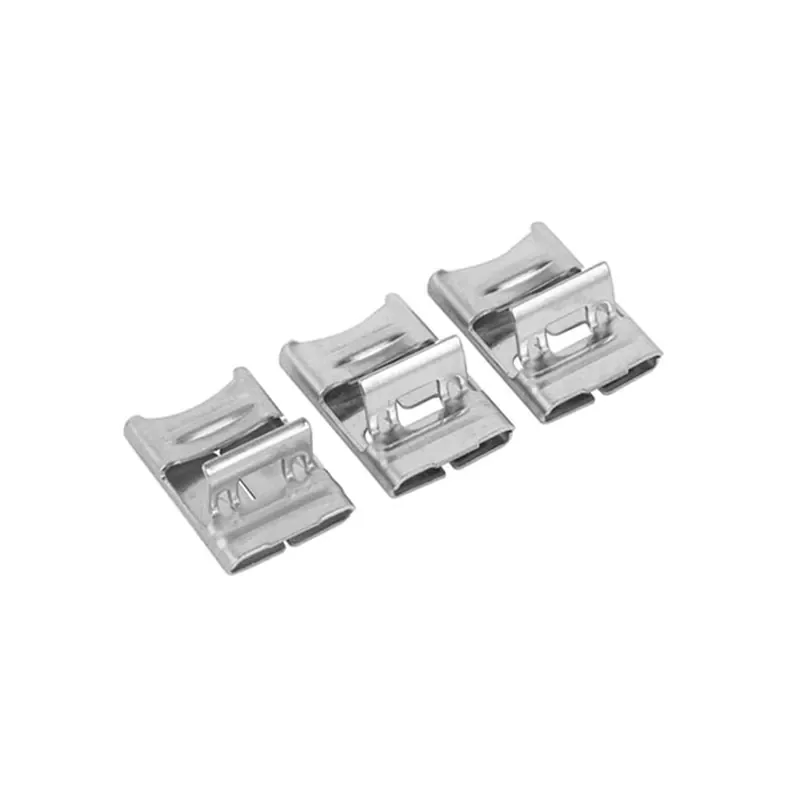
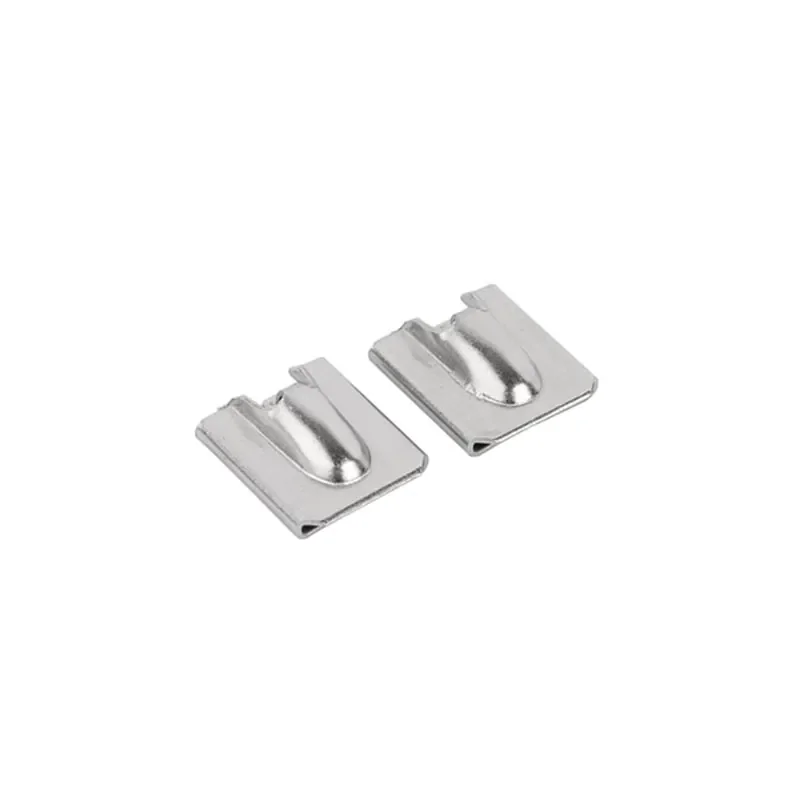
Self-locking ball mechanism
As the tie is tightened, the stainless steel ball automatically locks the tie in place, creating a secure and vibration-resistant connection.
Unlike plastic cable ties, stainless steel versions are engineered to withstand extreme environmental conditions while maintaining their strength and reliability.
Why Stainless Steel Offers Superior Corrosion Resistance
The key to stainless steel’s corrosion resistance lies in its chromium content.
When exposed to oxygen, chromium forms a thin, invisible oxide layer on the metal surface. This protective layer acts as a barrier that helps prevent further corrosion.
Benefits include:
Self-healing surface protection
Resistance to oxidation
Reduced rust formation
Long-term durability
Minimal maintenance requirements
This protective characteristic makes stainless steel ideal for demanding industrial and outdoor applications.
Corrosion Resistance Advantages of Stainless Steel Ball Lock Cable Ties
Excellent Resistance to Moisture and Humidity
Many industrial facilities operate in environments with high humidity levels or frequent exposure to water.
Examples include:
Manufacturing plants
Water treatment facilities
Food processing facilities
Outdoor installations
Stainless steel ball lock cable ties resist moisture-related deterioration, helping maintain secure cable management over long periods.
Superior Protection Against Salt Spray
Salt spray is one of the most aggressive forms of corrosion, particularly in coastal and offshore environments.
Salt particles accelerate the corrosion process and can quickly damage standard metal fasteners.
Stainless steel ball lock cable ties provide excellent resistance to:
Coastal weather conditions
Marine environments
Offshore platforms
Harbor facilities
Shipboard installations
When manufactured from SS316 stainless steel, they offer even greater protection against chloride-induced corrosion.
Resistance to Industrial Chemicals
Industrial environments often expose cable management systems to:
Chemical vapors
Cleaning agents
Process chemicals
Industrial pollutants
Stainless steel cable ties are capable of withstanding exposure to many corrosive substances, making them suitable for chemical processing and industrial facilities.
Long-Term Outdoor Durability
Outdoor infrastructure is continuously exposed to environmental factors such as:
Rain
Snow
Humidity
Temperature fluctuations
Airborne contaminants
The corrosion-resistant properties of stainless steel help ensure reliable performance throughout years of outdoor service.
SS304 vs SS316 Stainless Steel: Which Offers Better Corrosion Resistance?
SS304 Stainless Steel
SS304 is one of the most widely used stainless steel grades.
Advantages include:
Good corrosion resistance
Excellent strength
Cost-effective performance
Suitable for most industrial environments
Common applications:
General manufacturing
Electrical installations
Indoor industrial facilities
SS316 Stainless Steel
SS316 contains molybdenum, which enhances resistance to chlorides and harsh chemicals.
Advantages include:
Superior corrosion resistance
Better performance in marine environments
Increased protection against salt spray
Improved chemical resistance
Common applications:
Offshore platforms
Coastal infrastructure
Marine vessels
Chemical processing plants
For highly corrosive environments, SS316 is often the preferred choice.
How the Ball Lock Design Enhances Reliability
While corrosion resistance is critical, the locking mechanism also plays an important role in overall performance.
The self-locking ball mechanism provides:
Secure fastening
Resistance to vibration
Consistent holding force
Reduced risk of slippage
This combination of mechanical security and corrosion resistance helps ensure long-term reliability in demanding applications.
Industries That Benefit from Corrosion-Resistant Ball Lock Cable Ties
Marine and Offshore
Ships, offshore platforms, and port facilities require fastening systems capable of surviving continuous exposure to saltwater and marine atmospheres.
Oil and Gas
Processing facilities and offshore drilling operations often operate in highly corrosive environments where reliable cable management is essential.
Utilities and Power Distribution
Electrical infrastructure must maintain long-term reliability despite weather exposure and environmental contamination.
Telecommunications
Communication networks rely on secure cable management systems to ensure uninterrupted service.
Chemical Processing
Facilities handling aggressive chemicals require cable fastening products that can withstand corrosive conditions.
Renewable Energy
Solar farms and wind energy projects depend on durable cable management systems designed for long-term outdoor use.
Comparing Stainless Steel and Plastic Cable Ties
| Feature | Stainless Steel Ball Lock Cable Ties | Plastic Cable Ties |
| Corrosion Resistance | Excellent | Limited |
| Salt Spray Resistance | Excellent | Poor |
| Chemical Resistance | Excellent | Moderate |
| UV Resistance | Excellent | Limited |
| Tensile Strength | High | Moderate |
| Service Life | Long | Shorter |
| Harsh Environment Suitability | Excellent | Limited |
For applications exposed to corrosive conditions, stainless steel ball lock cable ties provide significantly greater durability and reliability.
Best Practices for Maximizing Corrosion Resistance
To achieve the longest possible service life:
Choose the Correct Material Grade
Select:
SS304 for general industrial applications
SS316 for marine and highly corrosive environments
Match the Tie to the Application
Consider:
Environmental exposure
Load requirements
Temperature conditions
Chemical exposure levels
Use Corrosion-Resistant Accessories
Combine cable ties with compatible stainless steel mounting hardware, brackets, and supports.
Conduct Periodic Inspections
Regular inspections help identify environmental wear and ensure continued system performance.
Long-Term Cost Benefits
The corrosion resistance of stainless steel ball lock cable ties contributes to lower lifecycle costs by:
Reducing replacement frequency
Lowering maintenance labor requirements
Preventing cable management failures
Minimizing downtime
Extending infrastructure service life
Although the initial investment may be higher than alternative fastening solutions, the long-term savings often outweigh the upfront cost.
Conclusion
Corrosion poses a serious challenge to cable management systems operating in industrial, marine, offshore, and outdoor environments. Selecting fastening solutions that can withstand moisture, chemicals, salt spray, and environmental stress is essential for ensuring long-term reliability.
Stainless steel ball lock cable ties offer outstanding corrosion resistance thanks to their stainless steel construction and secure self-locking mechanism. Their ability to resist rust, chemical exposure, salt spray, and harsh weather conditions makes them a trusted solution across a wide range of industries.
For organizations seeking durable, low-maintenance, and cost-effective cable management solutions, stainless steel ball lock cable ties provide a reliable investment that supports both operational efficiency and infrastructure longevity.
FAQ
Why are stainless steel ball lock cable ties more corrosion-resistant than standard cable ties?
Stainless steel contains chromium, which forms a protective oxide layer that helps prevent rust and corrosion, even in harsh environments.
Which stainless steel grade is best for marine applications?
SS316 stainless steel is generally preferred because it offers superior resistance to saltwater and chloride-induced corrosion.
Can stainless steel ball lock cable ties be used outdoors?
Yes. They provide excellent resistance to rain, humidity, UV exposure, and environmental contaminants, making them ideal for outdoor installations.
Are stainless steel ball lock cable ties resistant to chemicals?
Yes. They offer strong resistance to many industrial chemicals and corrosive substances, particularly when manufactured from SS316 stainless steel.
Do corrosion-resistant cable ties reduce maintenance costs?
Absolutely. Their long service life and durability help reduce replacement frequency, labor costs, and operational downtime.