



Understanding the Strength and Reliability of Ball Lock Cable Tie Systems
Introduction
In industrial environments, cable management systems must withstand demanding conditions while ensuring the safety and organization of critical wiring and equipment. Whether used in power plants, telecommunications infrastructure, marine applications, or manufacturing facilities, cable ties play an essential role in securing cables and maintaining operational reliability.
Among the various cable fastening solutions available, ball lock cable tie systems are widely recognized for their exceptional strength, durability, and secure locking performance. Designed to handle harsh environments and heavy-duty applications, these stainless steel cable ties provide a reliable alternative to conventional fastening methods.
What Are Ball Lock Cable Tie Systems?
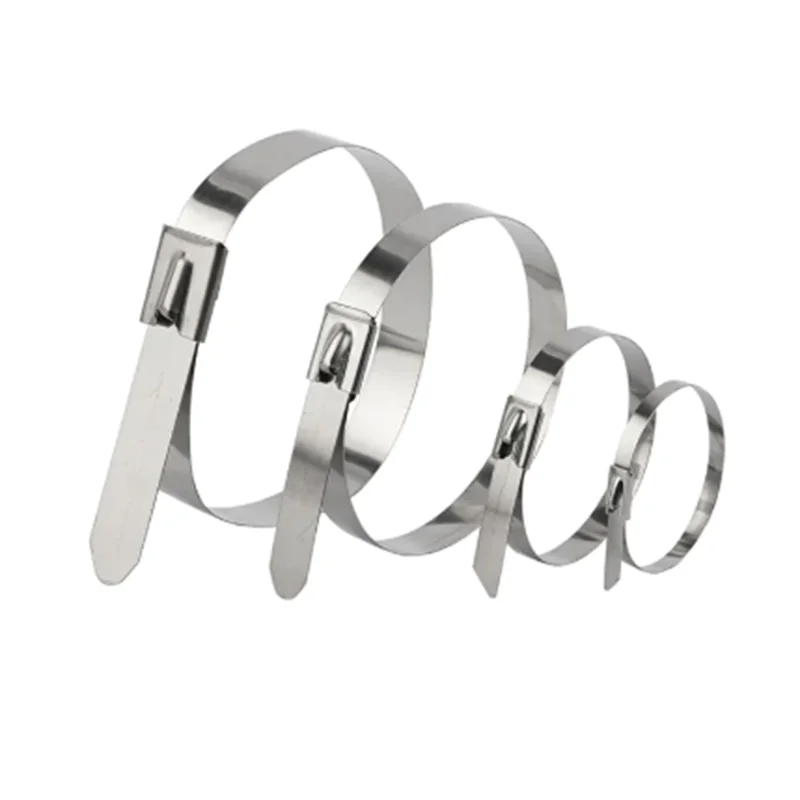
Ball lock cable ties are stainless steel fastening devices that use a self-locking ball mechanism to secure the tie around a cable bundle or structure.
The system typically consists of:
A stainless steel tie body
A locking head
A stainless steel ball locking mechanism
During installation, the tie tail is inserted through the locking head. As tension is applied, the ball automatically grips the tie body, creating a secure and vibration-resistant lock.
Unlike plastic cable ties that rely on molded teeth, ball lock systems use metal-to-metal engagement for greater strength and reliability.
How the Ball Lock Mechanism Works
The ball lock mechanism is designed to create a strong one-way locking action.
Step 1: Insertion
The tail of the cable tie is threaded through the locking head.
Step 2: Tensioning
As the tie is tightened, the stainless steel ball moves into position.
Step 3: Locking
The ball wedges tightly against the tie body, preventing backward movement.
Step 4: Permanent Retention
Once locked, the tie maintains consistent holding force even under demanding operating conditions.
This simple yet effective design contributes significantly to the system’s reliability.
Why Ball Lock Cable Ties Offer Superior Strength
High Tensile Strength
One of the biggest advantages of ball lock cable ties is their impressive tensile strength.
Because they are manufactured from stainless steel rather than plastic, they can withstand significantly higher loads.
Benefits include:
Secure fastening of heavy cable bundles
Resistance to mechanical stress
Reliable performance in demanding environments
Reduced risk of tie breakage
This makes them suitable for industrial and infrastructure projects where cable security is critical.
Metal-to-Metal Locking Performance
The locking mechanism does not rely on plastic teeth that may wear down over time.
Instead, the stainless steel ball provides:
Consistent locking force
Strong resistance to slippage
Reliable load retention
Long-term fastening stability
This design helps maintain cable integrity throughout the service life of the installation.
Resistance to Vibration and Shock
Industrial equipment often generates significant vibration and movement.
Examples include:
Pumps
Motors
Compressors
Generators
Transportation systems
Ball lock cable ties are specifically designed to resist loosening under vibration.
This helps prevent:
Cable displacement
Connection failures
Maintenance issues
Safety hazards
Reliability in Harsh Environments
Corrosion Resistance
Most ball lock cable ties are manufactured from stainless steel grades such as:
SS304
SS316
These materials provide excellent resistance to:
Moisture
Humidity
Salt spray
Industrial pollutants
Chemical exposure
As a result, ball lock cable ties remain reliable even in challenging outdoor and industrial environments.
High Temperature Performance
Unlike nylon cable ties that may become brittle or soften under extreme temperatures, stainless steel ball lock cable ties can withstand a much wider temperature range.
This makes them suitable for:
Power generation facilities
Refineries
Manufacturing plants
Furnace areas
High-temperature processing equipment
Their strength remains stable even under elevated operating temperatures.
UV Resistance
Outdoor installations are continuously exposed to sunlight.
Because stainless steel is unaffected by ultraviolet radiation, ball lock cable ties do not suffer from:
UV degradation
Cracking
Material embrittlement
Premature aging
This contributes to long-term reliability in outdoor environments.
Common Applications of Ball Lock Cable Tie Systems
Electrical and Power Distribution
Ball lock cable ties help organize and secure power cables in:
Substations
Power plants
Utility networks
Renewable energy facilities
Telecommunications
Communication infrastructure relies on durable cable management systems to ensure network reliability.
Applications include:
Cell towers
Data centers
Fiber optic installations
Marine and Offshore Industries
Marine environments expose equipment to moisture and salt spray, making corrosion-resistant fastening solutions essential.
Oil and Gas Facilities
Ball lock cable ties are frequently used for:
Process instrumentation
Cable routing
Equipment identification
Structural fastening
Transportation Infrastructure
Railways, bridges, airports, and tunnels often require long-lasting cable management systems capable of withstanding environmental stress.
Advantages Over Conventional Cable Ties
| Feature | Ball Lock Cable Ties | Standard Plastic Cable Ties |
| Tensile Strength | Excellent | Moderate |
| Temperature Resistance | Excellent | Limited |
| Corrosion Resistance | Excellent | Moderate |
| UV Resistance | Excellent | Limited |
| Vibration Resistance | Excellent | Moderate |
| Service Life | Long | Shorter |
| Heavy-Duty Applications | Ideal | Limited |
For demanding industrial applications, ball lock cable ties often provide significantly greater reliability than traditional plastic alternatives.
Factors Affecting System Reliability
To maximize performance, several factors should be considered.
Material Selection
Choose the appropriate stainless steel grade:
SS304 for general industrial environments
SS316 for marine and highly corrosive conditions
Proper Installation
Correct tensioning ensures optimal locking performance and prevents unnecessary stress on cables.
Environmental Conditions
Evaluate exposure to:
Chemicals
Salt spray
Moisture
Extreme temperatures
Selecting the right cable tie specification improves long-term reliability.
Routine Inspection
Periodic inspections help verify system integrity and identify potential issues before they affect operations.
Best Practices for Long-Term Performance
To achieve maximum reliability:
Use high-quality stainless steel cable ties from reputable manufacturers
Select the correct width and tensile rating
Use appropriate installation tools
Avoid over-tightening
Match material grades to environmental conditions
Combine with corrosion-resistant mounting accessories
These practices help ensure consistent performance over the life of the installation.
Conclusion
Ball lock cable tie systems are engineered to provide exceptional strength, secure locking performance, and long-term reliability in demanding industrial environments. Their stainless steel construction, self-locking ball mechanism, and resistance to corrosion, vibration, temperature extremes, and UV exposure make them a preferred choice for critical cable management applications.
Whether used in power distribution, telecommunications, marine facilities, oil and gas operations, or manufacturing plants, ball lock cable ties offer a dependable solution for securing cables and supporting infrastructure reliability. By understanding their design and performance advantages, engineers and facility managers can make informed decisions that improve safety, reduce maintenance requirements, and extend system service life.
FAQ
What makes ball lock cable ties stronger than standard cable ties?
Ball lock cable ties use a stainless steel locking mechanism and metal construction, providing significantly higher tensile strength and better load retention than plastic cable ties.
Are ball lock cable ties suitable for outdoor use?
Yes. Stainless steel ball lock cable ties offer excellent resistance to UV exposure, moisture, and environmental weathering, making them ideal for outdoor installations.
Which stainless steel grade should I choose?
SS304 is suitable for most industrial environments, while SS316 is recommended for marine, coastal, and highly corrosive applications.
Can ball lock cable ties withstand vibration?
Yes. The self-locking ball mechanism is specifically designed to resist loosening under vibration and mechanical movement.
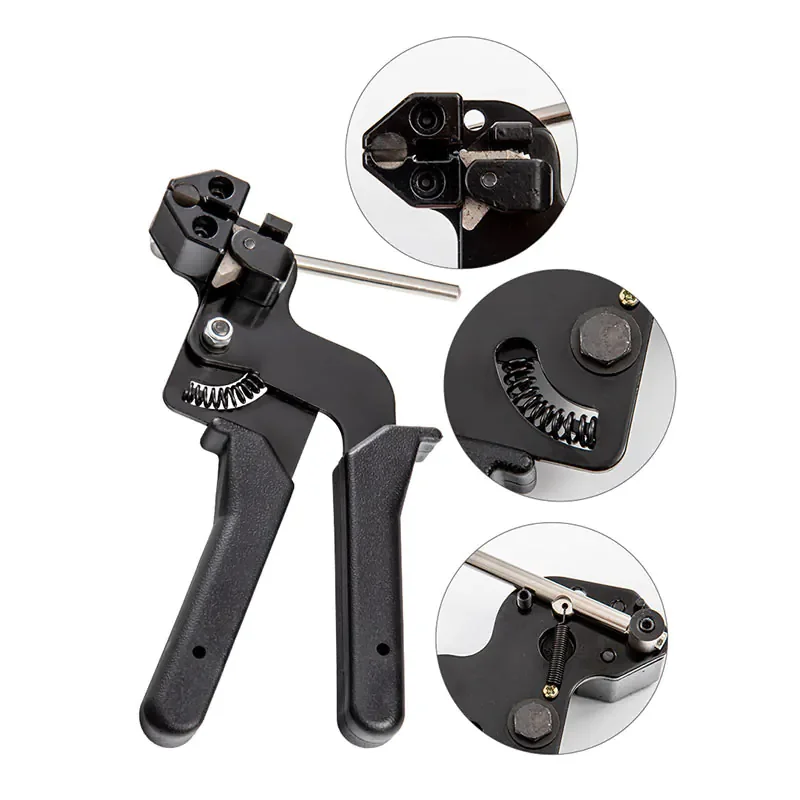
Do ball lock cable ties require special installation tools?
While they can be installed manually in some cases, professional tensioning and cutting tools are recommended to ensure consistent installation quality and optimal performance.