



How Epoxy Coated Cable Ties Reduce Maintenance Costs in Industrial Systems
Introduction
Industrial facilities depend on reliable cable management systems to support power distribution, control systems, communications networks, and automation equipment. While cable ties may seem like a small component, their performance can significantly impact the overall reliability and maintenance requirements of an installation.
In harsh industrial environments, standard cable fastening solutions are often exposed to moisture, chemicals, UV radiation, vibration, and extreme temperatures. These conditions can accelerate wear and corrosion, leading to frequent replacements and increased maintenance expenses.
Epoxy coated cable ties have become a preferred choice for many industries because they offer enhanced durability and corrosion resistance. By extending service life and reducing failure rates, they help lower long-term maintenance costs while improving operational reliability.
Why Maintenance Costs Matter in Industrial Facilities
Maintenance costs go far beyond the price of replacement parts. When cable management components fail, facilities may face:
Increased labor expenses
Production interruptions
Equipment downtime
Safety risks
Emergency repairs
Higher inventory requirements
Even a minor cable fastening failure can affect critical systems, making preventive maintenance an important consideration for industrial operators.
Investing in durable cable management solutions can significantly reduce these ongoing costs.
What Are Epoxy Coated Cable Ties?
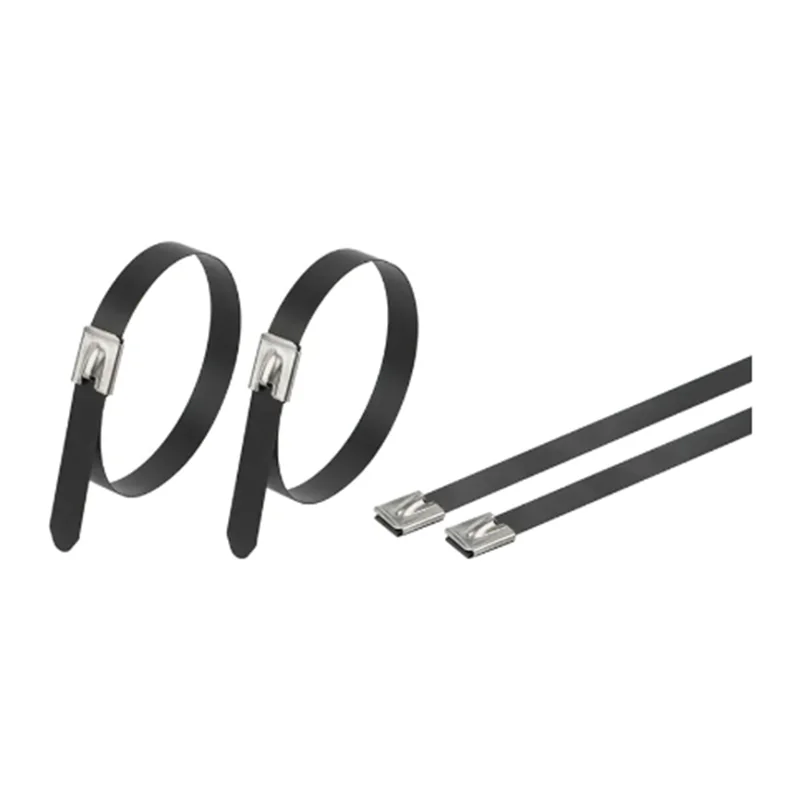
Epoxy coated cable ties are stainless steel cable ties covered with a protective epoxy polyester coating.
Their design typically includes:
High-strength stainless steel construction
Corrosion-resistant epoxy coating
Self-locking mechanism
Smooth protective surface
This combination provides both mechanical strength and environmental protection, making them suitable for demanding industrial applications.
Common Causes of Cable Tie Failure in Industrial Environments
Understanding why cable ties fail helps explain how maintenance costs increase.
Corrosion
Exposure to moisture, chemicals, salt, and industrial pollutants can gradually weaken metal components.
UV Exposure
Outdoor installations may experience degradation from prolonged sunlight exposure.
Mechanical Vibration
Equipment vibration can loosen or stress cable fastening systems over time.
Abrasion
Rough surfaces or damaged ties can wear against cable insulation.
Temperature Extremes
High heat and cold conditions can accelerate material deterioration.
When cable ties fail, technicians must spend time inspecting, replacing, and repairing affected systems.
How Epoxy Coated Cable Ties Reduce Maintenance Costs
Improved Corrosion Resistance
One of the primary advantages of epoxy coated cable ties is their superior protection against corrosion.
The epoxy coating creates a barrier that helps shield the stainless steel from:
Moisture
Salt spray
Industrial chemicals
Pollutants
As a result, cable ties maintain their strength longer and require fewer replacements.
Maintenance Benefit:
Reduced inspection frequency
Fewer replacement cycles
Lower labor costs
Extended Service Life
Durable fastening systems last longer and perform more consistently throughout their service life.
Compared with standard fastening options, epoxy coated cable ties can withstand harsh environments for extended periods without significant degradation.
Maintenance Benefit:
Longer intervals between maintenance activities
Reduced material consumption
Lower total ownership costs
Protection of Cable Jackets
The epoxy coating provides a smooth surface that minimizes contact damage to cables.
This helps prevent:
Abrasion
Scratches
Insulation wear
Premature cable failure
Protecting cables themselves can save far more money than simply replacing cable ties.
Maintenance Benefit:
Reduced cable repair costs
Longer cable lifespan
Improved system reliability
Resistance to Harsh Industrial Conditions
Industrial facilities often expose equipment to:
Chemical vapors
High humidity
Washdown procedures
Dust and contaminants
Temperature fluctuations
Epoxy coated cable ties are designed to perform reliably under these demanding conditions.
Maintenance Benefit:
Fewer failures caused by environmental stress
Lower emergency repair requirements
Improved operational continuity
Reduced Downtime
Cable tie failures may appear minor, but loose or damaged cables can create significant operational issues.
Potential consequences include:
Signal disruptions
Equipment malfunctions
Safety hazards
Production delays
By maintaining secure cable routing, epoxy coated cable ties help reduce unexpected downtime.
Maintenance Benefit:
Improved equipment availability
Higher productivity
Lower downtime-related losses
Industries That Benefit Most
Manufacturing Facilities
Production lines depend on organized and secure cable management to support automation systems and machinery.
Oil and Gas Plants
Corrosive environments and outdoor exposure make durable cable ties essential.
Chemical Processing Facilities
Chemical resistance helps reduce maintenance requirements in aggressive operating conditions.
Utilities and Power Distribution
Electrical infrastructure requires long-lasting cable fastening solutions to ensure continuous operation.
Marine and Offshore Applications
Salt spray and moisture exposure make corrosion protection a top priority.
Renewable Energy Projects
Solar and wind installations often require cable management systems capable of withstanding years of outdoor exposure.
Comparing Maintenance Requirements
| Factor | Standard Cable Ties | Epoxy Coated Cable Ties |
| Corrosion Resistance | Moderate | Excellent |
| Replacement Frequency | Higher | Lower |
| Cable Protection | Basic | Enhanced |
| Outdoor Durability | Moderate | High |
| Maintenance Labor | More Frequent | Reduced |
| Downtime Risk | Higher | Lower |
| Lifecycle Cost | Higher | Lower |
Although epoxy coated cable ties may have a higher initial purchase cost, their long-term savings often outweigh the upfront investment.
Best Practices for Maximizing Cost Savings
To achieve the greatest maintenance benefits:
Select the Correct Material Grade
Choose:
SS304 for general industrial use
SS316 for highly corrosive environments
Install Properly
Use appropriate installation tools and avoid excessive tightening.
Conduct Routine Inspections
Periodic inspections help identify potential issues before they become costly repairs.
Use Corrosion-Resistant Accessories
Combine cable ties with compatible stainless steel mounts, brackets, and supports.
Match Tie Specifications to Application Requirements
Consider:
Cable bundle size
Environmental conditions
Load requirements
Exposure risks
Long-Term Return on Investment
The true value of epoxy coated cable ties becomes apparent over time.
Cost-saving factors include:
Fewer replacements
Reduced labor expenses
Lower inventory needs
Less cable damage
Improved equipment uptime
Extended infrastructure lifespan
For facilities managing thousands of cable connections, even small reductions in maintenance frequency can generate significant annual savings.
Conclusion
Industrial maintenance teams are constantly seeking ways to improve reliability while controlling operating costs. Although cable ties are relatively small components, their performance directly affects cable protection, equipment reliability, and maintenance requirements.
Epoxy coated cable ties help reduce maintenance costs by providing superior corrosion resistance, extended service life, improved cable protection, and reliable performance in harsh industrial environments. Their ability to minimize replacements, prevent cable damage, and reduce downtime makes them a cost-effective solution for a wide range of industrial applications.
For organizations focused on long-term efficiency and asset protection, investing in high-quality epoxy coated cable ties is a practical step toward lowering total maintenance costs and improving system reliability.
FAQ
Why do epoxy coated cable ties last longer than standard cable ties?
The epoxy coating provides an additional protective barrier against moisture, chemicals, UV exposure, and corrosion, helping extend the service life of the cable tie.
Can epoxy coated cable ties reduce downtime?
Yes. By maintaining secure cable fastening and resisting environmental damage, they help prevent failures that could lead to equipment disruptions or production interruptions.
Are epoxy coated cable ties suitable for chemical plants?
Yes. Their corrosion-resistant properties make them well-suited for environments exposed to chemicals, humidity, and aggressive industrial conditions.
Do epoxy coated cable ties protect cables from damage?
Yes. The smooth coating reduces abrasion and minimizes the risk of damaging cable insulation during installation and operation.
Are epoxy coated cable ties worth the higher initial cost?
In many industrial applications, the longer service life, reduced maintenance frequency, and lower replacement costs provide a strong return on investment over time.