



What Makes Stainless Steel Cable Ties Stronger Than Nylon Ties?
Introduction
When it comes to securing cables and bundles, Stainless Steel Cable Ties often outperform their nylon counterparts in strength, durability, and resistance to harsh environments. For procurement professionals, understanding why stainless steel ties are stronger and when to choose them can lead to smarter purchasing decisions. This blog explores the key factors that make stainless steel cable ties superior, supported by practical insights and case studies.
Material Strength and Durability: Why Stainless Steel Wins
Superior Tensile Strength
The core reason stainless steel cable ties are stronger lies in their material properties.
- Stainless steel offers significantly higher tensile strength compared to nylon.
- This means it can withstand greater pulling forces without breaking.
- It’s ideal for heavy-duty applications where security is critical.
- Nylon ties, while flexible, can snap under extreme tension.
- The strength of stainless steel ties ensures long-term reliability in demanding conditions.
Resistance to Environmental Factors
Stainless steel’s resilience extends beyond just strength.
- It resists UV radiation, extreme temperatures, and chemical exposure.
- Unlike nylon, it won’t degrade or become brittle over time.
- Stainless steel ties are perfect for outdoor, marine, and industrial environments.
- They maintain integrity in corrosive atmospheres, especially grades like 316 stainless steel.
- This durability reduces replacement frequency and maintenance costs.
Design and Construction Differences
Locking Mechanism and Security
The design of stainless steel ties contributes to their superior performance.
- Stainless steel zip ties use a metal locking mechanism that resists tampering.
- Nylon ties rely on plastic ratchets that can wear out or fail under stress.
- The metal lock provides a firmer grip on the bundle.
- This makes stainless steel ties suitable for security-sensitive applications.
- The robust design also prevents loosening due to vibration or movement.
Flexibility vs. Rigidity
While stainless steel ties are stronger, they differ in flexibility.
- Stainless steel ties are less flexible but provide a rigid, secure hold.
- Nylon ties offer more elasticity, which can be beneficial for certain uses.
- The rigidity of stainless steel ties prevents deformation under load.
- This characteristic is crucial in applications requiring stable, immovable bundling.
- Choosing between flexibility and rigidity depends on your specific needs.
Application Suitability: When to Choose Stainless Steel Cable Ties
Heavy-Duty and Harsh Environments
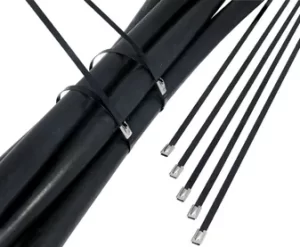
- Stainless steel ties excel in industrial, marine, and outdoor settings.
- They withstand exposure to oils, solvents, and extreme weather.
- Ideal for securing pipes, cables, and equipment in challenging conditions.
- Their corrosion resistance ensures longevity.
- Nylon ties may fail prematurely in these environments.
Security and Safety Applications
- Stainless steel ties are preferred where tamper resistance is essential.
- Used in electrical installations, transportation, and infrastructure.
- Their metal construction deters unauthorized removal.
- They provide peace of mind in critical safety applications.
- Nylon ties are less secure and easier to cut or damage.
Cost Considerations and Lifecycle Value
Upfront Cost vs. Long-Term Savings
- Stainless steel cable ties generally have a higher initial cost.
- However, their durability reduces replacement and maintenance expenses.
- Nylon ties may seem cheaper but often require frequent replacement.
- Investing in stainless steel ties can lower total cost of ownership.
- Procurement professionals should weigh upfront price against lifecycle benefits.
Availability and Sizing Options
- Stainless steel ties come in various sizes and grades, including 316 stainless steel.
- They can be sourced wholesale for large projects.
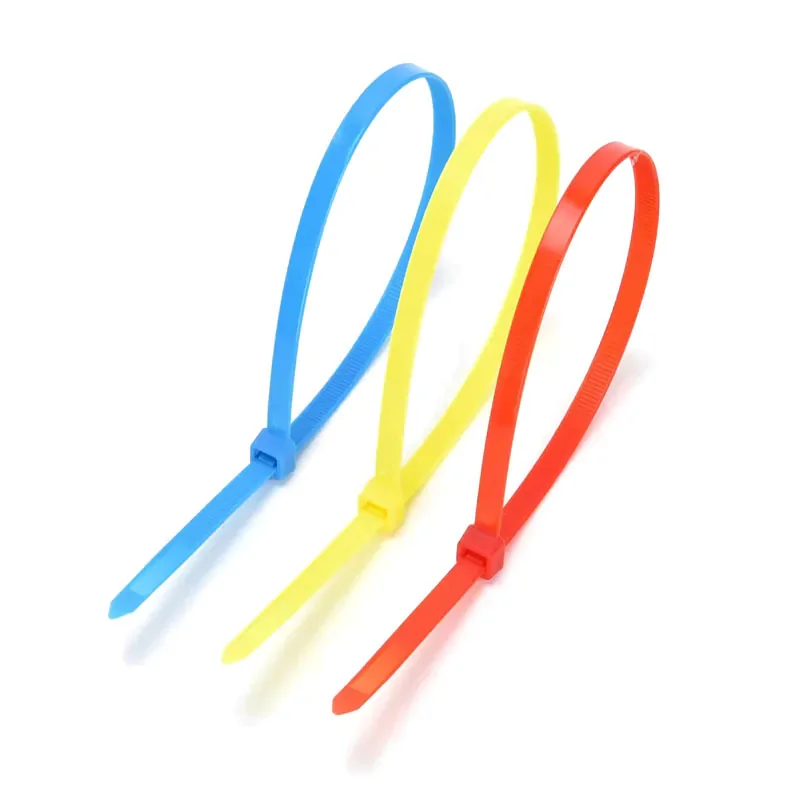
- Nylon ties offer more color and size variety but lack the same strength.
- Selecting the right size and grade ensures optimal performance.
- Reliable suppliers like XIXI provide tailored solutions for diverse needs.
Comparison Table: Stainless Steel Cable Ties vs Nylon Cable Ties
| Feature | Stainless Steel Cable Ties | Nylon Cable Ties | Tensile Strength | Environmental Resistance | Security Level |
|---|---|---|---|---|---|
| Material | Stainless steel (e.g., 316 grade) | Nylon (plastic) | Very high | Excellent (corrosion, UV) | High (metal locking) |
| Flexibility | Rigid | Flexible | High | Moderate | Moderate |
| Temperature Resistance | -80°C to 538°C | -40°C to 85°C | Superior | Superior | Superior |
| UV Resistance | Excellent | Poor to moderate | Superior | Superior | Superior |
| Cost | Higher upfront | Lower upfront | Higher | Higher | Higher |
Real-World Case Studies
In one industrial facility, switching to stainless steel cable ties prevented frequent failures caused by chemical exposure and heat, saving significant downtime and replacement costs.
Another case involved a transportation company that needed tamper-resistant ties for securing cargo. Stainless steel ties provided the necessary security and durability, outperforming nylon alternatives.
A marine installation project required corrosion-resistant ties that could withstand saltwater exposure. Stainless steel ties, especially 316 grade, proved indispensable, maintaining strength and appearance over years.
These examples highlight how choosing the right cable tie material can impact operational efficiency and safety.
Conclusion
The strength and durability of stainless steel cable ties make them a superior choice over nylon ties in demanding environments and security-sensitive applications. While the upfront cost may be higher, the long-term benefits in reliability, resistance, and lifecycle value are undeniable. As a procurement professional, investing in stainless steel ties from trusted suppliers like XIXI ensures you get quality, performance, and peace of mind. Ready to upgrade your cable management? Explore XIXI’s range of stainless steel cable ties today and secure your assets with confidence.
Frequently Asked Questions
Why are stainless steel cable ties stronger than nylon ties?
Because stainless steel has much higher tensile strength and resists environmental degradation better than nylon.
Can stainless steel cable ties be used outdoors?
Absolutely. They resist UV, corrosion, and extreme temperatures, making them ideal for outdoor use.
Are stainless steel cable ties more expensive than nylon ties?
Yes, but their durability and longevity often result in lower total costs over time.
What applications benefit most from stainless steel cable ties?
Heavy-duty industrial, marine, security, and high-temperature environments benefit the most.
Do stainless steel cable ties come in different grades?
Yes, including 316 stainless steel, which offers superior corrosion resistance for harsh conditions.